
Key Takeaways

- Understand the Market: Focus on consumer preferences for quick-service dining and adapt your menu to include trending items like plant-based foods and gourmet fusion dishes.
- Plan Your Concept: Develop a unique food cart concept that highlights your culinary skills and brings something special to your target audience, setting you apart from the competition.
- Know Your Audience: Research local demographics to tailor your offerings and marketing efforts effectively to resonate with your customers’ preferences and dining habits.
- Follow Legal Requirements: Ensure compliance with all necessary business licenses, health permits, and safety regulations to build trust and maintain operational success.
- Design Effectively: Create a cart design that is both functional and visually appealing, focusing on efficient layout, branding, and compliance with local regulations.
- Market Strategically: Build a strong brand identity and utilize social media platforms to engage with customers, promote your food cart, and keep your audience informed about offerings and special events.
Starting a food cart business can be an exciting venture that combines your passion for food with the thrill of entrepreneurship. With low overhead costs and the flexibility to operate in various locations, food carts offer a unique opportunity to serve delicious meals while building a loyal customer base. Whether you’re dreaming of dishing out gourmet tacos or artisanal pastries, the possibilities are endless.
Understanding the Food Cart Business

The food cart business offers a unique blend of flexibility and opportunity for small business startups. With low overhead costs and access to diverse markets, entrepreneurs can thrive in this dynamic industry.
Market Trends
Observe that consumer preferences increasingly favor convenient, quick-service dining options. Mobile food vendors excel in meeting this demand, adapting menus to local tastes and trends. Popular trends include plant-based offerings, gourmet fusion dishes, and sustainability efforts. Utilizing seasonal ingredients enhances your appeal and engages a growing customer base interested in fresh, quality food.
Profit Potential
Recognize that the profit potential in the food cart business varies based on factors like location, pricing, and menu variety. Average profit margins for food businesses range from 10% to 20%. Successful food carts can generate revenue between $250,000 and $500,000 annually, especially in high-traffic areas during peak hours. Strategically marketing unique offerings and maintaining quality ensures a loyal customer base, enhancing long-term profitability.
Planning Your Food Cart Concept

A well-defined food cart concept stands as the cornerstone for a thriving small business. It draws customers and sets you apart from competitors. Focus on developing a unique niche or a creative combination of cuisines.
Choosing Your Cuisine
Choosing your cuisine integrates your passion with your culinary skills. Select options that excite you and that you’re eager to share. Popular choices include gourmet tacos, artisanal pastries, or plant-based dishes. Ensure your menu items are manageable for a food cart setup. Simple recipes maintain quality during transport, streamline preparation, and make service efficient for on-the-go dining.
Identifying Your Target Audience
Understanding your target audience enhances your food cart’s success. Research local demographics to identify preferences and dining habits. Consider age groups, lifestyle choices, and cultural backgrounds. For instance, health-conscious consumers may appreciate organic or vegan options, while foodies often seek innovative flavors. Tailor your marketing efforts to resonate with your audience, maximizing customer engagement and ensuring your food’s appeal reflects their desires.
Legal Requirements and Regulations

Starting a food cart business involves meeting several legal requirements to operate legally and maintain health standards. Adhering to these regulations is crucial for your small business’s success.
Business Licensing
You must obtain a business license to operate your food cart. This license typically comes from the city or county where you plan to set up. Start by determining your business location. Next, visit the local government office or their website to obtain the application. Fill it out, submit it along with the required fee, and follow up on the approval process. If you plan to serve alcoholic beverages, secure an additional business license from the Alcohol and Tobacco Tax and Trade Bureau (TTB) and a state-specific license.Health and Safety Standards
You need a health permit that requires passing inspections conducted by the local health department. This health permit ensures your food cart complies with all local health and safety regulations. Prioritize clean food preparation practices and safe handling to meet these standards. By adhering to health guidelines, you enhance customer trust and contribute to your small business’s reputation.
Setting Up Your Food Cart

Setting up your food cart involves careful planning and attention to detail, ensuring that you create an appealing and efficient mobile business.
Designing Your Cart
Designing your cart requires a balance between functionality and aesthetics. You need a layout that maximizes efficiency while attracting customers. Customization is essential; consider color schemes, signage, and branding that resonate with your target market. Use high-quality materials to enhance durability and create a professional appearance. Allocate space for essential equipment, customer interaction, and storage of supplies. Ensure compliance with local regulations regarding size and design features, as this affects licensing and operational success.
Equipment and Supplies
Acquiring the right equipment and supplies is critical for operating your food cart. Essential equipment includes cooking tools, refrigeration units, and serving materials, which depend on your menu offerings. For instance, if you serve gourmet tacos, invest in a quality grill and a refrigerator for fresh ingredients. Stock up on disposable serving items, condiments, and cleaning supplies. Building relationships with local suppliers can lead to better pricing and fresher ingredients, enhancing the quality of your offerings. Prioritize efficiency and convenience in your choices, as these factors directly impact customer satisfaction and your ability to manage a small business effectively.
Marketing Your Food Cart
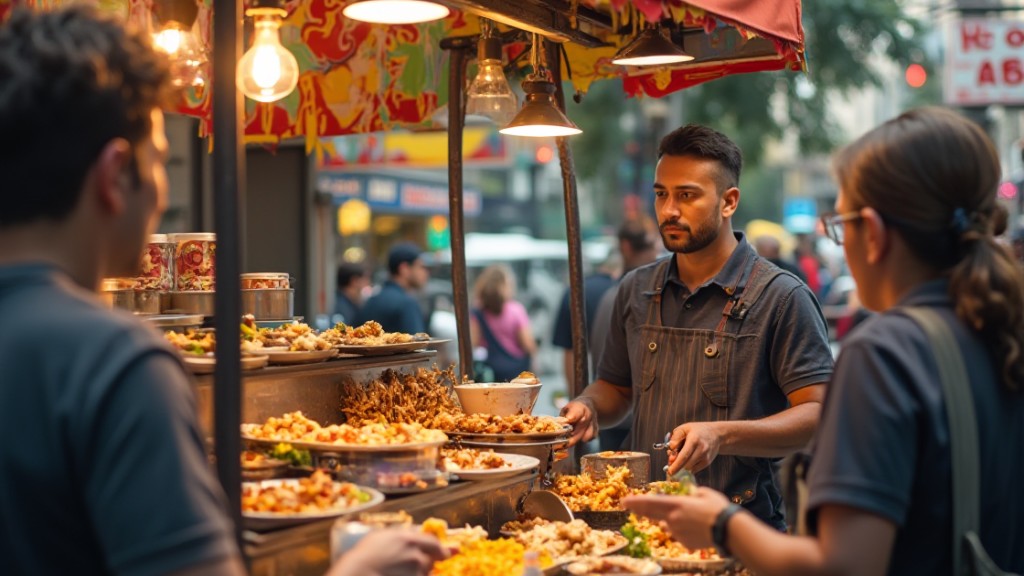
Marketing significantly impacts your food cart’s success. It focuses on building a strong brand and effectively utilizing social media to reach potential customers.
Building Your Brand
Establishing a unique brand identity sets your food cart apart in a competitive market. Define your brand’s core values, vision, and mission to create a cohesive message. Develop a logo and color scheme that reflects your cart’s theme. Choose a memorable name that resonates with your target demographic and conveys the essence of your culinary offerings. Consistency across all marketing materials, like menus, business cards, and social media profiles, reinforces brand recognition and attracts customers.
Utilizing Social Media
Leveraging social media expands your reach and connects you with your community. Create accounts on platforms like Instagram, Facebook, and Twitter to showcase your food offerings. Post high-quality images of your dishes, share behind-the-scenes content, and engage with customers through comments and direct messages. Utilize targeted ads to reach specific demographics and promote special events, like tastings or promotions. Regularly update your followers about your location, hours, and menu changes to maintain interest and encourage repeat visits.Conclusion

Starting a food cart business offers an exciting pathway to turn your culinary passion into a profitable venture. With careful planning and a clear concept, you can create a unique dining experience that resonates with your target audience.
Embrace the flexibility of this industry by adapting to local tastes and trends while maintaining high standards of quality and service. By effectively marketing your brand and engaging with customers through social media, you’ll build a loyal following that keeps your cart thriving.
Take the leap and transform your food ideas into a successful food cart business that satisfies cravings and creates lasting memories for your customers.
Frequently Asked Questions
What are the benefits of starting a food cart business?
Starting a food cart business offers low overhead costs, flexibility in location, and the opportunity to serve a diverse range of meals. It allows entrepreneurs to combine their love for food with a passion for business, making it an appealing option for many.
How profitable can a food cart business be?
Profitability varies based on location, pricing, and menu variety. Successful food carts in high-traffic areas can generate annual revenues between $250,000 and $500,000. Careful planning and quality offerings contribute significantly to long-term success.
What should I consider when choosing a food cart concept?
When selecting a food cart concept, choose a cuisine that matches your passion and skills. It’s important to create a unique menu that resonates with your target audience and is manageable within a food cart setup.
What legal requirements are involved in starting a food cart?
Starting a food cart typically requires a business license and, if applicable, a license for serving alcohol. Additionally, you need a health permit obtained by passing inspections to ensure compliance with health and safety regulations.
How can I effectively market my food cart business?
Building a strong brand identity is crucial for marketing success. Use social media platforms to showcase your food, engage with customers, and keep them updated on your location and menu changes to encourage repeat visits.
Image via Google Gemini