
Key Takeaways
- Understand the Market: Recognize the growing demand for convenient, healthy meal options, targeting busy individuals and health-conscious consumers to leverage market opportunities.
- Create a Comprehensive Business Plan: Outline your goals, target market, services, and revenue projections to guide your operations and attract potential investors.
- Comply with Legalities: Ensure you obtain necessary permits and licenses, including food handler’s licenses and health department approvals, to operate legally and safely.
- Develop a Unique Menu and Niche: Focus on a specific dietary niche, such as vegan or gluten-free options, to differentiate your offerings and build your brand identity.
- Implement Effective Marketing Strategies: Build your brand presence through social media, appealing visuals, and optimized online experiences to attract and retain customers.
- Manage Finances Wisely: Keep track of costs, set competitive pricing, and maintain a budget to ensure profitability and sustainable business growth.
Starting a food prep business can be an exciting venture that taps into the growing demand for convenient and healthy meal options. With busy lifestyles and a focus on wellness, more people are looking for ways to eat better without spending hours in the kitchen. If you’ve got a passion for cooking and a knack for organization, this could be the perfect opportunity for you.
In this guide, you’ll discover essential steps to launch your food prep business successfully. From understanding your target market to mastering food safety regulations, you’ll gain insights that can help you turn your culinary skills into a thriving enterprise. Whether you’re aiming for a small side hustle or a full-fledged business, getting started on the right foot is crucial. Let’s dive in and explore how you can make your food prep dreams a reality.
Understanding the Food Prep Industry
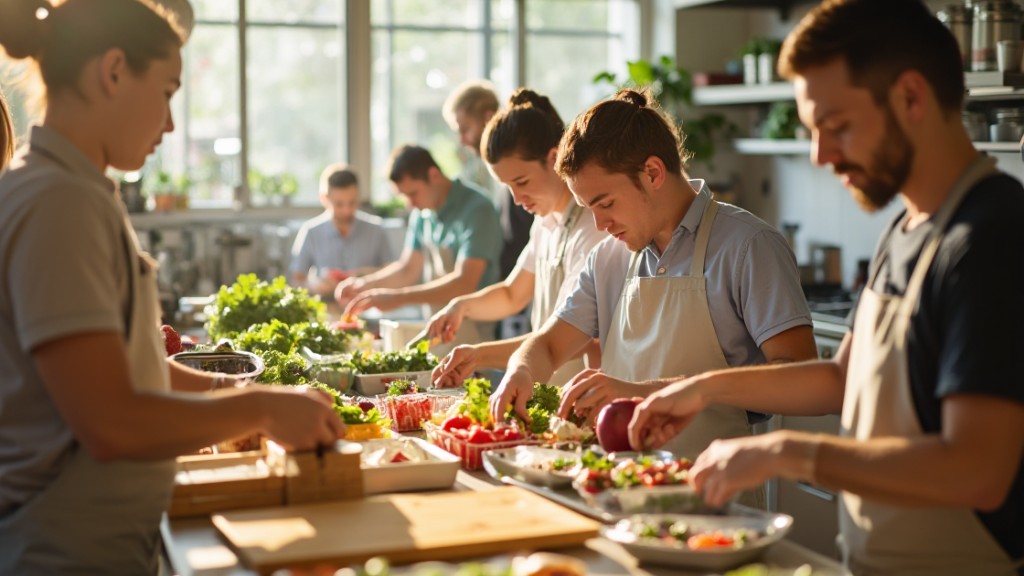
Understanding the food prep industry involves recognizing its essentials, trends, and opportunities. This knowledge is crucial for your small business success.
Overview of Food Prep Business
A food prep business focuses on preparing meals or meal components that customers can easily use or consume. This industry targets busy individuals, families, and health-conscious consumers who seek convenience without sacrificing nutrition. Services may include meal planning, meal prepping, and delivery. Small businesses can thrive by offering tailored solutions, such as specialized diets, portion control, or family-sized meals.
Market Trends and Opportunities
Current market trends show a significant rise in demand for meal prep services. Data indicates that the meal delivery market is expected to reach $200 billion globally by 2025. Emphasizing health, sustainability, and customization attracts consumers. You can capitalize on these trends by integrating organic ingredients, eco-friendly packaging, and online ordering platforms. Addressing dietary preferences, such as gluten-free or vegan options, enhances your appeal. The growth of remote work also signifies a shift towards home-cooked meals, presenting a prime opportunity for startups in this sector.
Steps to Start a Food Prep Business

Starting a food prep business involves several essential steps to ensure a solid foundation. Follow these guidelines to launch your successful startup.
Creating a Business Plan
Develop a detailed business plan that outlines your goals, target market, services, and revenue projections. Include financial forecasts, marketing strategies, and competitor analysis. A well-structured plan becomes a roadmap guiding your small business operations and attracting potential investors.
Legal Requirements and Licensing
Obtain necessary permits and licenses before beginning operations. Acquire a business license, employer identification number, food handler’s license, and health department permits. Familiarize yourself with local regulations, as these requirements vary by state and city. Compliance with safety regulations trumps all to protect your small business and customers.
Setting Up Your Kitchen and Equipment
Establish a functional kitchen that meets health and safety standards. Invest in essential equipment like food processors, cutting boards, and storage solutions. Arranging your kitchen efficiently supports smooth operations and maximizes productivity, ensuring you can fulfill customers’ meal prep needs effectively.
Developing Your Menu

Developing your menu is essential for your food prep business. A well-crafted menu attracts customers and showcases your culinary strengths.
Choosing a Niche
Selecting a niche sets your business apart in a crowded market. You could focus on specific dietary preferences, such as vegan, gluten-free, or keto options. Research current trends to identify underserved markets. Offer unique meal types, like ethnic cuisines or meal kits, to enhance your appeal. This focus not only targets specific customer demographics but also establishes your brand identity.
Ingredient Sourcing and Quality
Sourcing high-quality ingredients elevates your meals and builds trust with customers. Connect with local farmers and suppliers for fresh produce and proteins. Negotiate contracts to maintain consistent supply and competitive pricing. Prioritize organic and sustainable ingredients to align with consumer trends. Offering premium ingredients enhances meal appeal and can justify higher price points, vital for profitability in your startup.
Marketing Your Food Prep Business
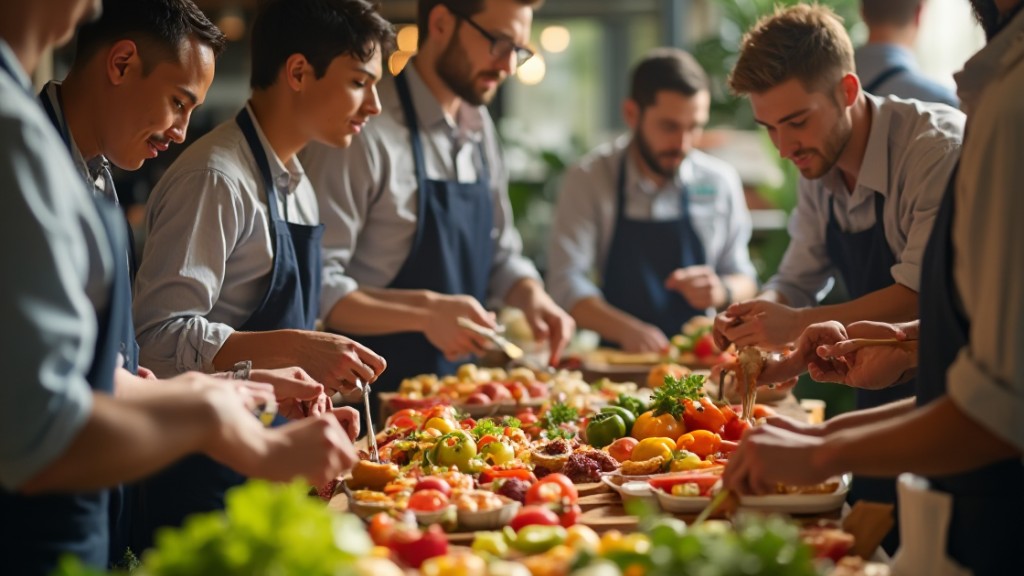
Marketing your food prep business effectively is crucial for attracting customers and driving growth. Implementing strategic approaches can enhance visibility and establish strong connections with your target audience.
Building Your Brand
Building your brand begins by creating a unique identity. Design a memorable logo, choose a cohesive color scheme, and define your voice. Consistent branding helps build recognition and trust among customers. Provide clear messaging about your niche, whether it’s plant-based meals, keto options, or family-friendly dinners. Crafting a strong brand narrative that communicates your values can resonate with potential clients seeking meal prep services aligned with their lifestyle.
Utilizing Social Media and Online Presence
Utilizing social media platforms can significantly enhance your business outreach. Focus on visually appealing content showcasing your meals. Post high-quality images of prepared dishes, behind-the-scenes kitchen activities, and customer testimonials. Engage with your audience by sharing tips on healthy eating, meal planning, and cooking techniques. Consistent interaction fosters community and builds loyalty.
Optimize your website for user experience and search engines. Include essential elements like a responsive design, an easy-to-navigate menu, and clear calls to action. Consider incorporating an online ordering system for convenience. Leverage Search Engine Optimization (SEO) strategies to enhance online visibility. Use relevant keywords, local business information, and engaging blog posts to attract traffic and convert visitors into customers.
Managing Finances

Managing finances is critical for any food prep business. Understanding your financial landscape supports sustainable growth and informs decision-making.
Pricing Your Services
Pricing your services requires strategic thinking. Consider costs for ingredients, labor, and overhead, alongside the value you provide to customers. Research competitor prices for meal prep services in your area to maintain competitiveness. Implement a pricing model that may include per-meal costs or subscription plans. Ensure your pricing allows for profit margins that support your startup and cover unexpected expenses.
Budgeting and Expense Management
Budgeting and expense management are essential for maintaining financial health. Create a detailed budget that encompasses fixed costs like rent and utilities, as well as variable costs such as ingredients and marketing. Track all expenses diligently to identify patterns and areas for cost-saving. Monitoring cash flow helps in anticipating shortfalls and making informed financial decisions. Utilize accounting tools or software specifically designed for small businesses to streamline this process.
Conclusion

Starting a food prep business offers an exciting chance to turn your culinary passion into a thriving enterprise. By focusing on quality ingredients and tailored meal solutions, you can meet the growing demand for convenient and healthy options.
Remember to create a solid business plan and comply with local regulations to set yourself up for success. Effective marketing and a strong online presence will help you reach your target audience and build a loyal customer base.
With careful planning and dedication, you can carve out a niche in this booming industry. Embrace the journey ahead and watch your food prep business flourish.
Frequently Asked Questions

What is a food prep business?
A food prep business prepares meals or meal components for busy individuals and health-conscious consumers. Services often include meal planning, prepping, and delivery, focusing on convenience without compromising nutrition.
What skills are needed to start a food prep business?
Starting a food prep business requires strong culinary skills, a passion for cooking, and excellent organizational abilities. Additionally, understanding food safety regulations and market trends is crucial for success.
How can I identify my target market?
To identify your target market, consider demographics such as age, lifestyle, and dietary preferences. Conduct market research to understand your audience’s needs and preferences to tailor your services effectively.
What permits and licenses do I need?
Necessary permits and licenses vary by location, but generally include a food service license, health department permits, and potentially a business license. Always check local regulations to ensure compliance.
How important is menu development?
Menu development is vital for attracting customers and showcasing your culinary strengths. A well-crafted menu should align with your niche and customer preferences, helping differentiate your brand in a competitive market.
What ingredients should I use in my meals?
Using high-quality, fresh ingredients is essential. Consider sourcing organic and locally-produced items to enhance meal quality, build customer trust, and align with current health trends.
How can I market my food prep business?
Effective marketing includes building a unique brand identity, utilizing social media for outreach, and creating engaging visual content. An optimized website with online ordering can also enhance visibility and customer engagement.
What financial considerations should I keep in mind?
Key financial considerations include pricing your services competitively, budgeting, and tracking expenses. Use accounting tools to manage finances effectively and monitor cash flow for sustainable growth.
Are there specific trends in the food prep industry?
Current trends include a growing demand for meal prep services, focusing on health, sustainability, and customization. Options like vegan or gluten-free meals are increasingly popular, reflecting changing consumer preferences.
How much can I potentially earn from a food prep business?
Earnings vary based on market demand, pricing, and operational scale. With the meal delivery market projected to grow significantly, a well-managed food prep business can be quite profitable with the right strategies in place.
Image via Google Gemini