Key Takeaways
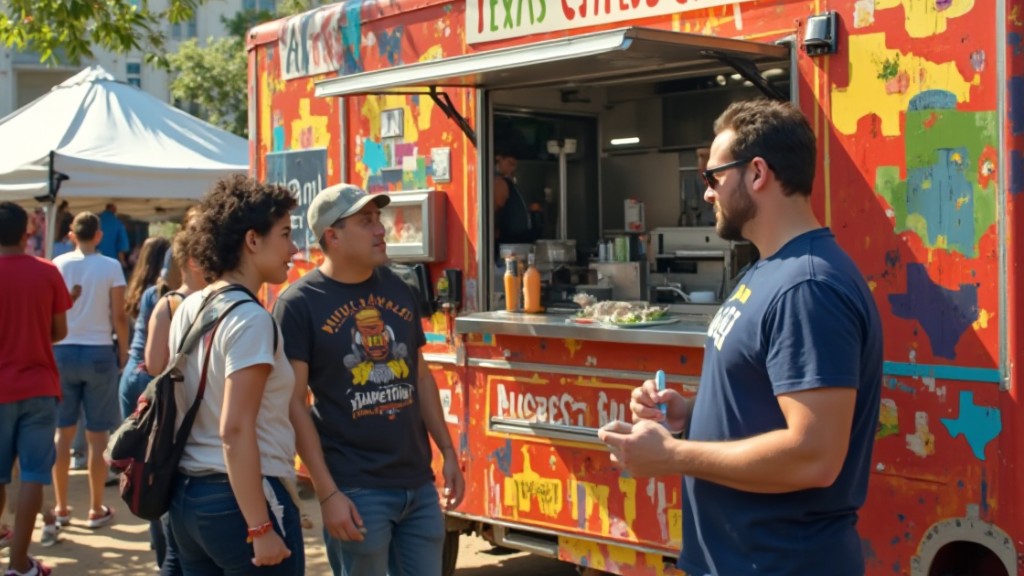
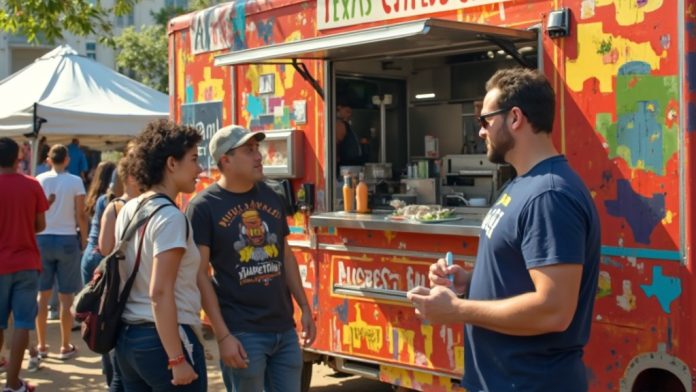
- Vibrant Market Potential: Texas has a thriving food truck industry, with over 1,500 trucks, offering a growing opportunity for diverse culinary experiences.
- Understanding Regulations: Familiarize yourself with local permits, health inspections, and zoning laws crucial for compliance and operational success in your food truck venture.
- Strategic Business Planning: Conduct market research, choose a suitable business model, and craft a comprehensive business plan to position your food truck effectively.
- Essential Licensing: Obtain necessary licenses, like the Mobile Food Unit permit and health compliance certification, to operate legally and maintain high food safety standards.
- Financial Funding Options: Explore various financing methods like SBA microloans and bank loans, and implement budgeting strategies to manage startup and operational costs efficiently.
- Effective Marketing: Utilize social media and local networking to enhance visibility, engage with potential customers, and build relationships that will foster a loyal customer base.
Are you dreaming of serving delicious food on the streets of Texas? Starting a food truck business might just be your ticket to culinary success. With its vibrant food scene and a growing appetite for unique dining experiences, Texas offers a fertile ground for aspiring food entrepreneurs.
Understanding the Food Truck Industry in Texas

The food truck industry in Texas offers numerous opportunities for small business owners. With a vibrant food scene and a growing consumer appetite for convenient, unique dining options, the market for food trucks continues to expand.
Market Trends
Market trends indicate a significant shift toward food trucks, appealing to diverse tastes and cultural influences. As of 2023, over 1,500 food trucks operate across Texas, catering to increasing demand for gourmet and artisanal food options. Key trends emerging in this sector include:
- Health-conscious menus: Many consumers favor fresh, local ingredients.
- Fusion cuisines: Unique combinations are captivating diverse audiences.
- Technology integration: Mobile apps for ordering create efficiency wins.
- Sustainability: Eco-friendly practices are increasingly valued by customers.
By staying informed about these trends, you can align your business offerings with what consumers desire, strategically positioning your startup for success.
Regulatory Environment
Understanding the regulatory environment is critical for launching your food truck business in Texas. Regulations often vary between cities and counties. Common requirements include:
- Permitting: Obtain necessary permits, such as food vendor permits and health department approvals.
- Inspections: Schedule routine inspections to ensure compliance with health and safety standards.
- Zoning regulations: Familiarize yourself with local zoning laws that dictate where food trucks can operate.
- Licensing: Acquire a business license from your local government to legally operate.
Navigating these regulations may seem daunting, but thorough research and proactive planning lay the groundwork for compliance and operational success.
Planning Your Food Truck Business

Planning your food truck business involves thorough research and strategic thinking to position your startup for success.
Research and Market Analysis
Study the Texas food truck landscape to understand current trends and projected growth. The Texas food truck market is set to grow by 7.5% annually through 2025. Analyze local regulations, successful food trucks, and potential locations for your business. Identify gaps in the market to capitalize on opportunities that align with consumer preferences.
Business Model Selection
Choose a business model that fits your vision and resources. Some common models include gourmet, ethnic, seasonal, or event-based offerings. Assess each option’s operational requirements and potential profitability. Consider factors such as menu complexity, target audience, and competition. Picking the right model helps you focus your startup efforts effectively.
Creating a Business Plan
Draft a comprehensive business plan that outlines your vision, goals, and strategies. Include sections on market analysis, competitive landscape, marketing strategies, and financial projections. Establish clear short-term and long-term objectives to guide your decisions. A well-structured business plan serves as a roadmap for your food truck venture and aids in securing funding if necessary.
Legal Requirements and Permits
Starting a food truck business in Texas requires compliance with specific legal requirements and permits. Understanding these regulations is crucial for your small business to operate smoothly and legally.
Essential Licenses
You must obtain a Mobile Food Unit (MFU) permit to operate a food truck in Texas. The Department of State Health Services issues this permit, classifying your food truck under state regulations. The fee is $258 for initial applications, renewals, or changes of ownership. If you need to amend your permit, a fee of $125 applies.Operating from a Central Preparation Facility (CPF) is another requirement. If you don’t own the CPF, a signed letter of authorization from the owner is necessary. This facilitates compliance with local health regulations while ensuring that your food truck maintains high standards.
Health and Safety Regulations
Health and safety regulations play a vital role in food truck operations. You must maintain proper food handling practices to ensure safety. To operate without a CPF, submit a variance request and include a statement and possibly a Hazard Analysis Critical Control Point (HACCP) Plan. Adhering to these requirements helps protect you and your customers, promoting a safe dining experience.
Navigating these legal requirements and permits forms a foundational part of how to start a small business in the food industry. Understanding and adhering to them contributes to the success of your food truck venture.
Funding Your Food Truck Business
Securing funding is crucial for your food truck startup in Texas. Various financing options and budgeting tips can help you manage your finances effectively.
Financing Options
- SBA Microloan Program:
- Bank Term Loans:
These loans provide financing for a set period, typically one to five years. They are ideal for large purchases, such as your food truck. Good credit is necessary, and comparing rates from different lenders is advisable to find the best deal.
- Business Lines of Credit:
These unsecured loans depend on your monthly sales. They offer flexibility in managing cash flow and expenses, providing a financial safety net during slow sales periods.
Budgeting Tips
- Estimate Initial Costs:
Account for expenses like your food truck, equipment, permits, and insurance. Ensure you have a detailed breakdown to avoid unexpected financial strain.
- Track Ongoing Expenses:
Keep records of all operational costs, such as ingredients, fuel, maintenance, and employee wages. Regular tracking helps maintain financial health.
- Set a Contingency Fund:
Allocate 10% of your budget for emergencies. This fund can cover unexpected repairs or fluctuations in food costs, ensuring stability.
- Review Financial Performance Regularly:
Assess your budget against actual expenses monthly. Adjust your budget to reflect changing conditions and make informed decisions.
Designing Your Food Truck

Designing your food truck requires careful consideration of functionality and branding. A well-planned design sets the foundation for your startup’s success.
Choosing the Right Vehicle
Selecting the right vehicle is essential for your food truck business. Consider the following factors:
- Size and Layout: Choose a truck spacious enough for cooking appliances, storage, and serving areas. A minimum of 20 to 30 square feet of workspace often meets operational needs.
- Condition and Maintenance: Inspect the vehicle’s condition thoroughly. Maintenance history, engine performance, and structural integrity impact long-term operation.
- Fuel Type: Determine the best fuel source for your operations. Options include propane, natural gas, or electric setups, each with unique advantages.
Branding and Menu Design
Your food truck’s branding and menu design play a crucial role in attracting customers. Focus on these elements:
- Logo and Colors: Create a memorable logo and consistent color scheme for visibility. A professional wrap enhances brand recognition.
- Menu Selection: Design a menu that reflects your cuisine and target audience. Include a variety of offerings, catering to local preferences, with at least five main items for initial launch.
- Pricing Strategy: Set competitive yet profitable prices. Research similar food trucks and local markets to determine price points.
Engaging with effective branding and design strategies helps position your food truck as a standout small business in a competitive market.
Marketing Your Food Truck
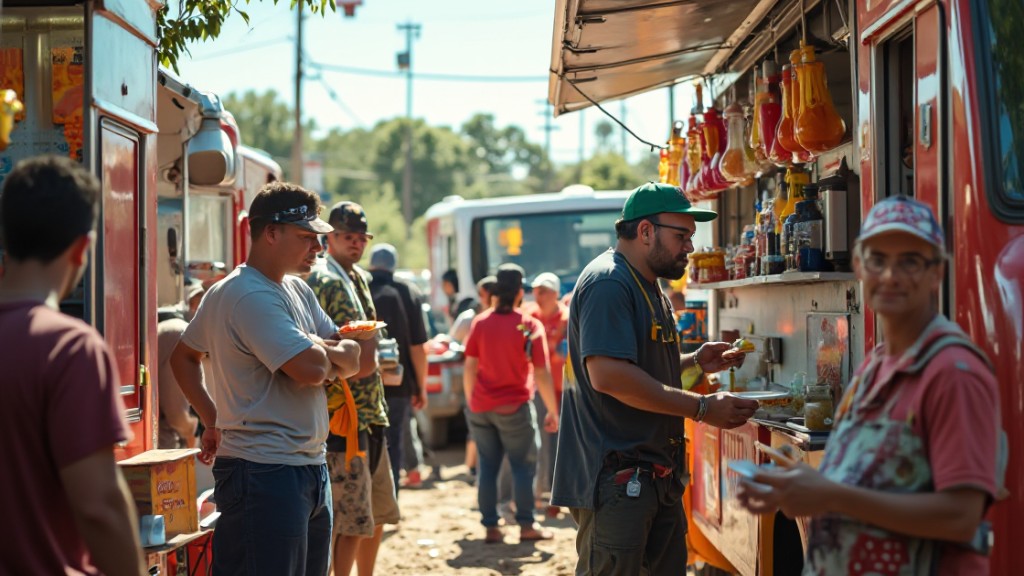
Effective marketing plays a crucial role in the success of your food truck startup in Texas. A strong marketing strategy ensures visibility and attracts customers to your unique offerings.
Social Media Strategies
Leverage Instagram and Facebook to post high-quality images of your menu items, highlight special events, and share customer testimonials. Engage with followers through stories, contests, and polls to foster community. Post regularly, establishing a consistent brand voice, and utilize hashtags relevant to your cuisine and location to expand your reach. Consider running targeted ads to reach potential customers in your area, optimizing your marketing efforts efficiently.Networking with Local Businesses
Building relationships with local businesses enhances your food truck’s visibility and customer base. Partner with nearby restaurants or cafes for cross-promotions, such as co-hosting events or offering special deals. Engage in local farmers’ markets or food festivals to showcase your culinary creations, attract foot traffic, and connect with other food entrepreneurs. Developing relationships with suppliers and food distributors can improve your inventory management while fostering community ties, crucial for any small business. These networking initiatives can enhance your brand image and significantly boost your startup’s success in the competitive food truck market.Conclusion
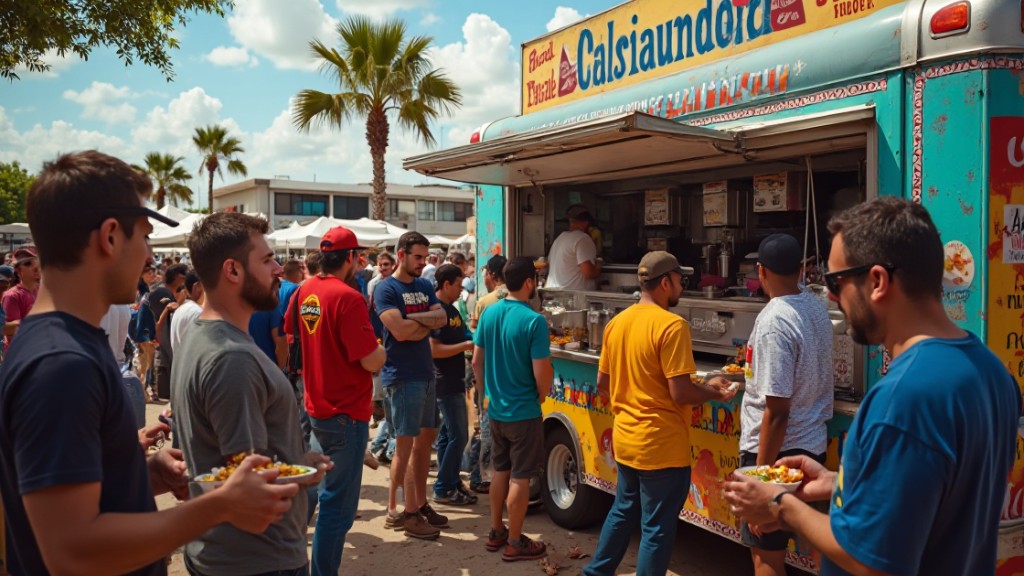
Starting a food truck business in Texas can be an exciting and rewarding venture. With a thriving culinary scene and a growing demand for unique dining experiences you have the chance to make your mark. By understanding the regulatory landscape conducting thorough research and crafting a solid business plan you’ll be well on your way to success.
Remember to focus on branding and marketing to attract customers and build a loyal following. Utilize social media and engage with your community to create buzz around your food truck. With dedication and strategic planning your food truck can thrive in Texas’s vibrant market. Embrace the journey and enjoy every moment of bringing your culinary vision to life.
Frequently Asked Questions
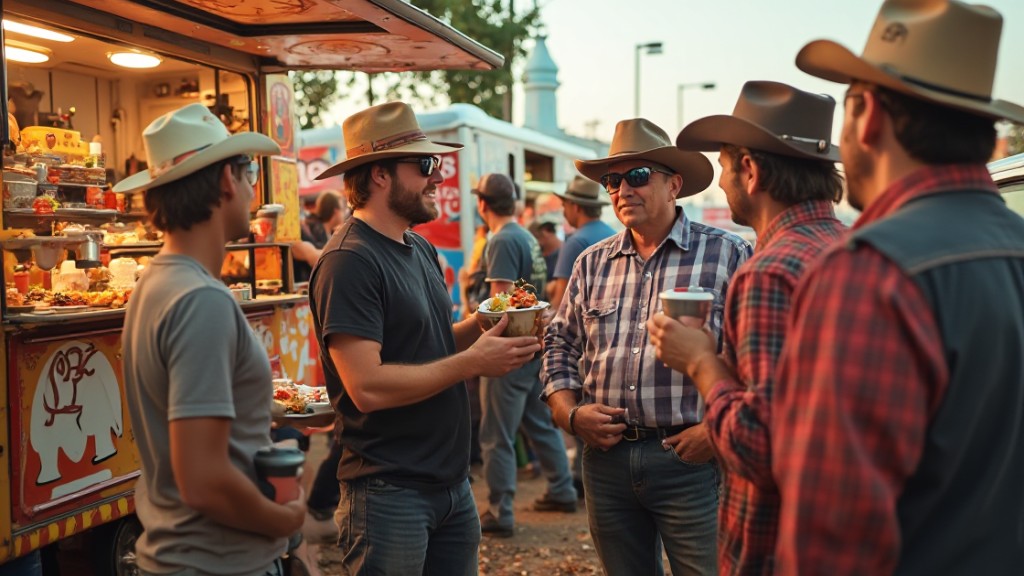
What are the benefits of starting a food truck business in Texas?
Starting a food truck business in Texas offers access to a vibrant food scene, a growing consumer appetite for unique dining experiences, and the potential for high profitability. With over 1,500 food trucks catering to diverse tastes, entrepreneurs can tap into market trends like health-conscious menus and fusion cuisines.
What permits are needed to operate a food truck in Texas?
To operate a food truck in Texas, you’ll need to obtain a Mobile Food Unit (MFU) permit from the Department of State Health Services, which costs $258. Additionally, you’ll need to operate from a Central Preparation Facility (CPF) and adhere to local health and safety regulations.
How can I secure funding for my food truck startup?
Funding options for your food truck business include the SBA Microloan Program, bank term loans, and business lines of credit. It’s essential to estimate initial costs, track ongoing expenses, and create a contingency fund to manage finances effectively.What should I include in my food truck business plan?
Your food truck business plan should outline your vision, goals, and strategies. Include market research, competitor analysis, financial projections, and operational requirements. A well-drafted plan will serve as a roadmap and assist in securing funding if needed.
How can I effectively market my food truck?
To market your food truck, leverage social media platforms like Instagram and Facebook to showcase your menu and engage with customers. Network with local businesses, participate in community events, and build relationships with suppliers to enhance your visibility and customer base.Image via Google Gemini