Key Takeaways
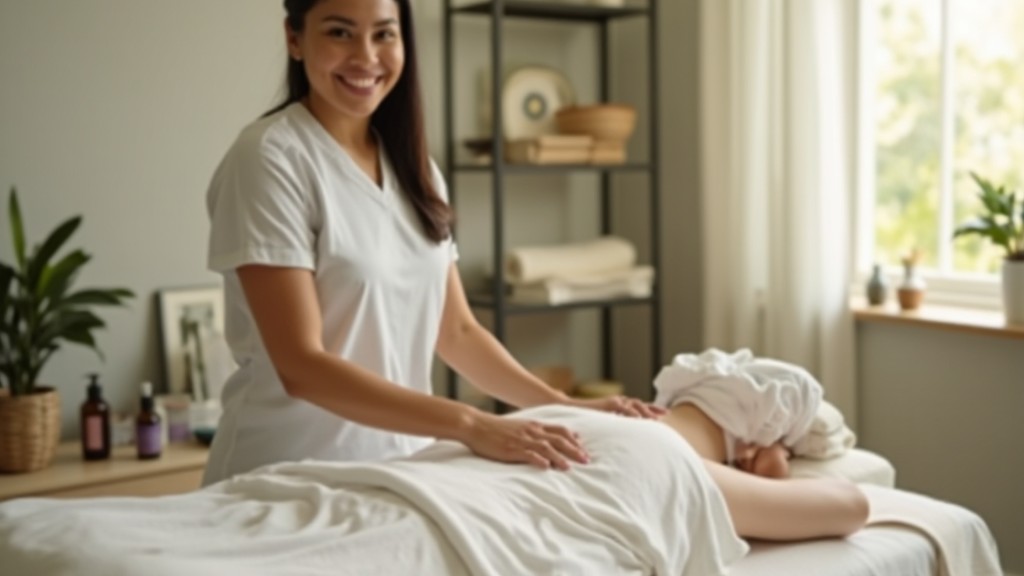
- Understand the Market: The massage industry is booming, with a projected growth to $20.7 billion by 2024, driven by an increasing demand for wellness services and self-care solutions.
- Define Your Niche: Identifying and specializing in a particular type of massage service (e.g., Swedish, deep tissue, or sports massage) helps differentiate your business from competitors.
- Create a Solid Business Plan: A comprehensive business plan structure is vital, detailing your strategy, financial projections, and defining your target market to ensure a roadmap for success.
- Comply with Legal Requirements: Securing the necessary licenses and permits, including state-specific massage therapy licenses and business licenses, is essential for operating legally and building credibility.
- Design an Inviting Space: Selecting an appropriate location and creating a calming, clean environment is crucial for attracting and retaining clients.
- Implement Effective Marketing: Leverage online presence through a professional website and social media, while also engaging in local advertising and networking to build client relationships.
Starting a massage business can be an incredibly rewarding venture. With the growing focus on wellness and self-care, you have a unique opportunity to tap into a thriving market. Imagine creating a space where clients can unwind, relieve stress, and rejuvenate their bodies—all while building a fulfilling career for yourself.
But before you dive in, it’s essential to understand the steps involved in launching your own massage practice. From getting certified and choosing the right location to marketing your services effectively, each decision plays a vital role in your success. In this guide, you’ll discover practical tips and insights to help you navigate the process and turn your passion for massage into a profitable business.
Understanding the Massage Industry
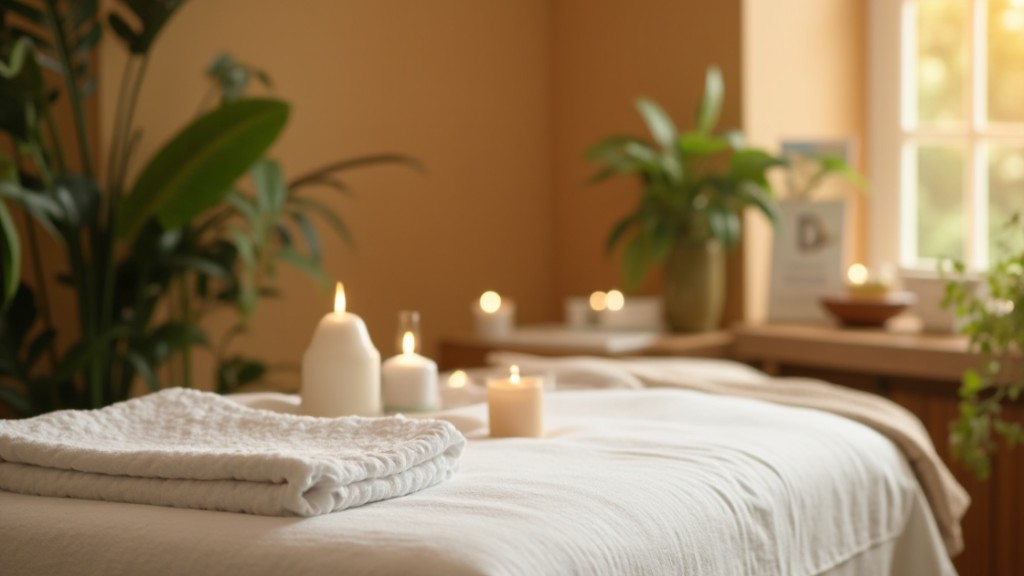
The massage industry offers ample opportunities for small business owners. Recognizing market trends and service types enhances your strategy when starting a massage business.
Market Trends and Opportunities
The demand for wellness services, including massage, continues to rise. Studies indicate that the global massage market is projected to grow to $20.7 billion by 2024. A focus on self-care and stress relief drives this growth. Clients increasingly seek natural solutions for health issues, leading to more interest in alternative therapies. As you consider how to start a business in this field, pay attention to local competition and customer preferences. Identifying a unique selling proposition can set your massage practice apart in a crowded market.
Types of Massage Services
Various massage services cater to different client needs. Consider these popular options:
- Swedish Massage: This widely recognized technique emphasizes relaxation and stress relief, appealing to novice clients.
- Deep Tissue Massage: This option targets deeper muscle layers and suits clients with chronic pain or tension.
- Sports Massage: Athletes benefit from this service, as it focuses on preventing injuries and enhancing performance.
- Aromatherapy Massage: Combining essential oils with massage techniques creates a soothing experience, attracting clients interested in holistic therapy.
- Hot Stone Massage: Heated stones used during the massage provide relaxation and pain relief, appealing to clients seeking unique services.
By understanding the types of massage services available, you can tailor your offerings to meet your target market’s needs and preferences.
Creating a Business Plan

A solid business plan is essential for your massage business startup. It serves as a roadmap defining your direction and detailing the strategies needed for success.
Defining Your Niche
Defining your niche sets your massage business apart from competitors. Identify your target market by considering demographics such as age, gender, and lifestyle preferences. Specialize in services like sports, deep tissue, or prenatal massage to attract specific clientele. Understanding local market demand helps you focus your offerings and become the go-to expert in your niche.
Financial Projections
Financial projections play a crucial role in understanding the viability of your small business. Create realistic estimates for your initial startup costs, such as equipment, rent, and marketing. Include projections for revenues based on expected client volume and pricing strategies. Analyze cash flow and break-even points to assess when your business becomes profitable. Accurate financial projections guide decision-making and attract investors or lenders more effectively.
Legal Requirements and Licenses
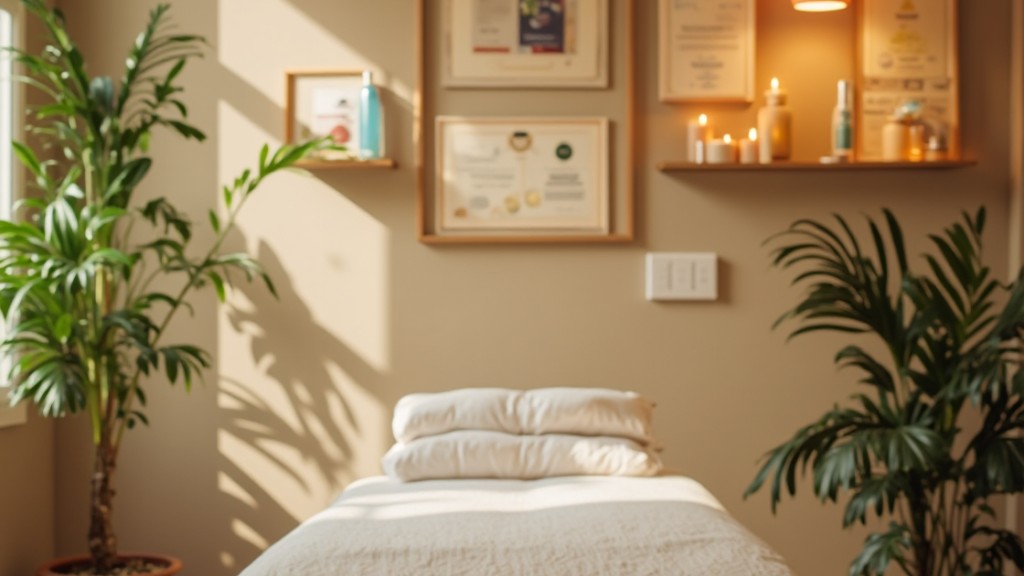
Starting a massage business requires understanding key legal requirements and obtaining necessary licenses. Meeting these requirements ensures compliance and builds credibility in your small business.
State-Specific Licensing
Most states mandate that massage therapists obtain a license to practice legally. Follow these steps to secure your license:
- Complete a massage therapy program at an accredited institution, which typically involves 500-1,000 hours of training. Pass a licensing exam, such as the Massage and Bodywork Licensing Examination (MBLEx).
- Undergo a background check to verify your suitability for practice.
- Renew your license annually, completing any required continuing education hours.
Business Structure Options
Selecting the right business structure is crucial for a startup. Common options include:
- Sole Proprietorship: Simplest form, allowing individual ownership and control.
- Limited Liability Company (LLC): Protects personal assets while offering tax flexibility.
- Partnership: Involves two or more people sharing ownership and responsibilities.
Consider tax implications, liability exposure, and management preferences when choosing the structure for your massage business.
Necessary Permits and Certifications
Aside from a massage therapy license, you must obtain various permits and certifications to operate legally. This includes:
- A business license from your local city or county clerk’s office, critical if you’re operating from home or a commercial space.
- Additional permits related to health and safety standards specific to your location.
Ensuring all necessary licenses and permits are in place protects your business and fosters trust with clients.
Setting Up Your Massage Space
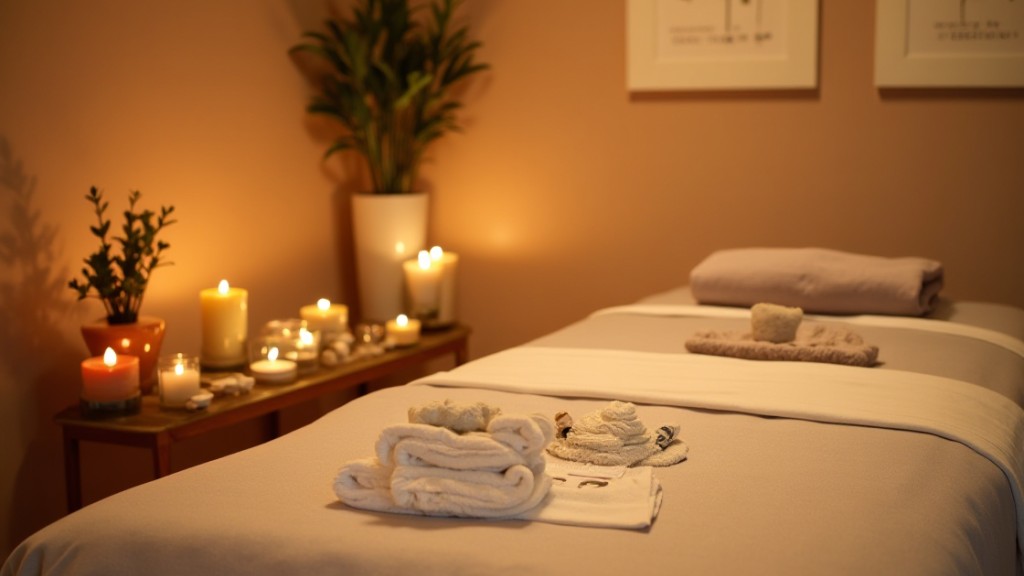
Creating an inviting massage space is crucial for attracting and retaining clients. You’ll focus on choosing the right location and designing an environment that promotes relaxation.
Choosing a Location
Location impacts the success of your small business. Several factors influence your decision:
- Market Demand and Competition: Conduct market research to understand local demand for massage services. Assess the competition to identify gaps in the market. Analyze demographics and the presence of health and therapy services in your desired area.
- Target Audience: Select a location that caters specifically to your target audience. A space near Target attracts corporate clients seeking stress relief.
- Options for Location: Consider various types of spaces. Commercial spaces can range in cost from $90 to $130 per square foot for build-out. Monthly rent typically falls between $2,500 and $8,000.
Designing an Inviting Environment
An inviting environment enhances the client experience. Focus on several elements:
- Color Scheme: Choose calming colors, such as soft blues or greens, to promote relaxation.
- Furniture: Invest in comfortable massage tables and seating to provide quality service and comfort.
- Lighting: Utilize soft, adjustable lighting to create a soothing atmosphere.
- Sound and Aroma: Incorporate soft music and calming scents to enhance the overall experience. Essential oils can contribute positively to the ambiance.
- Cleanliness: Maintain a pristine space. A clean environment establishes trust and encourages repeat visits.
Follow these guidelines to create an effective massage space that positions your small business for success in the wellness market.
Marketing Your Massage Business
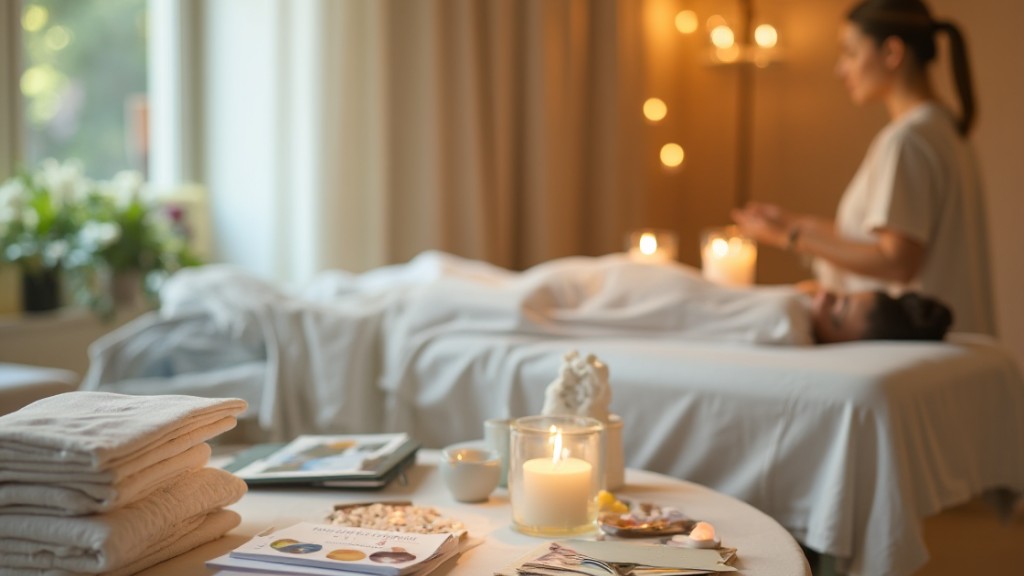
Effective marketing strategies are crucial for your massage business to thrive. Implementing these tactics can help you attract and retain clients.
Building an Online Presence
Establish a professional website showcasing your services, pricing, and booking options. Include informative content, such as blog posts about different massage techniques or wellness tips. Utilize social media platforms like Instagram and Facebook to promote special offers and engage with potential clients. Maintain an active online presence to foster your brand’s credibility and reach a wider audience. Consider utilizing search engine optimization (SEO) techniques to enhance visibility on search engines, ensuring clients find you when searching for massage services in your area.Networking and Local Advertising
Connect with local wellness practitioners, gyms, and health clubs to establish referral partnerships. Attend community events to promote your services and build relationships with potential clients. Consider advertising in local directories or health magazines to increase visibility among your target audience. Distribute flyers or promotional materials in strategic locations frequented by your ideal clientele. Hosting free workshops or offering trial sessions can also draw interest and encourage new clients to experience your services.
Conclusion
Starting your massage business can be an exciting journey filled with opportunities for growth and fulfillment. By focusing on creating a serene environment and understanding your target market, you can set the stage for success.
Remember to leverage effective marketing strategies to build your brand and attract clients. Stay informed about industry trends and continuously refine your services to meet evolving client needs. With dedication and a solid plan, you can transform your passion for massage into a thriving business that not only brings joy to others but also rewards you personally and financially. Embrace the journey ahead and watch your vision come to life.
Frequently Asked Questions
What are the steps to start a massage business?
To start a massage business, obtain necessary certification, create a solid business plan, select a suitable location, and develop effective marketing strategies. It’s also important to identify your niche and target market to differentiate your services from competitors.
How much does it cost to start a massage business?
Startup costs vary widely but generally include expenses for certification, equipment, rental space, marketing, and legal permits. A thorough financial projection will help estimate these costs and plan for initial revenue.
Do I need a license to operate a massage business?
Yes, a state-specific massage therapy license is required. This usually involves completing an accredited program, passing an exam, and undergoing a background check. Research your state’s specific requirements for compliance.
What marketing strategies work best for a massage business?
Effective marketing strategies include building a professional website, engaging on social media, networking with local wellness practitioners, and offering workshops or trial sessions to attract clients. These tactics help increase visibility and establish credibility.
How important is location in starting a massage business?
Location is crucial as it directly impacts client accessibility and retention. Conduct market research to understand local demand and competition, and choose a location that caters to your target audience.
What types of massage services can I offer?
You can offer various massage services, such as Swedish, deep tissue, sports, aromatherapy, and hot stone massages. Tailoring your offerings to meet client preferences can help attract a broader client base.
What should be included in a business plan for a massage practice?
A business plan should include your mission statement, target market analysis, competitive analysis, marketing strategies, financial projections, and operational plans. This roadmap is essential for guiding decisions and attracting investors.
How can I create a relaxing environment for my clients?
Creating a relaxing environment involves choosing calming colors, comfortable furniture, soft lighting, soothing sounds, and pleasant aromas. Maintaining cleanliness and ensuring comfort will help enhance the overall client experience.
Image via Google Gemini