
Key Takeaways

- Understand Industry Trends: Stay informed about consumer preferences for locally sourced and sustainably produced meats to effectively target your product offerings.
- Navigate Regulations: Familiarize yourself with licensing requirements and food safety standards, such as HACCP, to ensure compliance and build trust with customers.
- Create a Comprehensive Business Plan: Clearly define your niche market, operational processes, and marketing strategies to position your meat processing business for growth.
- Set Up an Efficient Facility: Choose a location with adequate space and the necessary equipment to promote safety, efficiency, and compliance with health regulations.
- Source Quality Supplies: Build strong relationships with reliable suppliers who align with your values on sustainability and quality.
- Implement Effective Marketing: Develop a strong brand presence and utilize various marketing strategies to engage your target audience and build a loyal customer base.
Starting a meat processing business can be an exciting venture, especially if you’re passionate about quality food and sustainability. With a growing demand for locally sourced and ethically produced meat, now’s the perfect time to dive into this industry. Whether you’re looking to serve your community or tap into larger markets, understanding the ins and outs of meat processing is crucial for success.
Understanding the Meat Processing Industry

You must grasp the dynamics of the meat processing industry to succeed in your small business startup. Awareness of market trends and regulatory considerations shapes your approach and positions your venture for growth.
Market Trends
Meat consumption shifts towards locally sourced and ethically produced options, reflecting consumer preferences. For instance, a 2022 survey indicated that 63% of consumers favor locally sourced meat.
Notable trends include:
- Sustainable Practices: Businesses adopting eco-friendly practices attract environmentally conscious consumers.
- Value-Added Products: Innovative products, like jerky and packaged meats, can boost revenue.
- Health Awareness: Demand for organic and antibiotic-free meat continues to rise.
Understanding these trends helps target your product offerings effectively.
Regulatory Considerations
Starting a small business in meat processing involves navigating complex regulations. Familiarity with the requirements ensures compliance with federal and state laws. Key considerations include:
- Licensing Requirements: Obtain necessary licenses from local health departments and the USDA.
- Food Safety Standards: Adhere to guidelines, such as HACCP (Hazard Analysis Critical Control Point), to ensure safe processing.
- Labeling Regulations: Follow specific labeling laws to inform consumers about product contents and sources.
Awareness of these regulatory factors helps streamline your operations and maintain customer trust.
Business Planning

Business planning is crucial when starting a meat processing business. Focus on defining your niche and creating a comprehensive business plan to navigate the complexities of the industry.
Defining Your Niche
Identifying your niche is vital for establishing a successful meat processing small business. Determine your target market, which may include livestock producers, wholesalers, retailers, or direct consumers. Analyze consumer preferences, especially the rising demand for organic and locally sourced meats. For instance, a 2022 survey revealed that 63% of consumers favor these products. Explore unique offerings, like specialty cuts or value-added products, to differentiate your startup from competitors.
Creating a Business Plan
Developing a business plan lays the foundation for your meat processing business. Outline your business model, including operational processes and distribution channels. Define your marketing strategy, focusing on trends such as sustainable practices and ethical sourcing. Include financial projections, detailing startup costs and potential revenue. Address regulatory requirements, ensuring compliance with food safety standards, licensing, and labeling regulations. A well-structured business plan increases your chances of attracting investors and facilitating growth in your venture.
Setting Up Your Facility
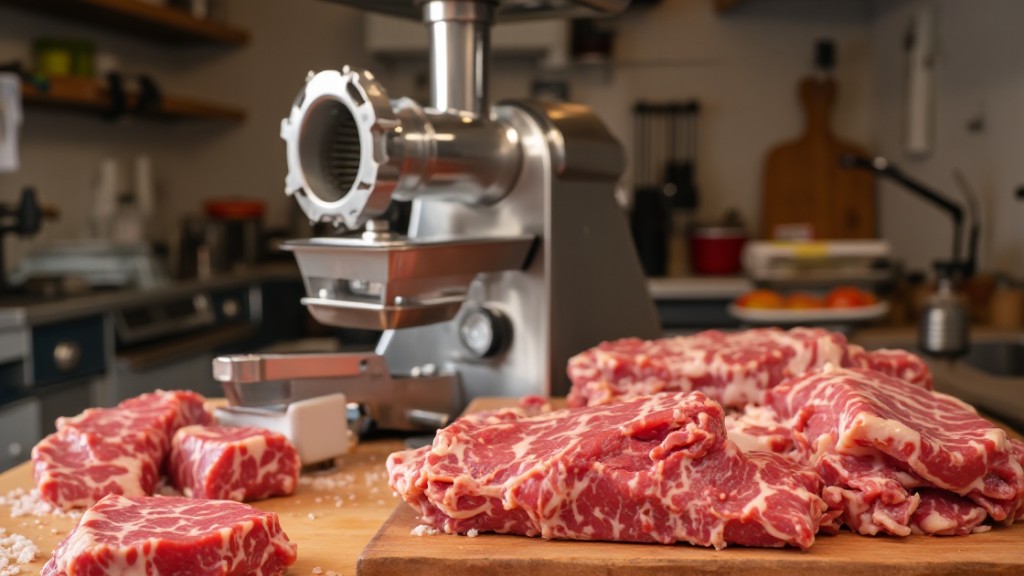
Setting up your facility is a critical step in starting your meat processing business. Focus on safety, efficiency, and compliance with regulations to ensure operational success.
Location and Space Requirements
Choose a location that allows easy access to suppliers and customers. A space of at least 2,500 square feet is typical for small business startups in meat processing. Ensure the facility has separate areas for receiving raw materials, processing, and packaging, minimizing contamination risks. Consider the layout to promote workflow efficiency, which enhances safety and productivity.
Equipment and Technology
Select appropriate equipment for your meat processing facility. Key machinery includes grinders, mixers, slicers, and packaging machines. For small businesses, investing in technology like vacuum sealers can extend product shelf life and meet customer demands for freshness. Implementing temperature control systems is crucial for food safety. Ensure all equipment complies with health and safety standards to avoid costly fines.
Sourcing Supplies
Sourcing supplies is vital for launching your meat processing startup. Focus on finding quality meat suppliers and managing inventory efficiently.
Finding Quality Meat Suppliers
Identify reliable meat suppliers to ensure high-quality products. Collaborate with local farmers or livestock producers who prioritize ethical practices and sustainability. Visit local markets, trade shows, or industry events to establish connections. Use platforms like LocalHarvest or Meat and Poultry to discover suppliers that fit your values. Consider evaluating potential suppliers based on certifications, delivery reliability, and pricing. Building strong relationships with your suppliers can enhance your business’s reputation and product offerings.Inventory Management
Implement effective inventory management strategies to maintain a steady supply chain. Track inventory levels closely to prevent shortages or overstock situations. Use software solutions designed for small businesses like QuickBooks or Square for clear insights into your stock. Organize your inventory by categorizing products based on type and expiration dates. Regularly conduct physical counts and adjust your records accordingly to keep everything accurate. Effective inventory management streamlines operations, minimizes waste, and ultimately supports your business’s growth in the meat processing industry.
Marketing Your Business
Effective marketing strategies play a crucial role in the success of your meat processing startup. Focus on branding, positioning, and building a customer base to establish a strong market presence.
Branding and Positioning
Create a recognizable brand that resonates with your target market. Use clear messaging to communicate your commitment to quality and sustainability. Emphasize what sets your meat processing business apart, such as sourcing from local farmers or producing organic options. Visual elements, like a memorable logo and attractive packaging, contribute to brand recognition. Position your brand effectively by showcasing your unique offerings in your marketing materials and online platforms. Use social media to engage with potential customers directly, sharing your story and values.
Building a Customer Base
Develop a robust customer base to ensure sustainable growth for your small business. Conduct market research to identify your target audience, focusing on preferences for processed meats. Utilize various marketing strategies, including social media advertising, targeted promotions, and local events to reach consumers effectively. Forge partnerships with local retailers and restaurants to expand your distribution channels. Leverage customer feedback to refine your products and services. Establish a loyalty program to encourage repeat business, which can significantly impact your startup’s profitability.
Financial Management
Financial management serves as the backbone of your meat processing business. Focus on planning your budget, estimating startup costs, and controlling operating expenses to ensure sustainability and growth.
Estimating Startup Costs
Estimating startup costs involves identifying all necessary expenditures before launching your small business. Key expenses to consider include:
- Facility Costs: Rental or purchase costs for at least 2,500 square feet of processing space.
- Equipment Purchases: Budget for essential equipment, like grinders, mixers, and packaging machines.
- Licensing and Compliance: Include fees for licenses and permits required to operate legally.
- Labor Costs: Account for salaries and benefits for your workforce during the startup phase.
- Initial Inventory: Allocate funds for procuring raw materials from reliable suppliers.
Creating a detailed startup cost estimate helps you understand your financial needs and prepares you for the initial phase of your business.
Managing Operating Expenses
Managing operating expenses is critical for maintaining a profitable meat processing business. Focus on the following areas:
- Utility Costs: Monitor electricity, water, and gas consumption, considering energy-efficient practices to reduce bills.
- Labor Management: Optimize shift scheduling to align workforce needs with production requirements.
- Supply Chain Efficiency: Negotiate contracts with suppliers to ensure the best prices and consistent quality.
- Waste Reduction: Implement inventory management practices to minimize spoilage and track usage effectively.
By actively managing these aspects, you can enhance operational efficiency and increase profitability in your small business venture.
Conclusion

Starting a meat processing business can be a rewarding venture that taps into the growing demand for quality and ethically sourced products. By understanding the industry dynamics and consumer preferences, you can position your business for success.
Focusing on effective planning and compliance will help you navigate the complexities of regulations and market trends. With the right facility setup, quality suppliers, and strategic marketing, you’ll be well on your way to building a sustainable enterprise.
Embrace the opportunities this industry offers and take the necessary steps to turn your passion for meat processing into a thriving business. Your commitment to quality and sustainability will resonate with customers and set you apart in the marketplace.
Frequently Asked Questions

What is a meat processing business?
A meat processing business involves preparing, packaging, and distributing meat products. These ventures cater to local markets or larger distribution networks, focusing on quality and sustainability to meet consumer demand.
Why is there a growing demand for locally sourced meat?
The growing demand for locally sourced meat stems from consumer preferences for ethically produced products, as highlighted by a 2022 survey showing that 63% of shoppers prefer these options for freshness and support of local farmers.
What are key regulatory considerations for meat processing?
Key regulations include obtaining necessary licenses, adhering to food safety standards, and following labeling requirements. Compliance ensures operational success and builds customer trust in your product.
How do I identify my target market in the meat processing industry?
Identifying your target market involves analyzing consumer preferences and demographics. Consider potential customers like livestock producers, wholesalers, retailers, or end consumers who may prioritize organic and locally sourced meats.
What should I include in my business plan?
A comprehensive business plan should outline your business model, operational processes, distribution channels, marketing strategies, financial projections, and regulatory compliance. This structure is essential for attracting investors and guiding growth.
What is the recommended facility size for a startup?
For small meat processing startups, a facility of at least 2,500 square feet is recommended. This space should allow for efficient workflow and separation of areas to minimize contamination risks.
How can I source supplies for my meat processing business?
Source supplies by connecting with quality local farmers and livestock producers who prioritize ethical practices. Attend local markets or industry events to establish relationships and evaluate suppliers based on certifications and reliability.
What marketing strategies are effective for a meat processing business?
Effective strategies include building a strong brand, conducting market research, utilizing social media, and partnering with local retailers and restaurants. Implementing a loyalty program can also help retain customers and boost sales.How can I effectively manage finances in my meat processing venture?
To manage finances effectively, prepare a budget, estimate startup costs, and control operating expenses. Monitor utility costs, labor management, and waste reduction to enhance profitability and ensure long-term sustainability.
Image via Google Gemini