Key Takeaways
- Conduct Thorough Market Research: Understand local competitors, customer preferences, and industry trends to tailor your mobile bar offerings effectively.
- Create a Solid Business Plan: Define your target audience, unique selling proposition, and financial projections to guide your business strategy and secure funding.
- Obtain Necessary Licenses: Ensure compliance with local regulations by obtaining the required alcohol permits and understanding relevant laws governing mobile bar operations.
- Design an Appealing Mobile Setup: Invest in a visually attractive and functional bar setup that enhances customer experience and reflects your brand identity.
- Select Quality Suppliers and Inventory: Build relationships with trusted suppliers and curate a diverse beverage inventory to cater to various events and client preferences.
- Implement Effective Marketing Strategies: Develop a strong online presence, network within the industry, and utilize social media to promote your mobile bar and attract potential clients.
Are you ready to turn your passion for mixology into a thriving mobile bar business? The growing trend of mobile bars offers a unique opportunity to cater to events like weddings, parties, and corporate gatherings. With the right planning and creativity, you can create an unforgettable experience for your clients while enjoying the freedom of being your own boss.
Starting a mobile bar business isn’t just about serving drinks; it’s about crafting an experience that keeps customers coming back. From selecting a niche to designing your bar setup, every detail counts. Whether you’re a seasoned bartender or a novice enthusiast, this guide will walk you through the essential steps to launch your mobile bar and make your entrepreneurial dreams a reality.
How to Start a Mobile Bar Business

Starting a mobile bar business involves a series of strategic steps. You can create a successful small business by focusing on key areas.
- Conduct Market Research
Research your local market. Identify potential competitors and evaluate their offerings. Understand customer preferences for cocktails, mocktails, and levels of service.
- Create a Business Plan
Develop a detailed business plan. Include your target audience, pricing strategies, and marketing tactics. Define your unique selling proposition to stand out from competitors.
- Choose a Business Structure
Decide on a business structure, such as sole proprietorship, LLC, or corporation. Each structure has different legal and tax implications.
- Obtain Necessary Licenses and Permits
Research local laws concerning mobile alcohol service. Secure required licenses and permits to legally operate your mobile bar. General permits include liquor licenses and business licenses.
-
Design Your Mobile Bar
Design a visually appealing mobile bar setup. Customize your bar based on your target market. Options include a vintage trailer or modern pop-up bar.
- Select Suppliers and Inventory
Choose quality suppliers for alcohol, mixers, and supplies. Build a diverse inventory that caters to various events. Consider offering local and seasonal products.
- Market Your Mobile Bar
Promote your business through various channels. Utilize social media, create a website, and network with event planners. Attend local events to showcase your mobile bar and attract customers.
- Develop Your Menu
Create a menu that offers a variety of beverages. Consider signature drinks or theme-based cocktails. Ensure your menu reflects the clientele’s preferences.
- Set Pricing
Establish competitive pricing structures for your services. Consider factors such as ingredient costs, labor, and market rates. Provide clear pricing options for different event types.
- Launch Your Mobile Bar Business
Prepare for your first event by ensuring all equipment and supplies are ready. Deliver excellent service to create memorable experiences for clients. Collect feedback to improve future operations.
Taking these steps positions you to successfully launch your mobile bar business, leveraging your creativity and expertise in the event industry.
Research and Planning

Research and planning form the foundation of your mobile bar business. Focus on understanding industry trends and defining your goals.
Understand the Mobile Bar Market
Conduct comprehensive market research to grasp the current trends in mobile bars. Observe competition and analyze consumer preferences for beverages and service styles. Leverage online tools and resources including surveys and focus groups to accumulate relevant data. Consult industry associations to gain insights into best practices and regulations impacting small businesses in catering and mobile services.
Identify Your Target Audience
Define your target audience based on demographics and event types. Analyze the preferences of various groups such as brides-to-be, corporate clients, and party hosts. Tailor your marketing strategies to appeal to these segments by identifying specific needs, such as customizable beverage options for events or unique themes for weddings. Recognize that the better you understand your audience, the more effectively you can cater your services.
Define Your Unique Selling Proposition (USP)
Establish your unique selling proposition by differentiating your mobile bar from competitors. Determine what sets you apart, whether it’s a signature cocktail menu, exceptional service, or unique mobile bar design. Focus on highlighting aspects that resonate with your target audience. Emphasizing this USP in your marketing efforts attracts potential clients and creates memorable experiences that enhance brand loyalty.
Legal Requirements
Starting a mobile bar business involves addressing key legal requirements to ensure compliance with local regulations.
Obtain Necessary Licenses and Permits
You must obtain necessary licenses and permits to operate your mobile bar legally. Start by acquiring a liquor license or a similar permit that authorizes the sale of alcohol. This process varies significantly by state. Contact your local government or your state’s Alcoholic Beverage Control (ABC) board to learn the specific licenses and permits required. These typically include alcohol licenses, health or food safety permits, and business registrations.
Understand Local Alcohol Laws
You must understand local alcohol laws that govern mobile bars. Laws regarding alcohol sales vary widely between states and can impact your operations. For example, in Delaware, mobile bars cannot sell alcohol directly. Research your state’s specific regulations regarding mobile bar operations to ensure adherence and avoid potential penalties.
Register Your Business
You must register your business to legally operate within your state. Choose a suitable business structure, such as an LLC or sole proprietorship, and complete the registration process. This step not only legitimizes your mobile bar business but also enables you to apply for necessary permits and licenses.
Business Model Development

Understanding the business model forms the backbone of launching a successful mobile bar business. Concentrating on the following key areas ensures a strong foundation.
Choose Your Bar Concept
Select a bar concept that aligns with your target market. Consider options such as a craft cocktail bar, a beer garden, or a wine tasting experience. Analyze current trends and popular themes in your area. Providing diverse offerings tailored to specific events enhances customer appeal. For instance, a wedding bar featuring signature cocktails can create memorable experiences. Define how your concept stands out from competitors to attract a loyal clientele.
Create a Business Plan
Develop a comprehensive business plan that outlines your mobile bar’s goals and operations. Specify your target audience, including demographics and event types. Include financial projections detailing anticipated revenues and expenses, which assists in securing funding. Clarify whether your business supplies the alcohol or operates as a BYO (Bring Your Own) bar model. Ensure to incorporate marketing strategies for promoting your small business. Regularly update the plan to reflect changes and growth within the mobile bar industry.
Mobile Bar Setup
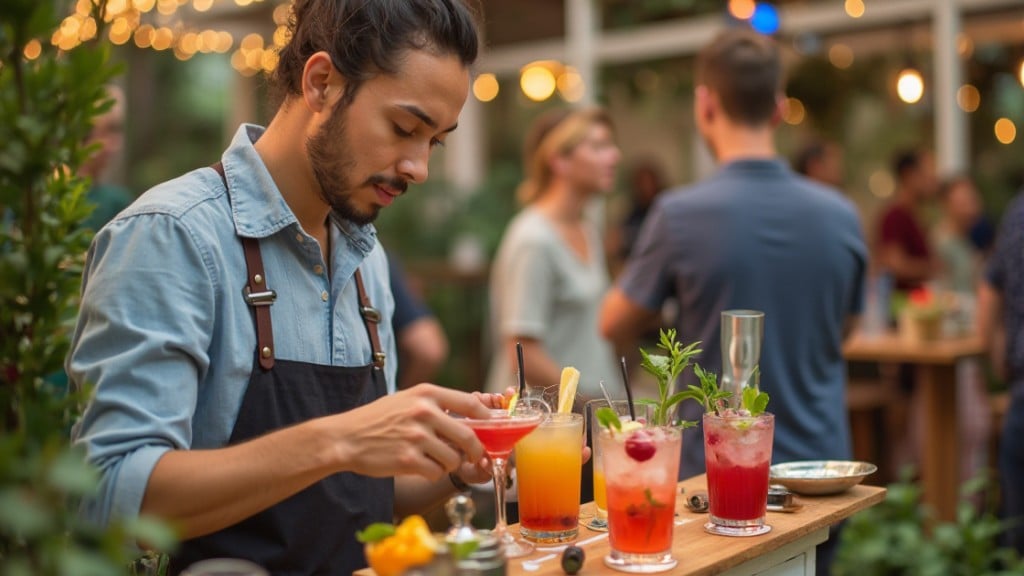
Creating an effective mobile bar setup is crucial for efficient operations and customer satisfaction. You must consider the vehicle or trailer type and design your bar layout to maximize functionality.
Selecting a Vehicle or Trailer
Choose a mobile unit that suits your needs. Options include mobile bar trailers, vans, carts, or converted vintage vehicles. A mobile bar trailer is practical for most operations. Ensure the vehicle allows easy transportation while providing adequate space for bartenders, refrigeration units, and storage. Consider details such as:
- Size: Choose a unit with sufficient space for staff and equipment.
- Mobility: Ensure your vehicle allows for easy movement during events.
- Stability: Confirm the design maintains stability without compromising mobility.
Selecting the right vehicle saves time and improves service delivery during events.
Designing Your Bar Layout
Craft a bar layout that promotes efficiency and enhances the guest experience. Focus on key areas: preparation, display, serving, and payment. Each zone should ensure smooth workflows and minimal bottlenecks. Key considerations include:
- Work Zones: Define areas for preparation and serving to streamline operations.
- Accessibility: Keep pathways clear for customers and staff during busy hours.
- Customer Interaction: Design spaces that allow bartenders to engage with guests effectively.
A well-thought-out layout enhances service speed and customer satisfaction at events, crucial for success in your small business.
Stocking Your Bar
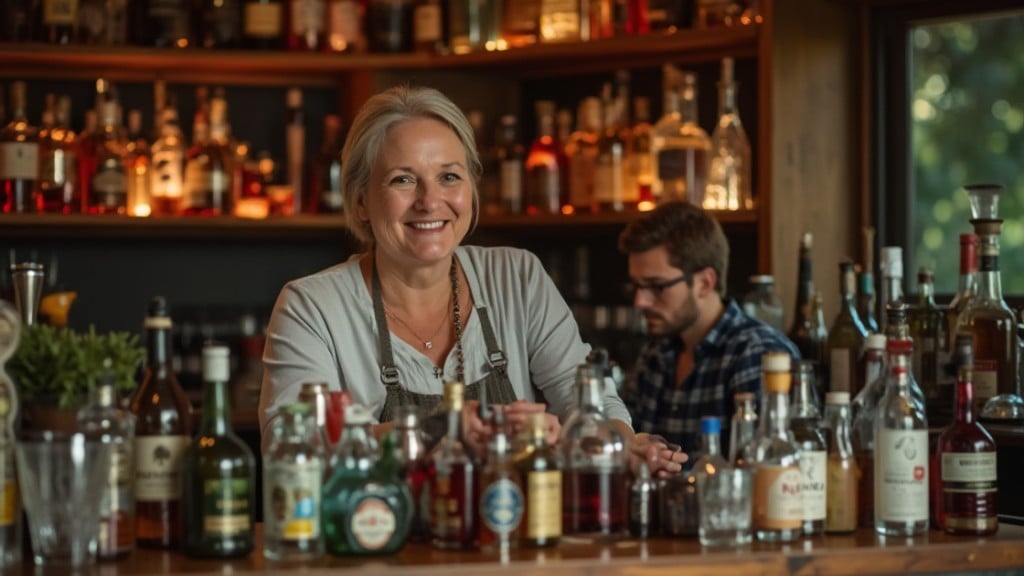
Stocking your bar involves selecting high-quality beverages and sourcing necessary supplies to create an appealing experience for guests.
Choosing Quality Beverages
Focus on a curated selection of high-quality beverages to maintain efficiency and avoid overwhelming guests.
-
Quality Over Quantity: Limit your liquor selection to about five types, such as Vodka, Bourbon, Rum, Gin, and Tequila. This approach enhances service while ensuring diverse options.
- Signature Drinks: Create two to three signature cocktails that reflect your brand and expertise. Signature drinks streamline inventory management and elevate customer experience.
- Seasonal and Theme-Based Selections: Adapt your beverage offerings according to seasonal trends or specific event themes. This keeps options fresh and relevant, attracting a wider audience.
Sourcing Supplies
Sourcing supplies is a critical step in ensuring your mobile bar operates smoothly.
- Reliable Suppliers: Establish relationships with local distributors for fresh ingredients and high-quality spirits. Consistency in supplies is essential for maintaining beverage quality.
- Equipment and Glassware: Invest in professional-grade equipment and durable glassware that meets the demands of mobile service. Consider portable coolers, mixers, and adequate storage solutions.
- Inventory Management: Implement an inventory management system to track stock levels efficiently. Timely reordering prevents shortages during busy events, ensuring seamless service.
By choosing quality beverages and sourcing supplies strategically, your mobile bar will provide exceptional experiences and build a loyal clientele.
Marketing Your Mobile Bar

Effective marketing plays a crucial role in the success of your mobile bar. Focusing on branding, creating an online presence, and utilizing various marketing strategies enhances visibility and attracts customers.
Branding and Logo Development
Create a strong brand identity for your mobile bar. Develop a memorable logo that reflects your brand’s personality and appeals to your target audience. Ensure the logo is adaptable for various uses such as signage, promotional materials, and online platforms. Maintain consistency across all marketing channels, including color schemes, fonts, and messaging. Establishing a recognizable brand increases customer trust and loyalty.
Creating an Online Presence
Build a professional website showcasing your mobile bar services, menu, and event options. Include high-quality images of your setup, unique drink offerings, and testimonials from satisfied clients. Optimize the website with relevant keywords to improve search engine visibility. Maintain active social media profiles on platforms like Instagram and Facebook to share engaging content. Interacting with potential customers through posts, stories, and live events fosters connection and encourages inquiries.Networking and Partnerships

Forming strategic partnerships and networking plays a vital role in launching a successful mobile bar business. These connections enhance visibility, foster growth, and lead to client bookings.
- Attend Industry Events: Engage in industry conferences and workshops. Participating in these gatherings allows you to showcase your mobile bar services. Learning from industry leaders enhances your understanding of emerging trends and best practices in event services and mixology. Social Media Presence: Create a robust presence on platforms like Facebook, Instagram, and TikTok. Sharing valuable and entertaining content helps you reach a wider audience. Prioritize engagement with potential clients by responding to inquiries and joining relevant discussions.
- Expos & Networking Events: Visit wedding expos and similar networking events to connect with potential clients. Prepare a strategy for collecting contact information from interested leads. Following up effectively with these contacts increases the likelihood of securing future bookings.
These networking strategies provide essential opportunities for small business growth. By prioritizing relationship building, you set a strong foundation for your mobile bar business.
Operations and Management

Operations and management are crucial elements for running a successful mobile bar business. Focus on key areas including staffing, inventory management, and customer service.
Staffing Your Mobile Bar
- Hire skilled bartenders with experience in mixology and customer service. Qualified employees enhance the guest experience and contribute to positive reviews.
- Ensure staff members hold necessary certifications for alcohol service. Local regulations may require bartenders to complete responsible service training.
- Train staff on company policies and drink preparation techniques. Proper training promotes consistency in service and product quality.
Efficient Inventory Management
- Implement a tracking system for inventory to monitor stock levels accurately. Effective tracking allows for timely reordering and reduces waste.
- Stock a limited selection of high-quality products, approximately five types of liquors, to streamline operations. Focusing on fewer options can simplify service while maintaining variety.
- Categorize inventory based on popularity and usage. This organization supports quicker access during events and improves overall efficiency.
Customer Service Best Practices
- Create a welcoming atmosphere to enhance client experiences. Friendly, attentive service contributes to customer satisfaction and repeat business.
- Establish a feedback mechanism to gather customer opinions. Utilize surveys or comment cards to identify areas for improvement.
- Respond promptly to inquiries and bookings to foster positive relationships. Regular communication strengthens client trust and encourages referrals.
Troubleshooting Common Issues
Starting a mobile bar business involves navigating potential challenges. Understanding how to address these common issues significantly contributes to smoother operations.
Handling Licensing Delays
Resolve licensing delays promptly by maintaining open communication with local authorities. Prioritize documentation by double-checking completeness and accuracy. Keep copies of all submissions and receipts for tracking progress. If delays persist contact your local Alcoholic Beverage Control (ABC) board for updates.Dealing with Equipment Failures
Address equipment failures swiftly to minimize impact on service. Create a maintenance schedule for all equipment to prevent breakdowns. Train staff on basic troubleshooting to resolve minor issues on-site. Establish relationships with local repair services for quick access when professional help is necessary.
Managing Weather-Related Challenges
Prepare for weather-related challenges with flexible planning. Invest in weather-resistant equipment and covering options to protect your setup. Monitor forecasts regularly and adjust scheduling if severe conditions are expected. Offer alternatives such as indoor locations or specialized services for rainy days to maintain client satisfaction.
Conclusion

Starting a mobile bar business is an exciting venture that combines creativity with entrepreneurship. By focusing on thorough planning and understanding your market, you can carve out a niche that stands out. Remember to prioritize legal compliance and develop a solid business model to ensure long-term success.
Your branding and marketing strategies play a crucial role in attracting clients, so invest time in building a strong online presence and engaging with your audience. Network actively within the industry to create valuable connections that can elevate your business.
With dedication and a commitment to quality service, you can create memorable experiences for your clients and thrive in the mobile bar industry. Embrace the journey ahead, and let your passion for mixology shine through in every event you cater.
Frequently Asked Questions
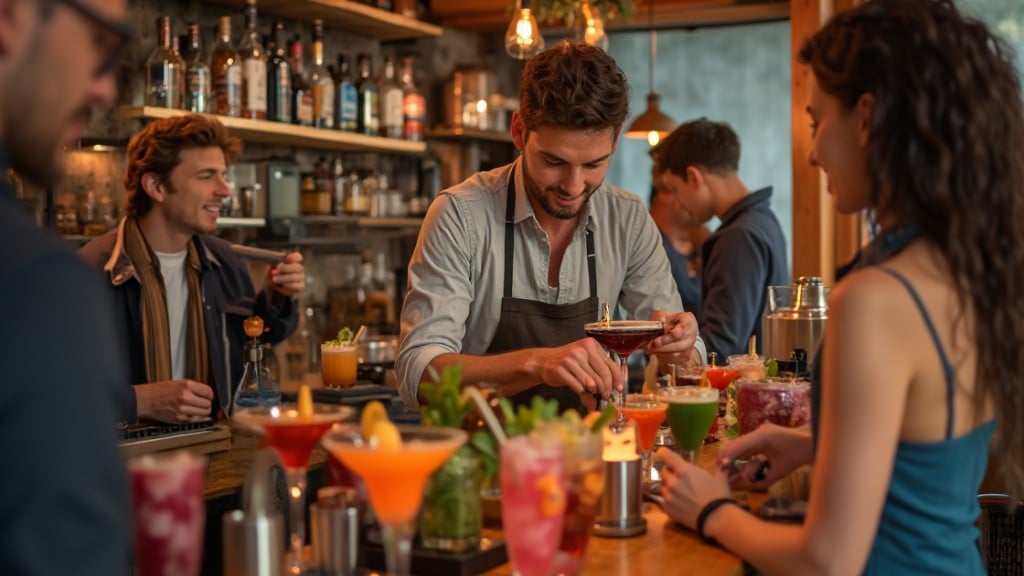
1. What is a mobile bar business?
A mobile bar business provides beverage services at events by setting up bars in various locations. It caters to parties, weddings, and corporate gatherings, offering flexibility and unique experiences.
2. How do I start a mobile bar business?
To start a mobile bar business, conduct market research, create a detailed business plan, register your business, obtain necessary licenses, and design an appealing bar setup.
3. What licenses do I need for a mobile bar?
Licenses vary by state but typically include a liquor license and a business operating permit. Check with your local government and Alcoholic Beverage Control board for specific requirements.4. How can I create a diverse beverage menu?
Limit your liquor selection to about five types for efficiency, include seasonal trends, and offer signature cocktails that resonate with your brand and clientele.
5. Why is market research important for a mobile bar?
Market research helps you understand competitors, identify customer preferences, and define your target audience, all essential for developing a successful mobile bar business.
6. How can I effectively market my mobile bar?
Create a strong brand identity, maintain an active online presence, and engage with potential clients on social media. Networking and attending industry events can also enhance visibility.
7. What are some operational tips for running a mobile bar?
Hire skilled bartenders, implement efficient inventory management, and prioritize customer service to ensure high-quality experiences and foster positive client relationships.
8. How can I troubleshoot common issues in a mobile bar business?
Maintain open communication with authorities for licensing issues, create maintenance schedules for equipment, and have contingency plans for weather-related challenges to ensure smooth operations.
Image via Google Gemini