Key Takeaways
- Research Breeds: Choose the right rabbit breeds based on your goals, whether for meat, fur, or pets, with popular options including New Zealand, California, and Flemish Giant.
- Create a Business Plan: Develop a detailed business plan outlining objectives, target markets, financial projections, and startup costs to guide your rabbit farming journey.
- Proper Housing and Care: Ensure your rabbits have suitable housing that offers protection and ventiilation; establish daily care routines for feeding and health monitoring.
- Nutrition Matters: Provide a balanced diet of hay, pellets, and vegetables to maintain rabbit health and optimize growth.
- Implement Marketing Strategies: Use social media and local markets to effectively reach your target audience and build awareness for your rabbit farming products.
- Stay Compliant and Educated: Understand local regulations regarding rabbit farming and stay updated on health management practices to ensure a thriving farm.
Starting a rabbit farm can be an exciting venture that combines passion with profit. Whether you’re looking to raise rabbits for meat, fur, or as pets, understanding the basics is essential. With their rapid reproduction rates and relatively low maintenance needs, rabbits can be a rewarding addition to your agricultural pursuits.
In this guide, you’ll discover the key steps to launching your own rabbit farm. From choosing the right breed to setting up a suitable environment, you’ll learn how to create a thriving space for your bunnies. Get ready to hop into the world of rabbit farming and unlock the potential of this charming enterprise.
How to Start a Rabbit Farm

Starting a rabbit farm involves several key steps. Follow these steps to create a successful small business.
- Research breeds: Investigate various rabbit breeds. Choose breeds suitable for your goals, such as meat production, fur, or pets. Popular breeds include New Zealand, California, and Flemish Giant.
- Create a business plan: Draft a business plan outlining your objectives, target market, and financial projections. Include startup costs and potential profit margins in your plan.
- Select a location: Choose an appropriate location for your farm. Ensure access to utilities and adequate shelter. Consider space for housing, breeding, and future expansion.
- Build proper housing: Construct rabbit housing that protects against weather extremes and predators. Cages should allow for proper ventilation, sanitation, and easy access for feeding and cleaning.
- Establish breeding pairs: Purchase healthy breeding pairs from reputable sources. Focus on genetic quality for health and productivity. Each pair can produce multiple offspring per year, increasing your farm’s capacity.
- Set up feeding protocols: Provide a balanced diet for your rabbits. Include hay, pellets, and fresh vegetables. Determine feeding schedules and monitor weight to ensure optimal growth.
- Implement care routines: Schedule daily tasks, including feeding, cleaning, and health monitoring. Regular health checks help catch illnesses early, ensuring the well-being of your rabbits.
- Market your rabbits: Develop a marketing strategy to sell rabbits. Use social media, local markets, or online platforms to reach potential buyers. Highlight the benefits of your farm and the quality of your rabbits.
- Maintain records: Keep detailed records of breeding, health, and sales. Track expenses and income to evaluate the success of your small business. Understanding your financial standing is crucial for growth.
- Adapt and grow: Continuously assess your farm’s operations. Be open to making adjustments based on market trends and customer feedback. Focus on improving efficiency, quality, and profitability.
Understanding Rabbit Farming
Understanding rabbit farming involves recognizing its advantages and the types of rabbits ideal for your small business.
Benefits of Rabbit Farming
Rabbit farming offers numerous advantages: low startup costs, rapid reproduction rates, and diverse market opportunities. Rabbits can provide meat, fur, and the potential for breeding stock. With a short gestation period of approximately 31 days, does can produce multiple litters yearly. This efficiency allows for quick returns on investment. Additionally, rabbit meat provides a lean protein source that is increasingly popular among health-conscious consumers. The overall maintenance requirements are minimal compared to other livestock, making this farming venture manageable for beginners.
Types of Rabbits for Farming
Choose the right types of rabbits based on your farming goals: Meat rabbits include breeds such as New Zealand Whites and California rabbits, which grow quickly and attain market weight within 10 to 12 weeks. For fur production, American Fuzzy Lop and Rex rabbits offer high-quality pelts. If breeding stock interests you, consider the Mini Rex or Flemish Giant for their unique traits. Each breed possesses distinct characteristics suited for different purposes. Assessing your target market helps guide your breed selection for optimal profitability in your small business.Planning Your Rabbit Farm
Effective planning forms the foundation of your rabbit farming endeavor. Focus on crucial aspects such as location, business operations, and compliance with regulations to establish a successful small business.
Selecting a Suitable Location
Choose a location that accommodates your rabbitry’s needs. Ensure the site has access to water and utilities. Evaluate proximity to markets for selling rabbit products. Opt for level ground that is well-drained to prevent flooding. Protect the rabbits from extreme weather conditions with proper shelter. Select an area that minimizes potential disturbances from noise or predators.
Creating a Business Plan
Draft a comprehensive business plan that outlines your rabbit farming goals. Include sections that detail production objectives, target markets, and financial projections. Specify types of rabbits you plan to raise, such as meat, fur, or breeding stock. Allocate budget for initial investments in equipment, housing, and feed. Analyze potential profits by estimating production rates and sales prices. Update your plan regularly to reflect market conditions and operational changes.
Researching Local Regulations
Research local regulations that pertain to rabbit farming. Understand zoning laws affecting livestock operations. Investigate health and safety standards for animal care. Explore licensing requirements for selling rabbit products. Complying with local regulations promotes successful operation while minimizing legal complications.
Materials and Tools Needed
Establishing a successful rabbit farm requires essential materials and tools that support the health and productivity of your rabbits. Focus on key elements for housing, feeding, and healthcare.
Housing Requirements
- Cages or Hutches: Obtain cages or hutches specifically designed for rabbits. Standard dimensions include 30 inches wide, 30 inches deep, and 20 inches high for mature bucks and does. For a starter setup, consider 30×30 buck cages and 30×36 doe cages.
- Nest Boxes: If breeding rabbits, nest boxes are necessary for does, typically required by 28 days after breeding.
- Rest Mats and Bedding: Choose sturdy rest mats and appropriate bedding materials to keep rabbits comfortable and clean. Stackable Cage Frame Kits and Drop Pans: Use stackable cage frame kits with drop pans for efficient management of multiple cages.
Feeding Supplies
- Feed Vessels: Equip your farm with “J” style feeders that provide easy access to food.
- Water Vessels: Drinkers can be either bottles or dishes, ensuring fresh water always remains available.
- Hay Racks: Hay racks serve as optional accessories but are recommended for providing hay, an essential part of a rabbit’s diet.
Healthcare Essentials
- First Aid Supplies: Stock first aid items, such as antiseptic wipes, bandages, and wound ointment, for basic healthcare needs.
- Medication: Keep essential medications and supplements on hand to address common health issues.
- Health Records System: Develop a system to maintain health records for monitoring vaccinations and treatments, ensuring your rabbits stay healthy.
Implementing these materials and tools supports effective management of a small business as you start your rabbit farm.
Setting Up Your Rabbitry
Setting up your rabbitry involves careful planning and execution to ensure optimal conditions for your rabbits. Focus on the following key areas to create a productive environment.
Designing Rabbit Pens
Design rabbit pens with sufficient space for movement and comfort. Allocate at least 4 square feet per rabbit in housing; larger breeds may require more. Use solid floors to reduce waste accumulation. Incorporate removable trays for easy cleaning. Ensure pens have adequate ventilation to prevent moisture buildup and provide a comfortable living environment.
Providing Ventilation and Temperature Control
Provide effective ventilation to maintain optimum air quality within the rabbitry. Install windows or exhaust fans to facilitate airflow. Monitor temperature carefully, aiming for a range of 60°F to 70°F. Implement shading measures to protect against direct sunlight. In colder months, provide bedding and windbreaks to keep rabbits warm, ensuring a stable and controlled temperature.
Implementing Proper Lighting
Implement proper lighting to simulate natural day and night cycles. Use fluorescent or LED lights for efficiency, ensuring pens receive at least 14 hours of light daily during the breeding season. Avoid direct glare; consider using shaded fixtures to create a softer light environment. Limit exposure to extreme darkness to prevent stress, promoting well-being and productivity among your rabbits.
Choosing the Right Rabbit Breeds
Selecting the right rabbit breeds serves as a critical step in launching a successful rabbit farm. Your choice influences production goals, market appeal, and business profitability.
Meat Breeds vs. Specialty Breeds
For meat production, focus on breeds known for their growth rate and meat quality. Consider the following:
- New Zealand White: Recognized for fast growth rates and large size, ideal for meat production.
- Californian: Similar to New Zealand Whites, valued for rapid growth and significant meat yield.
- Silver Fox: A medium to medium-large breed, appreciated for its growth rates and meat quality.
For fur and other specialty products, explore these breeds:
- Rex: Highly sought after for its plush, dense fur, making it perfect for fur production.
Understanding the differences between meat and specialty breeds facilitates informed decisions based on your specific farming goals.
Assessing Market Demand
Evaluating market demand is essential for ensuring profitability in your small business. Research consumer preferences and trends within your target region. Identify which rabbit products—meat or fur—command higher prices. Analyze local competition and potential sales channels, such as farmers’ markets or online platforms. By assessing market demand, you align your breed selection with effective marketing strategies, enhancing overall business success.
Breeding Rabbits

Breeding rabbits requires careful planning and understanding of specific processes. Prioritizing these factors ensures successful reproduction and optimal farm productivity.
Setting Up a Breeding Schedule
Establish a systematic breeding schedule for your rabbits to optimize production. Consider the breeding cycle of rabbits, which includes multiple litter opportunities throughout the year. Space breedings to allow does to recover adequately between litters, typically every 30-45 days. Monitor each doe’s health and ensure she maintains proper body condition before mating again.
Understanding Rabbit Gestation
Comprehend rabbit gestation to manage breeding effectively. The average gestation period for rabbits lasts approximately 28-32 days. Anticipate the birth of kits around this timeframe after successful mating. Use this knowledge to prepare living arrangements for the does and kits to ensure proper care and safety during the birthing process.
Caring for Pregnant and Nursing Does
Prioritize the care of pregnant and nursing does to enhance the survival of kits. Provide does with a balanced diet that consists of high-quality hay, fresh vegetables, and pellets during pregnancy and lactation. Ensure access to clean water at all times. Create a comfortable nesting area with enough space and bedding material, like straw, to facilitate proper birthing and nursing. Monitor the health of both the doe and kits regularly to ensure their well-being.
Feeding Your Rabbits
Understanding the nutritional needs of rabbits is crucial for maintaining their health and ensuring productivity.
Nutritional Needs
Rabbits require specific nutrients to thrive.
- Protein: Aim for 12% total protein for maintenance and 16% for growth.
- Fat: Provide 1.5-2% fat for maintenance and 2-4% during growth phases.
- Fiber: Ensure a high fiber content, between 14-20% for maintenance and 14-16% for growth.
Vitamins and minerals also play a significant role. Maintain levels of vitamin A between 5,000 IU/kg and 75,000 IU/kg to prevent health issues such as abortion, resorbed litters, and fetal hydrocephalus.
Types of Rabbit Feed
Choose the appropriate feed types based on your rabbits’ age and purpose.
- Pelleted Feed: Contains balanced nutrients tailored to meet rabbits’ dietary needs.
- Hay: Use high-quality hay like timothy or alfalfa for fiber and to support digestive health.
- Fresh Vegetables: Incorporate leafy greens and vegetables like bok choy and romaine lettuce in moderation.
Combining these feed types ensures a well-rounded diet for your rabbits.
Tips for Feeding
Implement effective feeding strategies to promote optimal growth and health.
- Routine Feeding: Establish a consistent feeding schedule to regulate food intake and habits.
- Fresh Water: Ensure access to clean, fresh water daily to promote hydration.
- Avoid Overfeeding: Monitor portion sizes to prevent obesity and associated health problems.
- Observe Preferences: Pay attention to individual rabbit preferences to encourage eating habits.
Following these guidelines provides a solid foundation for your small business focused on rabbit farming, ensuring the success of your venture.
Health and Care Management

Health and care management plays a vital role in starting a rabbit farm. Understanding common rabbit diseases and implementing preventative healthcare practices ensure your rabbits thrive.
Common Rabbit Diseases
Recognize common rabbit diseases to protect your investment. Familiar illnesses include:
- Myxomatosis: A viral disease that causes swelling and can lead to death. Vaccination offers protection.
- Rabbit Hemorrhagic Disease (RHD): A highly contagious and fatal virus. Vaccination is critical for prevention.
- Pasturella: An infection resulting in respiratory issues. Maintain clean living conditions to reduce risk.
- Coccidiosis: A parasitic infection affecting the intestinal tract. Proper sanitation significantly lowers exposure.
Preventative Healthcare Practices
Implement effective preventative healthcare practices to maintain rabbit health. Follow these guidelines:
- Vaccination: Vaccinate rabbits according to veterinarian recommendations to prevent diseases.
- Regular Health Checks: Conduct weekly examinations to monitor for signs of illness, such as lethargy or abnormal feces.
- Maintain Cleanliness: Clean cages and living areas daily to minimize disease transmission. Use an all-metal cage system to promote sanitation.
- Balanced Diet: Provide a proper diet, including hay, fresh vegetables, and high-fiber pellets, to support immune function.
- Hydration: Ensure access to clean, fresh water at all times to promote overall health.
Adhering to these health management practices positions your rabbit farm for success within the small business sector.
Marketing Your Rabbit Farm
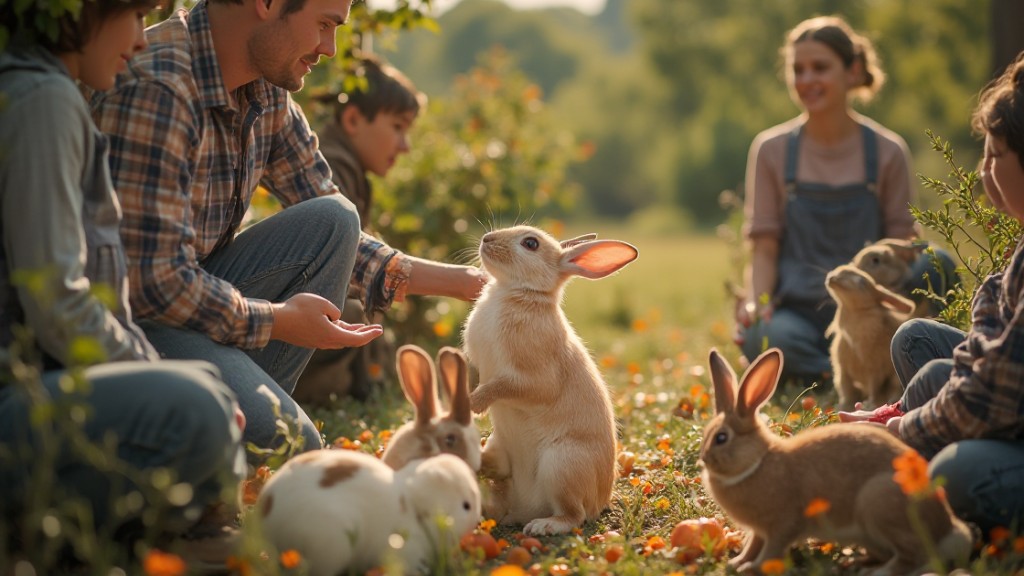
Effective marketing strategies contribute to your rabbit farm’s success by reaching potential customers and driving sales. Understanding the target market and leveraging online platforms form the foundation of this process.
Identifying Your Target Market
Identify your target market to focus your marketing efforts effectively. Consider groups such as health-conscious consumers, restaurants, fur traders, and individual buyers. Analyze demographics such as age, income levels, and dietary preferences. For instance, consumers seeking lean, high-protein meat often show strong interest in rabbit meat. Additionally, fur traders may prioritize specific breeds renowned for quality pelts. Tailoring your messaging to these segments enhances the effectiveness of your marketing strategy.
Utilizing Social Media
Utilize social media platforms to reach a broader audience and engage directly with potential customers. Create accounts on platforms like Instagram and Facebook to showcase your rabbits and products. Post high-quality images and informative content addressing rabbit care, breeding tips, and recipe ideas. Engage with your audience through regular posts and comments. Leverage targeted advertisements on social media to reach interested buyers effectively. For instance, a targeted Facebook ad can generate leads from users in your locality interested in sustainable, local food sources.Setting Up a Selling Platform
Set up a selling platform to streamline your sales process and connect with customers directly. Options include creating an e-commerce website or utilizing existing platforms such as Etsy or local farmer’s markets. Ensure your selling platform displays clear product descriptions, high-quality images, and pricing information. Implement a user-friendly checkout experience, enabling customers to order seamlessly. Additionally, consider integrating an email marketing system to send newsletters with promotions and updates to keep your audience engaged and informed.Troubleshooting Common Issues
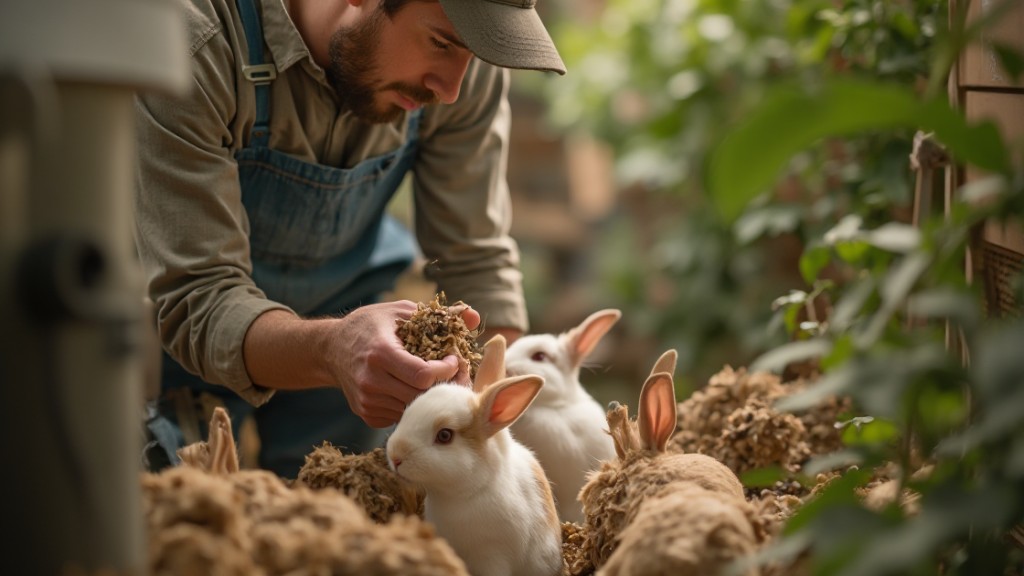
Addressing common issues in rabbit farming ensures smooth operation and enhances productivity. Consider the following strategies for effective management.
Handling Aggressive Behavior
Identify signs of aggression among rabbits, such as growling, biting, or excessive chasing. Providing adequate space is crucial; overcrowded conditions often lead to territorial disputes. Introducing rabbits gradually helps reduce stress and aggression, allowing them to acclimatize. Separating aggressive individuals temporarily can prevent injury and maintain harmony within the group.
Managing Overpopulation
Monitor the rabbit population frequently. An increase in numbers may lead to issues with housing and feeding. Implementing a controlled breeding program allows you to manage population growth effectively. Utilizing sexing techniques when acquiring rabbits ensures you do not unintentionally raise large litters. Establishing a culling plan for less productive or unhealthy rabbits helps maintain a sustainable farm.
Addressing Health Problems
Stay vigilant regarding the health of your rabbits. Common ailments include Myxomatosis and Rabbit Hemorrhagic Disease (RHD). Vaccinating your rabbits against these diseases is essential as part of preventive care. Observing changes in appetite, behavior, or physical condition provides early indications of health issues. Creating a health records system helps in tracking symptoms and effectiveness of treatment.
Conclusion
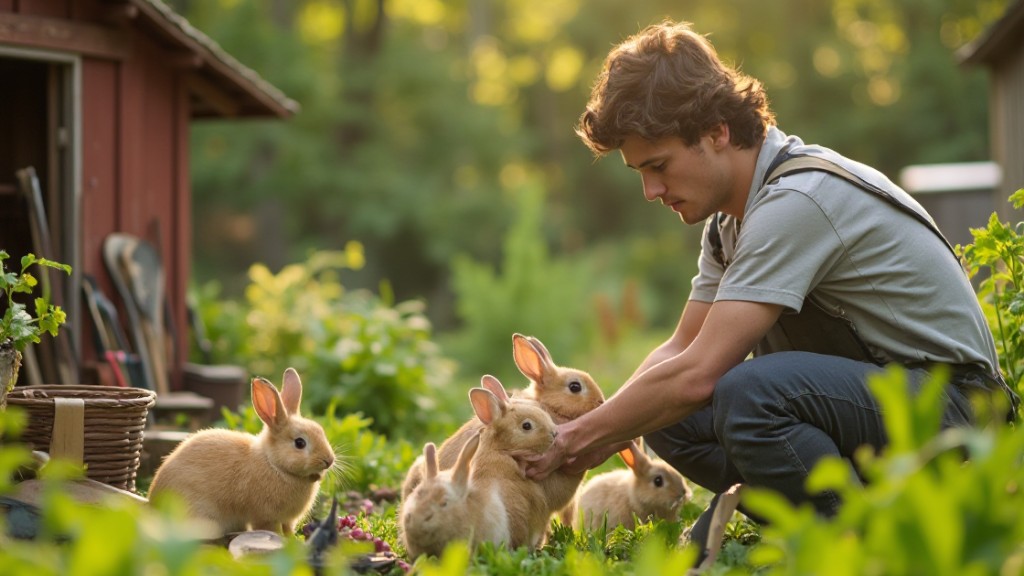
Starting a rabbit farm can be a fulfilling and profitable endeavor. By following the essential steps outlined in this guide, you can create a thriving business that aligns with your goals. Focus on selecting the right breeds and establishing a solid foundation with proper housing and care routines.
Stay adaptable to market trends and consumer preferences to maximize your success. With dedication and careful planning, you can turn your passion for rabbits into a rewarding venture. Embrace the journey ahead and enjoy the many benefits that rabbit farming has to offer.
Frequently Asked Questions
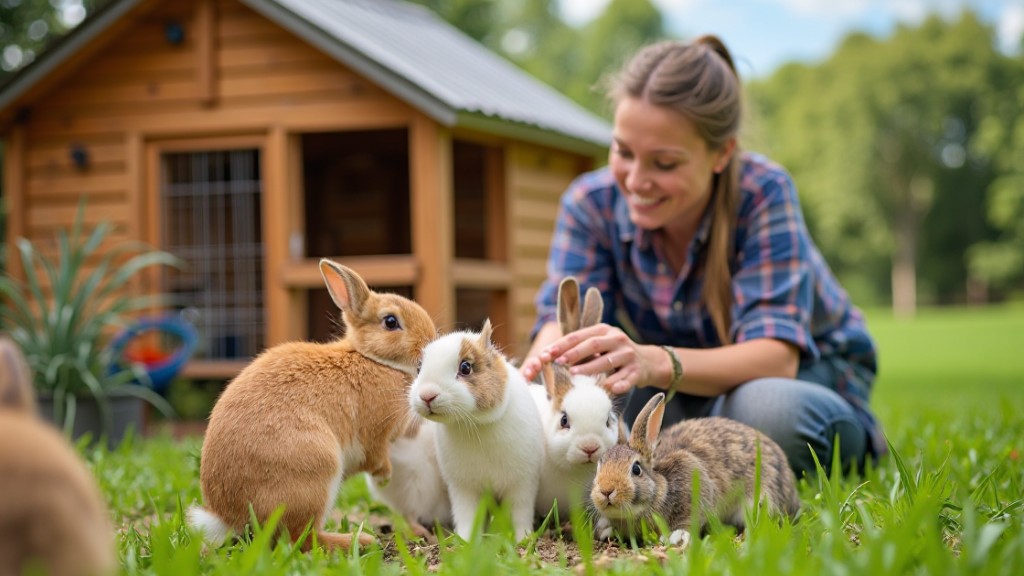
What are the benefits of starting a rabbit farm?
Starting a rabbit farm offers low startup costs, rapid reproduction rates, and diverse market opportunities. Rabbits can be raised for meat, fur, or as pets, making them a versatile option for farmers.
How do I choose the right rabbit breed?
Select a breed based on your farming goals. For meat, consider New Zealand Whites or California rabbits. For fur, breeds like Rex and American Fuzzy Lop are recommended. Research market demand to align your choices for profitability.What basic equipment do I need for a rabbit farm?
Essential equipment includes housing (cages or hutches), feeding tools (like “J” style feeders), watering systems, and healthcare supplies (first aid kits, medications). Ensure rabbit homes provide comfort and safety from predators and weather.
How do I create a suitable environment for rabbits?
Design rabbit pens with adequate space, effective ventilation, and proper lighting. Floors should be solid for cleanliness. Ensure easy access to fresh water and food while protecting rabbits from extreme weather conditions.
What is the rabbit gestation period?
The rabbit gestation period typically lasts around 28 to 32 days. Preparing a clean and comfortable nesting area for does before they give birth is crucial for the survival of their kits.
How should I feed my rabbits?
Rabbits need a balanced diet, including pellets, hay, and fresh vegetables. Establish a feeding routine, provide constant access to clean water, and monitor portion sizes to prevent obesity and encourage healthy eating habits.
What are common health issues in rabbits?
Common health issues include Myxomatosis, Rabbit Hemorrhagic Disease (RHD), and Coccidiosis. Preventative care, such as regular vaccinations and health checks, is vital to maintain their health and prevent disease spread.
How can I effectively market my rabbit farm?
Identify your target market, which may include health-conscious consumers or local restaurants. Utilize social media for engagement and consider creating an online store or participating in local farmers’ markets to boost visibility and sales.
What should I include in a rabbit farming business plan?
Your business plan should outline production goals, target markets, financial projections, and legal considerations. Include strategies for breeding, feeding, and marketing to ensure a comprehensive approach to your rabbit farming venture.
How do I manage rabbit population and prevent overpopulation?
Control breeding by closely monitoring health and conditions. Implement sexing techniques and create a culling plan for less productive rabbits. This helps maintain a healthy population and ensure efficient resource management.
Image via Google Gemini