Key Takeaways
- Growing Market Demand: The seafood boil market is experiencing steady growth, fueled by consumer interest in unique and flavorful dining experiences.
- Niche Identification: Defining your niche is crucial for standing out; consider specializing in local seafood, unique seasonings, or interactive dining experiences that attract your target audience.
- Strategic Business Planning: A well-structured business plan outlining market analysis, funding needs, and compliance with health regulations lays a strong foundation for your seafood boil business.
- Quality Ingredient Sourcing: Building relationships with local seafood suppliers ensures fresh, high-quality ingredients, essential for customer satisfaction and repeat business.
- Effective Marketing Techniques: Utilize social media and branding to create a compelling business presence, showcasing your unique offerings and engaging with potential customers.
- Staff Training and Compliance: Hire experienced staff and prioritize training in food safety and customer service to ensure smooth operations and compliance with health regulations.
If you’ve ever savored the mouthwatering flavors of a seafood boil, you know it’s more than just a meal—it’s an experience. With the growing popularity of this culinary delight, starting your own seafood boil business could be a lucrative venture. Imagine bringing together families and friends around a table filled with fresh shrimp, crab, and flavorful spices.
The seafood boil market is ripe for innovation, and you have the chance to carve out your niche. Whether you want to set up a food truck or a brick-and-mortar restaurant, understanding the essentials of this business will set you on the path to success. Get ready to dive into the exciting world of seafood boils and discover how you can turn your passion for cooking into a thriving business.
Understanding the Seafood Boil Business
Starting a seafood boil business taps into the rising demand for unique dining experiences. This cuisine attracts gatherings, making it an appealing option for entrepreneurs.
Overview of Seafood Boil
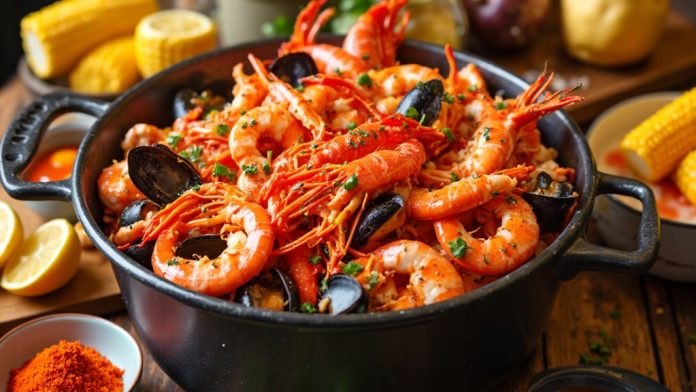
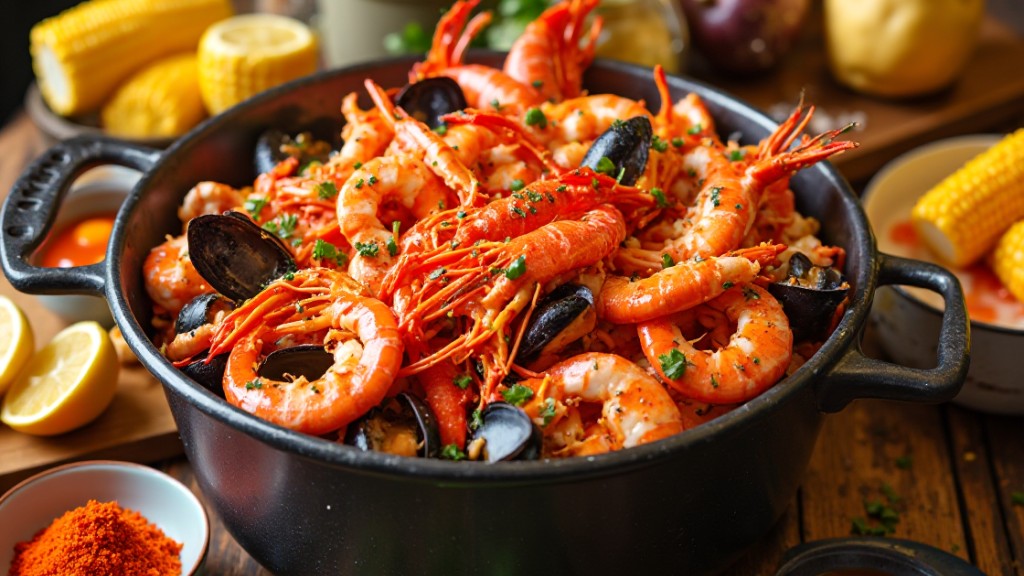
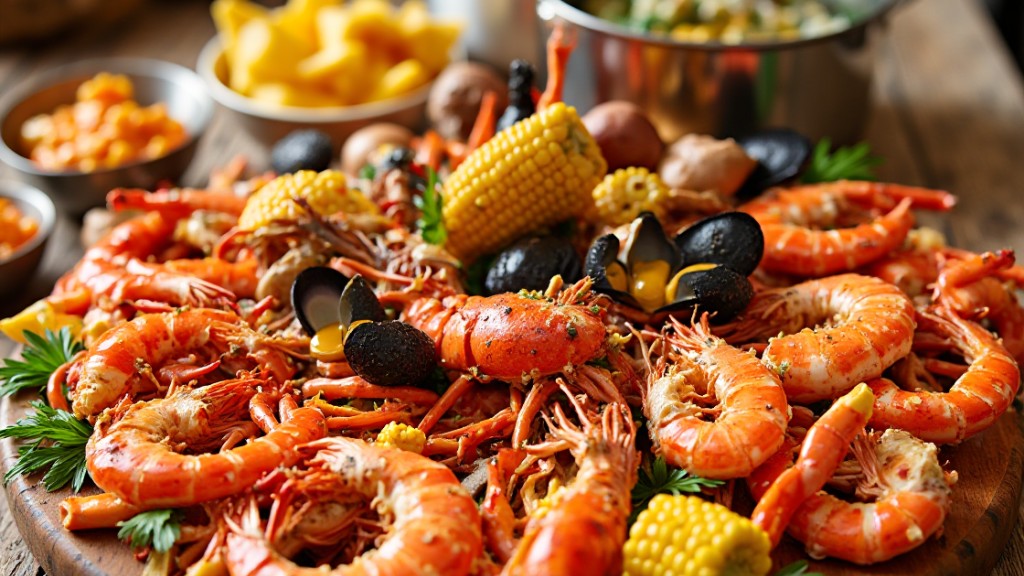
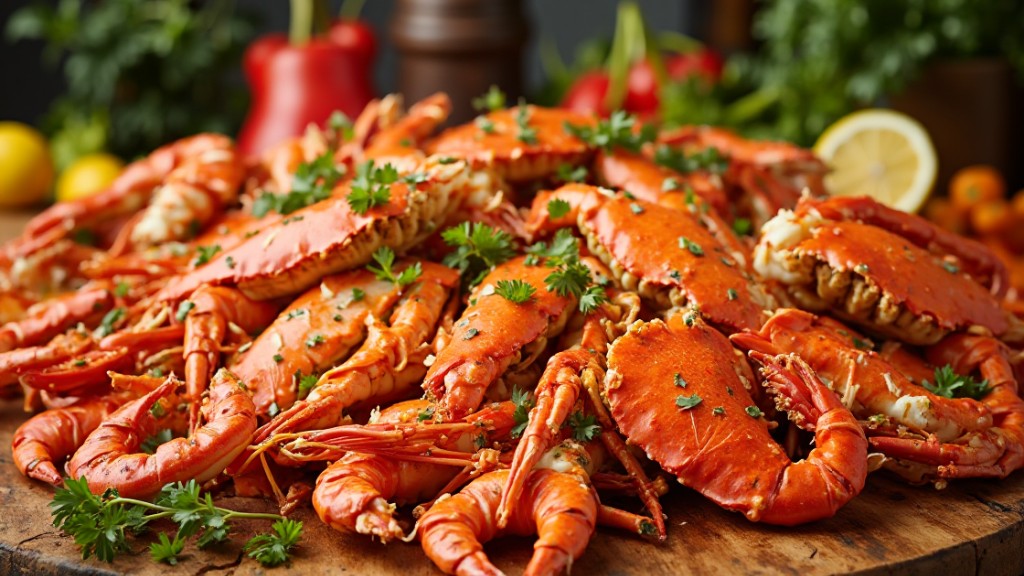
Seafood boil highlights shellfish and other proteins, typically seasoned with spices and cooked in large pots. Ingredients like shrimp, crab, lobster, sausage, corn, and potatoes create a communal dining experience. Guests often share the meal, enhancing social interaction and enjoyment. The presentation, often on a table covered with butcher paper, adds an informal, festive atmosphere that appeals to diners.
Market Trends and Opportunities
The seafood boil market experiences steady growth, driven by consumer interest in fresh, flavorful dishes. According to industry reports, seafood consumption in the United States increased by 20% in the last decade. Opportunities exist for small businesses willing to innovate, such as mobile seafood boil catering, food truck services, or pop-up restaurant formats.While starting a small business, consider these trends:
- Health Consciousness: Consumers prioritize fresh, healthy food options. Offering locally sourced seafood can enhance your appeal.
- Sustainable Practices: Eco-friendly sourcing attracts environmentally conscious customers. Partnering with local fisheries can elevate your brand image.
- Unique Experiences: Emphasizing a social dining experience differentiates your business. Consider interactive dining options that allow guests to create their own seafood boils.
You can capitalize on these trends by positioning your seafood boil business to meet customer demands, ensuring longevity and success in this competitive market.
Planning Your Seafood Boil Business
Planning your seafood boil business involves several key steps to ensure a solid foundation for your startup. Focus on your niche and create a thorough business plan to set yourself up for success.
Defining Your Niche
Defining your niche is essential for standing out in the seafood boil market. You can specialize in local seafood options, unique seasoning blends, or a specific cooking method. Consider the demographics of your target audience; families, young adults, or health-conscious eaters may each have distinct preferences. Evaluate your competitors to identify gaps and potential opportunities. For example, if few options feature organic seafood, emphasizing sustainability might attract environmentally conscious consumers.
Creating a Business Plan
Creating a business plan provides a roadmap for your seafood boil startup. Include sections on market analysis, marketing strategies, financial projections, and operational details. Outline your budget for initial investments, including equipment like large pots and burners for cooking seafood. Detail your staffing needs, whether you plan to hire chefs or manage the business solo. Moreover, address compliance with local health regulations and permits. A well-structured business plan not only guides you but also enhances your chances of securing funding if necessary.
Setting Up Your Seafood Boil Operations
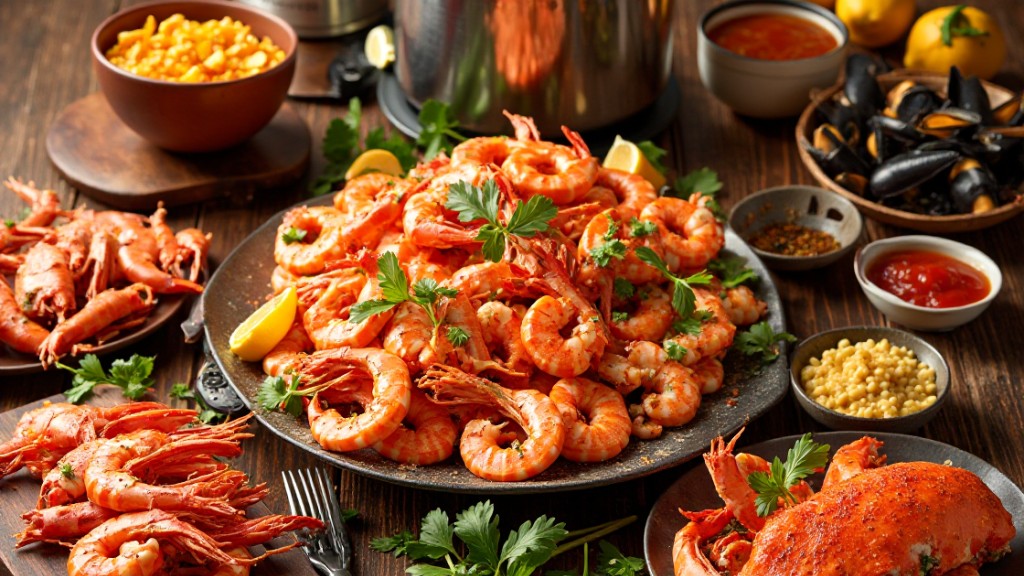
Setting up your seafood boil operations involves strategic choices and careful planning. You’ll want to focus on location and sourcing quality ingredients to ensure success in your small business venture.
Choosing a Location
Selecting the right location is critical for your seafood boil business. Look for areas with high foot traffic, such as near busy markets, beaches, or event venues. If you consider food trucks, target popular spots where people gather for outdoor activities. Evaluate competitors in the area to identify gaps in the market. Being near your target audience enhances visibility and increases potential sales.
Sourcing Quality Ingredients
Sourcing quality ingredients significantly impacts the taste and authenticity of your seafood boils. Build relationships with local seafood suppliers to ensure fresh and sustainable options. Research seasonal seafood availability to align with market demands. Include various proteins like shrimp, crab, and clams to cater to diverse preferences. It’s also essential to stock up on spices and seasonings that highlight your unique offering. Consistently high-quality ingredients establish your reputation and contribute to repeat business—a vital aspect of how to start a successful small business.
Marketing Your Seafood Boil Business

Effective marketing plays a vital role in the success of your seafood boil business. It helps you build your brand and reach your target audience, driving engagement and sales.
Building Your Brand
Branding sets your seafood boil business apart. Start with a distinctive logo and color scheme that resonates with your concept. Use clear messaging to convey your unique selling points, such as fresh ingredients or signature seasonings. Create a consistent brand voice across all platforms, including your website, packaging, and social media. Craft a compelling story about your seafood boil journey, emphasizing your passion and commitment to quality, which engages customers and fosters loyalty.
Utilizing Social Media
Social media serves as a powerful marketing tool for small businesses. Leverage platforms like Instagram, Facebook, and Twitter to showcase your mouthwatering dishes. Focus on creating engaging content, such as high-quality photos of your seafood boils and videos demonstrating the cooking process. Highlight customer testimonials to build credibility. Use targeted ads to reach potential customers in your area and create promotions for special events or menus. Engage with your audience through interactive posts or contests, encouraging them to share their seafood boil experiences.Managing Your Seafood Boil Business
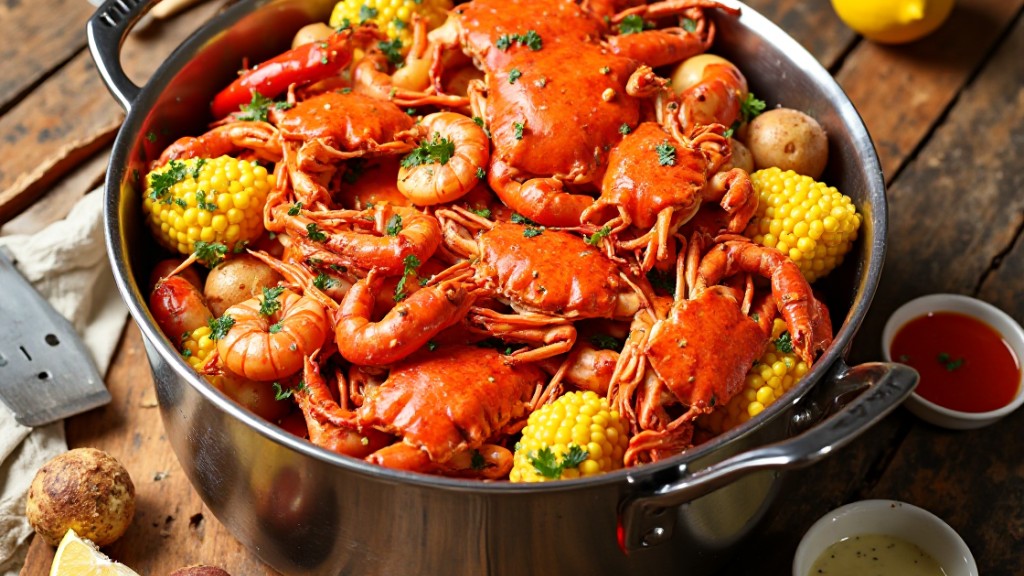
Managing your seafood boil business involves key actions to ensure smooth operations and compliance with regulations. Focusing on staffing and health standards creates a solid foundation for success.
Hiring Staff
Hiring the right staff is crucial for your seafood boil startup. Assess the specific roles you need, such as chefs, servers, and kitchen assistants. Evaluate candidates based on their experience in the food industry and customer service skills, emphasizing a passion for seafood. Train your staff in food safety, cooking techniques, and customer interaction. Offering competitive wages and a positive work environment encourages employee retention, which enhances your business’s reputation and efficiency.
Ensuring Compliance with Health Regulations
Ensuring compliance with health regulations protects your seafood boil business from potential legal issues. Research local health codes, which vary by location, and obtain necessary permits and licenses like food handler’s permits and health department certifications. Implement standard operating procedures for food safety, such as proper storage temperatures and sanitation practices. Regularly train your staff on health regulations and conduct routine inspections to maintain compliance. By prioritizing health standards, you build customer trust and sustain your small business’s growth.
Conclusion
Starting a seafood boil business can be an exciting and rewarding venture. By tapping into the growing demand for unique dining experiences you can create a memorable atmosphere that keeps customers coming back for more.
Focus on quality ingredients and innovative flavors to set your business apart. Building a strong brand and utilizing effective marketing strategies will help you connect with your audience and drive success.
With careful planning and a commitment to excellence you can navigate the challenges of this industry and thrive in the seafood boil market. Embrace the journey and watch your culinary dreams come to life.
Frequently Asked Questions

What is a seafood boil?
A seafood boil is a communal dining experience featuring various shellfish and proteins cooked together with seasonings and spices. It’s often served on large tables where diners can enjoy the meal family-style, making it a fun and interactive way to share food.
Why is starting a seafood boil business a good idea?
The seafood boil business is thriving due to the growing popularity of unique dining experiences. It capitalizes on health trends and the demand for fresh, sustainable seafood, making it a potentially lucrative venture for aspiring entrepreneurs.
What business models can I consider for a seafood boil business?
You can choose from various business models, including food trucks, pop-up stalls, or full-service restaurants. Each option has its own advantages and can cater to different market demands and customer preferences.
How can I differentiate my seafood boil business?
To stand out, consider specializing in local seafood, unique seasoning blends, or distinctive cooking methods. Understanding your target audience’s preferences will also help you create a unique offering that resonates with customers.
What should I include in my business plan?
A solid business plan should cover market analysis, marketing strategies, financial projections, and operational details. Addressing initial investments, staffing needs, and compliance with health regulations will help pave the way for your business’s success.
Where is the best location for a seafood boil business?
High-traffic areas like busy markets or beach locations are ideal. These places enhance visibility and attract more customers, making it easier for your seafood boil business to thrive.
How important is sourcing quality ingredients?
Sourcing high-quality, sustainable ingredients is crucial for establishing a strong reputation. It ensures consistently delicious dishes, encourages repeat business, and helps build customer trust in your seafood boil venture.
What marketing strategies should I use?
Building a distinctive brand is essential, using a unique logo and story. Social media platforms are effective for showcasing your dishes, engaging with customers, and running targeted ads to reach your audience.
What management practices are key to running a seafood boil business?
Hiring experienced staff is vital for success. Ensure compliance with local health regulations and provide training in food safety and customer service to build trust and sustainability in your business.
How can I ensure compliance with health regulations?
Familiarize yourself with local health codes and obtain necessary permits. Implement standard operating procedures for food safety to avoid legal issues and maintain high standards in your seafood boil business.
Image via Google Gemini