Key Takeaways
- Market Research is Crucial: Understand industry trends and consumer preferences to identify your target market, which is essential for creating successful soap products.
- Develop a Solid Business Plan: Create a comprehensive plan encompassing your niche, pricing strategies, and marketing methods, serving as a roadmap for your soap business.
- Legal Compliance is Essential: Obtain the necessary permits, licenses, and adhere to health regulations to ensure your soap business operates legally and builds customer trust.
- High-Quality Ingredients Matter: Source premium ingredients to enhance the quality of your soap products, as this will appeal to discerning consumers and set you apart from competitors.
- Effective Branding and Marketing Strategies: Establish a strong brand identity and leverage online platforms and local markets to effectively promote and sell your soaps.
- Adapt and Scale: Monitor customer feedback and market trends to refine your products, and consider expanding your product line and hiring staff as your business grows.
Have you ever dreamed of turning your passion for crafting into a profitable venture? Starting a soap business could be the perfect opportunity for you. With the growing demand for natural and handmade products, now’s the time to dive into this rewarding industry.
How To Start A Soap Business
Starting a soap business requires structured steps to navigate the process effectively.
- Research the Market: Analyze trends in the soap industry. Identify competitors and potential customer preferences for soap varieties such as organic, handmade, or specialty blends.
- Develop a Business Plan: Create a detailed business plan. Include aspects like target market, pricing strategies, marketing methods, and startup costs. A solid plan serves as a roadmap for your small business.
- Choose a Niche: Select a unique niche within the soap market. Options might include vegan soaps, luxury soaps, or artisanal designs. Differentiating from the competition attracts specific customer bases.
- Obtain Permits and Licenses: Research local regulations. Apply for necessary permits and licenses required to operate a soap business legally. This step ensures compliance and protects your venture.
- Source Ingredients and Materials: Find reliable suppliers for soap-making ingredients such as oils, lye, and fragrances. High-quality materials contribute to superior product offerings.
- Create Initial Products: Start crafting a small batch of soap. Experiment with different formulations to perfect your recipes. Focus on consistent quality that fulfills your market’s demands.
- Develop Branding and Packaging: Establish a strong brand identity. Design appealing packaging that communicates your soap’s value and attracts consumers on shelves or online.
- Set Up Sales Channels: Choose sales platforms for your soap business. Options include online marketplaces, local craft fairs, or retail partnerships. Diversifying sales channels maximizes exposure.
- Launch Marketing Strategies: Implement marketing strategies to promote your products. Use social media, influencer partnerships, or email marketing campaigns to reach potential customers.
- Monitor Feedback and Adjust: Collect customer feedback post-launch. Analyze sales data and modify your offerings based on consumer preferences and market trends.
Following these steps facilitates a structured approach to how to establish your soap business successfully.
Understanding The Soap Industry
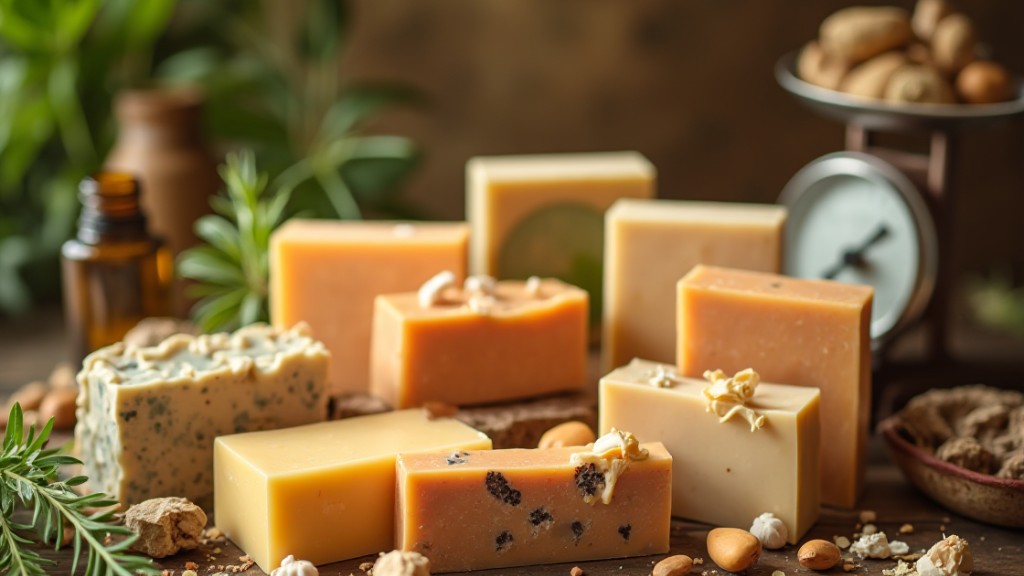
Understanding the soap industry involves recognizing current market trends and identifying various soap products that appeal to customers.
Market Trends
Market trends in the soap industry indicate a growing consumer interest in natural and handmade soap products. Approximately 34% of consumers prefer organic ingredients, which drives the demand for ethically sourced soaps. Observing online sales growth can enhance your small business strategy. Engaging with platforms like Etsy and specialty stores showcases your products effectively. Additionally, eco-friendly and sustainable practices attract environmentally conscious customers, making it essential to highlight these attributes in your offerings.
Types Of Soap Products
Various types of soap products cater to diverse customer preferences. Common categories include:
- Bar Soap: Traditional and versatile, ideal for various skin types.
- Liquid Soap: Convenient for use and popular in households.
- Glycerin Soap: Known for moisturizing properties, suitable for sensitive skin.
- Exfoliating Soap: Contains scrubbing agents, appealing to customers seeking skin benefits.
Understanding these types helps in selecting the right products for your small business, positioning your brand effectively to meet market demands.
Creating A Business Plan
Creating a comprehensive business plan remains critical for establishing a successful soap business. This plan outlines your strategy, objectives, and operational structure.
Executive Summary
Your executive summary introduces your soap business model and key elements of your plan. Include a concise overview of your business type such as handmade soap maker or small business startup. Summarize your current status, target market demographics, unique marketing strategies, competitive landscape, team members’ skills, and essential financial projections.
Market Analysis
Your market analysis evaluates current trends and forecasts for the soap industry. The global soap market, valued at USD 48.05 billion in 2024, is projected to grow to USD 76 billion. Understanding these figures enables you to identify potential customer bases and align your offerings with industry demands. Analyze competitors to uncover gaps in the market.
| Market Insights | Figures |
|---|---|
| Market Value in 2024 | USD 48.05 billion |
| Projected Market Growth | USD 76 billion |
Product Line
Your product line defines the specific types of soaps you intend to produce. Consider focusing on niches such as organic, glycerin, or exfoliating soap. Ensure the selection meets consumer preferences for quality and sustainability. Evaluate potential pricing structures based on product types and market positioning.
Marketing Strategy
Your marketing strategy outlines how to promote your soap products. Utilize online platforms such as Etsy to reach your target audience directly. Implement social media campaigns to showcase your unique ingredients and eco-friendly practices. Develop partnerships with local stores and festivals to enhance brand visibility and drive sales. Consider offering special promotions or bundles to engage new customers.
Materials And Tools Required
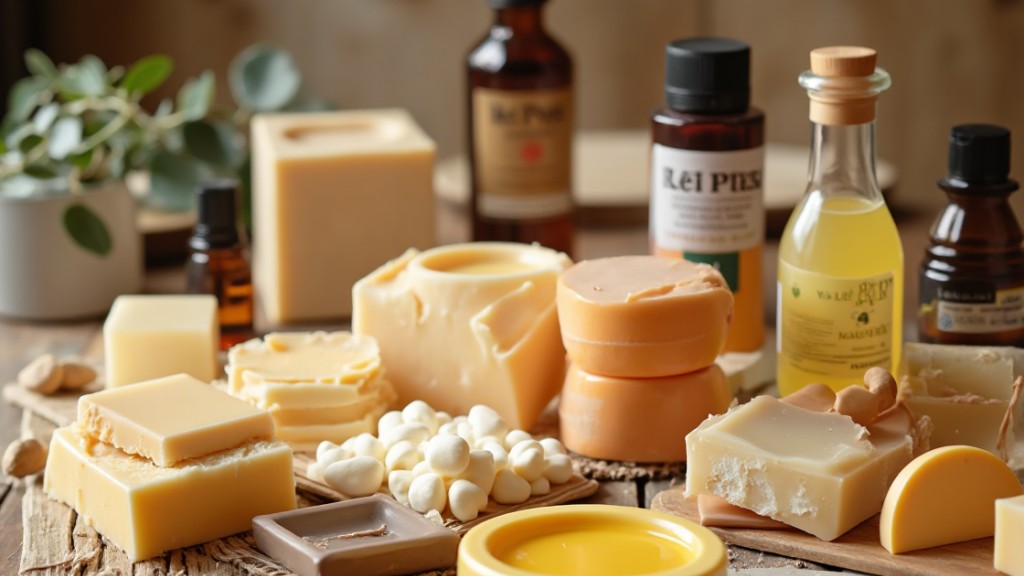
Starting a soap business involves gathering essential materials and tools that facilitate the soap-making process and ensure product quality. The following outlines the crucial components for your venture.
Essential Ingredients
For crafting soap, select high-quality ingredients that enhance texture and benefits. Notable ingredients include:
-
Oils and Butters: Utilize olive oil for mildness, coconut oil for superior lather, and cocoa butter for a hard bar with skin benefits. Enhance conditioning properties with options like castor oil.
- Sodium Hydroxide (Lye): Incorporate lye for the saponification process that transforms oils and butters into soap. After saponification, there is no sodium hydroxide left in the final product.
- Water: Use water to dissolve lye and mix it with oils, initiating the chemical reaction necessary for producing soap salts and glycerin.
Equipment Needed
Equip your workspace with the following tools to ensure efficient soap production:
-
Employ a digital Scale for accurate measurements of ingredients. Precision in calculations affects the quality of your soap.
- Mixing Bowls: Choose stainless steel or glass mixing bowls that withstand chemical reactions with lye and facilitate blending of oils.
- Stick Blender: Utilize a stick blender for an effective mixing process, ensuring uniform consistency of the soap mixture.
- Pouring Pitcher: Use a heat-resistant pouring pitcher for safe transfer of the soap mixture into molds.
- Soap Molds: Invest in durable molds like silicone or wooden ones that shape your soap bars or specialty soaps effectively.
Packaging Supplies
Select packaging materials that reflect the quality of your soap products and appeal to consumers. Necessary packaging supplies include:
- Labels: Design attractive labels that contain essential information such as ingredient listings and usage directions.
- Wrapping Paper or Boxes: Use eco-friendly wrapping paper or stylish boxes that protect your products while enhancing visual appeal.
- Sealing Materials: Implement sealing options like shrink wrap or tape to ensure freshness and maintain product integrity during transport.
Gather these materials and tools to successfully embark on your small business journey and create exceptional soap products.
Setting Up Your Production Space
Creating an efficient production space is vital when starting a soap business. It ensures a smooth workflow and compliance with safety regulations.
Choosing A Location
Select a location that limits disturbances while providing easy access for deliveries and customers. Prioritize areas with adequate ventilation and natural light. Designate a dedicated work area that measures at least 5 feet wide and 3 feet deep exclusively for soap production. This prevents cross-contamination and maintains the integrity of your products.
Safety And Sanitation Considerations
Implement strict safety and sanitation protocols. Regularly clean surfaces and equipment to eliminate residues and contaminants. Use personal protective equipment such as gloves, goggles, and masks during the soap-making process. Properly store oils, colors, and molds in designated areas to minimize risks. Ensure all materials meet safety standards to protect both you and your customers.
Legal Requirements And Regulations
Understanding legal requirements and regulations is critical when launching a small business in soap making. Compliance ensures safe operation and builds customer trust.
Registering Your Business
Register your business to establish a legal entity. Choose a business structure—such as a sole proprietorship, LLC, or corporation—that fits your needs. File the necessary paperwork with your state to obtain your business license. Check for local business name registration requirements to ensure availability.
Obtaining Necessary Licenses
Obtain licenses that may apply to your soap business. Depending on your location, various permits might include sales tax permits or local operating licenses. Ensure you contact local authorities for specific requirements in your area that pertain to soap manufacturing and sales.
Complying With Health Regulations
Comply with health regulations set by the FDA and local health departments. For pure soap marketed solely for cleansing, FDA approval is not necessary. However, if you make cosmetic claims, your product is considered a cosmetic and must meet FDA rules. Follow strict labeling requirements that include the product name, ingredient declarations, and batch numbers. Maintain cleanliness in your production area and store raw materials safely to comply with health standards.
Developing Your Soap Recipes
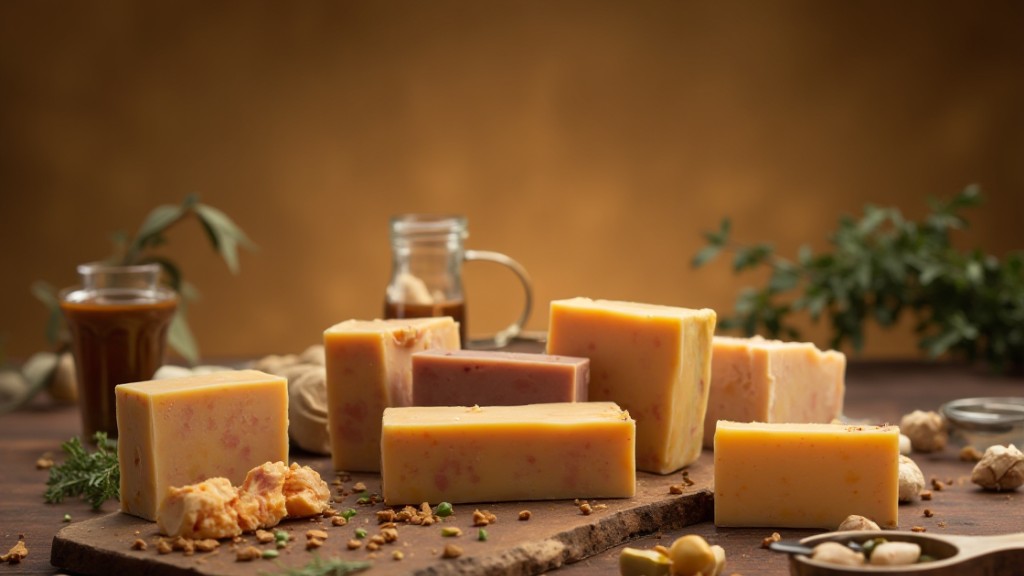
Developing effective soap recipes plays a critical role in establishing a successful small business. The process involves experimenting with various formulations that resonate with your target market. Here are detailed methods to consider:
Cold Process Soap Making
Cold process soap making requires precise mixing of oils, fats, lye solution, and soap additives. Use an immersion blender to ensure a smooth consistency. Start with a small product line, allowing for testing and refinement based on market feedback. Customize recipes by incorporating colorants and fragrances to create unique offerings that attract customers.
Hot Process Soap Making
Hot process soap making involves cooking the soap mixture, resulting in a quicker saponification process. This method produces a rustic appearance while allowing quicker use of the soap compared to cold processing. Experiment with textures and scents to differentiate your products from competitors. Use ingredients like essential oils and natural additives for added appeal.
Melt And Pour Soap Making
Melt and pour soap making simplifies the process, as it eliminates the need for handling lye directly. Provide customers with visually appealing soap by using pre-made bases. Customize samples with colorants, fragrances, and inclusions such as herbs or exfoliants. This method works well for beginners experimenting with product development.
Sourcing Ingredients
Sourcing high-quality ingredients holds significance in the soap-making process. Research suppliers that provide organic and sustainable materials to align with market trends. Opt for local vendors when possible to ensure freshness and support community-based businesses. Prioritize ingredients that cater to your target demographic, creating products that meet specific customer preferences and demands.
Branding Your Soap Business
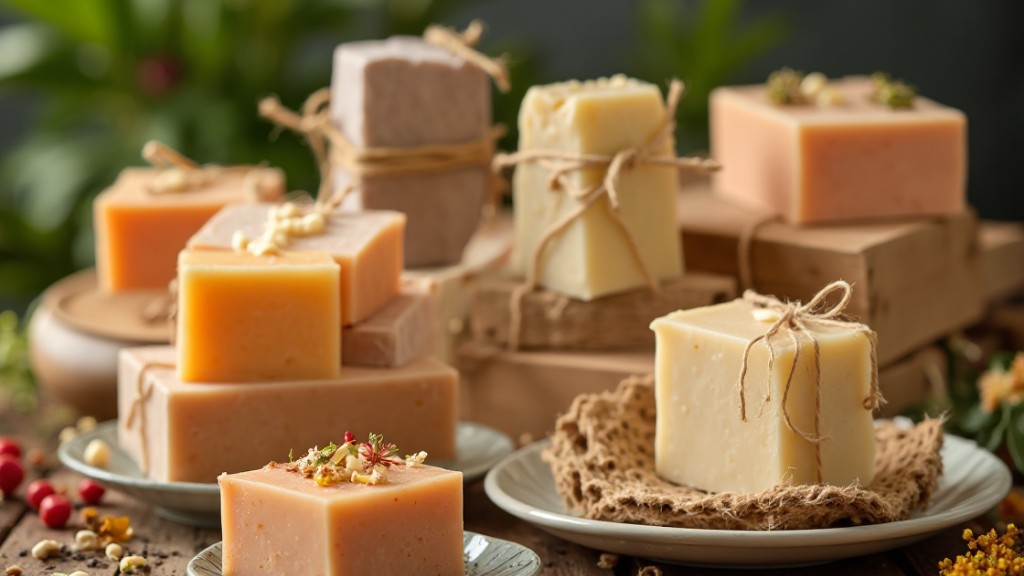
Branding plays a pivotal role in establishing your soap business. Thoughtful branding enhances recognition and customer loyalty.
Choosing A Business Name
Select a unique business name that resonates with your mission and values. Ensure the name is easily spelled and pronounced, appealing to your target audience. Check for trademarks and domain availability to avoid legal issues. Align the name with your brand’s essence to make a lasting impression.
Designing A Logo
Create a simple and clean logo. A logo serves as the visual cornerstone of your brand identity. Focus on versatility and memorability by avoiding clutter and intricate designs. Incorporate colors and shapes that reflect your soap business’s unique characteristics while appealing to potential customers.
Developing Your Brand Identity
Establish a strong brand identity by defining your brand’s personality and values. Highlight what sets your soap products apart, emphasizing quality and sustainability. Utilize consistent messaging across packaging, marketing materials, and online presence to create a cohesive brand experience. Engage with your audience through storytelling, sharing the mission behind your soap products to foster deeper connections.
Marketing Your Soap Business
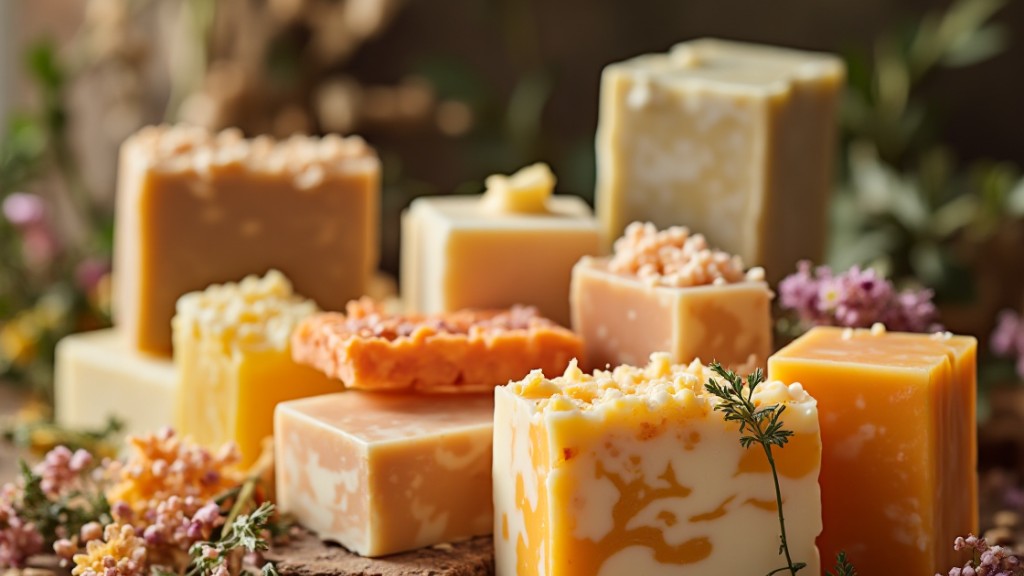
Marketing plays a crucial role in establishing your soap business. Focusing on targeted strategies increases visibility and drives sales.
Online Marketing Strategies
Implement targeted online marketing strategies to reach a wider audience. Use search engine optimization (SEO) to enhance website visibility. Create valuable content like blog posts or tutorials that engage potential customers. Leverage email marketing campaigns to promote new products and special offers. Use Google Ads to target specific demographics interested in handmade or organic soaps.
Selling Through Local Markets
Sell your products through local markets to build a community presence. Attend farmers’ markets or craft fairs where you can showcase your unique soap offerings. Engage with customers personally to gain insights and feedback. Build relationships with local retailers for wholesale opportunities, increasing your reach within the community.
Building A Website
Build a professional website to showcase your soap business. Include high-quality images and detailed descriptions of your products. Ensure your site is user-friendly and mobile-optimized for easy navigation. Implement an e-commerce platform to facilitate online sales, streamlining the purchasing process for customers.
Utilizing Social Media
Utilize social media platforms to promote your soap business effectively. Post engaging content that highlights your products’ benefits and unique features. Use Instagram and Pinterest to share visually appealing images that attract attention. Encourage followers to share their experiences with your products through testimonials and user-generated content, creating a sense of community around your brand.Pricing Your Soap Products
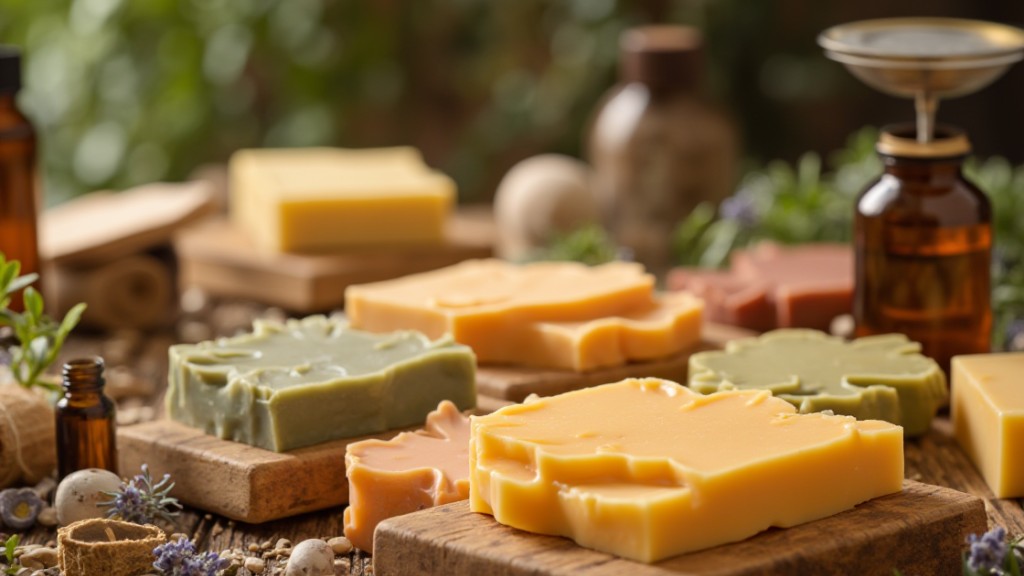
Pricing affects your soap products’ success in the market. Setting competitive prices attracts customers while maintaining profitability.
Factors To Consider
- Production Costs: Calculate direct costs such as ingredients, packaging, and utilities. Identify indirect costs such as marketing and overhead.
- Market Demand: Research local trends and consumer preferences. Determine desired price points based on what customers typically pay for similar products.
- Target Market: Identify your ideal customer demographic. Understanding spending habits helps tailor pricing strategies that resonate with your audience.
- Perceived Value: Enhance the value of your products through branding and packaging. Customers often pay more for unique and attractive products.
- Profit Margin: Set profit margins that ensure long-term sustainability. Aim for a minimum 30% markup above production costs to maintain financial health.
Competitive Pricing Strategies
- Cost-Plus Pricing: Calculate total production costs and add a markup. This method ensures coverage of costs while achieving profit.
- Value-Based Pricing: Price products based on perceived value. Highlight benefits and unique qualities to justify higher prices, focusing on natural and handmade attributes.
- Penetration Pricing: Introduce products at low prices to gain market share. Gradually increase prices as brand recognition grows.
- Premium Pricing: Position products as luxury items. Target high-income customers willing to pay more for high-quality, artisanal soap.
- Price Matching: Research competitors’ prices. Consider price matching to remain competitive while ensuring product quality differentiates your brand.
Troubleshooting Common Issues
Addressing potential issues promptly enhances your soap business operations and customer satisfaction. Here are some common challenges and their solutions.
Dealing With Soap Failures
Identify soap failures through visual inspection or test batches. Common problems include improper texture, incorrect colors, or scent issues.
- Check measurements: Ensure accurate measurements of lye, oils, and fragrance oils during the soap-making process. Small discrepancies can lead to different outcomes.
- Assess temperatures: Monitor temperatures carefully. Ingredients may not mix properly if they are too hot or too cold, resulting in incomplete saponification.
- Review curing times: Allow adequate curing time for the soap. Insufficient curing may lead to a softer texture and unsatisfactory lather.
- Reformulate recipes: Experiment with new formulas. Adjustments to different oils or additives might yield better results.
- Evaluate equipment: Use high-quality ingredients and equipment to maintain consistent quality and avoid failures.
Handling Customer Complaints
Manage customer complaints efficiently to build loyalty and retain business.
- Listen actively: Take time to understand the customer’s concerns. Ensure they feel heard and valued through attentive listening.
- Respond promptly: Address complaints without delay. Quick responses demonstrate commitment to customer satisfaction.
- Offer solutions: Propose alternatives, such as refunds or replacements. Providing clear options can help resolve issues effectively.
- Follow-up: Check in with customers post-resolution. This shows you care about their experience and encourages repeat business.
- Document feedback: Keep records of complaints and resolutions. Analyzing trends can inform product improvements and business strategies.
By implementing these solutions, you enhance operational efficiency and promote a positive image for your small business.
Scaling Your Soap Business
Scaling a soap business requires strategic planning and implementation. Focus on expanding your reach and capacity to meet growing demand.
Expanding Product Lines
Expand your product lines to attract a diverse customer base. Introduce at least three additional soap variants, such as organic, seasonal, or specialty soaps, to cater to different preferences. Utilize customer feedback and market research to identify trending ingredients and fragrances that resonate with your audience. Conduct small batch testing to refine recipes and ensure quality. Consider offering related products like bath bombs or scrubs to create complementary purchases that enhance customer experience.
Hiring Employees
Hire employees to manage increased production and sales tasks effectively. Focus on recruiting individuals with experience in soap making and customer service to support your small business’s growth. Implement a training program that covers production techniques, safety standards, and brand values to maintain consistent quality. Designate tasks clearly within your team to enhance efficiency and ensure smooth operations. Aim for a balanced team, including roles in production, marketing, and customer service to cover every aspect of business scaling.
Conclusion
Starting a soap business can be an exciting and fulfilling journey. With the right approach and dedication you can carve out a niche in this growing market. Remember to focus on quality ingredients and unique branding to differentiate yourself from competitors.
Engaging effectively with your audience through marketing and storytelling will help build a loyal customer base. As you grow be prepared to adapt and scale your operations to meet demand.
By following these steps and remaining committed to your craft you can turn your passion for soap making into a thriving business. Embrace the challenges and celebrate your successes as you embark on this rewarding venture.
Frequently Asked Questions
Is starting a soap business profitable?
Yes, starting a soap business can be profitable due to the growing demand for natural and handmade products. With a solid business plan and unique offerings, entrepreneurs can tap into a lucrative market.
What are the key steps to starting a soap business?
Key steps include researching the market, developing a business plan, choosing a unique niche, obtaining necessary permits, sourcing quality ingredients, creating appealing products, and implementing effective marketing strategies.
What type of soap products should I consider?
Consider a range of products like bar soap, liquid soap, glycerin soap, and exfoliating soap. Understanding customer preferences helps you choose the right products for your target market.
How important is branding in a soap business?
Branding is crucial for recognition and customer loyalty. A strong brand identity, including a unique name and logo, differentiates your products and helps build a loyal customer base.
What are the legal requirements for a soap business?
Legal requirements may include registering your business, choosing a structure (like LLC), and obtaining permits. Compliance with health regulations regarding labeling and sanitation is essential.
How can I effectively market my soap products?
Implement targeted online marketing strategies such as SEO, content creation, and social media engagement. Selling at local markets and building a professional website also enhances visibility.
What factors should I consider when pricing my soap products?
Consider production costs, market demand, target demographics, and perceived value. Employ pricing strategies like cost-plus or value-based pricing to ensure profitability while attracting customers.
What should I do if I encounter issues with soap-making?
For common soap-making issues, check your measurements, control temperatures accurately, and allow adequate curing times. Respond promptly to customer complaints for better satisfaction and loyalty.
How can I scale my soap business effectively?
To scale, consider introducing new product lines, hiring experienced staff, and ensuring efficient operations. Strategic planning is essential for managing increased production and sales effectively.
Image via Google Gemini