
Key Takeaways

- Growing Market Opportunity: The trailer rental business is thriving due to increasing demand for outdoor activities and efficient logistics solutions, with the global market valued at around $7 billion in 2022.
- Target Customer Segments: Focus on two primary customer segments: leisure seekers needing trailers for travel and recreational use, and commercial clients requiring transportation for goods in industries such as construction and event planning.
- Importance of a Business Plan: A solid business plan is essential, outlining your business model, financial projections, and unique selling points to ensure strategic growth and minimized risks.
- Legal and Insurance Considerations: Ensure compliance by obtaining necessary business licenses and permits, and safeguard your business with appropriate liability and comprehensive insurance coverage.
- Smart Trailer Acquisition: Choose the right types of trailers based on market demand and customer needs, and explore various purchasing and leasing options to optimize cost-effectiveness.
- Effective Marketing Strategies: Build a strong online presence with an optimized website and active social media engagement to reach target customers and utilize advertising and referral programs to enhance visibility and loyalty.
Starting a trailer rental business can be a rewarding venture that taps into a growing market. With the rise of outdoor activities and the need for convenient transportation solutions, you have a unique opportunity to cater to both leisure seekers and businesses in need of hauling equipment.
Imagine providing customers with a reliable way to transport their gear, whether it’s for a weekend camping trip or a construction project. By understanding the ins and outs of the industry, you can position yourself for success. From selecting the right trailers to mastering effective marketing strategies, this guide will walk you through the essential steps to launch your business and thrive in this competitive landscape.
Understanding The Trailer Rental Industry

The trailer rental industry presents valuable opportunities for a small business startup, fueled by increasing demand for outdoor activities and logistics solutions. Understanding market dynamics and customer profiles is essential for your business success.
Market Demand Analysis
Market demand for trailer rentals has surged, influenced by factors such as the growth of outdoor recreation and the rise in e-commerce. Access to trailer rentals allows customers to transport goods efficiently, meeting diverse needs. In 2022, the global trailer rental market reached approximately $7 billion, with expectations for growth driven by rising consumer preference for flexibility and convenience. By analyzing local trends, you can identify specific segments that show higher demand, such as construction, event planning, and recreational activities.
Target Customer Identification
Identifying target customers is critical when starting your trailer rental business. Focus on two primary segments: leisure customers and commercial clients.
- Leisure Customers: These include families and individuals seeking travel trailers for vacations, outdoor enthusiasts requiring utility trailers for camping trips, and contractors needing equipment hauling.
- Commercial Clients: Businesses often require trailers for transporting goods, tools, or materials. Industries such as construction, logistics, and event planning frequently rent trailers to meet their operational needs.
By understanding their preferences, behaviors, and pain points, you can tailor your offerings and marketing strategies effectively. Conducting surveys or analyzing competitor customer demographics can provide insight into your ideal customer profile.
Creating A Business Plan

Creating a solid business plan is crucial for launching your trailer rental business. Here are the key components to consider.
Defining Your Business Model
Defining your business model sets the foundation for your startup. Outline the types of trailers you’ll offer, such as utility, enclosed, or specialized models. Detail the services you’ll provide, including delivery options or rental packages. Identify your unique selling points, like competitive pricing or exceptional customer service. Knowing your target market—leisure customers like families or outdoor enthusiasts, as well as commercial clients in sectors such as construction and logistics—will help you tailor your offerings.
Financial Projections and Budgeting
Financial projections and budgeting are essential for managing your small business effectively. Create a detailed budget that includes initial startup costs, ongoing operational expenses, and expected revenue. Estimate your cash flow based on projected rental rates and utilization rates, and factor in costs like maintenance and marketing. Ensure you have contingency plans in place, such as financing options or reserves, to navigate unexpected fluctuations in demand. By maintaining a clear financial outlook, you can strategically grow your rental business while minimizing risks.
Legal Considerations

Starting a trailer rental business involves crucial legal considerations to ensure compliance and protection. Focus on business licensing and permits as well as insurance requirements to build a solid foundation for your small business.
Business Licensing and Permits
Obtain the necessary business licenses and permits required for your trailer rental business. Requirements vary by location, so check with local and state authorities. You might need a general business license, a sales tax permit, and possibly specific permits for vehicle rentals. Not securing the proper licenses can lead to fines or legal repercussions, impacting your startup operations.
Insurance Requirements
Acquire the appropriate insurance to protect your trailer rental business. Liability insurance is essential to cover potential damages or injuries associated with trailer use. Consider purchasing comprehensive coverage that includes physical damage, theft, and third-party liability. This insurance shields you from financial losses and enhances your business’s credibility, instilling confidence in your customers.
Acquiring Trailers
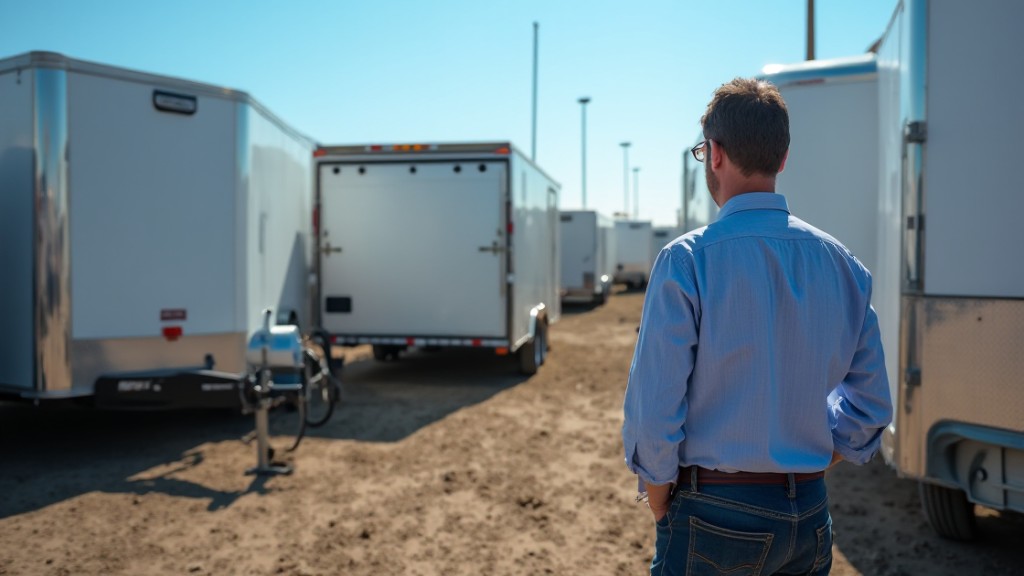
Acquiring the right trailers is crucial for your startup trailer rental business. Focusing on the market demand and identifying suitable types can enhance your offerings.
Choosing The Right Types of Trailers
Consider the specific needs of your target customers when selecting trailer types. Options include enclosed trailers for transporting sensitive goods, utility trailers for hauling tools and equipment, and recreational trailers for outdoor enthusiasts. Research local demand to understand which types attract both leisure customers and commercial clients. Gauge customer preferences and analyze competitors’ inventory to tailor your selection effectively.
Where To Purchase or Lease Trailers
Explore multiple avenues for acquiring trailers to ensure a cost-effective approach for your small business. Purchase options include local dealerships, online marketplaces, and auctions. Leasing from a reputable provider can reduce upfront costs and provide flexibility as demand fluctuates. Compare prices, terms, and maintenance packages across various sources to identify the best deal. Prioritize the condition of the trailers by reviewing their maintenance history, as well-kept trailers minimize risk and enhance customer satisfaction.
Marketing Your Trailer Rental Business

Marketing plays a crucial role in launching your trailer rental business. A strategic plan ensures you reach your target customers effectively.
Building An Online Presence
You need a strong online presence for your trailer rental business. Optimize your website to be mobile-responsive and user-friendly, enhancing the customer experience. Implement search engine optimization (SEO) strategies to improve visibility in search results. Claim your Google My Business listing to display essential information like location and contact details. Additionally, list your business in local directories to attract nearby customers.Utilizing Social Media and Advertising
You can leverage social media to engage with potential customers. Create profiles on platforms like Facebook, Instagram, and Twitter. Share content that highlights your trailer offerings, customer testimonials, and tips for using trailers effectively. Advertise on these platforms to target specific audiences, using paid ads to boost visibility. Implement referral programs that incentivize customers to spread the word about your services. Offering discounts for referrals increases your reach and builds a loyal customer base.Conclusion

Starting a trailer rental business is a promising venture that taps into a growing market. By understanding your target customers and selecting the right trailers, you can position your business for success.
Effective marketing strategies will help you reach potential clients while a solid business plan will keep you on track. Remember to stay informed about legal requirements and ensure you have the necessary licenses and insurance.
With careful planning and a focus on customer satisfaction, your trailer rental business can thrive in this competitive landscape. Embrace the journey ahead and watch your business flourish.
Frequently Asked Questions

What is the potential of starting a trailer rental business?
Starting a trailer rental business is promising due to increased outdoor activities and e-commerce growth. The global trailer rental market reached about $7 billion in 2022 and is projected to continue expanding, offering opportunities for both leisure customers and commercial clients.
Who are the primary target customers for a trailer rental business?
The two main customer segments are leisure customers, such as families and outdoor enthusiasts, and commercial clients, including businesses in construction and logistics. Understanding these profiles helps tailor offerings and marketing strategies effectively.
What are the key components of a successful business plan for a trailer rental business?
A successful business plan should define the business model, outline the types of trailers offered, establish unique selling points, and include financial projections and budgeting. This strategic approach aids in minimizing risks and ensuring long-term success.
What legal considerations should I be aware of when starting a trailer rental business?
Entrepreneurs should obtain the necessary business licenses and permits, which vary by location, to avoid legal issues. Additionally, securing appropriate insurance, such as liability coverage, is crucial for protecting against potential damages and enhancing credibility.
How do I choose the right trailers for my rental business?
Research local demand and analyze competitors’ inventory to select the suitable types of trailers, such as enclosed, utility, or recreational trailers. Consider customer preferences and market trends to tailor your offerings effectively.
What marketing strategies should I implement for a trailer rental business?
A strong online presence is key. Optimize your website for mobile and SEO, claim your Google My Business listing, and list your services in local directories. Utilize social media to share content, customer testimonials, and run targeted advertisements to attract customers.
How can I engage potential customers for my trailer rental business?
Engage customers by sharing relevant content on social media platforms and offering referral programs that incentivize customers to promote your business. Highlight trailer offerings, usage tips, and customer testimonials to build a loyal customer base.
Image via Google Gemini