Key Takeaways
- Understand Market Demand: The tree removal industry is growing, driven by increased focus on property maintenance and the need for services due to pests and aging trees.
- Acquire Necessary Skills: Expertise in identifying tree species, tree health assessment, and safe removal techniques is essential for success, along with business management knowledge.
- Comply with Legal Requirements: Obtain the required licenses and permits for your area, and ensure you have adequate insurance coverage for liability and worker safety.
- Invest in Essential Equipment: Equip your business with necessary tools such as chainsaws, pruners, wood chippers, and personal protective equipment to maintain operational efficiency and safety.
- Develop a Business Plan: Clearly define your niche services, establish competitive pricing strategies, and outline your business goals for a solid foundation.
- Market Your Business Effectively: Build a strong online presence with an optimized website and engage in local advertising to attract and establish a loyal customer base.
Starting a tree removal business can be a rewarding venture for those who love the outdoors and enjoy hands-on work. With the increasing demand for tree care and removal services, you have a great opportunity to turn your passion into a profitable enterprise. Whether you’re looking to supplement your income or launch a full-time career, the right approach can set you up for success.
In this guide, you’ll discover essential steps to kickstart your tree removal business. From understanding the necessary equipment to navigating local regulations, you’ll gain insights that will help you stand out in a competitive market. Get ready to dig into the world of tree care and learn how to grow your business from the ground up.
Understanding the Tree Removal Industry
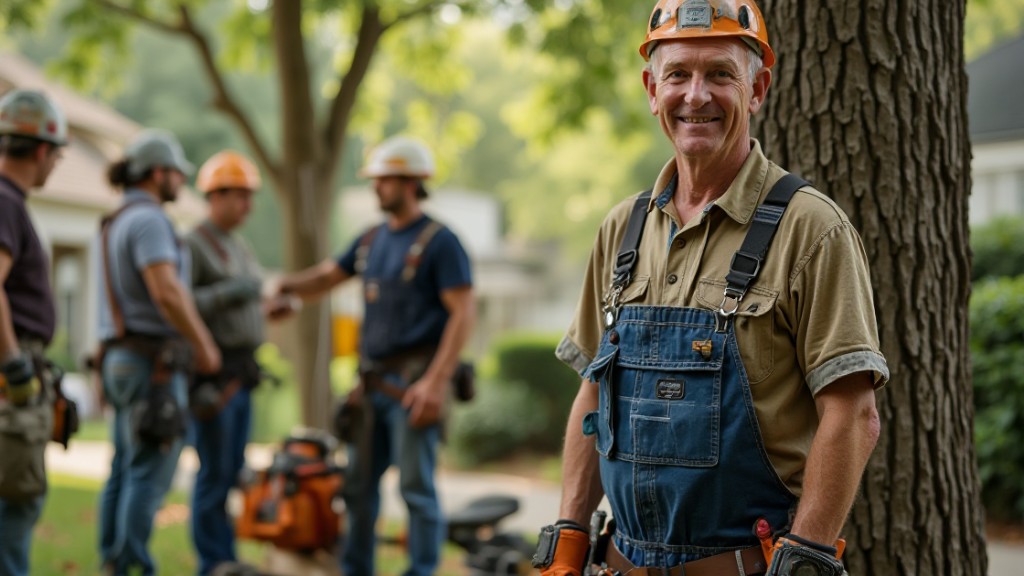
The tree removal industry offers significant opportunities for small business entrepreneurs. With increasing demand for tree care services, starting a business in this field can be both profitable and fulfilling.
Market Demand and Opportunities
Market demand for tree removal services has grown steadily. Homeowners and businesses increasingly focus on property maintenance and landscape aesthetics. Severe weather, pests, and diseases often necessitate tree removal, creating an ongoing need for these services. In areas with aging trees, the market can expand even further, allowing you to attract a diverse clientele. By promoting tree removal alongside additional services like pruning and stump grinding, you increase your chances of steady work and repeat customers.
Required Skills and Knowledge
Starting a tree removal business requires specific skills and knowledge to ensure safety and effectiveness. You’ll need expertise in identifying tree species, assessing tree health, and understanding safe felling techniques. Familiarity with local regulations and permits is essential, as many jurisdictions enforce strict guidelines on tree removal. You’ll also benefit from basic business management knowledge, including customer service, marketing, and financial planning. Consider obtaining certifications or training to enhance credibility and attract more clients.
This comprehensive understanding of the industry sets the foundation for success when starting your small business in tree removal.
Legal Requirements for Starting a Tree Removal Business
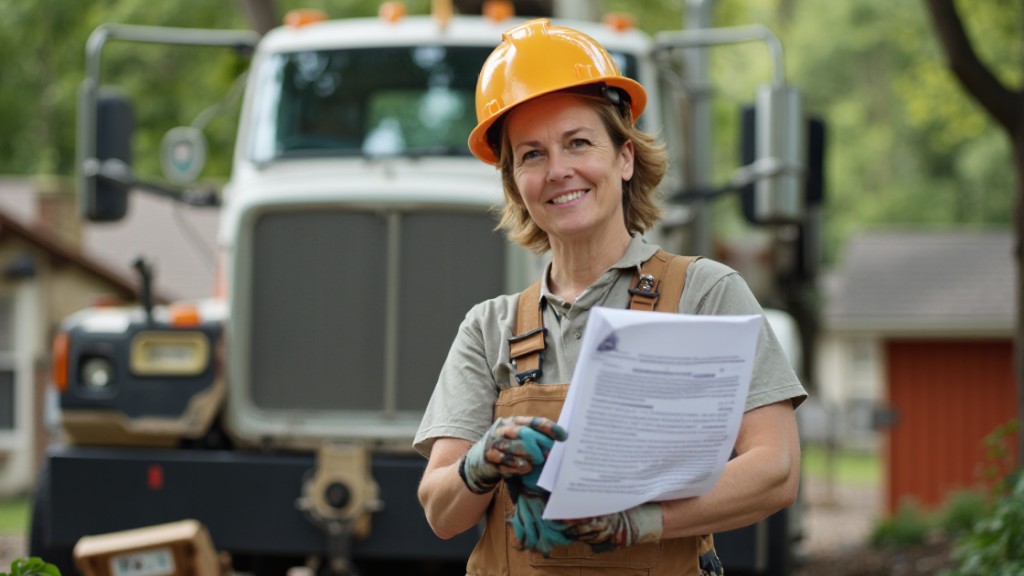
Understanding legal requirements sets a strong foundation for your tree removal business. You must navigate various regulations to ensure compliance and protect your interests.
Business Licenses and Permits
You need to acquire the necessary business licenses and permits for your tree removal startup. Local regulations may require specific licenses that vary by city or county. Common permits include zoning permits and health department permits. In some areas, you may also need to register your business name. Check with your local government or business licensing office to confirm requirements applicable to your area.
Insurance Needs
Insurance plays a crucial role in safeguarding your business against potential liabilities. You must obtain general liability insurance to cover damages or injuries during tree removal operations. Additionally, consider workers’ compensation insurance to protect your employees in case of workplace accidents. Ensuring proper insurance coverage not only protects your assets but also builds trust with clients, making it essential for your tree removal business.
Essential Equipment and Tools
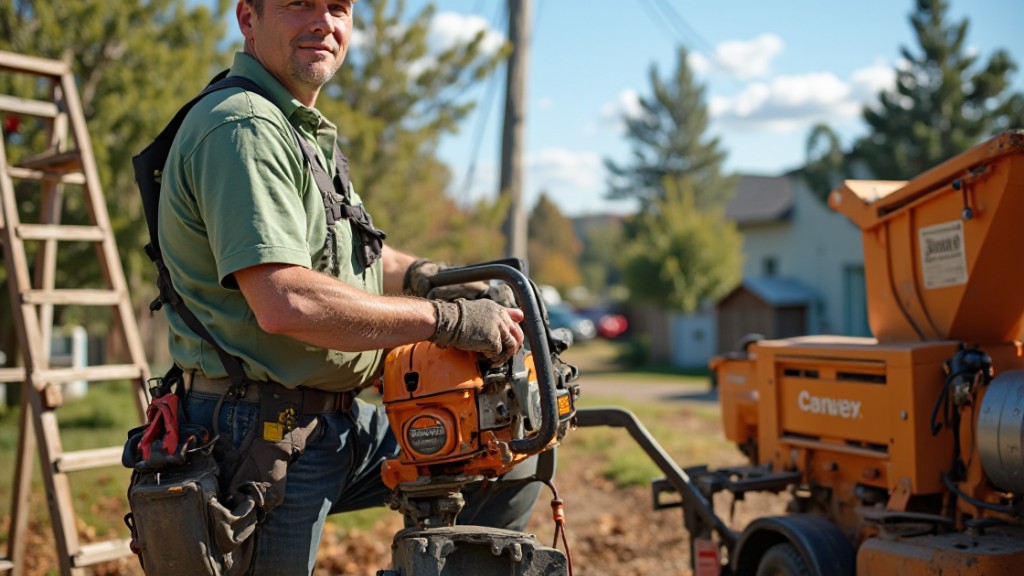
Starting your tree removal business requires specific equipment and tools for efficient operation. Investing in the right gear not only enhances your service quality but also ensures safety for you and your crew.
Types of Equipment Needed
- Chainsaws: Chainsaws are crucial for cutting branches and trunks. Choose models with varying bar lengths to handle different tree sizes.
- Pruners: Pruners are essential for trimming smaller branches. Opt for high-quality hand pruners that provide a clean cut.
- Axes and Wedges: Axes and wedges are useful for manual cutting and splitting wood. Keep these tools sharp for effective performance.
- Saw Scabbards: Saw scabbards ensure safety when carrying saws. These prevent accidents and protect the blades from damage.
- Wood Chippers: Wood chippers process cut wood into manageable pieces, making cleanup easier. Select a chipper with appropriate capacities for your typical jobs.
- Tree Loopers: Tree loopers are designed for cutting larger branches. Invest in a variety of sizes for versatility in your work.
Safety Gear and Supplies
Personal protective equipment (PPE) is vital for ensuring the safety of your crew. Prioritize the following items:
- Hard Hats: Hard hats protect against fallen objects. Ensure each crew member wears one during tree removal processes.
- Safety Glasses: Safety glasses shield eyes from debris. Use impact-resistant glasses for optimal protection.
- Ear Protection: Ear protection reduces noise exposure from equipment. Choose earplugs or earmuffs that are comfortable for long periods.
- Gloves: Work gloves protect hands from cuts and abrasions. Select durable gloves designed for outdoor work.
- Steel-Toed Boots: Steel-toed boots provide foot protection from heavy falling objects. Look for boots with slip-resistant soles.
Preparing your tree removal business with the right equipment and safety gear enhances your operational efficiency and reduces risks associated with tree care tasks.
Developing a Business Plan

A well-structured business plan is essential for your tree removal startup. It helps clarify your goals and strategies while outlining the services you’ll offer.
Defining Your Niche
Define your niche by clarifying the specific tree care services you’ll provide, such as tree removal, planting, pruning, bracing, storm damage repair, and tree consulting. Consider your skills and local demand to determine which services will attract clients. Identifying this niche helps differentiate your small business from competitors and effectively meets the needs of your target audience. For instance, if your area has numerous mature trees, emphasizing tree pruning and health assessments could be beneficial.
Pricing Strategies
Establishing competitive pricing is crucial for revenue generation. Research local competitors to understand their pricing structures. Use this data to create a pricing strategy that reflects the quality of your services and your business model. Consider offering package deals or discounts for bundled services to attract customers. For example, if home and property owners often require tree removal along with stump grinding, a combined service package can boost sales and make your offerings more attractive. Ensure your pricing covers operational costs, including equipment upkeep, labor, and insurance, while remaining appealing to consumers.
Marketing Your Tree Removal Business
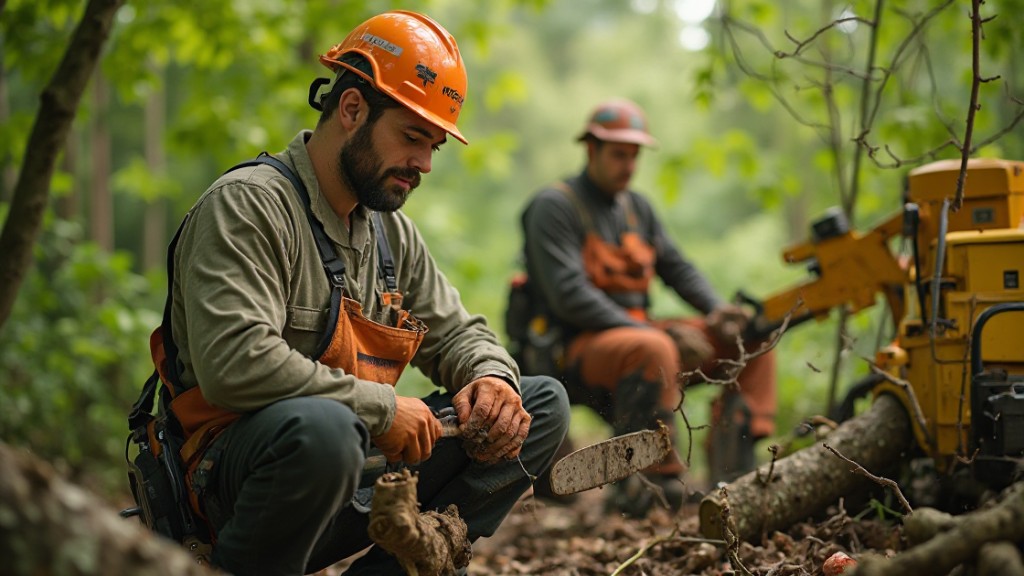
Marketing effectively attracts clients and builds a solid customer base for your tree removal business. Focus on both online and local strategies to maximize reach.
Building an Online Presence
Establish a professional website that highlights your services, expertise, and contact information. Include a blog section with articles related to tree care, creating value for your audience and improving your search engine ranking. Optimize your website for local SEO by incorporating relevant keywords like “tree removal services” and “arborist near me.” Utilize social media platforms, such as Facebook and Instagram, to showcase before-and-after photos of projects, engage with your community, and advertise special promotions. Encourage satisfied clients to leave positive reviews on Google and Yelp to enhance your credibility and attract new customers.Local Advertising Techniques
Implement targeted local advertising strategies to reach potential clients in your area. Distribute flyers and business cards in neighborhoods and local businesses to raise awareness about your services. Partner with real estate agents and landscapers to receive referrals, leveraging their networks to expand your clientele. Attend community events and participate in local fairs or expos to connect directly with homeowners. Advertise in local newspapers or magazines, focusing on the specific benefits of tree removal and maintenance for property value and safety. Consider offering free estimates for tree removal services to encourage inquiries and establish rapport with prospective clients.Conclusion
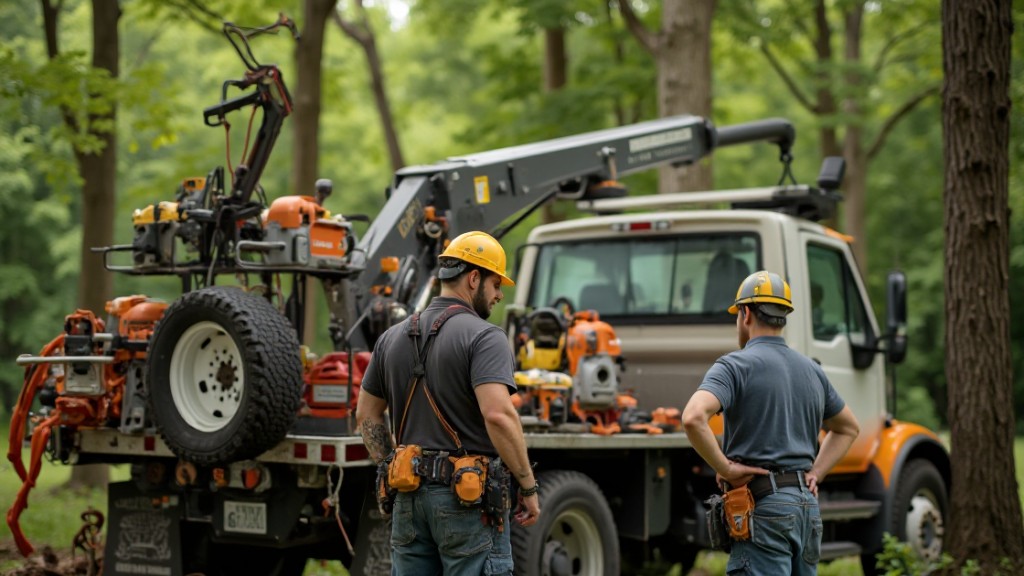
Starting a tree removal business can be an exciting and profitable venture. With the right preparation and understanding of the industry, you can turn your passion for outdoor work into a successful career. Focus on mastering essential skills and investing in quality equipment to ensure safety and efficiency.
Navigating local regulations and obtaining necessary licenses will protect your business and build trust with clients. By developing a strong marketing strategy and establishing a professional online presence, you’ll attract a steady stream of customers. Embrace the challenges ahead and stay committed to delivering exceptional service, and you’ll find your efforts rewarded in both satisfaction and success.
Frequently Asked Questions
What are the benefits of starting a tree removal business?
Starting a tree removal business provides outdoor enthusiasts with a rewarding opportunity to turn their passion into profit. With the growing demand for tree care services due to property maintenance needs, this venture can serve as a solid side income or a full-time career.
What skills do I need to succeed in tree removal?
To succeed in tree removal, you should have expertise in tree species identification, safe felling techniques, and knowledge of local regulations. Additionally, strong customer service skills and physical stamina are essential for this hands-on work.
What equipment do I need for a tree removal business?
Essential equipment includes chainsaws, pruners, axes, wood chippers, and safety gear like hard hats and steel-toed boots. Investing in the right tools enhances service quality and ensures crew safety during operations.
What legal requirements should I consider before starting?
It’s vital to obtain necessary business licenses and permits based on your location. Additionally, securing general liability and workers’ compensation insurance protects against potential liabilities and ensures compliance with local regulations.
How can I create a business plan for my tree removal service?
Develop a well-structured business plan that outlines your goals, strategies, and the services you offer. Clearly define your niche, assess local demand, and establish competitive pricing to boost revenue generation.
What marketing strategies can I use to attract clients?
Create a professional online presence through an optimized website and engage with the community via social media. Also, consider local advertising techniques like distributing flyers, partnering with real estate agents, and attending community events to enhance visibility.
Image via Google Gemini