
Key Takeaways

- Market Demand & Revenue Potential: The truck stop industry thrives on the increasing demand for services catering to truck drivers, with fueling and food options providing significant revenue streams.
- Location is Key: Selecting a strategic site near major highways enhances visibility and customer access, crucial for attracting truck drivers seeking convenience.
- Comprehensive Business Planning: Developing a robust business model, financial projections, and a marketing strategy is essential for ensuring the long-term success of your truck stop.
- Essential Amenities Matter: Providing essential services like fueling stations, food options, and clean rest areas can significantly improve customer satisfaction and increase traffic to your business.
- Regulatory Compliance: Familiarizing yourself with health, safety, and environmental regulations ensures smooth operations and builds trust with customers.
- Effective Marketing Strategies: Utilize digital marketing, social media, and local advertising to effectively reach and engage your target audience, fostering customer loyalty and repeat business.
Starting a truck stop business can be a rewarding venture that taps into the ever-growing transportation industry. With the rise of e-commerce and logistics, truck drivers need reliable places to refuel, rest, and recharge. If you’re considering entering this lucrative market, understanding the essentials is key to your success.
You’ll want to think about location, amenities, and services that cater specifically to truckers. From fueling stations to restaurants and repair shops, creating a welcoming environment can set your truck stop apart from the competition. This guide will walk you through the critical steps to launch your own truck stop, ensuring you’re well-equipped to meet the needs of those on the road.
Understanding The Truck Stop Industry

The truck stop industry offers significant opportunities for entrepreneurs launching a small business. Understanding market demand and revenue potential is crucial for startup success.
Market Demand
The demand for truck stops grows as the logistics and transportation sectors expand. Over 70% of freight in the U.S. moves by truck, highlighting consistent traffic from long-haul drivers seeking rest and amenities. The need for well-located truck stops with essential services, such as fueling, food, and showers, ensures a steady stream of customers. Survey findings reveal that over 85% of truck drivers prioritize convenience in choosing where to stop, making location a vital factor for your business.
Revenue Potential
Revenue potential for a truck stop business can be substantial, driven by diverse income streams. Fuel sales typically represent 30% to 50% of total revenue, with profit margins around 10 cents per gallon. Additional services like restaurants and convenience stores can contribute 25% to 40% of overall income, with average transaction sizes ranging from $10 to $50. Including repair services adds more revenue, as maintenance is essential for drivers. Diversifying services and amenities not only increases revenue but also attracts a wider customer base. It’s essential to analyze local competition and market needs to maximize your earning potential.
Key Steps To Start A Truck Stop Business
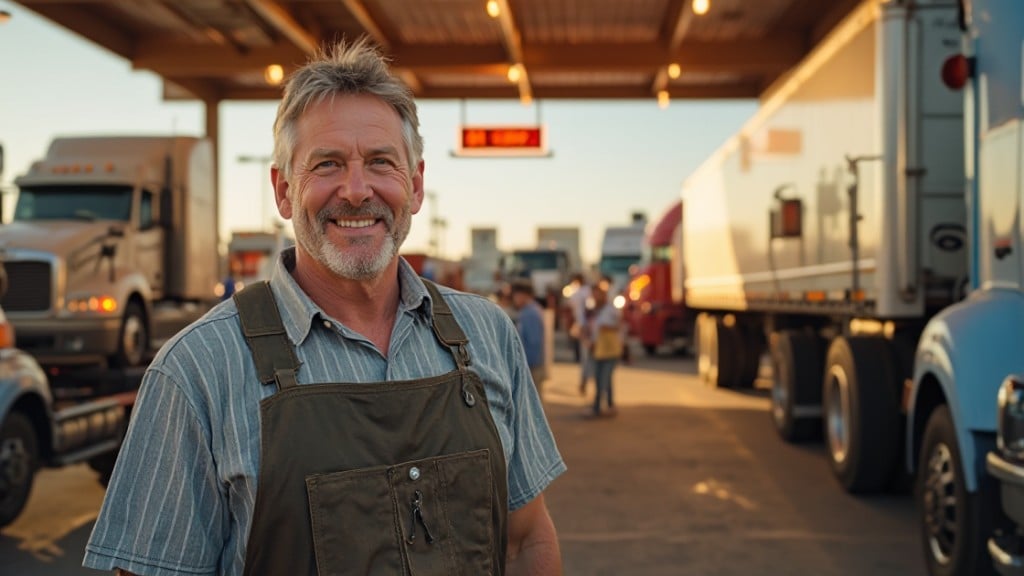
Starting a truck stop business requires careful planning and execution. Focus on these key steps to establish your startup successfully.
Conducting Market Research
- Identify Target Market: Define the demographics of truck drivers within your area. Know their typical routes, preferences, and needs.
- Competitive Analysis: Investigate existing truck stops in your region. Understand their strengths, weaknesses, and the services they offer.
- Demand Assessment: Examine traffic volume along significant highways and interstates to assess potential customer demand.
- Regulatory Compliance: Familiarize yourself with local, state, and federal regulations. Study zoning laws and environmental regulations relevant to your business.
- Customer Surveys: Engage with truck drivers through surveys or interviews. Collect insights on their specific needs and preferences.
Identifying A Location
- Proximity to Highways: Select a site that offers easy access to major highways and interstates. The right location enhances visibility and customer flow.
- Visibility and Accessibility: Ensure your chosen site is prominent and easy to navigate for large trucks. Attractive entry and exit points are crucial for attracting drivers.
Developing A Business Plan
- Business Model: Outline your startup’s business model, including services provided such as fueling stations, restaurants, and convenience stores.
- Financial Projections: Create comprehensive financial projections. Include expected startup costs, revenue streams, and break-even analysis.
- Marketing Strategy: Design a marketing plan targeting truck drivers. Utilize online and offline strategies to draw attention to your truck stop.
- Operational Plan: Explain how daily operations will function. Detail staffing, inventory management, and maintenance plans to ensure seamless service.
Essential Services And Amenities
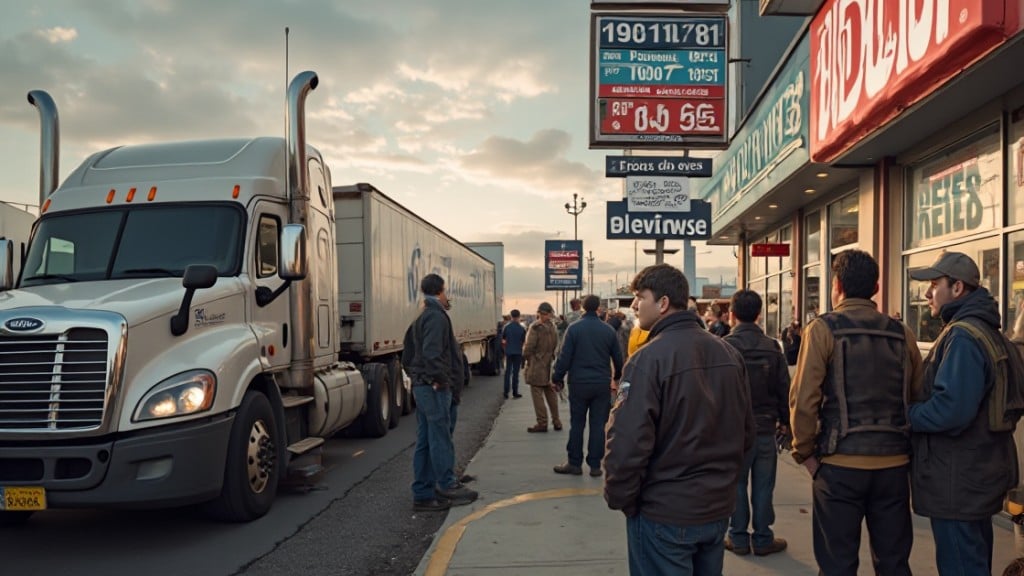
Essential services and amenities significantly impact your truck stop’s success. Tailoring these offerings can meet the needs of truck drivers and create a welcoming environment.
Fuel Stations
Fuel stations rank as a critical component of any truck stop. You should provide multiple fuel types, including diesel and gasoline, to cater to a wide range of vehicles. Consider adding alternative fuels like biodiesel and electric charging stations, appealing to eco-conscious drivers. By strategically positioning pumps, you enhance accessibility and fuel efficiency, crucial for busy truck drivers who prioritize convenience.
Food and Retail Options
Food and retail options can attract and retain customers. Offering a variety of dining choices, from fast food to sit-down restaurants, meets diverse preferences. You might also include convenience stores stocked with snacks, beverages, and essential supplies. A well-rounded food and retail selection can increase the time drivers spend at your truck stop, translating to higher revenue.
Rest Areas and Showers
Rest areas and showers significantly improve driver comfort and satisfaction. Designate quiet areas for relaxation, and provide clean, well-maintained shower facilities. These amenities address the need for downtime, enabling drivers to recharge during long hauls. Additionally, offering laundry services can further enhance their experience and make your truck stop a preferred choice among travelers.
By focusing on these essential services and amenities, you improve your startup’s appeal and ensure a steady flow of customers.
Regulatory And Licensing Requirements

Starting a truck stop business requires navigating various regulatory and licensing requirements. Compliance with these rules ensures a smooth operation and builds trust with customers in your small business.
Health And Safety Regulations
Complying with health and safety regulations is crucial for your truck stop. Obtain food service permits if your establishment includes a restaurant or convenience store. The local health department must issue these permits, often based on compliance with sanitary standards for food handling and preparation. Regular inspections may occur, so maintaining clean facilities and safe food practices is essential for customer satisfaction and compliance.
Environmental Compliance
Environmental compliance involves securing permits related to fuel storage and dispensing if you plan to sell fuel. Contact state and local environmental agencies to acquire the required permits and ensure adherence to federal regulations from the Environmental Protection Agency (EPA). Correctly managing fuel tanks and runoff systems prevents pollution and demonstrates your commitment to sustainable practices, which can enhance your small business reputation.Marketing Your Truck Stop

Effective marketing plays a crucial role in your truck stop’s success. By focusing on the specific needs and preferences of your target audience, you can tailor your strategies to attract customers.
Target Audience
- Truck Drivers: The primary target for your truck stop. Recognize their needs for fuel, food, restrooms, showers, and ample parking. Providing essential services will encourage repeat visits.
- Travelers: Families and individuals on road trips also frequent truck stops. Offer convenient options like fuel and food to cater to their needs during long journeys.
- Local Community: Residents in the area may use your truck stop for convenience or as a gathering point. Engage them with promotional offers or community events.
Advertising Strategies
- Digital Marketing: Build a user-friendly website that includes crucial information like your location, services, and amenities. Optimize for search engines to increase visibility.
- Social Media: Leverage platforms such as Facebook, Instagram, and Twitter to engage your audience. Share updates, offer promotions, and connect with your community. Regular posts boost brand awareness and attract new customers.
- Local Advertising: Utilize local newspapers, radio stations, or community boards to reach nearby residents and travelers. Present attractive deals to draw in business.
- Promotions and Loyalty Programs: Implement loyalty programs that reward frequent customers. Special discounts or promotions can increase customer retention and attract new visitors to your truck stop.
Conclusion

Starting a truck stop business can be a rewarding venture if you approach it with the right strategy. By focusing on location amenities and understanding the needs of truck drivers you can create a space that stands out in a competitive market.
Remember to conduct thorough market research and develop a solid business plan that addresses all operational aspects. Prioritizing customer satisfaction through diverse services and effective marketing will help you build a loyal customer base.
With dedication and careful planning you can tap into the growing demand for truck stops and establish a successful business that supports the essential transportation industry.
Frequently Asked Questions

What is a truck stop business?
A truck stop business is a service facility designed primarily for truck drivers and other travelers on the road. It typically offers amenities such as fueling stations, restaurants, repair shops, and rest areas to meet the needs of long-haul drivers and enhance their travel experience.
Why is location important for a truck stop?
Location is critical for a truck stop as it determines visibility and accessibility for truck drivers. Ideal locations are near highways with heavy traffic, ensuring convenience for drivers who need to refuel, eat, or rest on their routes.
What services should a truck stop provide?
A successful truck stop should offer various services including fueling stations, clean restrooms, showers, restaurants, grocery stores, and repair services. These amenities cater to truck drivers’ needs and can significantly enhance customer satisfaction.
How can a truck stop increase revenue?
Revenue can be increased through multiple streams such as fuel sales, which contribute 30% to 50% of total income, along with food services, convenience stores, and maintenance services. Diversifying offerings and adapting to driver preferences can optimize profits.
What regulatory requirements are involved in starting a truck stop?
Starting a truck stop requires compliance with health and safety regulations, environmental standards, and obtaining the necessary permits for fuel and food service. Ensuring cleanliness and maintaining proper licensing is essential for smooth operations and customer trust.
How can I effectively market a truck stop?
Marketing strategies for a truck stop can include creating a user-friendly website, engaging on social media, and utilizing local advertising. Additionally, implementing promotions and loyalty programs can attract and retain customers, especially truck drivers.
Who is the target audience for a truck stop business?
The primary target audience for a truck stop includes truck drivers who seek essential services like fuel, food, parking, and restrooms. Local community members and travelers also play a significant role in the customer base, making a diverse service offering essential.
Image via Google Gemini