
Key Takeaways

- Identify Your Niche: Research and select specific upcycled product categories like furniture, clothing, or home decor that resonate with market demand and personal passion.
- Gather Quality Materials: Source materials from thrift stores, garage sales, or salvage yards while ensuring they meet quality standards for creative transformation.
- Create a Comprehensive Business Plan: Outline your goals, target market, and financial projections, which will guide your business strategy and assist in securing funding.
- Build an Online Presence: Establish a user-friendly website and leverage social media to promote your products and share your upcycling journey with a broader audience.
- Engage with the Community: Network with other small business owners and participate in local markets to build connections that can support and grow your upcycling venture.
- Embrace Continuous Improvement: Regularly monitor business performance, gather customer feedback, and adapt your offerings to enhance sustainability and meet evolving market trends.
Are you passionate about sustainability and creativity? Starting an upcycling business could be your perfect venture. With the growing demand for eco-friendly products, upcycling not only helps reduce waste but also offers a unique way to express your artistic flair.
How to Start an Upcycling Business
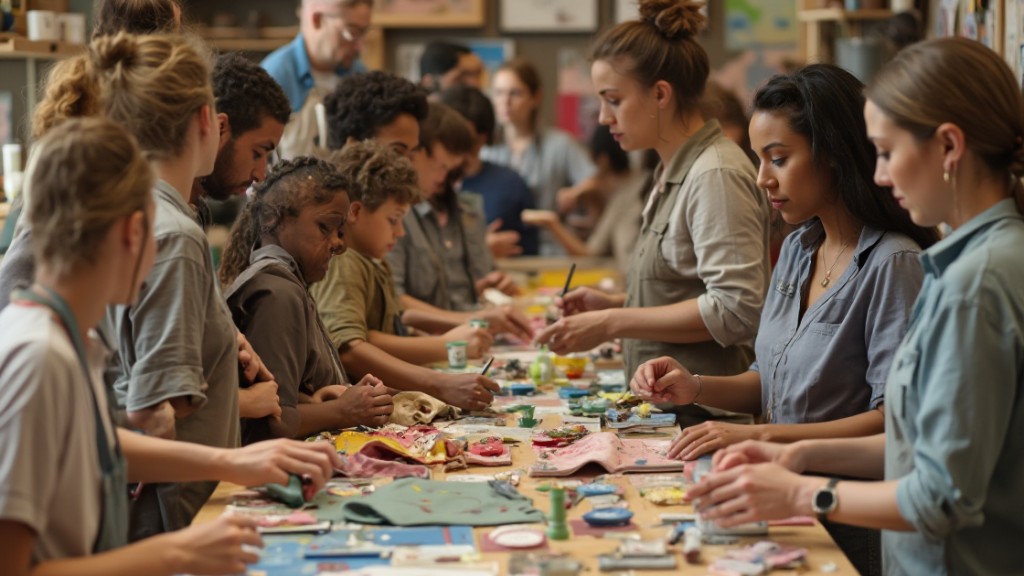
Starting an upcycling business involves several clear steps.
- Identify your niche. Research markets and trends to determine what upcycled products are in demand. Focus on specific categories such as furniture, clothing, or home decor.
- Gather materials. Collect used items from local sources like thrift stores, garage sales, or community donation events. Choose materials that inspire creativity and align with your target audience’s needs.
- Create a business plan. Outline your goals, target market, and marketing strategies. Include financial projections and plans for scaling as the business grows. A structured plan helps in securing investments or loans.
- Set up your workspace. Designate a functional area for crafting. Ensure it is organized and stocked with necessary tools and supplies for efficient production.
- Develop your product line. Start with a few signature items that highlight your creativity and sustainability message. Experiment with different designs and techniques to find what resonates with customers.
- Establish an online presence. Create a user-friendly website and utilize social media platforms to promote your products. Share engaging content that showcases your upcycling process and the benefits of your products.
- Network within the community. Connect with other small business owners, attend local markets, and join online forums related to upcycling and sustainability. Building relationships can lead to collaboration and support.
- Launch your business. Start selling your products through online marketplaces or local craft fairs. Continually seek feedback and adapt your offerings based on customer preferences.
- Monitor and adjust. Evaluate your business performance regularly. Track sales, customer feedback, and market trends to make informed decisions about scaling and new product development.
Follow these steps to successfully navigate how to start an upcycling business while contributing to sustainability and turning creativity into profit.
Understanding Upcycling
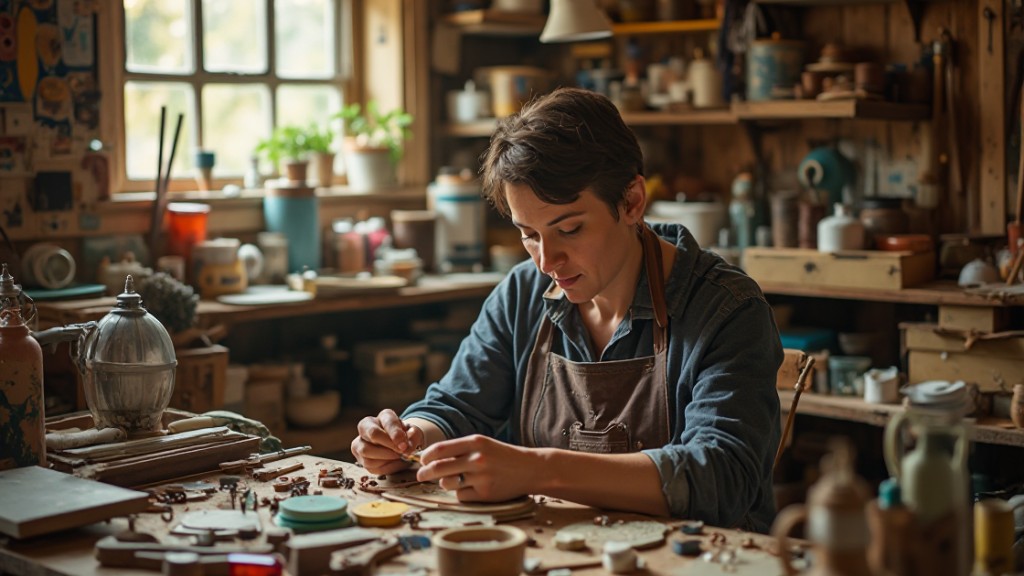
Upcycling transforms waste materials or unwanted products into new, higher-quality items. This creative process enhances the value of materials without decomposing them, significantly extending their lifespan and reducing overall waste.
What Is Upcycling?
Upcycling stands apart from recycling, focusing on reimagining old items rather than breaking them down to their original form. By using innovative techniques, you create new products that showcase creativity while contributing to sustainability. For example, you can turn old furniture into stylish home decor or repurpose glass jars into decorative candle holders.
Benefits of Upcycling
Environmental Benefits
- Upcycling actively reduces materials sent to landfills, conserving natural resources while minimizing environmental impacts associated with the production of new products.
- Upcycling decreases pollution levels by reducing the demand for new raw materials, cutting down on energy expenditures required for manufacturing processes.
Economic Benefits
- Upcycling presents lucrative opportunities within the small business sector. The global upcycling market projects impressive growth, estimated to reach $56.8 billion by 2027. This growth indicates strong demand and potential profitability for your upcycling business.
Identifying Your Niche

Identifying your niche ensures differentiation in your upcycling business and attracts a specific market. Focus on areas that ignite your passion and utilize your skills.
Popular Upcycling Ideas
Explore various popular upcycling ideas to find inspiration for your projects:
- Furniture Upcycling: Restore old furniture into unique pieces that blend functionality and artistry.
- Textile Upcycling: Transform old fabrics into new garments or innovative textile products, like tapestries or bags.
- Glass Upcycling: Create decorative items or functional products from discarded glass, enhancing aesthetic appeal while promoting sustainability.
- Apparel Upcycling: Refurbish old clothes into fresh, stylish items, merging creativity with eco-consciousness.
Researching Market Trends
Research market trends to align your niche with consumer demand. Analyze popular sustainable products, identify gaps in the market, and observe competitors’ offerings. Engaging with community forums and social media groups related to upcycling reveals preferences and emerging trends. This approach ensures informed decision-making when crafting your unique business strategy for a successful small business.
Creating a Business Plan
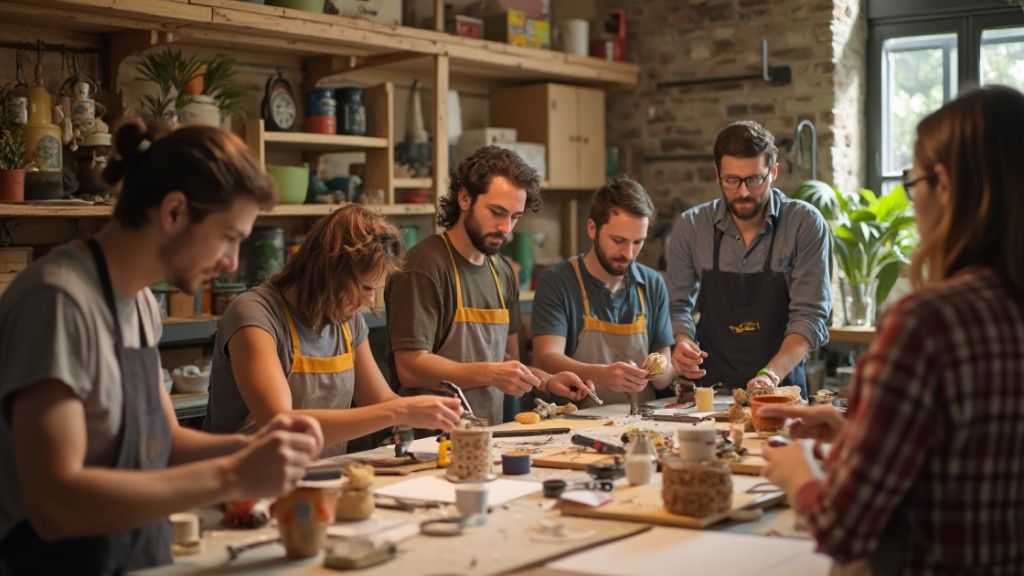
Creating a comprehensive business plan is essential for launching a successful upcycling business. This plan outlines your strategy and guides your decision-making process.
Defining Your Business Model
Establish a clear business model to differentiate your upcycling business. Select a niche based on your strengths and interests, whether it’s furniture, textiles, or apparel. Analyze your target market and tailor your offerings to meet their needs. Include aspects such as sourcing materials, production methods, and distribution channels.
Setting Goals and Objectives
Define specific, measurable goals that align with your business vision. Set short-term goals for immediate milestones, such as launching your online store or participating in local craft fairs. Establish long-term objectives to assess growth and expansion. For example, aim to reach $10,000 in sales within the first year or acquire 200 social media followers within six months.
Financial Planning
Develop a detailed financial plan outlining startup costs and projected revenues. Estimate your initial expenses, including materials, tools, marketing, and overhead costs. Implement a pricing strategy that ensures profitability while remaining competitive. Prepare revenue forecasts based on market research, identifying potential income sources like direct sales or online marketplaces.
| Expense Category | Estimated Cost |
|---|---|
| Materials | $500 |
| Tools and equipment | $300 |
| Marketing | $200 |
| Website development | $400 |
| Total Estimated Startup Cost | $1,400 |
Sourcing Materials
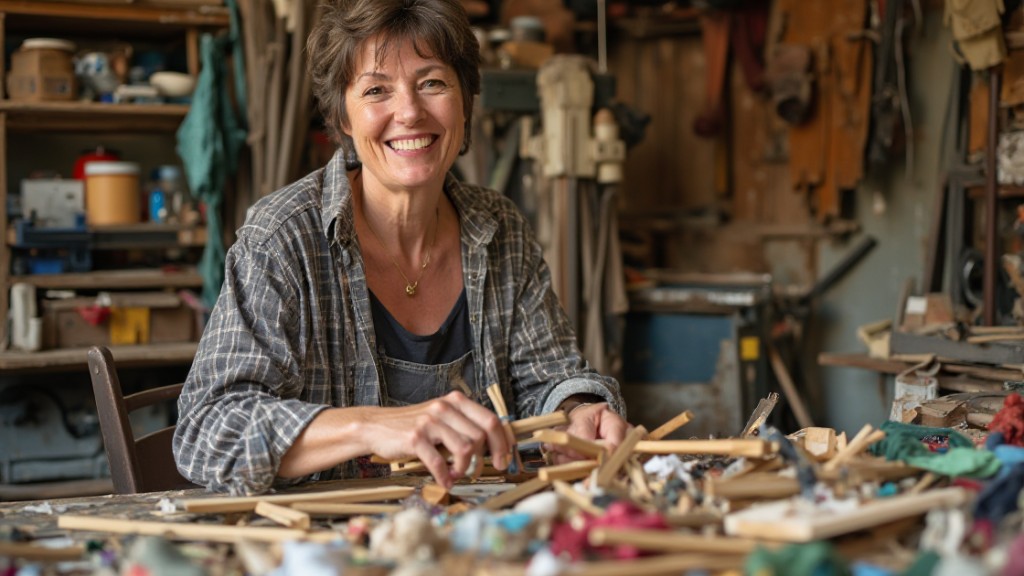
Effective sourcing of materials is crucial for starting a successful upcycling business. Identify reliable sources to help build a diverse inventory.
Where to Find Materials
- Thrift Stores and Charities: These locations offer valuable used clothing, textiles, and furniture suitable for upcycling. Visit multiple stores for a broader selection.
- Yard Sales and Garage Sales: Attend these events to discover various items that can be repurposed. Negotiating prices often helps in acquiring unique materials at low costs.
- Salvage Yards and Reclaimers: Explore these yards to find materials like wood, metal, and other construction supplies. These sources often provide high-quality materials at affordable rates.
Evaluating Material Quality
- Inspect Visual Appearance: Check for visible damage or wear. Prioritize items with good structural integrity and minimal blemishes.
- Assess Material Type: Different materials yield varying durability and aesthetics. Focus on high-quality textiles and sturdy furniture for better end products.
- Evaluate Functionality: Ensure that the item can be effectively transformed. Verify that its original use aligns with your intended upcycle project for the best results.
Designing Your Products
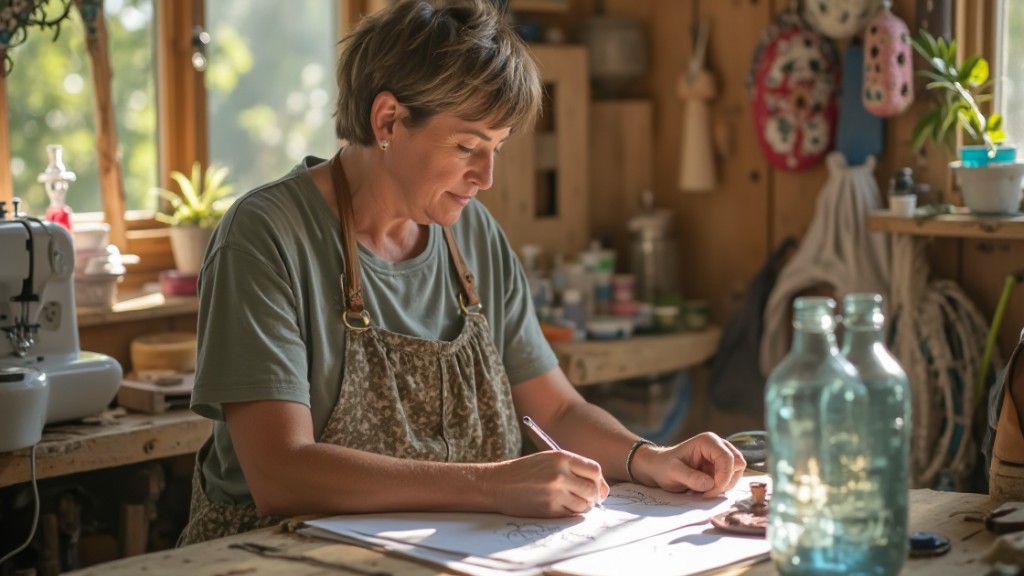
Designing your products involves careful consideration of materials, techniques, and methods. This section focuses on two critical processes: concept development and prototyping and testing.
Concept Development
Identify the materials you want to use based on your design approach. Decide whether to create unique pieces or a reproducible collection; this influences material selection. Source materials from multiple channels including your waste streams or the wider fashion and furniture industries. Ensure materials meet quality standards to match your intended products.
Explore various design techniques that align with available materials. Work with cut-and-sew waste or small pieces of material to create volume and unique patterns. Utilize layering for a dynamic look or experiment with puzzle-like arrangements for innovative designs. Allow the innate characteristics of materials to guide your creative process, thus enhancing the final product.
Prototyping and Testing
Develop prototypes to transform your concepts into tangible products. Create multiple variations to test different ideas. Evaluate usability and aesthetic appeal during the prototype phase. Gather feedback from target audiences to refine designs.
Test the durability and functionality of materials under real-world conditions. Focus on how your products perform in various scenarios, ensuring they align with customer expectations. Adjust designs based on insights gained during testing, improving both quality and market fit.
Setting Up Your Workspace

Setting up your workspace forms a critical foundation for your upcycling business.
Choosing the Right Location
- Space Availability and Accessibility: Ensure the location provides adequate space for operations, including design, assembly, and packaging areas. Prioritize accessibility for suppliers and customers. The potential for business expansion as you grow also plays a vital role.
- Efficiency and Productivity: Select a location that enhances efficiency and productivity. Proximity to raw materials and ease of receiving shipments directly impacts your operational flow.
Organizing Your Tools and Materials
- Designated Areas: Create designated spaces for specific tasks within your workspace, such as storage, design, assembly, and packaging. Separate areas promote organization and enhance productivity.
- Tool and Material Placement: Position tools and materials for easy access to streamline the workflow. Ensure frequently used items are within reach while assigning less accessible storage for rare materials.
- Clear Inventory System: Implement a clear inventory management system. Track materials efficiently to maximize space and maintain organization. Regularly audit supplies to avoid shortages or excess.
Organizing your workspace effectively fosters a conducive environment, essential for running a successful small business focused on upcycling.
Marketing Your Upcycling Business

Establishing effective marketing strategies proves essential for the success of your upcycling venture. Focus on building a strong brand identity and utilizing both online and offline marketing techniques.
Building a Brand Identity
Create a memorable brand identity by developing a unique story behind your upcycled products. Share the inspiration and materials used, emphasizing sustainability and creativity. Crafting a compelling narrative resonates with eco-conscious consumers. Consistently apply this narrative across all branding materials, including logos and packaging, to reinforce brand recognition.
Online Marketing Strategies
Implement online marketing strategies to reach a broader audience. Utilize social media platforms to showcase your products and engage with potential customers. Post high-quality images of your upcycled items, utilizing appropriate hashtags. Establish an informative website that highlights your product offerings, sustainability efforts, and company story. Consider using email marketing to offer exclusive promotions and updates to interested customers.
Offline Marketing Techniques
Apply offline marketing techniques to strengthen local community connections. Attend craft fairs and markets to showcase your upcycled products, allowing direct interaction with customers. Collaborate with local businesses that align with your values to cross-promote each other’s products. Distribute flyers in community centers and eco-friendly stores, capturing the attention of like-minded consumers.
Selling Your Products
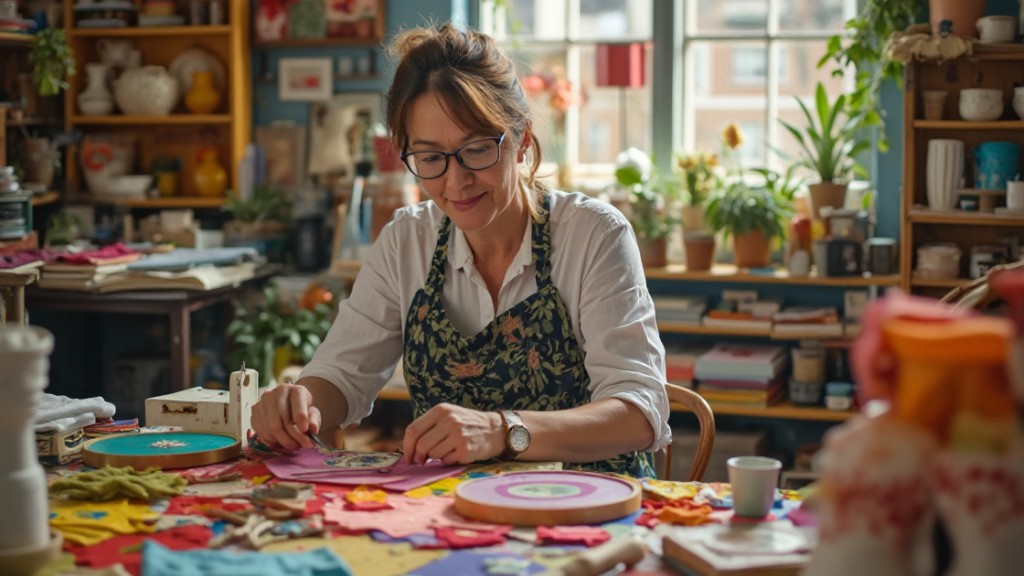
Selling your upcycled products requires effective strategies for reaching your target market. Two key approaches include setting up an online store and participating in local markets.
Setting Up an Online Store
Create an online store to showcase and sell your upcycled products. Utilize platforms like Etsy, Shopify, or WooCommerce to establish a user-friendly and visually appealing website. Focus on high-quality images and detailed product descriptions to attract customers. Implement search engine optimization techniques to boost visibility and drive traffic. Incorporate social proof through customer reviews and ratings to build trust. Set competitive prices based on your research and desired profit margin. Provide clear shipping policies and responsive customer service to enhance the shopping experience.
Participating in Local Markets
Participate in local markets to promote your upcycled products directly to consumers. Research local craft fairs, farmers’ markets, and community events that align with your target audience. Prepare attractive displays to showcase your items, highlighting their unique features and sustainable qualities. Engage with customers, sharing the story behind your products to foster connections. Collect contact information for future marketing efforts through sign-up sheets or business cards. Evaluate sales data to refine your product offerings based on customer preferences and market trends.
Legal Considerations
Starting an upcycling business involves key legal steps to ensure compliance and protection.
Registering Your Business
Form a legal entity to establish your business officially. Choose from options such as a sole proprietorship, limited liability corporation (LLC), or other corporate entities based on your goals for growth and liability protection. Register your business with local and state authorities, which establishes legitimacy. Selecting the appropriate business structure offers advantages in legal protection and tax benefits.
Understanding Regulations and Permits
Obtain necessary business licenses and permits based on your specific upcycling activities. Requirements vary depending on location and business type. Consult local government websites or business resources for accurate information. Compliance with regulations ensures that your small business operates within legal parameters, avoiding penalties or interruptions.
Troubleshooting Common Issues
Difficulty Sourcing Materials
Establish reliable supplier relationships. Connect with local thrift stores and charities to acquire materials at low costs. Explore yard sales and salvage yards for unique finds that align with your upcycling vision. Prioritize quality checks to ensure materials meet your standards for transformation.
Struggling to Find Customers
Utilize targeted marketing strategies. Focus on online platforms like social media and Etsy to reach eco-conscious consumers. Create engaging content that highlights your products’ sustainability and creativity. Attend local craft fairs to build community connections and promote visibility within your target market.
Managing Time and Resources
Implement effective time management techniques. Set specific work hours and adhere to a structured schedule to maintain productivity. Prioritize tasks based on urgency and importance, ensuring consistent progress. Utilize resources efficiently by organizing your workspace, keeping tools accessible, and maintaining an inventory system that simplifies material tracking and project management.
Helpful Tips for Success

Starting a small business centered around upcycling requires strategic efforts. Incorporating effective practices aids in fostering growth and sustainability.
Networking with Other Upcyclers
Engage with other upcyclers to share insights and resources. Join upcycling communities on social media platforms or attend local eco-friendly events to build connections. Collaborate on projects or co-host workshops, increasing visibility for your small business. Participate in online forums to exchange ideas and seek advice on challenges you encounter. Networking empowers knowledge sharing, enhancing your entrepreneurship journey.
Continuous Learning and Adaptation
Commit to staying informed about industry trends and new techniques. Attend workshops focused on upcycling methods or business management, enriching your skills and operations. Follow blogs or podcasts related to sustainability and small business strategies. Adapt your offerings based on customer feedback to address market changes effectively. Continuous learning ensures that your upcycling business remains relevant and competitive.
Conclusion

Starting an upcycling business is a rewarding journey that combines creativity with sustainability. By tapping into your passion and skills, you can create unique products that resonate with eco-conscious consumers. As you navigate this venture, remember to stay adaptable and open to feedback.
Building a strong brand identity and utilizing effective marketing strategies will help you reach your target audience. Engaging with the community and networking with fellow upcyclers can provide valuable insights and support.
With dedication and a clear vision, you can turn your upcycling passion into a thriving business that not only contributes to reducing waste but also inspires others to embrace sustainability. Your journey starts now—let your creativity shine and make a positive impact on the world.
Frequently Asked Questions

What is upcycling?
Upcycling is the process of transforming waste materials or unwanted products into new, higher-quality items. Unlike recycling, which breaks down materials, upcycling reimagines and enhances old items, extending their lifespan and reducing waste.
How do I start an upcycling business?
To start an upcycling business, identify a niche based on your interests and market trends. Gather materials from local sources, create a business plan, develop a product line, and establish an online presence. Networking and participating in local markets are also crucial.
What are the benefits of upcycling?
Upcycling contributes to waste reduction, minimizes landfill use, and decreases pollution. It can also be economically beneficial, as the global upcycling market is projected to reach $56.8 billion by 2027, indicating strong demand and potential profitability.
How do I source materials for my upcycling business?
You can source materials from thrift stores, charities, yard sales, and salvage yards. Ensure the materials are visually appealing, durable, and functional. Evaluating quality will help you create successful upcycled products.
What should be included in an upcycling business plan?
An upcycling business plan should define your business model, analyze your target market, set specific goals, detail financial planning, and outline sourcing strategies. This plan serves as a foundation for launching and guiding your business.
How can I effectively market my upcycled products?
To market your upcycled products, build a strong brand identity with a compelling story, use social media and an informative website for online marketing, and participate in local craft fairs for offline promotion. Engage with your community to enhance your reach.
What legal considerations should I keep in mind?
When starting an upcycling business, register your business and select an appropriate legal structure, such as an LLC or sole proprietorship. Ensure you obtain necessary licenses and permits to comply with local regulations.
How can I improve the quality of my upcycled products?
To enhance the quality of your upcycled products, focus on proper design and prototyping processes. Gather feedback for improvements, test usability, and ensure durability to meet customer expectations effectively.
What challenges might I face in an upcycling business?
Challenges may include sourcing reliable materials, attracting customers, and managing time effectively. Establish strong supplier relationships, utilize targeted marketing strategies, and adopt effective time management techniques to tackle these challenges.
Why is networking important in upcycling?
Networking allows you to share insights, resources, and experiences with other upcyclers. Engaging in upcycling communities and workshops fosters continuous learning and keeps your business relevant in the evolving market.
Image via Google Gemini