Key Takeaways
- Importance of a Solid Business Plan: A comprehensive business plan serves as a roadmap, outlining your dealership’s vision, niche, market analysis, and strategies for success in the competitive used car market.
- Market Understanding: Conducting thorough market analysis helps identify potential customer demographics and local competition, allowing you to tailor your offerings to meet the needs of budget-conscious buyers effectively.
- Effective Marketing Strategies: Utilize digital marketing techniques, such as SEO and social media, combined with community engagement initiatives, to attract and retain customers while establishing your dealership’s presence.
- Operational Excellence: Develop robust operational plans that include effective inventory management, customer service strategies, and compliance with legal requirements to ensure smooth day-to-day operations.
- Financial Projections: Create detailed financial projections to assess the viability of your dealership. Include revenue streams, profit and loss statements, and key operational costs to make informed financial decisions.
- Adaptability is Key: Regularly revising your business plan to reflect changes in market conditions and customer preferences is crucial for sustaining growth and achieving long-term success in the used car dealership industry.
Starting a used car dealership can be an exciting venture, but it requires a solid business plan to navigate the competitive landscape. With the right strategy, you can tap into a thriving market and meet the needs of budget-conscious buyers. Understanding the ins and outs of this industry is crucial for your success.
Overview of a Used Car Dealership Business Plan
A used car dealership business plan serves as the roadmap for your small business, outlining strategies to achieve goals and navigate challenges. Start with an executive summary that captures your vision and mission. Define your dealership’s niche to attract budget-conscious buyers.
Include a market analysis to comprehend local demand and competition, identifying potential customer demographics. Highlight the importance of sourcing quality vehicles through reliable suppliers, ensuring your inventory aligns with customer preferences.
Detail your marketing strategy, focusing on online platforms and community engagement to reach your target market effectively. Establish financial projections, covering startup costs and operating expenses. Address funding sources, whether it’s personal savings, loans, or investor support.
Incorporate operational plans outlining day-to-day management, staffing needs, and compliance with legal requirements. Regularly revising your business plan keeps it relevant, reflecting changes in market conditions and business objectives. This adaptability plays a crucial role in fostering long-term success for your used car dealership.
Market Analysis
Understanding the market remains crucial when you start a small business in the used car dealership industry. This analysis provides insights on industry size, growth, trends, and target markets that can help shape your business plan.
Industry Trends
The used car dealership industry in the US has shown strong growth. As of 2024, revenues reached approximately $173.9 billion, reflecting a 3.5% Compound Annual Growth Rate (CAGR) over the past five years. The pandemic-induced semiconductor shortage has significantly impacted new vehicle availability, increasing demand for used cars. Although input shortages are easing, it’s essential to prepare for shifts in demand as new vehicle production becomes more accessible. Embracing digital transformation can provide a competitive edge, with businesses forming partnerships, like Amazon and Hyundai, to facilitate online sales. This trend indicates a shift toward omnichannel strategies, which are necessary to meet changing consumer preferences.
Target Market
Your target market primarily consists of budget-conscious buyers who seek value in their purchases. Understanding demographic factors, such as age, income level, and geographical location, can tailor your marketing efforts effectively. Focus on local buyers looking for reliable vehicles at competitive prices. Researching local competition can help you identify gaps in the market, allowing you to position your dealership uniquely. Utilizing digital platforms and community engagement strategies ensures you connect with potential customers efficiently, maximizing your chances for success.
Business Model
A solid business model serves as the backbone for your used car dealership. Understanding the key components ensures successful operations and ultimately drives profitability.
Revenue Streams
Your primary revenue source is vehicle sales. Selling used cars at retail prices provides the bulk of your income. Consider offering additional services to boost revenue, such as financing and leasing options, which can attract more customers. You might also implement after-sale services, including repairs and maintenance, as well as offering service contracts and extended warranties.
Cost Structure
Your cost structure impacts profitability directly. Major costs include inventory acquisition, which involves purchasing vehicles from auctions, trade-ins, and private sellers. Additional costs encompass operational expenses, such as staff salaries, facility maintenance, and sales marketing. Implementing efficient inventory management helps keep these costs in check, ensuring financial sustainability in your small business. Using a well-drafted business plan allows you to project these costs accurately while identifying opportunities for cost savings.
Marketing Strategies
Marketing strategies for a used car dealership emphasize affordability, reliability, and trustworthiness. Strategic marketing ensures you connect effectively with budget-conscious buyers and stand out in a competitive marketplace.
Digital Marketing
Digital marketing is essential for reaching your audience efficiently. Utilize search engine optimization (SEO) to improve your website’s visibility. Incorporate relevant keywords throughout your content to attract potential customers actively searching for used cars.
Leverage social media platforms to showcase inventory, promote special offers, and share customer testimonials. Consider pay-per-click advertising to target specific demographics in your area, helping you maximize your marketing budget. Email marketing campaigns can retain existing customers and inform them about new arrivals and deals, encouraging repeat business.
Community Engagement
Community engagement builds trust and establishes your dealership as a local resource. Host events or sponsorships to increase visibility and foster connections with potential buyers. Participating in local charity events enhances your brand image while demonstrating commitment to your community.
Develop partnerships with local AutoTrader businesses to create referral networks. Collaborate with nearby auto service centers and dealerships, sharing leads and driving more traffic to your dealership. Moreover, consider offering local promotions that cater specifically to the community’s needs, strengthening customer loyalty and enhancing sales.Incorporating these strategies into your business plan can significantly enhance your dealership’s presence and foster long-term relationships with customers.
Operational Plan
An effective operational plan is essential for the success of your used car dealership. This section outlines day-to-day tasks, inventory management, and customer service strategies vital for smooth operations.
Inventory Management
Inventory management involves tracking and organizing the vehicles available for sale. Key aspects include:
- Vehicle Acquisition: Source quality used cars through auctions, trade-ins, and local purchases to ensure a diverse selection.
- Stock Control: Regularly assess inventory levels and turnover rates, ensuring timely replenishment of popular models.
- Pricing Strategy: Set competitive prices based on market research and vehicle condition, adjusting as necessary to align with demand.
- Inventory Presentation: Maintain clean, organized displays and ensure all vehicles undergo thorough inspections before sale.
You’ll optimize your inventory management system with technology. Implementing software solutions helps streamline tracking, reporting, and overall management.
Customer Service
Exceptional customer service fosters trust and loyalty. Your dealership should prioritize the following:
- Responsive Communication: Answer all customer inquiries promptly, whether through phone, email, or in-person.
- Knowledgeable Staff: Train your sales team to provide insights on vehicle features, financing options, and trade-in evaluations.
- Post-Sale Support: Offer support after purchase, addressing inquiries or concerns and ensuring customer satisfaction.
- Customer Feedback: Encourage feedback and use it to improve services and adapt to customer needs.
Building a reputation for excellent customer service can enhance your dealership’s image and attract more buyers. Prioritize these strategies in your business plan to establish a successful operation in this competitive market.
Financial Projections
Financial projections represent a critical part of your business plan for a used car dealership. These projections help assess the viability and growth potential of your small business. Include these essential components for a comprehensive financial outlook.
Profit and Loss Statement
A profit and loss statement outlines projected revenues, expenses, and net income over three to five years. Prepare it with the following elements:
- Revenue: Include projected sales from used vehicle sales, parts, repair services, and finance and insurance options.
- Cost of Goods Sold (COGS): Account for the costs associated with purchasing and preparing vehicles for sale.
- Gross Profit: Calculate gross profit as the difference between revenue and COGS.
- Operating Expenses: List operational costs such as salaries, marketing, and dealership operations.
- Operating Income: Determine the profit from operations before taxes.
- Taxes: Estimate tax liabilities based on expected income levels.
- Net Income: Finalize net income as the profit remaining after tax deductions.
Maintaining accurate financial projections helps you gauge your small business’s performance and make informed decisions. Regular reviews of these projections are vital to adapt to market changes, ensuring long-term success in your used car dealership venture.
Conclusion
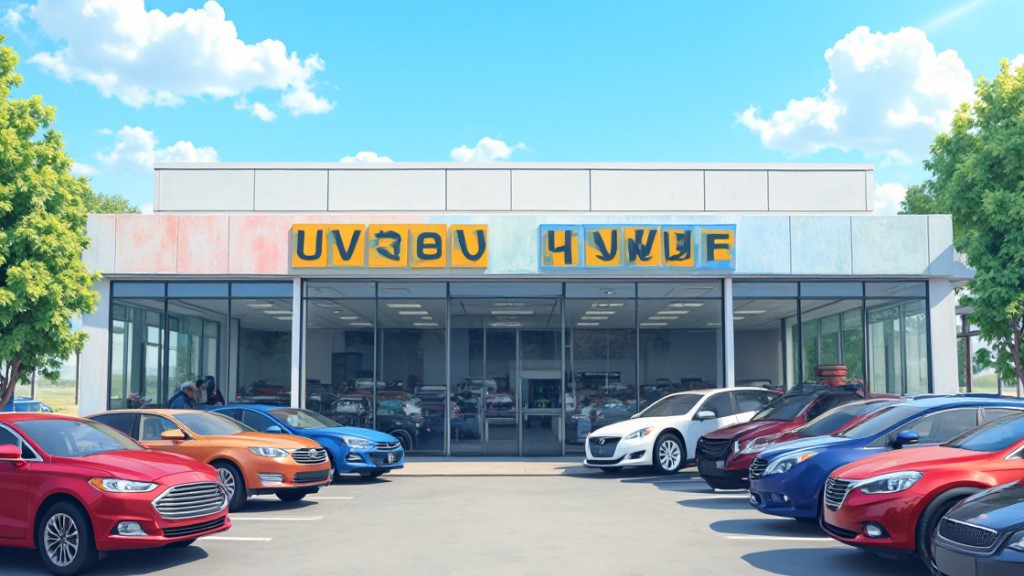
Starting a used car dealership can be a rewarding venture when approached with a well-structured business plan. By understanding market dynamics and catering to budget-conscious buyers, you can carve out a niche in this growing industry.
Embracing digital marketing and community engagement will help you connect with your target audience effectively. Prioritizing exceptional customer service and operational efficiency ensures that you build lasting relationships with your customers.
With regular revisions to your business plan and a keen eye on financial projections, you’ll position your dealership for long-term success. Your commitment to adapting and evolving will ultimately drive your dealership forward in a competitive landscape.
Frequently Asked Questions
What are the key components of a business plan for a used car dealership?
A solid business plan for a used car dealership includes an executive summary, market analysis, sourcing strategies for vehicles, marketing strategies, operational plans, and financial projections. These components help define the vision, understand the market, and outline steps for success.
How important is market analysis in starting a used car dealership?
Market analysis is crucial for identifying local demand, competition, and trends. It helps tailor offerings to the target market, ensuring the dealership effectively meets customer needs and stands out in a competitive landscape.
Who is the target market for used car dealerships?
The primary target market for used car dealerships consists of budget-conscious buyers looking for affordable and reliable vehicles. Understanding demographic factors can help tailor marketing efforts and engage potential customers more effectively.
What marketing strategies should I consider for my used car dealership?
Effective marketing strategies include digital marketing (SEO, social media, and email campaigns), community engagement, and targeted promotions. Focusing on affordability and trustworthiness can resonate well with budget-conscious buyers.
Why is an operational plan important for a used car dealership?
An operational plan outlines day-to-day tasks, inventory management, and customer service strategies. It ensures efficient operations and exceptional customer experiences, which are essential for building trust and fostering customer loyalty.
How can financial projections support a used car dealership?
Financial projections provide a roadmap for assessing performance, outlining expected revenues, costs, and net income. Regularly reviewing these projections helps adapt to market changes and make informed business decisions for long-term success.
Image via Google Gemini