
Regarding product photography, the background you choose can greatly influence the final image. Solid colors can draw attention to your product, whereas textured surfaces add depth and interest. Natural elements, like greenery, evoke a sense of authenticity, and lifestyle settings help customers visualize the product in their lives. Comprehending these options allows you to create compelling visuals that resonate with your audience. So, what backgrounds will best showcase your products?
Key Takeaways

- Solid color backgrounds improve focus and clarity, making products stand out without distractions.
- Gradient backgrounds add subtle depth, enhancing visual interest while maintaining a clean and polished aesthetic.
- Textured surfaces like wood or marble provide unique character and context, elevating perceived product quality.
- Natural and lifestyle settings showcase products in relatable scenarios, enhancing emotional engagement and helping customers envision usage.
- Vinyl backdrops offer durability and versatility, making them ideal for consistent and professional product photography.
Solid Color Backgrounds
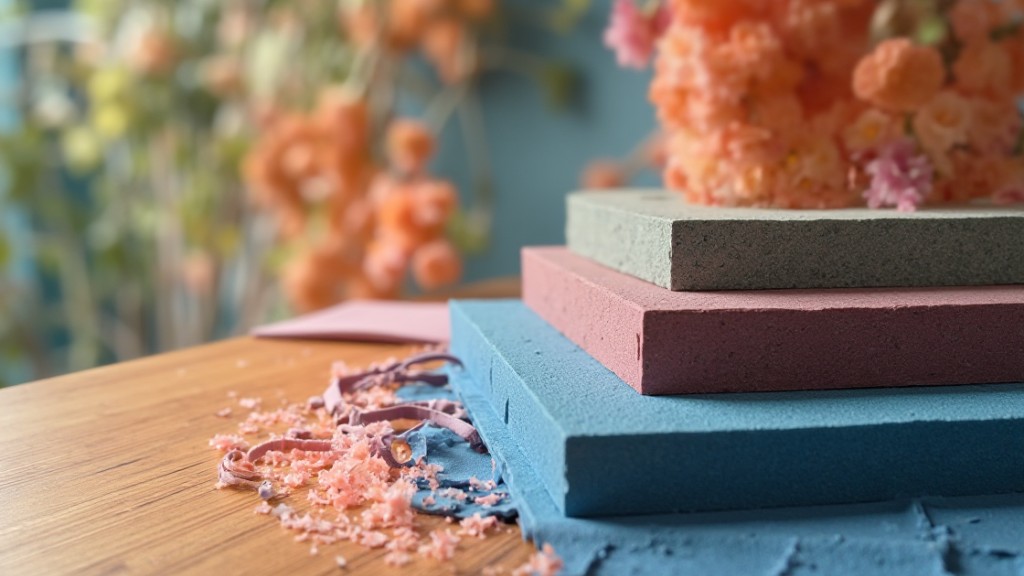
Solid color backgrounds play a fundamental role in product photography, especially when you consider their ability to improve focus and clarity. By using solid color backgrounds, you minimize distractions, allowing the product to take center stage.
Black and white backgrounds are particularly effective but don’t overlook the impact of lively colors. Multiple solid colors can create striking visuals, enhancing the product’s prominence and drawing attention to specific features.
These backgrounds are adaptable, working well across various platforms, especially e-commerce sites, where clarity is vital. Solid color backgrounds can likewise evoke different emotions; warm colors energize, whereas cooler tones convey professionalism and calmness.
Plus, they’re budget-friendly, requiring little investment compared to complex setups. This accessibility makes solid color backgrounds an ideal choice for businesses of all sizes, ensuring you can create a compelling product background without breaking the bank.
Textured Surfaces
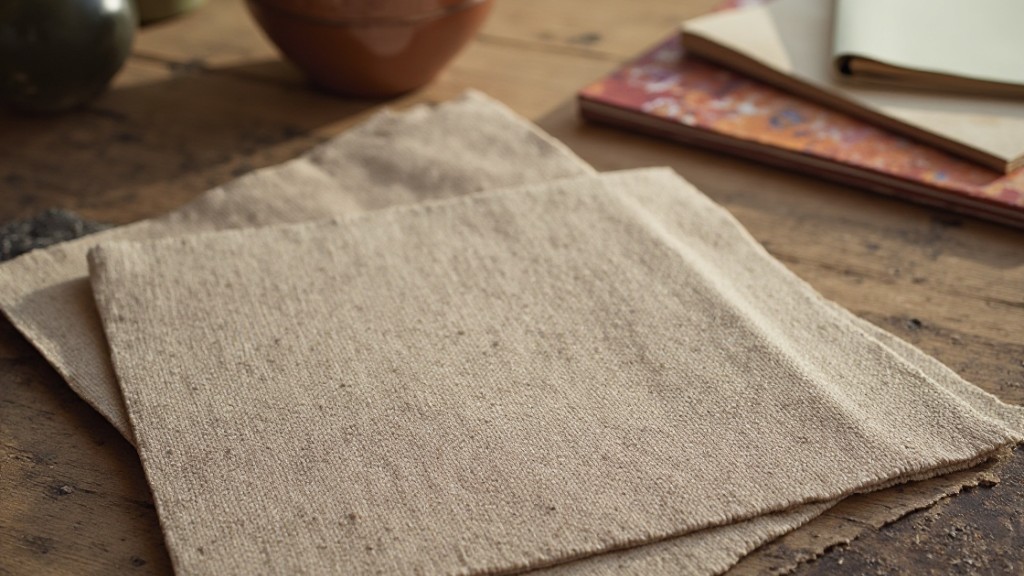
When you consider textured surfaces for your product photography, think about the various types, like wood, fabric, and stone, as each brings its unique character to the image.
These textures not merely improve visual storytelling but additionally provide a context that highlights your product’s design and purpose.
Types of Textures
Textured surfaces play a crucial role in product photography by adding depth and dimension to images.
When selecting a background for shooting, reflect on how different textures improve your product’s appeal. Here are four types of textures to evaluate for your product display background:
- Wood: Adds warmth and a natural feel.
- Fabric: Options like linen or burlap bring a rustic charm, increasing relatability.
- Stone: Provides a sturdy, timeless backdrop, evoking durability.
- Marble: Conveys luxury and sophistication with its smooth finish.
Using these textured surfaces can create a tactile feel in your photographs, making your products more inviting.
Just verify that the textures complement your products, as overly busy backgrounds can distract from the main focus.
Enhancing Visual Storytelling
Choosing the right textured surface isn’t merely about aesthetics; it plays a significant role in improving visual storytelling in product photography.
Textured surfaces, like wood, fabric, or stone, add depth to product background images, making items feel more tangible and relatable. Each texture can evoke specific emotions, such as rustic wood conveying warmth or sleek metal suggesting modernity.
Layering different textures creates a rich narrative, embedding the product within a resonant context. Furthermore, the choice of texture influences light interaction, generating micro-shadows and highlights that draw attention to product details.
Effectively utilizing textured backgrounds not only raises visual appeal but also improves brand perception, communicating quality and craftsmanship that discerning consumers appreciate.
Gradient Backgrounds

Gradient backgrounds offer a subtle depth improvement that can uplift your product photography, creating a polished and sophisticated aesthetic.
Their versatility allows you to use them across various product types, ensuring that your images remain fresh and engaging.
Subtle Depth Enhancement
Even though you might think that a plain background suffices for product photography, incorporating subtle depth through gradient backgrounds can greatly improve your images.
These backgrounds create smooth shifts of color that add visual interest without overwhelming your product. Consider the following benefits of using gradient backgrounds:
- Enhances Depth: They provide a polished aesthetic that raises the product’s shapes and dimensions.
- Evokes Emotions: Gradients can set the tone, conveying sophistication or modernity for branding.
- Versatile Compatibility: They work well with various product types, maintaining a clean look.
- Cohesive Visual Narrative: Gradients can complement your product’s colors, improving visibility and coherence in your marketing materials.
Incorporating these backdrop ideas in photography can transform your images beyond a simple white product background.
Versatile Product Compatibility
Utilizing gradient backgrounds in product photography not just improves the depth of your images but likewise proves to be remarkably versatile across different product categories. These backgrounds create a smooth shift between colors, enhancing the visual appeal of items like cosmetics, electronics, and more. By tailoring gradient effects to match brand colors, you reinforce brand identity as you ensure products stand out without overwhelming the viewer. This adaptability makes gradient backgrounds an excellent choice for e-commerce platforms and social media. Here are some ideas for photo backgrounds to reflect on:
| Product Type | Ideal Gradient Colors | Context for Use |
|---|---|---|
| Cosmetics | Soft pink to lavender | Social media promotions |
| Electronics | Blue to teal | E-commerce listings |
| Fashion | Gray to pastel hues | Lookbooks |
| Home Goods | Earth tones | Online catalogs |
| Jewelry | Black to gold | High-end product shots |
Polished, Sophisticated Aesthetic
When you want to create a polished and sophisticated aesthetic in product photography, gradient backgrounds offer an effective solution that improves the overall presentation.
These backgrounds provide subtle depth and dimension without distracting from the product. Here are four key benefits of using gradient backgrounds:
- Visual Interest: Smooth shifts between colors enhance the overall appeal and draw attention to the product.
- Versatility: They complement various product types, from fashion to electronics, ensuring a cohesive look across marketing materials.
- Emotional Resonance: Different color gradients can evoke specific emotions, tailoring visuals to your target audience.
- Lighting Importance: Proper lighting emphasizes color shifts, keeping the product as the focal point.
Natural Elements

Natural elements play a fundamental role in enhancing product photography by adding authenticity and visual interest. Incorporating features like plants, stones, or sand connects your product to its organic surroundings, making the images more relatable. Utilizing greenery can introduce lively colors and create a fresh atmosphere, ideal for eco-friendly brands. Natural surfaces, such as wood or stone, provide depth and texture, elevating the perceived quality of your product. Water settings, including rivers or lakes, evoke a calming mood, perfect for beauty products aiming for elegance. Seasonal elements, like autumn leaves or snow, can creatively convey themes, keeping your photography relevant year-round.
| Element | Effect on Photography | Best For |
|---|---|---|
| Plants | Introduces color and life | Eco-friendly products |
| Wood/Stone | Adds texture and depth | Artisan goods |
| Water | Evokes luxury and calm | High-end items |
Lifestyle Settings
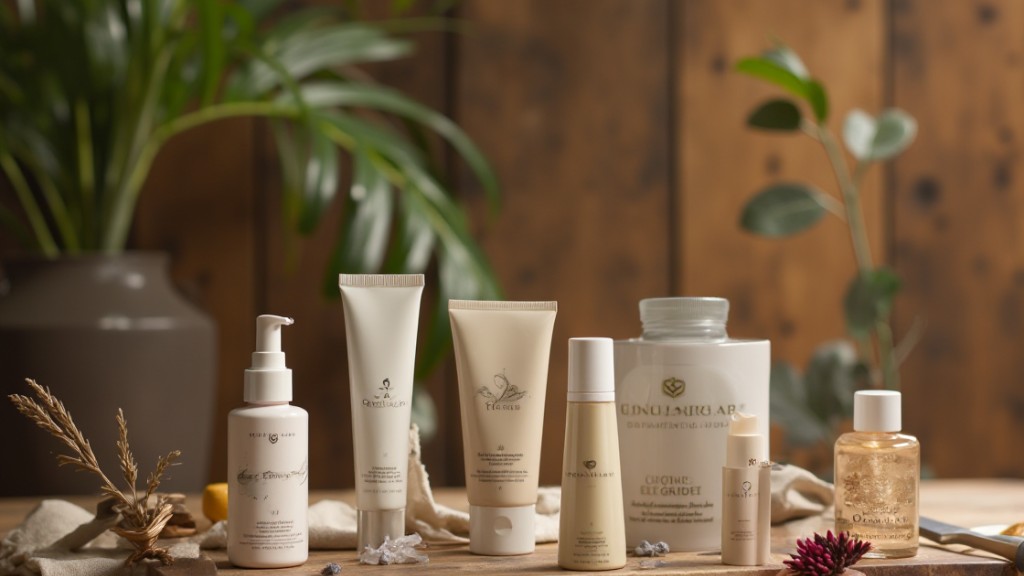
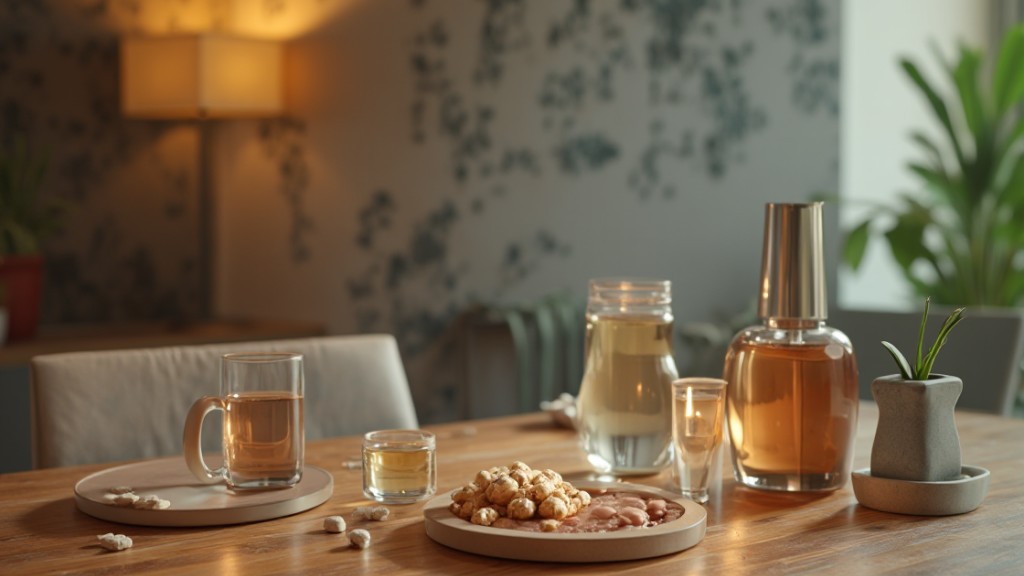
Lifestyle settings in product photography serve as influential tools for showcasing how products seamlessly integrate into everyday life.
These relatable scenarios help customers envision how items fit into their daily routines, amplifying emotional engagement and increasing purchase likelihood.
Here are some effective ways to utilize lifestyle settings:
- Home Interiors: Use cozy living rooms or stylish kitchens to create warmth and authenticity, resonating with consumers.
- Outdoor Settings: Capture products in parks or beaches to boost realism, especially for adventure-related items.
- Seasonal Backgrounds: Incorporate autumn leaves or summer florals to evoke specific moods, keeping content fresh and relevant.
- Contextual Elements: Include furniture or decorative items to complement products, reinforcing brand identity and storytelling.
Vinyl Backdrops

Vinyl backdrops offer a practical solution for product photography, combining durability with versatility. These backdrops are reusable and easy to clean, making them a cost-effective choice over time, even though the initial investment is higher.
They come in various styles, allowing you to mimic textures, patterns, or solid colors that fit your product’s aesthetic. Lightweight and portable, vinyl backdrops enable easy setup and transport for both on-location shoots and studio setups.
However, you should be aware of potential sheen issues; careful lighting adjustments are necessary to avoid distracting reflections. Unlike paper backdrops, which can tear easily, vinyl options maintain their quality through multiple uses, making them ideal for brands that require consistent imagery.
With such benefits, vinyl backdrops can greatly improve your product photography, ensuring that your images are both striking and professional.
Fabric and Cloth

When you choose fabric and cloth backdrops for product photography, you gain access to versatile textures and patterns that can enhance your images.
As you manage wrinkles, it’s crucial for a polished look. Techniques like steaming and careful hanging can help maintain a smooth surface.
Furthermore, coordinating colors with your brand can create a cohesive and visually appealing presentation across your product lines.
Versatile Textures and Patterns
Fabric and cloth backgrounds serve as essential tools in product photography, offering durability and versatility that paper options simply can’t match. They provide various textures that improve depth and visual interest.
Here are some key benefits to reflect upon:
- Mood Conveyance: Different fabrics, like linen or velvet, evoke unique feelings; soft textures suggest warmth, whereas smooth fabrics imply elegance.
- Dynamic Layering: Combining multiple fabrics can create a rich aesthetic, adding complexity and improving storytelling.
- Color Selection: Neutral tones accentuate product details, while bold colors create striking contrasts that draw attention.
- Versatile Styles: You can easily switch between looks by changing fabric types, making them adaptable for various products.
Wrinkle Management Techniques
To achieve a polished look in your product photography, managing wrinkles in fabric and cloth backdrops is essential. Start by pre-washing and ironing the fabric to guarantee a smooth, clean surface.
A steamer is your best friend for quick wrinkle removal—just steer clear of scorching the material. Hanging your backdrops vertically lets gravity help reduce wrinkles over time.
For temporary setups, weights or clips at the bottom can keep the fabric taut, preventing unsightly creases during shoots. Furthermore, consider investing in wrinkle-resistant fabrics, such as polyester blends.
These materials maintain a smooth appearance with less maintenance compared to traditional cotton, making your photography process easier and more efficient.
Color Coordination Strategies
Selecting the right colors for your fabric and cloth backgrounds can greatly boost the visual appeal of your product photography. Here are some effective color coordination strategies to contemplate:
- Complementary Colors: Choose fabrics that improve your product’s colors, like soft pastels for lively items.
- Textured Fabrics: Use materials like linen or burlap to add depth and coordinate with earthy tones, creating a warm atmosphere.
- Layering Techniques: Combine different fabric colors and textures to form a dynamic backdrop that highlights your product while ensuring a cohesive palette.
- Avoid Busy Patterns: Stick to subtle textures or solid colors to keep the focus on your product without distractions.
Implementing these strategies can raise your product photography considerably.
Decorative Tiles
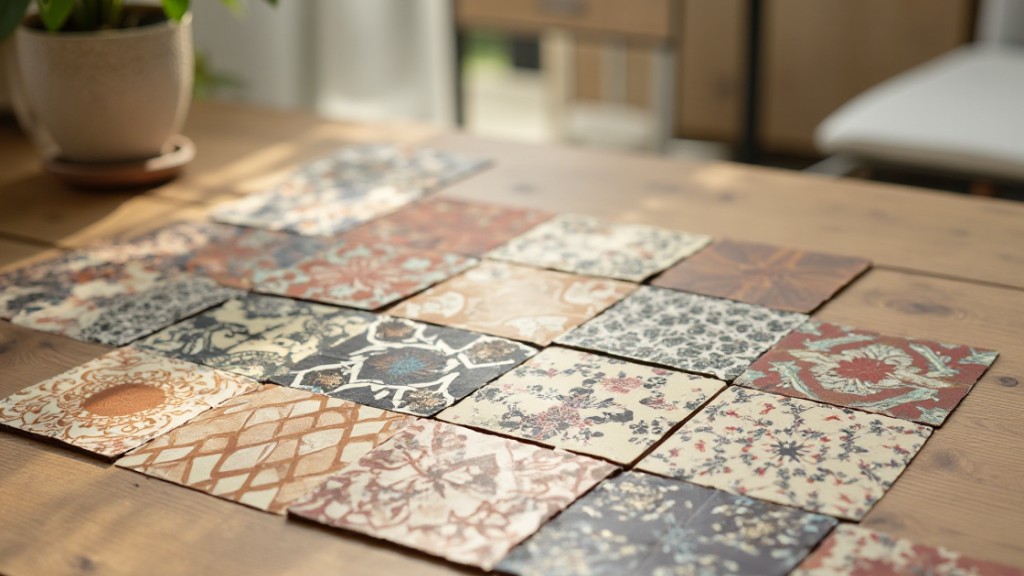
Decorative tiles offer a unique opportunity to improve your product photography. They come in various textures and patterns, providing creative versatility that raises visual storytelling and reinforces brand identity.
With finishes like glossy, satin, or matte, these tiles add dimension to flat lays and product displays, making them ideal for lifestyle and fashion photography.
While small sections of decorative tile can be affordable, larger installations may become pricey, so careful planning is crucial for budget efficiency.
Fortunately, tiles are easily cleaned and reused, making them a durable option for consistent, professional backdrops across multiple shoots.
Using decorative tiles can evoke sophistication and artistry, appealing to higher-end markets and increasing the perceived quality of your products.
Smoke Effects
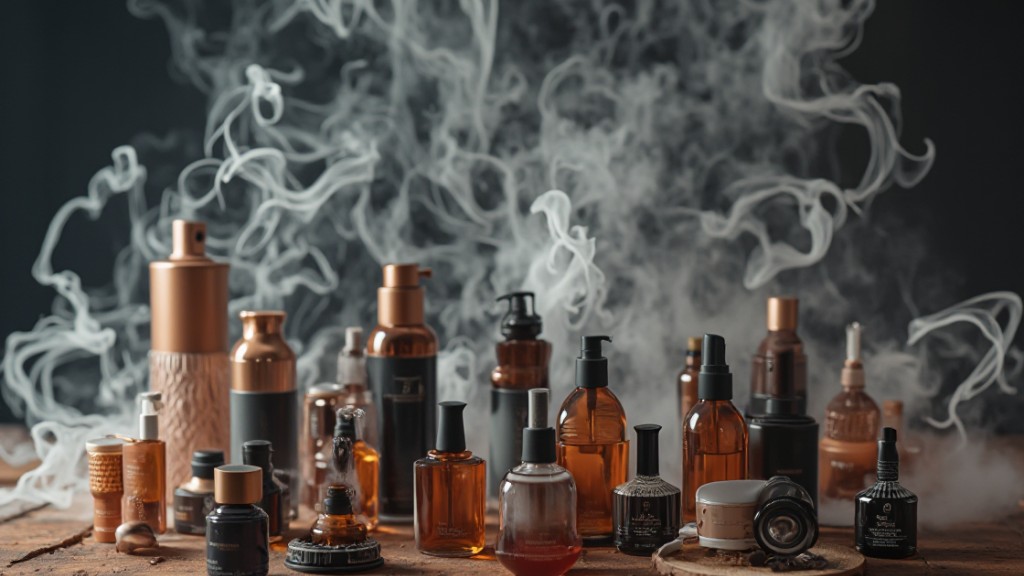
Smoke effects can transform your product photography by adding an ethereal atmosphere that boosts visual appeal. By incorporating smoke, you can create a unique backdrop that improves the overall aesthetic of your images.
Here are some key benefits of using smoke effects:
- Controlled Density: Utilizing fog machines or smoke bombs lets you adjust the intensity and mood of your shots.
- Dramatic Lighting: The interplay of smoke with lighting produces striking contrasts and highlights, showcasing product features and textures.
- Natural Diffuser: Smoke softens harsh lighting and reduces shadows, leading to improved image quality.
- Safety Precautions: Always test smoke effects in ventilated areas and use equipment that contains the smoke for better control.
Incorporating smoke effects into your photography can lift your work, making it visually appealing and professionally executed.
Foliage Enhancements
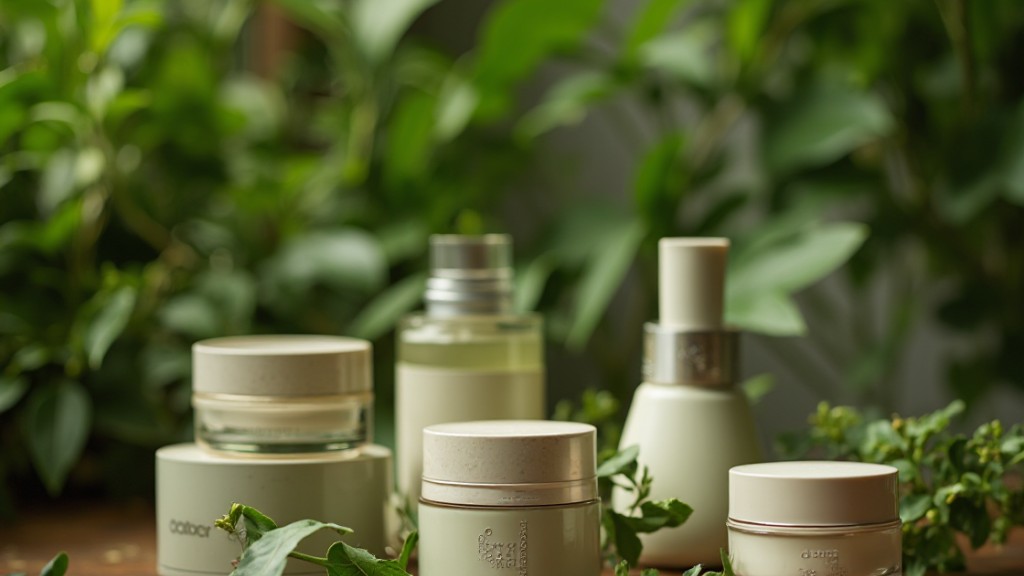
Though smoke effects can add an intriguing layer to your product photography, foliage improvements offer a more natural approach that can greatly boost your images.
Foliage backgrounds introduce elements that improve product vibrancy and evoke a sense of freshness, making them particularly effective for eco-friendly and lifestyle products. By incorporating greenery, you create a warm and lively atmosphere that resonates with consumers.
For a mid-range budget, consider using potted plants, leaves, or even artificial greenery, which are easily sourced from local craft stores or online retailers.
Foliage not only adds depth and texture but also allows for creative layering, improving the storytelling aspect of your photography. When selecting foliage, focus on the color and type of greenery to guarantee it complements your product without overwhelming it, thereby maintaining the viewer’s focus on the item being showcased.
This thoughtful approach can greatly boost the overall impact of your product images.
Frequently Asked Questions
What Is the Best Background for Product Photography?
The best background for product photography depends on the product itself.
For reflective items, choose simple, controlled backgrounds to minimize distractions. Colorful products shine against neutral or contrasting colors.
Solid white or gray backgrounds are popular in e-commerce for clarity and focus.
If you’re showcasing lifestyle products, textured backgrounds like wood or fabric can add authenticity.
Consistency across different product lines is key to maintaining brand recognition and visual identity.
What Is the 20 60 20 Rule in Photography?
The 20 60 20 rule in photography suggests dividing your composition into three sections: 20% for the subject in the foreground, 60% for the middle ground, and 20% for the background.
This balance helps your subject stand out as the middle ground adds context, and the background complements without distracting.
You can apply this rule across various photography styles, but feel free to adjust it based on your creative vision and specific subject matter.
What Are Some Unique Backdrop Ideas?
You can explore various unique backdrop ideas to improve your product photography.
Consider using natural elements like foliage or stones for an organic feel. Abstract designs with modern shapes can highlight your products artistically.
Textured backdrops, such as wood or fabric, create depth, as color gradients bring dynamic shifts.
Moreover, lifestyle settings allow products to be showcased in relatable environments, effectively engaging potential customers by placing the product in a real-world context.
How to Set up a Background for Product Photography?
To set up a background for product photography, start by choosing a color and texture that improves your product.
Guarantee proper lighting to avoid unwanted shadows and reflections. Keep the setup clean and free of distractions.
Experiment with materials like fabric, paper, or vinyl to find the best fit for your product’s style.
Consider the product’s scale; larger items may need more substantial backgrounds, whereas smaller ones benefit from detailed textures.
Conclusion
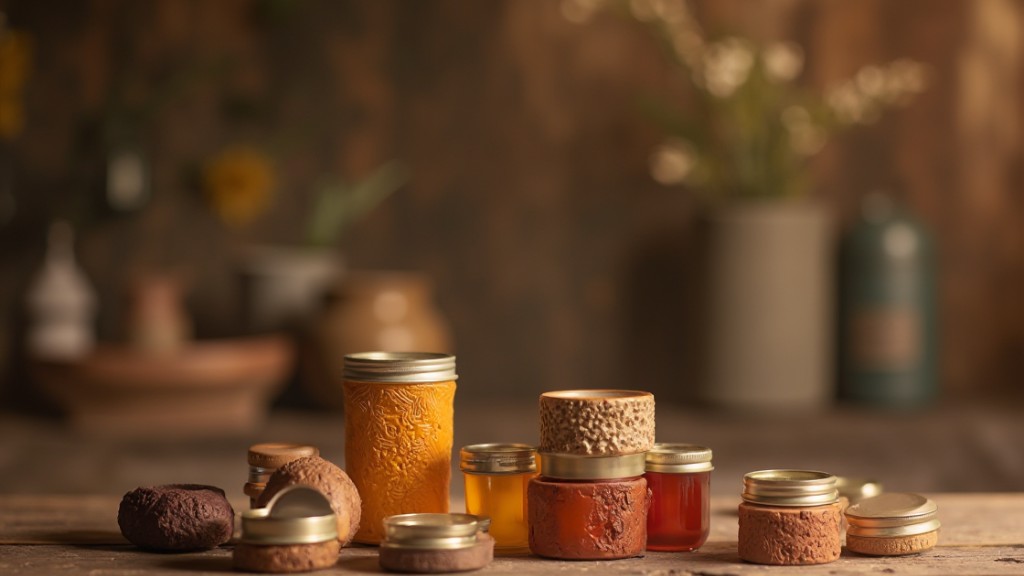
Incorporating diverse backgrounds in product photography can greatly improve your visuals and brand message. By selecting from solid colors, textured surfaces, or natural environments, you can create images that resonate with your target audience. Each background type serves a unique purpose, whether it’s drawing focus to the product or enriching the overall narrative. By experimenting with these options, you’ll find the perfect backdrop to raise your photography, making your products more appealing and engaging to potential buyers.
Image via Google Gemini