
When you’re preparing for a craft show, success hinges on a few key strategies. First, your booth should be inviting and well-organized, drawing in potential customers. Next, engaging with visitors through friendly conversations can make a significant difference. Consider offering a range of prices to appeal to various budgets. Furthermore, keeping thorough track of your sales is vital for comprehending your performance. With these basics in mind, you might wonder how to refine your approach even further.
Key Takeaways

- Create an inviting booth with effective use of space, attractive signage, and adequate lighting to draw in customers.
- Engage with visitors by smiling, asking open-ended questions, and offering product demonstrations to foster connections.
- Offer a varied price range to cater to different budgets, including lower-priced impulse buys and higher-end items for perceived value.
- Keep track of your sales meticulously with logs or apps, analyzing data for better inventory and pricing strategies.
- Continuously analyze customer behavior and feedback to adjust your product offerings and booth presentation for optimal success.
Create an Inviting Booth
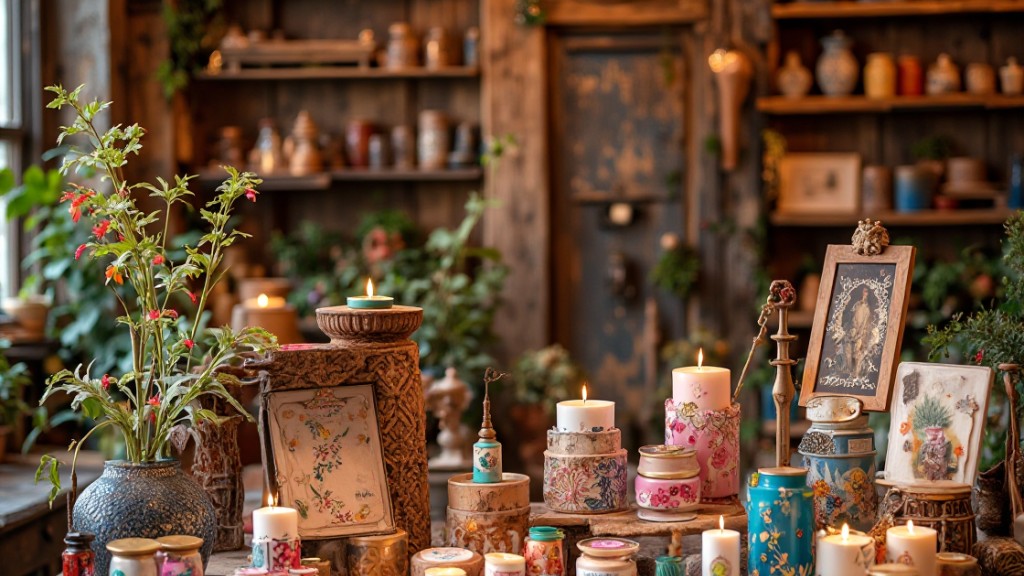
Creating an inviting booth is essential for attracting customers and maximizing sales at craft shows. When selling crafts at craft fairs, using vertical space effectively can draw the eye upwards, creating a dynamic display. Incorporate shelves or stacked displays to showcase your products.
Arrange items so they’re easily accessible, placing high-demand products at eye level to encourage sales. Clear and attractive signage displaying your business name, product details, and prices improves visibility and reduces confusion.
Make sure you use adequate lighting to highlight your crafts, as well-lit displays greatly improve booth appeal. Keep your booth organized and clutter-free by periodically replenishing sold items and storing excess stock out of sight.
This approach helps maintain a professional appearance, making it easier for customers to navigate your space. By implementing these strategies, you’ll create an inviting atmosphere that not only draws customers in but likewise encourages them to make purchases.
Engage With Customers
How can you effectively engage with customers at your craft show booth? Start by greeting every visitor with a warm smile and a friendly demeanor. This creates an inviting atmosphere and encourages people to browse your products.
Use open-ended questions to spark conversations, allowing customers to express their preferences and interests, which can lead to increased sales when selling at craft fairs. Demonstrating your products or offering samples can provide a hands-on experience, greatly boosting customer interest.
It’s also essential to maintain an active presence on the sales floor; being approachable and available for questions improves engagement.
Finally, collect contact information from interested customers to build a mailing list for future promotions and follow-ups. This strategy nurtures long-term relationships and can lead to repeat business, eventually contributing to your success in selling at craft fairs.
Offer a Varied Price Range
A varied price range can greatly improve your craft show booth’s appeal, allowing you to attract a broader audience. When selling crafts at craft shows, offering products at different price points helps cater to customers with various budgets.
Including lower-priced items can draw in impulse buyers, whereas higher-end products can elevate the perception of value and quality, encouraging customers to spend more. Research indicates that 70% of shoppers prefer seeing a range of prices, aiding their purchasing decisions.
Additionally, providing multiple versions of products within the same theme increases the likelihood of upselling, as customers may be tempted to buy more than one item. A diverse pricing strategy not only boosts your sales potential but likewise allows you to connect with both bargain hunters and those willing to invest in premium items.
Keep Track of Your Sales
Keeping track of your sales during a craft show is vital for comprehending the performance of your booth and making informed decisions. Maintain a detailed sales log, noting each transaction, item sold, and payment method used to track performance accurately.
Using a simple spreadsheet or a sales tracking app can help you categorize sales by product type and price point, enabling you to identify bestsellers and adjust your inventory accordingly. Regularly tally your sales throughout the event to gauge daily performance, allowing you to make real-time decisions about restocking or promoting specific items.
Additionally, keep receipts and records of all transactions to simplify accounting and tax reporting post-show, ensuring compliance with local sales tax regulations.
Finally, analyze your total sales against your initial inventory to assess turnover rates, which will inform your production planning for future craft shows, eventually enhancing your selling at craft shows strategy.
Analyze and Adjust Your Strategy
As you navigate through the craft show, it’s vital to analyze and adjust your strategy based on real-time observations and data.
Regularly observe customer behavior and feedback to identify which products attract the most attention and which don’t. This will allow you to make informed adjustments to your inventory and display.
Keep track of sales data to understand demand patterns; restock quickly on popular items as you phase out underperformers.
Post-show evaluations are important for analyzing pricing strategies and customer engagement methods, helping you refine your approach.
Engage with fellow vendors after the show to gain insights into their successful craft fair ideas that sell, which can inspire adjustments to your own tactics.
Finally, be flexible and willing to pivot your product offerings or booth presentation in response to customer preferences observed during the event.
Adaptability is key to maximizing your selling success.
Frequently Asked Questions

How to Sell Well at Craft Fairs?
To sell well at craft fairs, focus on curating a limited selection of products that share a common theme and price range.
Design an inviting booth with clear signage and organized displays that attract customers.
Engage visitors by greeting them warmly and initiating conversations about their interests.
Clearly display prices to facilitate quick decisions.
Track your sales and customer feedback to identify trends, which will help you manage inventory for future events.
What Sells the Most at Craft Fairs?
At craft fairs, handmade jewelry often tops sales because of its unique and personalized appeal.
Seasonal items like holiday decorations attract buyers during specific times of the year, particularly around major holidays.
Home décor items, such as wall art and candles, likewise sell well.
Furthermore, affordable small items, including keychains and greeting cards, entice impulse buyers.
Functional goods, like tote bags and kitchenware, cater to practical shoppers, contributing greatly to overall sales.
What Not to Sell at a Craft Fair?
When considering what not to sell at a craft fair, avoid overly common items found in big-box stores, as they won’t attract customers seeking unique products.
Don’t sell items requiring complex licensing, like food or cosmetics, without proper permits. High-priced products need clear value justification to avoid deterring buyers.
Furthermore, steer clear of items difficult to transport or display, and guarantee your offerings align with the audience’s interests to maximize sales potential.
What Is the Most Profitable Craft to Sell?
The most profitable craft to sell often includes handmade jewelry, which boasts high margins because of low material costs and strong consumer demand.
Customizable items, like personalized gifts, likewise attract buyers willing to pay more for uniqueness.
Seasonal crafts can yield significant profits during peak shopping times.
Furthermore, eco-friendly products appeal to environmentally conscious consumers, whereas art prints can be highly profitable for artists with effective marketing strategies.
Focus on these categories for better returns.
Conclusion
In conclusion, successfully selling at craft shows requires a strategic approach. By creating an inviting booth, engaging with customers, offering a varied price range, carefully tracking sales, and being open to adjustments based on feedback and data, you can improve your overall performance. Implementing these five crucial tips will not just improve your immediate sales outcomes but will additionally help you build a stronger foundation for future events, ensuring you adapt to changing customer preferences and market trends effectively.
Image via Google Gemini