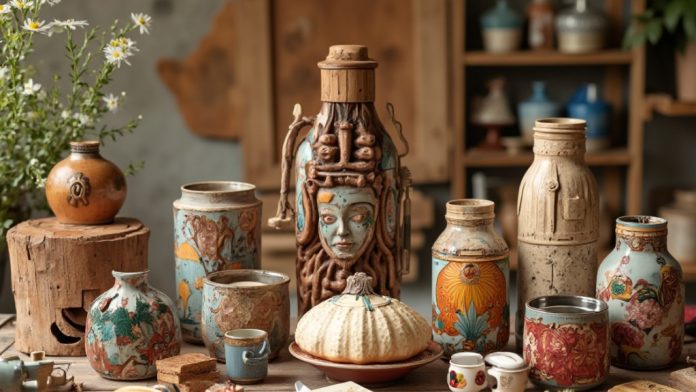
When you think about boosting sales, creative product photography plays an essential role. It’s not just about showcasing your items; it’s about engaging potential buyers through various techniques. From using solid backgrounds to telling a story with lifestyle shots, each approach can improve your product’s appeal. Comprehending how to effectively represent size and incorporate seasonal elements can make a significant difference. Let’s explore these strategies and how they can raise your product images.
Key Takeaways
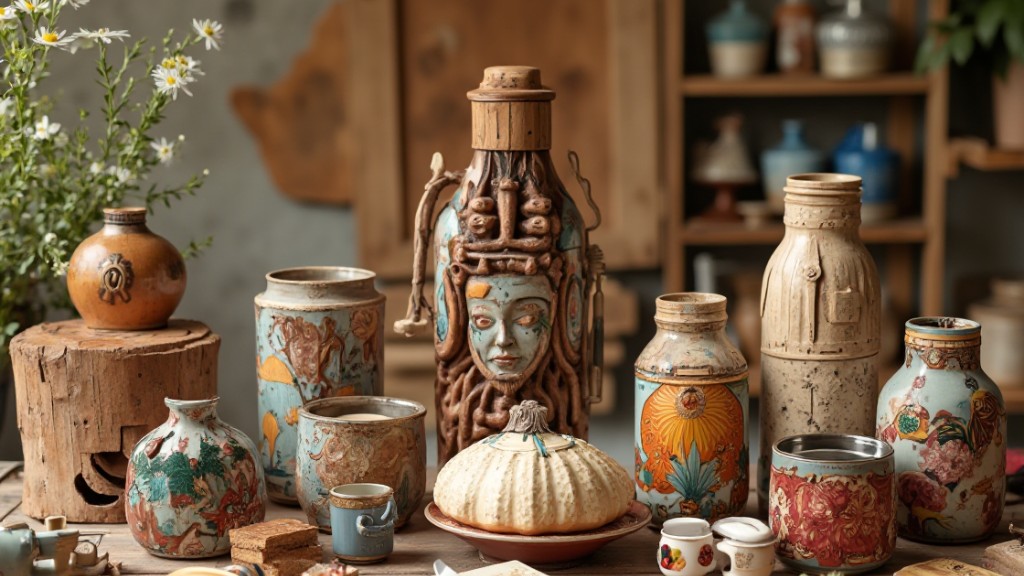
- Utilize solid backgrounds to enhance product visibility and appeal, increasing buyer confidence in eCommerce settings.
- Incorporate lifestyle photography to create relatable contexts, boosting emotional connections and potentially increasing conversion rates by up to 30%.
- Showcase intricate details through close-up shots, enhancing perceived quality and justifying higher price points with a potential 33% increase in conversions.
- Implement dynamic angles and flat lay compositions to engage viewers, providing fresh perspectives that highlight product features and storytelling.
- Maintain color consistency across product images to enhance brand recognition and aesthetic appeal, supporting overall marketing strategies and boosting sales.
Use a Solid Background
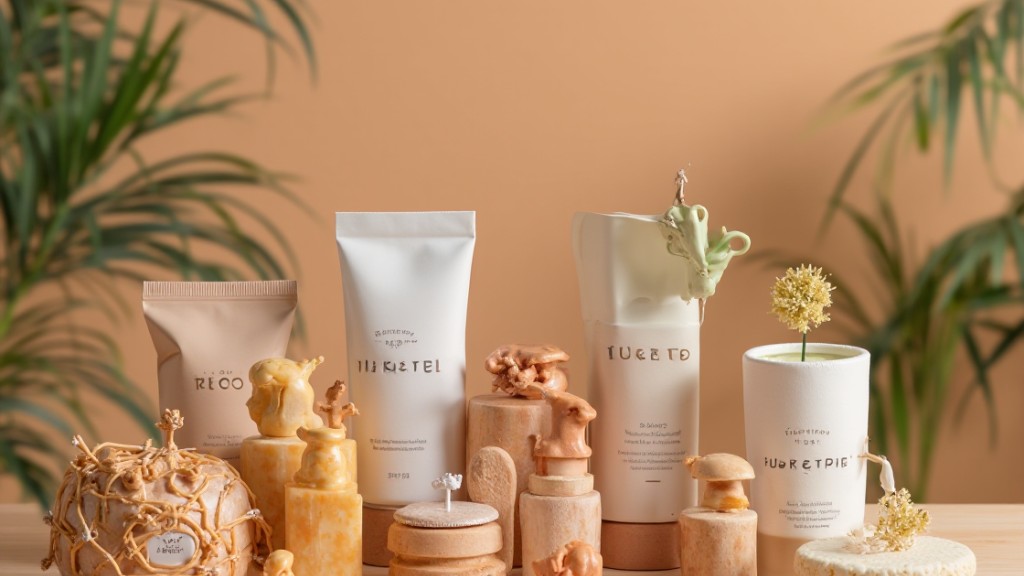
Using a solid background is fundamental for showcasing your product effectively. Solid backgrounds, especially classic white, eliminate distractions, allowing your product to take center stage. This approach is ideal for online stores and marketplaces like Amazon, where a clean appearance can boost buyer confidence.
When you present product photography examples with a clear background, you meet the requirements of most eCommerce platforms, ensuring professionalism.
However, don’t shy away from bold colored backgrounds in your creative product photography. These can add personality and draw attention to unique features, enhancing engagement.
For packshot photography, solid backgrounds are critical—they highlight your product’s details as well as maintaining a cohesive visual presentation. Utilizing high-contrast combinations additionally improves visibility, capturing shopper attention effectively.
Essentially, using solid backgrounds not just enhances your product’s appeal but increases the likelihood of a purchase, making it a fundamental aspect of your photography strategy.
Tell a Story With Lifestyle Photography
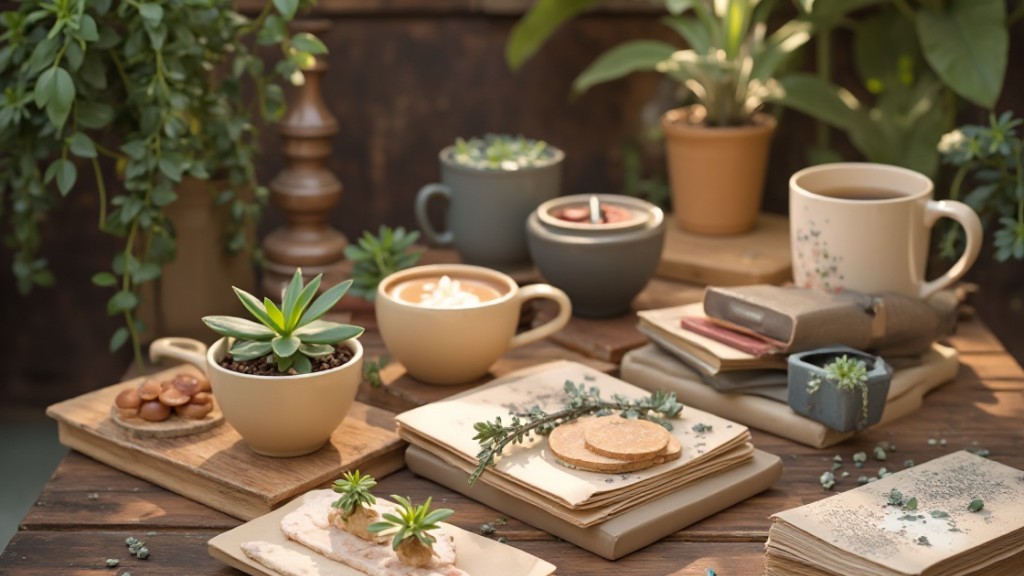
Lifestyle photography greatly improves relatability by placing products in real-world contexts, allowing you to see how they fit into everyday life.
This approach not only evokes emotional connections with potential buyers but likewise makes the products more appealing by showcasing their intended use through carefully selected props and settings.
Enhance Relatability Through Context
When you incorporate context into product photography, it not just showcases the item but also helps potential customers envision how it fits into their everyday lives.
By using lifestyle photography, you can capture products in real-world scenarios, making them relatable. Consider creative product photos that feature diverse demographics and activities, which broadens your appeal and improves inclusivity.
Incorporating props and accessories adds a narrative, allowing customers to see practical applications of your products. These product photography ideas increase engagement; studies show lifestyle images can boost conversion rates by up to 30% compared to standard shots.
In the end, aligning your products with specific contexts effectively communicates their benefits, helping customers understand their potential value in daily use.
Evoke Emotional Connections Effectively
Effective storytelling in product photography can greatly boost emotional connections with potential customers, ultimately affecting their buying decisions.
Lifestyle photography improves relatability by showing products in real-life scenarios, allowing you to envision their use in your life. Incorporating props and accessories sets the scene, evoking emotional responses that connect you with the brand narrative.
By showcasing products in action, lifestyle imagery illustrates functionality as it creates aspirational visuals that resonate with your interests, inspiring purchases. Remarkably, 65% of consumers report that storytelling influences their purchase intent, making emotional connections crucial.
Furthermore, featuring diverse demographics broadens appeal, ensuring the brand feels relatable to a wider audience, thereby increasing engagement and conversion rates effectively.
Shoot Close Up to Showcase Details
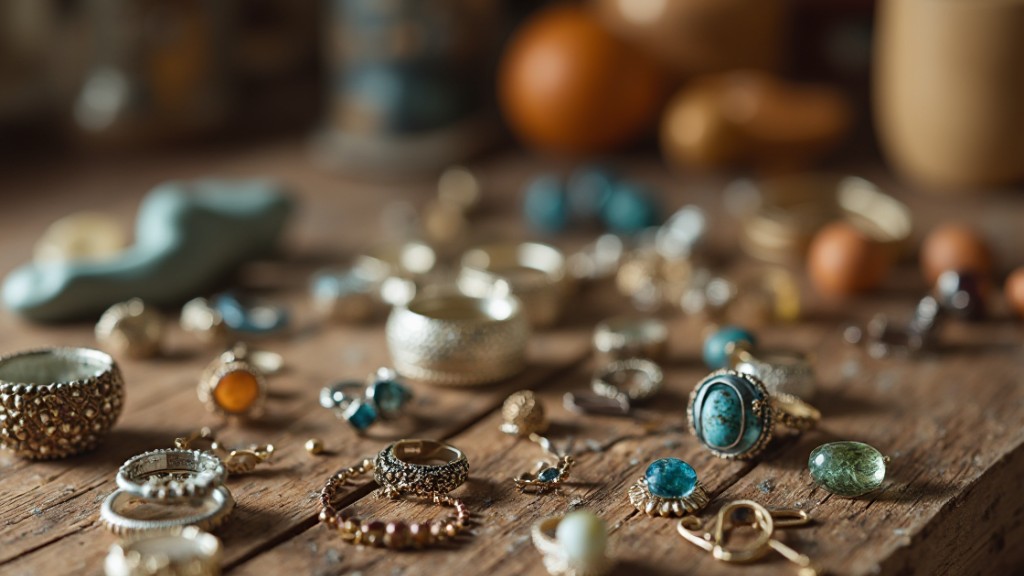
Close-up shots serve as a strong tool for showcasing the intricate details of your products, allowing customers to appreciate their texture and craftsmanship.
These detailed images are crucial, especially for luxury items, where highlighting unique features can justify a higher price point. Studies show that close-up photography can boost conversion rates by up to 33%, as it provides a true representation of quality.
By engaging customers’ senses, these images help them visualize the product in their lives, making it more likely they’ll make a purchase. Incorporating close-ups into your eCommerce product pages is fundamental, as they capture critical details that potential buyers care about.
This level of detail not merely informs but additionally builds confidence in the product’s quality, influencing purchasing decisions.
In the end, effective close-up photography can greatly improve your online sales strategy by demonstrating the value and craftsmanship that set your products apart.
Show Your Product Scale/Size

To effectively communicate your product’s scale or size, incorporating relatable references in your images is essential. When customers can envision dimensions alongside familiar objects, they’re more likely to feel confident in their purchase. Including accessories or everyday items next to your product gives a clear reference point, reducing uncertainty. You might likewise consider model photography, where a person interacts with the product, enhancing relatability and helping customers envision themselves using it.
Here’s a quick reference table to illustrate effective size representation:
| Reference Item | Purpose |
|---|---|
| Coffee Mug | Shows height and width |
| Smartphone | Indicates compactness |
| A4 Paper | Highlights length and width |
| Wallet | Demonstrates portability |
| Human Hand | Provides a personal scale |
Using these techniques can greatly impact consumer decisions, as 70% of online shoppers cite uncertainty about size as a reason for cart abandonment.
Lay Your Products Flat
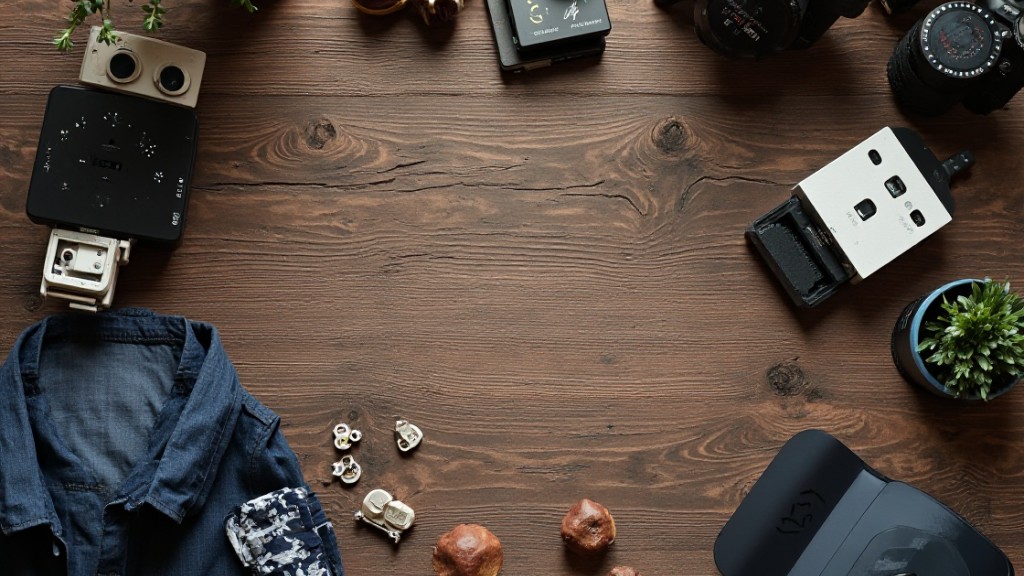
Laying your products flat can transform the way customers perceive them, offering a fresh perspective that highlights their features and details. Flat lay photography arranges your items in a clean, overhead layout, effectively showcasing their unique qualities as it creates visually appealing compositions that draw attention.
This style works particularly well for social media grids and website banners, improving your brand aesthetics and maintaining a cohesive visual identity.
To add depth, incorporate complementary props in your flat lay setups, as these elements provide context and storytelling, making the images more relatable for potential customers.
Flat lays likewise simplify the process of creating attractive visuals customized for seasonal themes, which helps resonate emotionally with your audience. This technique allows for creative flexibility, enabling you to experiment with various styling options, colors, and textures to improve product visibility and appeal, eventually boosting your sales potential.
Play With Lighting
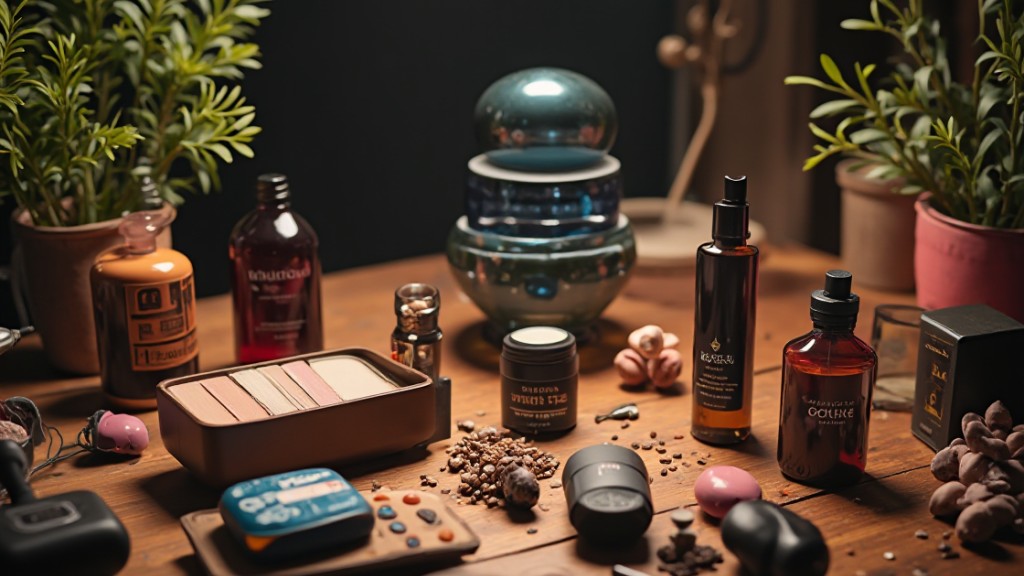
When you play with lighting, you can greatly improve the appeal of your product photos.
Natural light often brings warmth and soft shadows, whereas controlled lighting allows you to highlight specific features for a more polished effect.
Natural Light Effects
Natural light plays a crucial role in enhancing product photography, providing a warm and inviting atmosphere that naturally draws in potential buyers.
Experimenting with the direction of natural light can yield varied effects; for instance, side lighting emphasizes textures, whereas backlighting creates a soft glow around your products, adding depth and interest.
Shooting during the “golden hour,” right after sunrise or before sunset, offers the most flattering light, resulting in soft shadows and rich colors that uplift your images.
Furthermore, natural light reduces the need for extensive post-editing, allowing for authentic representations of product colors and textures.
Incorporating natural light setups can likewise save costs, minimizing reliance on expensive artificial lighting while achieving professional-quality results.
Controlled Lighting Techniques
Building on the importance of natural light, controlled lighting techniques offer another way to improve your product photography. By using softboxes or diffusers, you can minimize harsh shadows, achieving even lighting that accurately reflects your product. Experimenting with various lighting angles produces unique shadows, enhancing depth and texture in your shots. This method makes your images more visually appealing.
| Lighting Technique | Resulting Effect | Ideal Use |
|---|---|---|
| Softbox | Even, soft light | Minimize shadows |
| Diffuser | Reduced harshness | Professional-quality images |
| Angled Light | Unique shadows | Add interest and dimension |
| Color Temperature | Warm or cool tones | Evoke specific moods |
| Consistent Lighting | Reliable results | Across various products/settings |
Mood and Emotion
Lighting plays a crucial role in shaping the mood and emotion conveyed through product photography, as different lighting techniques can dramatically alter the viewer’s perception. Adjusting your lighting can noticeably impact your images; for example, natural light creates warmth, whereas controlled lighting effectively emphasizes product features.
Softer lighting techniques evoke calm and luxury, particularly for high-end products, leading to a 33% higher perceived value. Experimenting with shadows and highlights adds depth, making products appear more three-dimensional and engaging.
Furthermore, mood-driven imagery improved through creative lighting can increase viewer engagement on social media by up to 60%, enhancing conversion rates. Finally, using colored lighting aligns product presentation with seasonal themes or brand identity, nurturing better customer connection and driving sales.
Keep Things Monochrome

When you choose to keep things monochrome in product photography, you’re not just making a stylistic choice; you’re creating a visual language that can greatly impact your brand’s identity. A sleek and cohesive look emerges, allowing your products to shine through a unified color palette that improves their visual impact.
This singular color scheme helps establish a strong brand identity, ensuring a recognizable and consistent aesthetic across all your marketing channels.
Monochrome images are particularly effective for social media grids and website banners, as they capture viewer attention and encourage engagement. By simplifying visual storytelling, you place the product at the center, free from distractions posed by competing colors or elements.
In addition, high-contrast monochrome photography can evoke specific emotions, resonating with customers and improving brand perception. Eventually, this strategy can effectively drive sales as it reinforces your brand’s unique identity in a crowded marketplace.
Embrace the Season
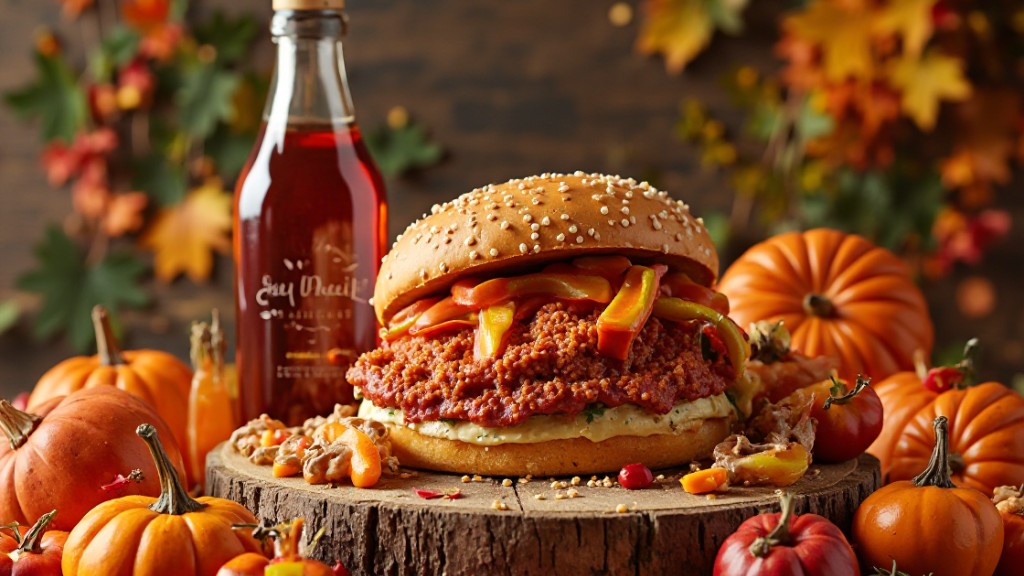
To truly connect with your audience, you should embrace seasonal photography that aligns your products with the time of year.
Using color palettes that reflect the season, along with festive-themed props, not just improves visual appeal but additionally taps into the emotions of potential buyers.
This approach can greatly boost engagement and sales, making your marketing efforts more effective.
Seasonal Color Palettes
Embracing seasonal color palettes in your product photography can greatly boost customer engagement and brand recognition.
By using pastels and florals in spring or festive tones during the holidays, you can evoke emotional connections and improve the appeal of your products. Seasonal imagery aligns your offerings with specific times of the year, resonating more deeply with customers, especially during promotions.
Studies show that visually appealing seasonal photos lead to higher social media interaction, boosting shares and engagement rates, which can directly influence sales.
Furthermore, incorporating seasonal themes improves storytelling, making your products feel timely and relevant, encouraging impulse purchases.
A cohesive seasonal color palette strengthens your brand identity, making it more memorable during key shopping periods.
Festive Themed Props
Festive themed props can improve your product photography by creating a visually appealing context that resonates with seasonal celebrations. By incorporating these props, you can evoke specific moods and make your products more relatable, increasing the likelihood of customer purchases.
Here are three effective ways to utilize festive themed props:
- Seasonal Colors: Use pastels for spring or warm tones during winter holidays to align with the season’s vibe.
- Contextual Scenarios: Showcase your products in relatable situations, like holiday gatherings or seasonal activities, helping customers visualize their use.
- Social Media Engagement: Create visually appealing content that aligns with seasonal themes to boost shares and amplify your brand’s visibility during peak shopping seasons.
Emotionally Resonant Imagery
Incorporating emotionally resonant imagery into your product photography can greatly improve how customers connect with your offerings throughout the year.
Seasonal photography evokes emotional responses, aligning your products with specific times of the year, enhancing relatability, and increasing engagement. For instance, using pastel colors and floral themes in spring visuals or festive tones during holidays creates a stronger connection to your products.
This type of imagery can lead to higher conversion rates, as customers often feel inspired to purchase items that reflect the current mood or celebration.
Take Things Outdoors
Taking your product photography outdoors can greatly elevate the overall appeal of your images.
Outdoor settings naturally enrich the aesthetics of your products, especially for eco-friendly brands that value sustainability. By utilizing natural light, you create a warm atmosphere perfect for lifestyle imagery that resonates with consumers.
Here are three key benefits of outdoor photography:
- Contextualization: It helps customers envision using your product in real-life scenarios, making them more likely to purchase.
- Emotional Connection: Incorporating elements like greenery can evoke emotional responses, strengthening the narrative around your product.
- Increased Engagement: Research indicates that products showcased outdoors can lead to a 20% increase in social media engagement, as relatable imagery attracts more consumers.
Make Your Product Pop
To make your product pop in photography, focus on high-contrast colors that draw attention to unique features. This strategy improves visibility, making your product stand out against its background. Employ composition techniques like the rule of thirds to guide the viewer’s eye to your product’s focal point. Using bold backgrounds or props that complement the product can as well heighten its appeal, creating a memorable visual impact.
Dynamic angles and perspectives are crucial; they help highlight unique attributes and guarantee your product captures attention in a crowded marketplace. Consistent use of lively colors can boost conversion rates considerably, as visually compelling content engages customers more effectively.
| Technique | Description | Benefit |
|---|---|---|
| High-Contrast Colors | Draw attention to unique features | Increases viewer engagement |
| Rule of Thirds | Guides viewer’s eye to focal points | Improves product visibility |
| Bold Backgrounds | Complements product, making it visually striking | Improves overall appeal |
| Dynamic Angles | Highlights unique attributes | Captures attention effectively |
| Consistent Colors | Engaging visuals lead to higher conversion rates | Boosts sales by 33% |
Frequently Asked Questions
What Equipment Is Essential for High-Quality Product Photography?
For high-quality product photography, you’ll need vital equipment. Start with a Canon DSLR or mirrorless camera for excellent image quality.
A sturdy tripod guarantees stability, reducing blurriness. Use natural or artificial lighting sources, like softboxes, to create even illumination.
A macro lens is helpful for close-up shots, whereas a backdrop can eliminate distractions.
Finally, consider editing software to improve your images post-shoot, making certain they meet professional standards. Each piece plays a significant role in achieving clarity.
How Can I Edit Product Photos to Enhance Their Appeal?
To edit product photos and improve their appeal, start by adjusting brightness and contrast to make colors pop.
Use cropping to eliminate distractions and focus on the product.
Apply sharpening techniques to highlight details, but avoid overdoing it.
Consider using filters sparingly for a polished look.
You might additionally want to adjust saturation for lively colors.
Finally, save your images in high resolution to guarantee they look professional across various platforms.
What Are Common Mistakes to Avoid in Product Photography?
In product photography, you should avoid several common mistakes.
First, poor lighting can distort colors and details, so make sure you use natural or soft light.
Second, neglecting backgrounds can distract from the product, so opt for simple, clean settings.
Third, don’t overlook the importance of composition; a cluttered frame can confuse viewers.
Finally, avoid inconsistent image quality; all photos should have a uniform style and resolution to maintain professionalism.
How Important Is Branding in Product Photography?
Branding in product photography is essential since it establishes your identity and communicates your values.
When you consistently incorporate colors, logos, and styles associated with your brand, you create a recognizable image that resonates with consumers. This helps differentiate your products from competitors, enhancing recall.
Effective branding likewise builds trust, as customers feel more comfortable purchasing from a brand they recognize.
Can I Use Smartphone Cameras for Professional-Looking Product Photos?
Yes, you can use smartphone cameras for professional-looking product photos. Modern smartphones come equipped with advanced camera technology, including high-resolution sensors and improved lenses.
To achieve quality images, focus on good lighting, preferably natural light, and use a clean background to minimize distractions. Experiment with angles and composition, ensuring your product is the focal point.
Furthermore, utilize editing apps to improve your photos, adjusting brightness, contrast, and sharpness for a polished final result.
Conclusion
Incorporating these ten creative product photography techniques can markedly improve your sales potential. By using solid backgrounds, lifestyle contexts, and close-up shots, you can effectively showcase your products’ unique features and quality. Demonstrating scale, utilizing flat lay compositions, and embracing seasonal themes likewise attract attention. Outdoor settings and lively colors can further engage customers. By applying these strategies consistently, you’ll cultivate brand loyalty and drive conversion rates, ensuring your products stand out in a competitive market.
Image via Google Gemini