In relation to product commercial photography, achieving stunning results requires a strategic approach. You need to invest in quality equipment, select the right lens for detail, and master lighting techniques to create an impactful image. Comprehending how to compose your scene thoughtfully and experiment with different angles is equally important. As you prepare your products and improve images through post-processing, you’ll discover how each element contributes to a polished presentation that reflects your brand’s identity. What’s next in this process?
Key Takeaways
- Invest in quality equipment, including a DSLR or mirrorless camera and a versatile lens, to capture high-resolution images.
- Master lighting techniques by experimenting with different light sources and modifiers for optimal product illumination and shadow control.
- Compose your scene thoughtfully using the rule of thirds and negative space to create dynamic and engaging visuals.
- Experiment with various angles to highlight unique product features and enhance visual interest in your images.
- Utilize post-processing tools to refine images, maintain a cohesive editing style, and strengthen your brand’s visual identity.
Invest in the Right Equipment for Success
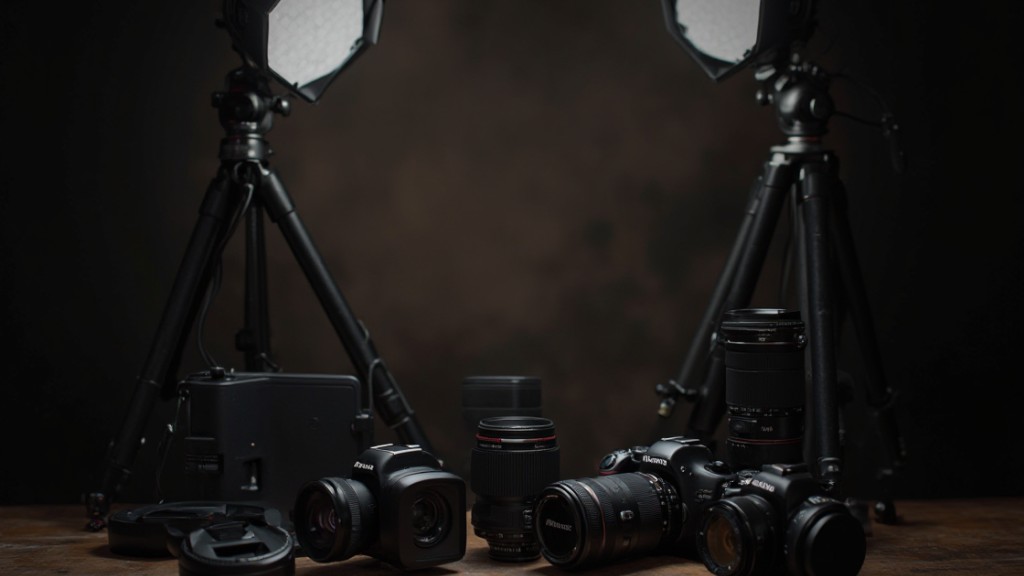
In relation to product commercial photography, investing in the right equipment is crucial for achieving high-quality images. Start with a quality camera, like a DSLR or mirrorless model, to capture high-resolution photos. These cameras offer manual exposure controls, which are critical for product photography.
A sturdy tripod is equally important; it guarantees stability during shots, allowing you to use slower shutter speeds without introducing camera shake.
Moreover, consider adding an artificial lighting kit, such as studio strobes or a lightbox, to control your lighting conditions effectively. This will improve the professionalism of your images.
Don’t forget about important accessories like backdrops, reflectors, and props. These items not just enhance the overall look of your product images but also provide creative versatility.
Choose the Perfect Lens for Detail
Selecting the right lens plays a significant role in achieving detail-oriented product photography. As a commercial product photographer, you’ll find that a macro lens with a focal length of 90-110mm is ideal for capturing intricate details, providing clarity and sharpness in close-up shots of both small and large products.
If you’re on a budget, consider a 50mm f/1.8 lens. It offers close focusing and excellent image quality without breaking the bank.
Before shooting, make sure to thoroughly clean your products, as close-up photography magnifies imperfections like dust and fingerprints, which can increase your post-processing workload.
Furthermore, using a lens with a wide aperture, like f/1.8, creates a pleasing depth of field, isolating your product from distracting backgrounds while enhancing focus on key details.
Finally, be cautious of lens distortion that can occur with wide-angle lenses; a standard lens usually provides a more natural perspective for product photography.
Master Lighting Techniques for Impact
To master lighting techniques for impactful product photography, you need to manipulate light sources effectively.
Experimenting with backlighting and side lighting can improve the depth and texture of your images, as you use reflectors to balance shadows and highlights.
Manipulating Light Sources
Acquiring expertise in the manipulation of light sources is crucial for creating striking product photography that captures attention.
In commercial studio photography, using a single light source with reflectors enables you to control shadows and highlights, enhancing the overall impact. Experimenting with light modifiers, like softboxes or umbrellas, softens harsh shadows and diffuses light, ensuring a flattering representation.
Backlighting is another technique that creates a stunning halo effect, emphasizing texture and form, particularly for translucent or shiny products.
Utilizing a lightbox offers consistent and even lighting, crucial for small items, as adjusting the distance of your light source influences intensity; closer lights produce intense highlights, whereas distant lights yield softer effects, helping you achieve the desired look.
Using Reflectors Effectively
Using reflectors effectively can greatly improve your product photography by manipulating light to create a more polished appearance. They’re vital tools in commercial photography, helping to bounce light onto your subject as well as enhancing brightness and reducing harsh shadows.
Here are some tips to maximize their use:
- Choose the right reflector: White for soft light, silver for increased contrast, and gold for warmth.
- Position correctly: Place reflectors at a 45-degree angle to the light source to fill in shadows and highlight details.
- Use larger or multiple reflectors: This allows for better control over light spread, achieving even illumination.
- Experiment with distance: Adjusting the distance from the subject can change the intensity of reflected light for desired effects.
Backlighting Techniques Explained
Backlighting techniques can dramatically boost your product photography by creating striking visual effects and emphasizing textures. Positioning the light source behind your product amplifies contours, particularly for transparent items like glass or liquids.
To achieve effective backlighting, use a diffuser to soften the light, minimizing harsh shadows for a more appealing image. Adjusting your exposure settings is vital; underexposure can occur, so consider spot metering to focus on the product instead of the bright background.
Experiment with different angles by tilting the camera or repositioning the product to create dramatic highlights. Incorporating reflectors in the foreground can bounce light back onto the product, reducing shadows as you maintain the stunning backlighting effect, as seen in many commercial photography examples.
Prepare Your Products and Camera
Before you start shooting, it’s essential to prepare both your products and camera to guarantee ideal results. In product commercial photography, attention to detail matters. Here’s how to get ready:
- Clean your products thoroughly to minimize dust and fingerprints, as close-ups reveal unwanted details.
- Set your camera on a sturdy tripod for stability, especially when using slower shutter speeds or narrow apertures.
- Adjust camera settings to a narrow aperture (e.g., f/8 to f/11) for sharpness, as you keep ISO low (e.g., 100-200) to reduce noise.
- Use a remote trigger or the self-timer function to prevent camera shake during longer exposures.
Compose Your Scene Thoughtfully

When composing your scene, think carefully about how you arrange the elements in your frame.
Use the rule of thirds to position your product prominently, and consider incorporating negative space to highlight it effectively without distractions.
Plan Visual Composition
To create an effective visual composition when photographing products, you should thoughtfully plan how each element in your scene interacts with one another.
Comprehending commercial photography definition is vital, as it emphasizes the importance of composition.
Here are some key strategies to improve your product images:
- Use the rule of thirds to position key elements for balance, drawing the viewer’s eye.
- Incorporate negative space to emphasize your product without cluttering the scene.
- Experiment with different angles to find the most flattering views, showcasing unique features.
- Utilize leading lines to guide the viewer’s gaze towards the product.
Utilize Negative Space
Utilizing negative space in your product photography can greatly improve the overall impact of your images. Negative space refers to the empty areas surrounding your main subject, enhancing visual focus on the product.
By placing your product off-center and following the rule of thirds, you can create a balanced, dynamic composition that draws the viewer’s eye. This approach not just simplifies the scene but also helps convey the mood and brand message effectively.
Experimenting with varying amounts of negative space allows for creative expression, leading to diverse interpretations in your commercial photography description.
In the end, a well-composed image using negative space can enhance your product’s appeal, making it more engaging for potential customers.
Integrate Product Interaction
Integrating product interaction in your photography can transform static images into compelling narratives that resonate with viewers.
To achieve this, consider the following tips that align with the commercial photography meaning:
- Highlight product relationships: Show how products complement each other and their environment.
- Choose relevant props: Incorporate items that improve the composition without distracting from the main product.
- Experiment with angles: Capture unique perspectives to reveal functionality and appeal.
- Plan the arrangement: Thoughtfully position products and props to guide the viewer’s eye and emphasize key features.
Experiment With Angles for Best Results

When you experiment with angles in product photography, you can uncover unique perspectives that emphasize specific features, thus improving visual interest. Low angles can create a sense of grandeur, making products appear more imposing, whereas high angles provide a thorough view, showcasing details from above.
Incorporating angles that highlight the product’s functionality, such as a side view for shoes or a top-down perspective for food, helps customers grasp its use and benefits more effectively.
As a commercial advertising photographer, consider the rule of thirds when positioning your product; angling it slightly off-center can lead to a more dynamic composition that captivates viewers.
Don’t shy away from unconventional angles, as these can set your images apart and convey your brand’s creativity and innovation.
Enhance Images Through Post-Processing

To improve your product images effectively, focusing on post-processing is essential as it can greatly raise the quality of your final presentation.
By utilizing tools like Photoshop and Lightroom, you can refine your commercial photography to achieve a polished look. Here are some key tips:
- Use Lightroom to boost highlights, improve whites, and remove color casts.
- Employ Photoshop for advanced retouching, including dust removal and applying filters like Noise Dust and Scratches.
- Consistently use gray cards during shooting to assist with white balancing for accurate color representation.
- Allocate sufficient time for post-processing, as this step greatly impacts the presentation of your products.
Maintaining a cohesive editing style across your portfolio not only improves your brand identity but also guarantees all images resonate visually.
Frequently Asked Questions
What Are the 7 C’s of Photography?
The 7 C’s of photography include Composition, Color, Clarity, Contrast, Creativity, Context, and Connection.
Composition arranges elements in the frame, guiding the viewer’s eye.
Color improves mood, so comprehending color theory is essential.
Clarity refers to sharpness, achieved through focus and processing.
Contrast emphasizes differences in tones, whereas Creativity encourages fresh perspectives.
Context provides background information, and Connection establishes a relationship between the viewer and the subject, making your work more impactful.
What Is the 20 60 20 Rule in Photography?
The 20 60 20 rule in photography suggests you allocate 20% of the frame to your main subject, 60% to surrounding elements, and the final 20% to negative space.
This approach helps balance the visual hierarchy, drawing attention to your subject as you provide context. By following this guideline, you can improve viewer engagement and avoid overcrowding.
Nevertheless, feel free to adjust it based on the specific narrative or message you want to convey.
What Are the 5 C’s of Photography?
The 5 C’s of photography are Camera, Composition, Content, Creativity, and Consistency.
Your choice of camera and settings—like aperture and ISO—affects image quality.
Composition involves arranging elements effectively, using techniques such as the rule of thirds.
Content focuses on your subject’s relevance and impact.
Creativity encourages you to explore unique styles, whereas consistency guarantees your work maintains a recognizable identity.
Together, these elements help you capture compelling and professional photographs.
What Is the 400 Rule in Photography?
The 400 Rule in photography helps you avoid camera shake when shooting handheld. It states that your shutter speed should be at least the reciprocal of your lens’s focal length.
For instance, if you’re using a 100mm lens, you shouldn’t go below 1/100th of a second. This rule is essential for achieving sharper images, especially in low light.
Conclusion
By applying these seven crucial tips, you can raise your product commercial photography to a professional level. Investing in quality equipment, perfecting lighting, and thoughtfully composing your scene will improve your images considerably. Experimenting with angles and utilizing relevant props can showcase your products effectively. Finally, don’t overlook the importance of post-processing to refine your images and guarantee brand consistency. With practice and attention to detail, you’ll create stunning visuals that resonate with your audience.
Image via Google Gemini