
In terms of boosting sales, the quality of your product photos can make a considerable difference. Effective photography techniques, such as using solid backgrounds, lifestyle settings, and close-up shots, can improve the visual appeal of your products. These methods not only showcase features but likewise help potential buyers connect with your items. Comprehending how to present products effectively can raise your brand’s identity considerably. Let’s explore key strategies that can transform your product imagery.
Key Takeaways

- Use solid backgrounds to enhance professionalism and focus on product details, increasing conversion rates.
- Incorporate lifestyle photography to create relatable contexts, evoking emotions that drive purchase decisions.
- Highlight intricate product features with close-up shots, improving engagement and building trust with potential buyers.
- Utilize natural lighting for soft, even illumination, enhancing product visibility and true color representation.
- Showcase products in seasonal themes to evoke emotional connections and increase relatability during specific times of the year.
Use a Solid Background

Using a solid background for product photos is vital for maximizing sales, as it directs the viewer’s attention solely to the item being showcased. A clean, classic white background eliminates distractions and meets the requirements of platforms like Etsy and Amazon.
When you understand how to take good pictures for Etsy, you’ll realize that consistency in product representation is important. Although bold colors can add personality, they should still maintain clarity for effective product showcasing.
High-contrast backgrounds can improve visibility, helping unique features stand out in social media posts and marketing campaigns. By utilizing solid backgrounds, you simplify the visual storytelling process, allowing customers to focus on the product itself without any visual distractions.
This approach not just boosts professionalism in your product photos but likewise greatly increases the likelihood of conversions, finally leading to higher sales.
Tell a Story With Lifestyle Photography

Lifestyle photography can greatly improve relatability by placing products in real-world contexts, allowing customers to envision themselves using them.
By carefully selecting scenes and props, you can evoke emotions that resonate with potential buyers, making the product more appealing.
This storytelling approach not merely captures attention but likewise encourages purchase decisions by reducing uncertainty about how the product fits into everyday life.
Enhance Relatability Through Context
When customers can see a product in a relatable context, they’re more likely to visualize it as a part of their daily lives. Lifestyle photography plays an essential role in this process by showcasing products in real-life scenarios. By demonstrating practical uses and benefits, you make your offerings more appealing.
Incorporating props and accessories enriches the scene, enhancing the storytelling aspect, allowing customers to conceive how the product fits seamlessly into their routines. Research shows that lifestyle contexts often evoke stronger emotional responses, increasing customer engagement.
Furthermore, utilizing diverse scenarios can attract a broader audience by reflecting various demographics and lifestyles. In the end, this enhances your product’s marketability and leads to higher conversion rates.
Evoke Emotions With Scenes
To create compelling product images that resonate with potential buyers, it’s essential to craft scenes that evoke emotions and tell a story. Lifestyle photography showcases products in relatable settings, helping customers envision their integration into daily life. By using props and accessories, you can create immersive scenes that improve the emotional connection to your brand. Studies show that 60% of customers are more likely to purchase when they feel this connection.
Here’s a quick overview of the benefits:
| Benefit | Description |
|---|---|
| Emotional Connection | Increases likelihood of purchase |
| Aspirational Visuals | Improves brand perception and aligns with target audience values |
| Social Media Engagement | Boosts visibility through shareable, compelling content |
Shoot Close Up to Showcase Details

Capturing close-up shots is vital for showcasing the intricate details of your products, as these images can greatly impact customer perception and trust. By highlighting textures, craftsmanship, and unique features, effective close-ups improve product quality in the eyes of potential buyers. This is particularly significant in eCommerce, where customers can’t physically examine items before purchasing.
Using macro photography techniques allows you to capture true colors and textures, providing an authentic representation that influences buying decisions. Detail shots reveal the quality of materials, such as stitching on clothing or finishes on jewelry, helping to set realistic expectations and reduce returns.
Moreover, incorporating close-ups in your product listings can lead to higher engagement rates, as they draw attention and invite exploration. In the end, these strategies not only showcase your products but also build trust, encouraging customers to make informed purchases.
Show Your Product Scale/Size

To effectively show your product’s scale, include familiar objects in your photos that help customers visualize its actual size.
This approach reduces uncertainty and minimizes the chances of returns, as buyers can better gauge dimensions.
Visualize Real Dimensions
When shoppers browse online, their inability to physically interact with products can lead to uncertainty about size and fit, making it crucial for sellers to visualize real dimensions effectively.
Including scale shots markedly reduces buyer hesitation, as contextual imagery clarifies dimensions and usability. By strategically placing accessories or comparative items alongside your products, you improve their appeal and help customers understand how they fit into daily life.
Research shows products with scale representations are 30% more likely to be purchased than those without. This boost in customer confidence can lead to higher conversion rates and fewer returns, making it important to prioritize effective size visualization in your eCommerce photography.
Use Familiar Objects
Incorporating familiar objects into your product photography greatly improves customers’ ability to gauge size and scale. By placing common items, like coins or utensils, next to your products, you provide a relatable reference point that augments comprehension of dimensions. This technique not merely reduces uncertainty but additionally increases buyer confidence, as customers can visualize how the product fits into their lives. Visualizing products alongside known items can lead to a notable increase in conversion rates. Here’s a quick overview of common objects that can help:
| Object Type | Example Item | Purpose |
|---|---|---|
| Small Measurement | Coin | Reference for small items |
| Kitchen Tool | Spoon | Scale for kitchen products |
| Everyday Item | Coffee Mug | Context for personal items |
| Office Supply | Pen | Reference for desk items |
| Clothing Item | Belt | Scale for apparel |
Lay Your Products Flat
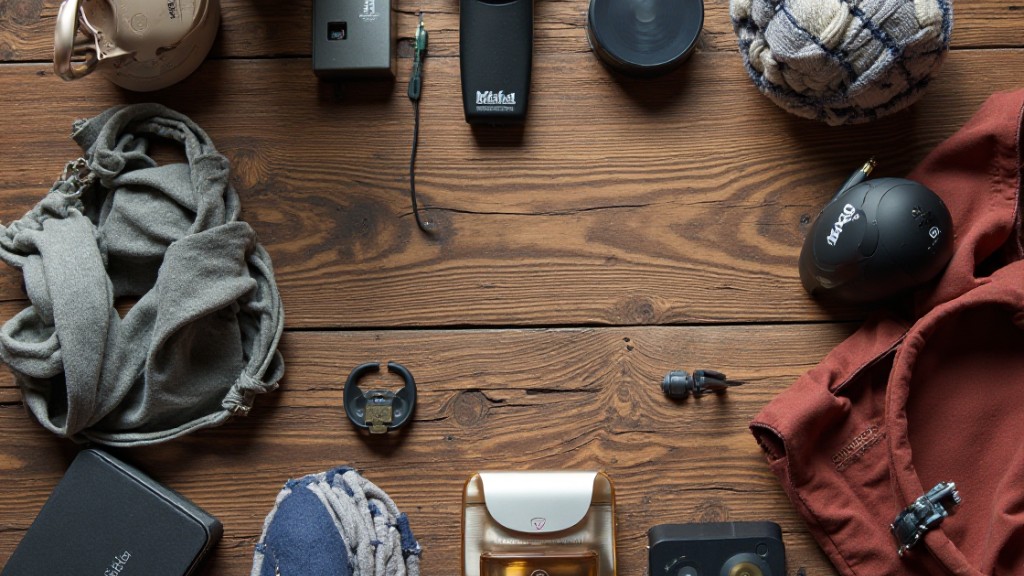
Flat lay photography is an effective way to present your products in an organized and visually appealing format. This technique allows you to arrange items creatively, using complementary props and backgrounds to tell a story.
It’s particularly effective for social media and website banners, enhancing your brand aesthetics as it draws attention to the products. By showcasing multiple items in a single shot, flat lays can highlight product diversity, encouraging customers to contemplate complementary purchases.
Using a consistent theme or color palette strengthens your brand identity and creates a cohesive visual experience for potential buyers. Flat lay images often perform well regarding engagement, making them a valuable addition to your marketing strategy aimed at increasing sales and customer interaction.
Play With Lighting

Lighting is a key element in product photography that can greatly impact your images.
Using natural light can bring warmth and invitation to your photos, whereas controlled artificial lighting allows you to highlight specific features effectively.
Natural Light Benefits
Utilizing natural light can greatly improve the quality of your product images, especially when you understand how to play with it effectively.
Natural light offers soft, even illumination, which minimizes harsh shadows and highlights, resulting in more attractive photos. Shooting during the golden hour—shortly after sunrise or before sunset—adds warmth and depth to your images.
It’s cost-effective and accessible, making it perfect for small businesses or DIY photographers since you won’t need expensive lighting equipment. Positioning your products near windows or outdoors can create beautiful highlights and reflections that draw customer attention.
Furthermore, natural light often guarantees true color representation, helping set accurate expectations and minimizing product returns.
Controlled Lighting Techniques
Natural light serves as a great starting point for product photography, but controlled lighting techniques can take your images to the next level. These methods improve product visibility, creating depth and dimension that draws attention to key features.
Using diffused natural light or softbox lighting helps eliminate harsh shadows, providing an even illumination that makes your product more appealing. Experimenting with different light angles reveals textures and details that showcase the product’s quality.
Mood-driven lighting, like low-key setups, can evoke emotions and improve brand storytelling, making your images more relatable to your audience.
Finally, maintaining consistent lighting across your photos guarantees a cohesive look, reinforcing your brand identity and building customer trust in your products’ quality.
Keep Things Monochrome

When you opt for monochrome product photography, you’re choosing a style that can greatly improve the visibility of your products. This technique employs a single color palette, creating a sleek and cohesive look that boosts appeal. By minimizing distractions, monochrome photos draw the viewer’s attention directly to the product, making them ideal for social media grids and website banners.
Variations in shades and tones can showcase unique features and textures without overwhelming the viewer, allowing the product to shine. Using monochrome backgrounds guarantees the product becomes the focal point, encouraging customers to concentrate on the item itself, which can lead to higher conversion rates.
Furthermore, a consistent monochrome theme strengthens brand identity and memorability, creating a unified visual story across different marketing channels. This approach not just raises your photography but reinforces your overall marketing strategy, guaranteeing your products stand out effectively in a crowded marketplace.
Embrace the Season

Embracing the season in your product photography can greatly boost your marketing efforts and resonate with customers. Seasonal photography connects your products to specific times of the year, using color palettes and themes that evoke emotional responses. For instance, pastels work well in spring, whereas rich, festive tones suit the holidays. Incorporating seasonal props, like autumn leaves or winter decorations, improves lifestyle imagery, helping customers visualize how your product fits into their seasonal experiences.
| Season | Suggested Colors |
|---|---|
| Spring | Pastels (pink, mint) |
| Summer | Brights (yellow, blue) |
| Autumn | Earth tones (orange, brown) |
Take Things Outdoors
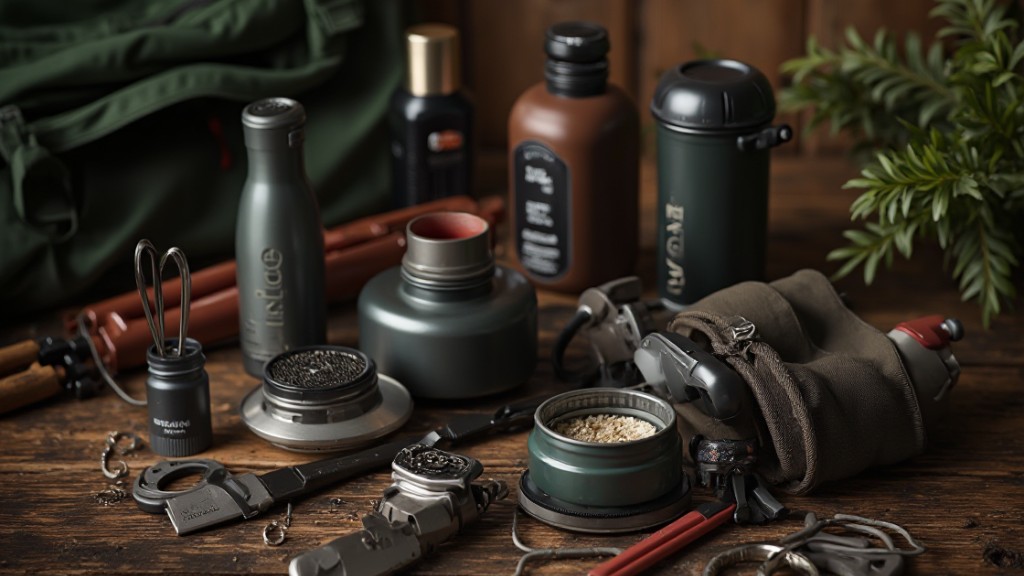
Taking your product photography outdoors can greatly enhance the visual appeal of your images as well as providing a more authentic context for potential buyers. Utilizing natural lighting improves your product’s aesthetic, creating a relaxed atmosphere that resonates with customers.
Outdoor settings can highlight eco-friendly values, making them perfect for sustainable products, outdoor apparel, or sports equipment. Engaging backgrounds, like scenery or urban environments, offer storytelling opportunities that help customers visualize how your product fits into their lives.
Compared to traditional studio shots, outdoor photography often results in more dynamic and visually compelling images, helping your products stand out in crowded marketplaces. Furthermore, incorporating seasonal elements and natural surroundings can strengthen emotional connections with customers, aligning your products with specific times of the year and lifestyle aspirations.
Make Your Product Pop
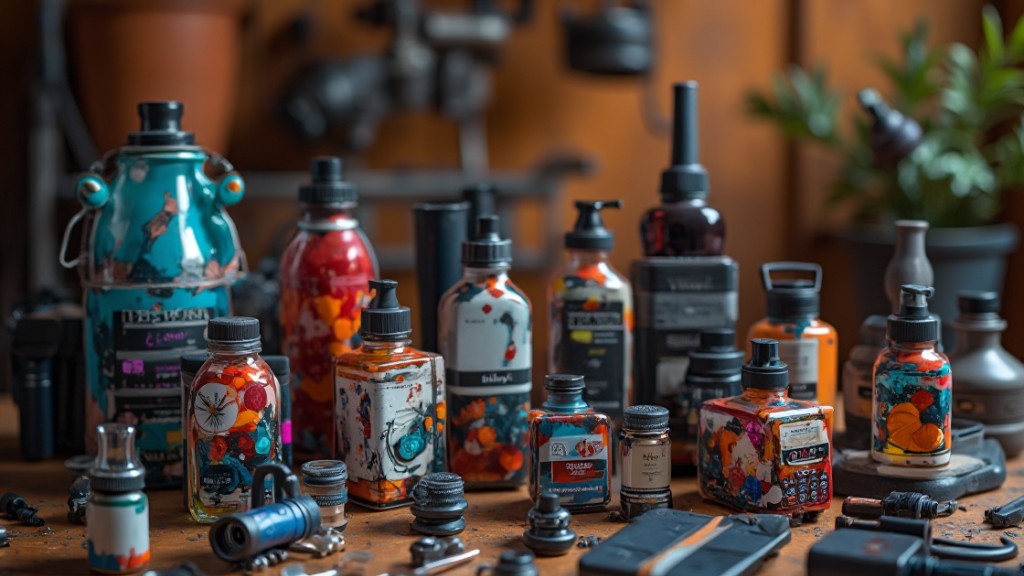
To effectively make your product pop in photography, focus on high-contrast colors and bold backgrounds that immediately draw attention. This approach guarantees your product stands out in a crowded marketplace and captures potential buyers’ interest.
Incorporate unique composition techniques, like offsetting the product within the frame, to create visually appealing images that guide the viewer’s eye directly to your product. Experimenting with dramatic lighting can improve product features and textures, nurturing a dynamic look that entices customers.
Moreover, using props or complementary items can provide context and improve your visual story, making the product feel more relatable. It’s vital to maintain your product as the focal point by eliminating distractions in the background.
Techniques like shallow depth of field can help blur out non-essential elements, guaranteeing that your product remains the star of the shot. With these strategies, you’ll create stunning images that effectively boost sales.
Frequently Asked Questions

What Kind of Photos Sell the Most?
The types of photos that sell the most typically include lifestyle shots, which show products in use, helping customers envision them in their lives.
Detail shots emphasize craftsmanship, boosting trust, especially for luxury items.
Scale shots clarify product size, reducing buyer uncertainty.
Studio shots with clean backgrounds focus attention on the product, whereas group shots display variations, encouraging additional purchases.
Each type plays a vital role in maximizing customer engagement and driving sales.
What Is the 20 60 20 Rule in Photography?
The 20 60 20 rule in photography suggests that you should divide your images into three categories.
Capture 20% exceptional shots that stand out, 60% solid, good-quality images, and the remaining 20% can be less impressive or experimental.
This approach helps you focus on creating compelling visuals during maintaining a consistent quality throughout your portfolio.
How to Make Product Photos Stand Out?
To make your product photos stand out, use solid backgrounds to keep the focus on the product.
Incorporate lifestyle images to help potential buyers envision the product in their lives.
Capture close-up shots that highlight details and textures, enhancing perceived value.
Include scale references to clarify size and reduce return rates.
Experiment with different angles to create engaging images that attract attention, ensuring your product remains memorable in a competitive marketplace.
What Is the 3:1 Rule in Photography?
The 3:1 rule in photography is a composition guideline that suggests placing your subject to occupy one-third of the frame. This creates a more balanced and engaging image by positioning the subject off-center.
You can visualize this using a rule of thirds grid, which divides the frame into nine equal sections. Aligning your subject with these lines improves the overall composition, but don’t hesitate to break the rule for creative expression when needed.
Conclusion
Incorporating these photography techniques can greatly improve your product images and drive sales. By using solid backgrounds, lifestyle settings, and close-up shots, you can effectively highlight your product’s features and context. Displaying scale, utilizing flat lays, and embracing seasonal themes further enriches your visuals. Outdoor settings and lively contrasts can make your product stand out, capturing potential buyers’ attention. By implementing these strategies, you can create compelling images that resonate with customers and boost conversion rates.
Image via Google Gemini