
When you’re considering a purchase, the right visuals can make all the difference. Before making a decision, you should examine seven key product images. These include studio shots for clarity, lifestyle images to see real-world application, and scale shots for size context, among others. Each type of image serves a unique purpose and can shape your expectations. Comprehending these aspects will help you make more informed choices. What’s the next image that can improve your buying decision?
Key Takeaways
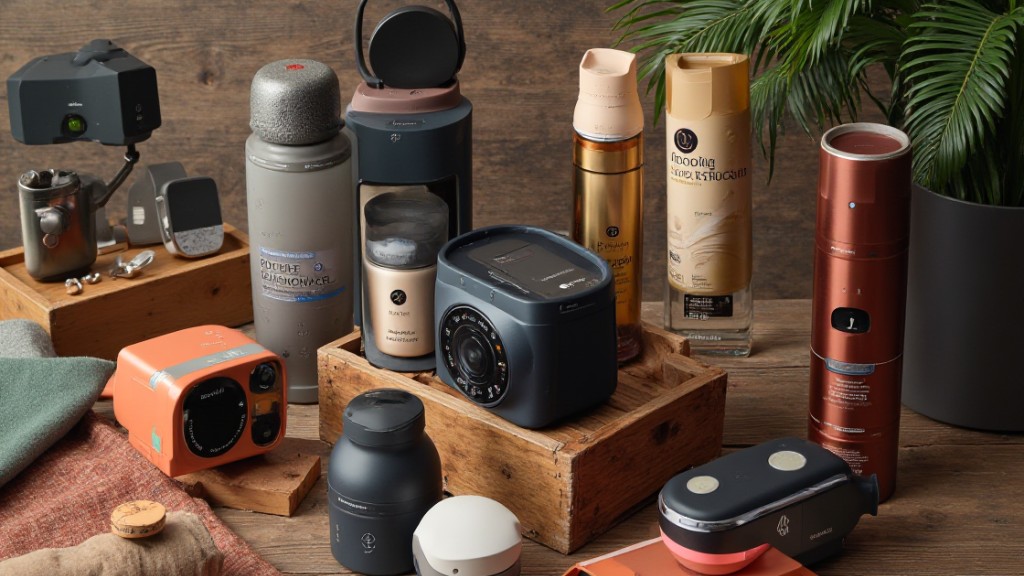
- Essential product shots include studio shots for clear visibility and accurate representation against a plain background.
- Lifestyle shots help visualize products in real-life contexts, enhancing relatability and emotional connection.
- Scale shots provide intuitive size comparisons using relatable objects, reducing misconceptions and returns.
- Detail shots showcase craftsmanship and unique features, setting clear expectations for quality and functionality.
- Group shots display product variants together, improving visual appeal and encouraging multiple purchases.
Studio Shot

When you consider presenting your products effectively, studio shots play a vital role in showcasing them in the best light. These shots feature products against a plain background with ample lighting, allowing for a clear and attractive representation.
High-quality studio photos can greatly improve visibility in thumbnail images, helping your product pic turn up prominently and attract potential buyers. To set realistic expectations, it’s important to depict your products accurately, as this reduces returns and exchanges.
A minimum of three unique studio shots is recommended, ideally on a pure white background, to maintain professionalism and boost buyer confidence. Moreover, studio shots enable you to showcase all product variations linked to listings, giving customers a thorough view of their options.
Lifestyle Shot

Lifestyle shots place products in real-life contexts, allowing you to see how they fit into everyday scenarios.
By showcasing items in relatable settings, these images help build an emotional connection, making the products more appealing and relevant to your life.
This approach not just clarifies product scale and usability but additionally improves the overall perceived value, in the end influencing your purchasing decisions.
Real-Life Context
Capturing products in real-life contexts, where they naturally fit into everyday scenarios, can greatly improve a customer’s comprehension of their potential use.
Lifestyle shots showcase how products function in daily life, allowing you to visualize their integration. This type of photography boosts buyer confidence by illustrating scale and usability in relatable settings.
Consider these scenarios:
- A sleek coffee maker on a kitchen counter, surrounded by fresh pastries, inviting you to enjoy a warm morning routine.
- A stylish backpack resting against a park bench, ready for a day of adventure or commuting.
- A cozy blanket draped over a couch, suggesting the perfect setting for a movie night.
These images not only clarify product use but additionally encourage extra purchases.
Emotional Connection
How can an emotional connection improve a consumer’s purchasing decision?
Lifestyle shots play an essential role by placing products in relatable contexts, allowing you to envision how they fit into your everyday life. These images evoke aspirational feelings, showcasing the product in use and demonstrating its value.
When you see products alongside real people or in familiar environments, it increases trust and relatability, making you envision enjoying the product yourself. Research shows that lifestyle images greatly boost engagement and conversion rates, as they resonate more deeply than standard product shots.
Scale Shot
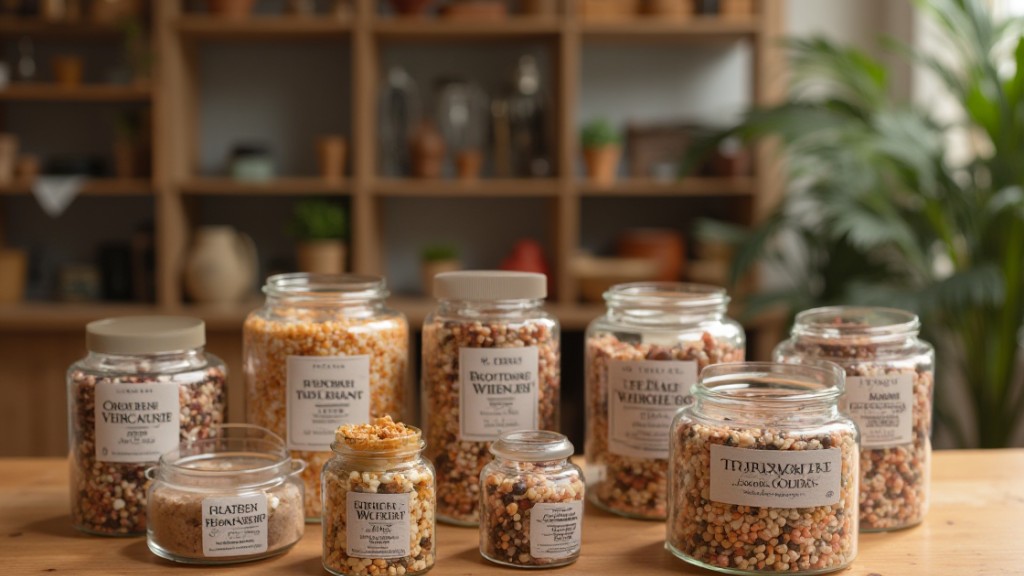
Though many product images focus solely on aesthetics, incorporating scale shots is crucial for providing potential buyers with a clear comprehension of a product’s size. Scale shots help visualize dimensions and fit, especially for smaller items like pins or vases, where standard images may fall short.
By including relatable objects in your shots, you can help customers gauge size intuitively, thereby enhancing their confidence in their purchases.
Here are three effective ways to utilize scale shots:
- Hands: Show a hand holding the product to convey its size relative to the human hand.
- Everyday Objects: Include items like a coin, a coffee mug, or a smartphone to give context.
- Comparative Items: Place the product next to a common household item to clarify its scale.
Incorporating these elements not just boosts customer satisfaction but can equally decrease return rates because of size misconceptions.
Detail Shot

Detail shots are essential for showcasing the intricate features and craftsmanship of a product, allowing customers to appreciate its quality and unique design. These close-up images capture textures, linings, clasps, and stitching, providing a thorough view of what makes the product special.
This is especially important for vintage items, where unique imperfections add to authenticity and character. By presenting these details, you set clear expectations regarding the product’s quality and functionality, which can greatly influence a buyer’s decision.
Incorporating detail shots into your product listings improves overall appeal, as they tell a visual story about the craftsmanship involved. Furthermore, these images can increase buyer confidence, empowering potential customers to assess the product thoroughly before making a purchase.
When you include detail shots, you not only highlight the product’s features but also promote a sense of trust, encouraging customers to feel more secure in their buying choices.
Group Shot
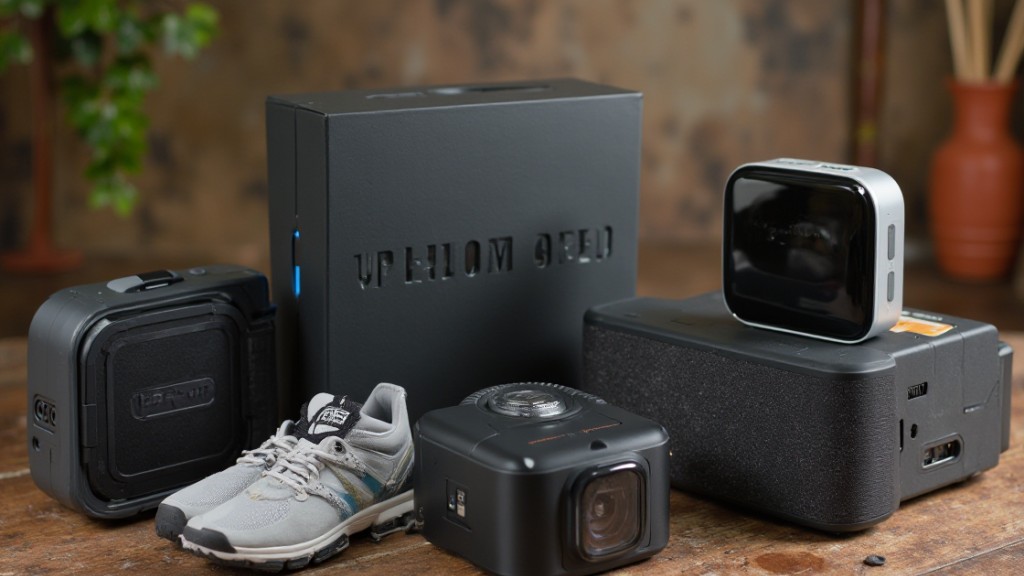
Group shots effectively showcase product variants, allowing you to see different colors, styles, or sizes all in one image.
By presenting items together, these shots not just improve visual appeal but likewise encourage you to reflect on purchasing multiple products that complement each other.
This approach helps you visualize the diversity of options available, making it easier to decide on a purchase that fits your needs.
Showcasing Product Variants
Showcasing product variants through group shots can greatly boost your listings by allowing customers to see all available options at a glance.
Group shots effectively display different colors, sizes, or styles, making it easier for customers to compare their choices. Here are three key benefits of using group shots:
- Visual Diversity: A clustered arrangement highlights the variety of your offerings, encouraging customers to explore combinations.
- Comprehensive View: Group shots provide multiple angles, giving a thorough comprehension of each product variant.
- Cohesive Presentation: Consistent lighting and background improve professionalism, building trust in your brand.
Incorporating group shots into your product listings can elevate engagement and lead to higher conversion rates.
Encouraging Multiple Purchases
When you present products in a cohesive group shot, you not just highlight their variations but also create a compelling visual narrative that encourages customers to think about purchasing multiple items.
Group shots effectively showcase products together, allowing viewers to see different colors, sizes, or styles in one glance. This arrangement improves visual appeal and invites exploration.
By displaying complementary items, you suggest related products that could enrich the customer experience. Research shows that customers are more likely to buy when they can see a collection of products, as it creates a sense of completeness.
A well-executed group shot visually communicates how items relate, making it easier for customers to envision their potential uses in everyday life.
Visualizing Product Diversity
How can you effectively visualize product diversity to entice more customers? Utilizing group shots can greatly improve your product listings.
By showcasing multiple items together, you highlight variations in color, size, or style, encouraging customers to think about purchasing more than one item. Group shots create a layered visual effect, allowing potential buyers to view products from different angles, which boosts appeal.
Here are three key benefits of using group shots:
- Comparison: Customers can quickly contrast different options in one glance.
- Aspirational Scenes: A well-composed group shot helps shoppers envision the products in their own lives.
- Streamlined Experience: Group shots simplify the shopping process, making it easier for customers to explore their choices.
Packaging Shot

Packaging shots play an important role in presenting a product effectively, as they provide clear insights into its branding and overall aesthetic. They improve customer expectations regarding quality and appeal, making attractive packaging vital for increasing perceived value.
This is especially significant for gifting occasions, as eye-catching designs can boost sales potential.
Including a packaging shot creates anticipation for the unboxing experience, which can greatly improve customer satisfaction and encourage repeat purchases.
Additionally, a well-executed packaging shot can highlight eco-friendly or innovative packaging solutions, attracting environmentally-conscious consumers who prioritize sustainability.
Process Shot
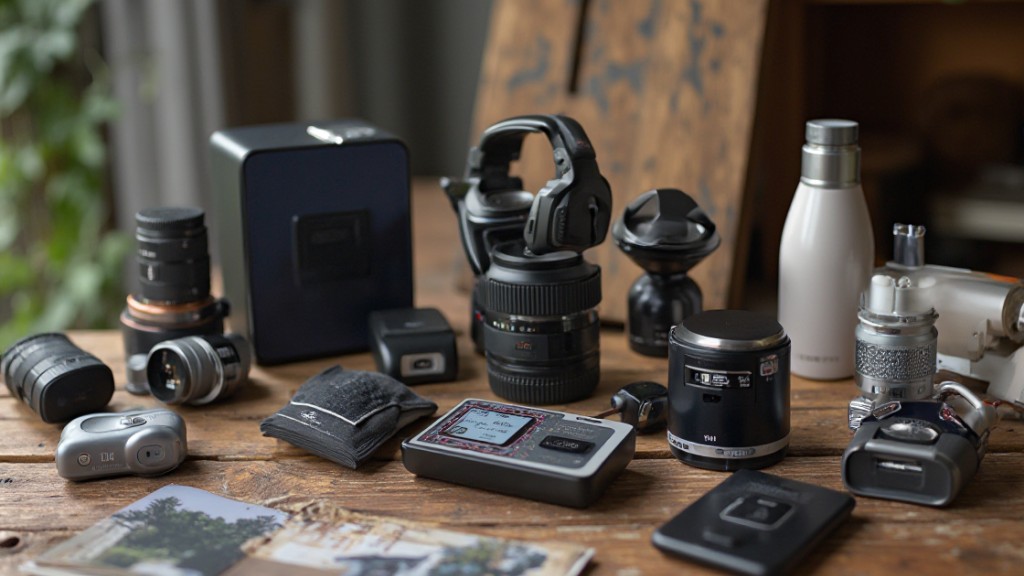
Process shots are essential for showcasing the various stages of product creation, allowing consumers to appreciate the craftsmanship involved.
These images not just highlight the artistry behind the product but additionally cultivate a deeper connection with you, the consumer. By documenting the process, brands can tell a story that makes their products more appealing and trustworthy.
Consider these elements often captured in process shots:
- Raw Materials: Images of the initial materials underscore quality and sourcing.
- Manufacturing Techniques: Showcasing unique methods emphasizes the brand’s craftsmanship and dedication.
- Quality Control: Documenting inspection stages reinforces the product’s reliability and care.
Incorporating process shots into product listings can effectively differentiate items in a crowded market, improve customer appreciation, and build transparency around ethical practices.
Finally, this can lead to increased trust and credibility between you and the brand.
Frequently Asked Questions

What Are the 7 C’s of Photography?
The 7 C’s of photography are crucial for creating visually compelling images. They include Capture, which emphasizes timing and technique; Composition, which arranges elements within the frame; Clarity, ensuring subjects are sharp; Color and Contrast, which augment visual interest and evoke emotions; Creativity, allowing for unique expression; and Context, providing meaning to the photograph.
Comprehending these principles can greatly improve your photography skills and help you convey impactful visual stories effectively.
What Is a Good Product Photo?
A good product photo should be at least 1000 x 1000 pixels, ensuring clarity and allowing for zooming.
Use a neutral background, preferably pure white, to keep the focus on the product, which should fill at least 50% of the frame.
Include multiple angles—front, back, top, and bottom—along with detail shots to highlight textures and features.
Consistent lighting and presentation nurture brand trust and greatly influence customers’ purchase decisions.
What Are 5 Elements of a Good Photograph?
To create a good photograph, focus on five key elements.
First, make sure your subject occupies at least 50% of the frame for emphasis.
Second, use proper lighting to highlight details and colors.
Third, choose a neutral background, ideally white, to avoid distractions.
Fourth, capture multiple angles to provide a thorough view of the subject.
Finally, opt for high-resolution images, around 2000 x 2000 pixels, to maintain clarity and allow for zooming.
What Are the 4 Types of Images?
You’ve got four crucial types of product images to contemplate.
Studio shots offer a clear view of the product, highlighting its features without distractions.
Lifestyle shots show the product in real-world scenarios, helping you visualize how it fits into your life.
Scale shots compare the product to common objects, clarifying its size.
Finally, detail shots focus on close-up features, showcasing craftsmanship and quality, enhancing your confidence in the purchase.
Conclusion
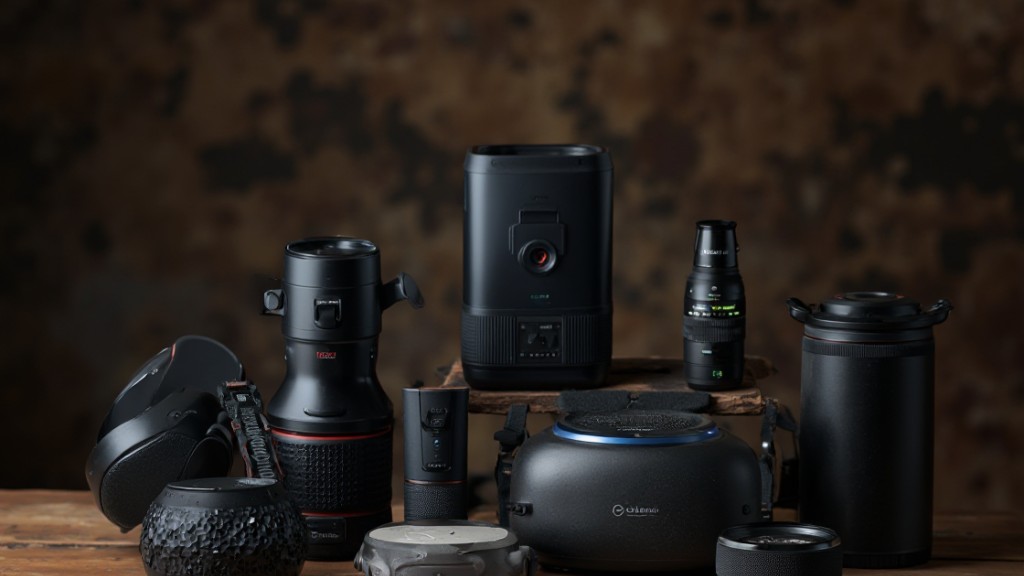
To make informed purchasing decisions, it’s essential to examine the seven key product images: studio, lifestyle, scale, detail, group, packaging, and process shots. Each type provides unique insights, from comprehending the product’s appearance and functionality to evaluating size and craftsmanship. By reviewing these visuals, you can improve your confidence in the product and set realistic expectations. In the end, this thorough evaluation guarantees you’re well-informed, leading to a more satisfying buying experience.
Image via Google Gemini