
A professional product photographer stands out through a unique combination of technical skills, lighting mastery, and post-production expertise. They know how to control exposure and use advanced equipment, ensuring that every product looks its best. Effective marketing strategies and a strong brand identity further improve their appeal, setting them apart in a competitive industry. Comprehending these elements is essential for anyone looking to appreciate the art of product photography, but there’s more to explore in this intricate field.
Key Takeaways

- Mastery of technical skills, including manual control over camera settings, ensures optimal exposure and image quality.
- Proficient use of lighting techniques enhances product appearance, mood, and texture, distinguishing professional work.
- Expertise in post-production, including color correction and efficient workflows, significantly elevates the final image quality.
- A strong, cohesive brand identity through consistent and high-quality imagery builds trust and recognition in the market.
- Effective marketing strategies, such as a compelling online presence and active networking, increase visibility and attract potential clients.
The Importance of Technical Skills in Product Photography
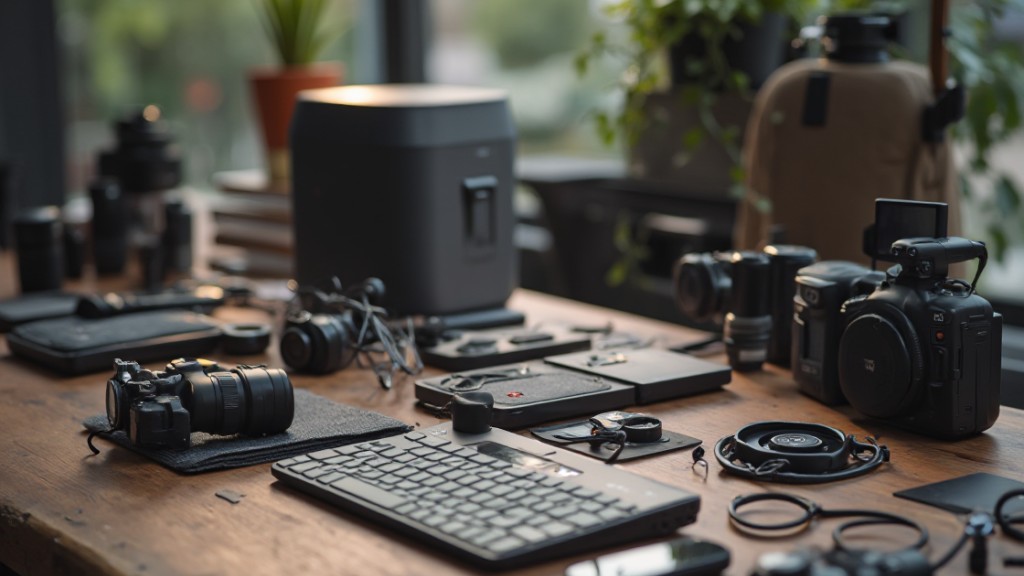
In product photography, perfecting technical skills is vital for achieving high-quality images that effectively showcase your products. Acquiring manual control of aperture, shutter speed, and ISO allows you to attain perfect exposure and sharpness, which is significant for capturing the essence of your items.
Familiarity with your equipment, such as Canon DSLRs or mirrorless cameras and high-quality lenses, guarantees detailed and expert shots that convey craftsmanship. Shooting in RAW format captures more image data, granting you flexibility in post-production for color correction and exposure adjustments.
Consistent practice with techniques like using a sturdy tripod and proper setups improves stability and clarity, contributing to a polished look. Many famous product photographers emphasize the importance of these skills, so if you’re searching for a “product photographer near me,” consider how acquiring these technical aspects can uplift your work as a specialist product photographer.
Mastering Lighting for Stunning Visuals
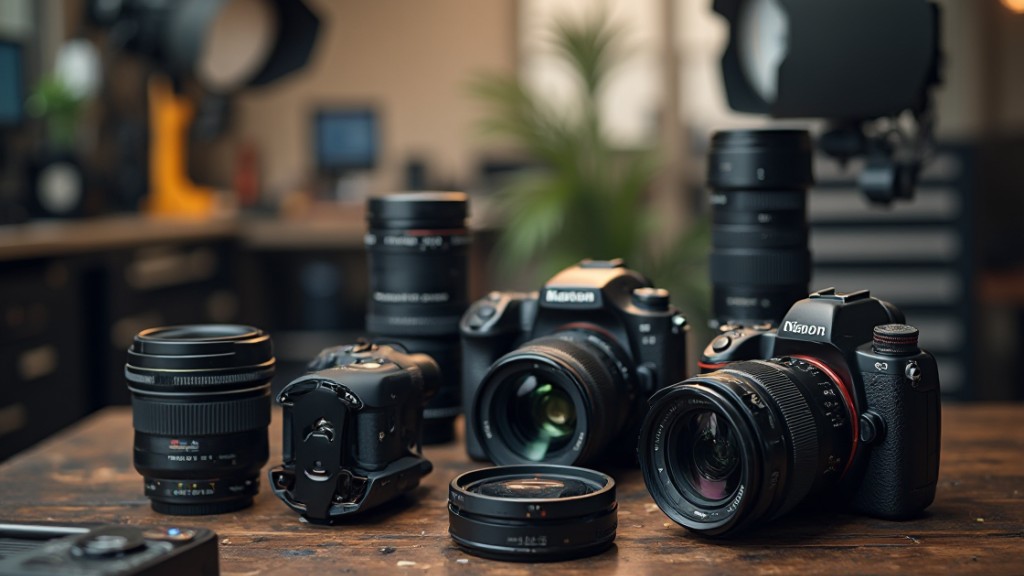
Controlling lighting is vital for creating stunning visuals in product photography, as it shapes how your subject appears and influences its texture and mood. You should experiment with both natural and artificial light; natural light offers softness but may lack consistency, whereas artificial light provides the control needed for professional results.
Using smaller apertures guarantees sharpness, and adjusting shutter speed and ISO settings helps achieve perfect exposure. Fundamental lighting equipment, like strobes and modifiers, allows you to manipulate shadows and highlights effectively. Tailoring your lighting setup to specific products, along with using soft, diffused light, can greatly improve image quality.
| Natural Light | Artificial Light |
|---|---|
| Soft but inconsistent | Controlled and repeatable |
| Great for lifestyle shots | Ideal for product detail |
| Changes with time | Maintains constant output |
Mastering lighting techniques will raise your product photography, making your visuals stand out.
The Role of Post-Production in Elevating Images
Post-production plays a crucial role in improving product photography, as it allows you to refine and polish your images to achieve professional results. Techniques like color correction and exposure adjustments can greatly improve the overall quality of your photos.
By implementing efficient workflows, such as culling and editing, you can reduce editing time by hours, leading to quicker delivery of final images to clients.
AI-powered tools, like Imagen, can analyze images for technical issues and adapt to your unique editing style, streamlining the entire post-production process. Consistency in edits across varying lighting conditions not merely boosts image quality but also reinforces a cohesive visual brand identity.
Adopting a strategic approach to post-production enables you to focus on creativity and storytelling, finally making your work stand out in a competitive marketplace. Through careful attention to these details, you raise your product photography to a professional level.
Building a Strong Brand Through Professional Imagery
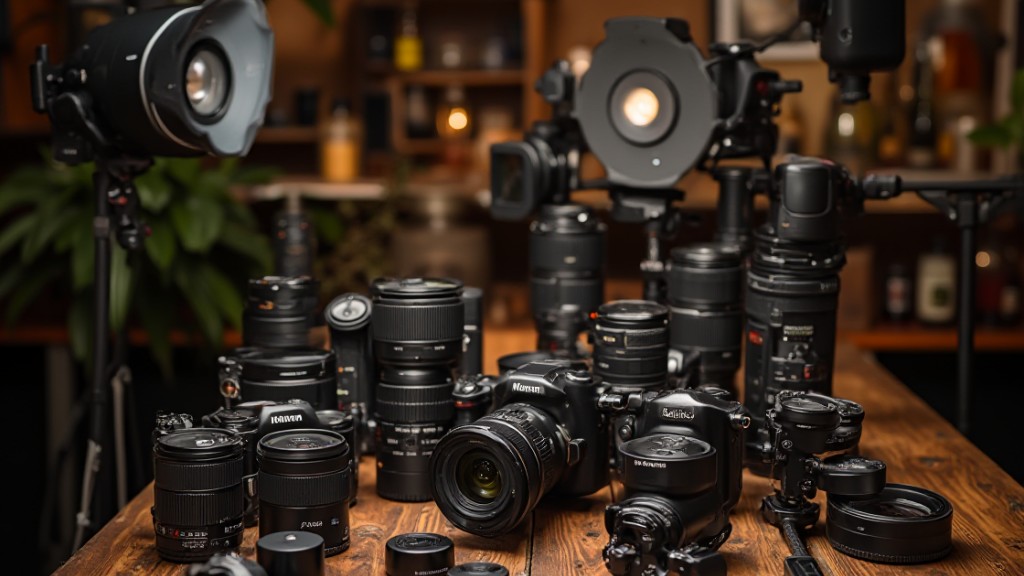
When you prioritize professional imagery, you not just improve your brand identity but also greatly influence consumer behavior. High-quality visuals play an essential role in shaping how your audience perceives your brand. They guarantee your business stands out in a competitive market as well as establishing trust and credibility.
Consider these key benefits of investing in professional photography:
- Cohesive Brand Identity: Consistent imagery helps create a unified look that boosts brand recognition.
- Increased Engagement: Engaging product photos communicate features and benefits effectively, reducing doubts and increasing conversion rates.
- Emotional Connection: Polished visuals cultivate a deeper emotional connection with your audience, leading to stronger relationships.
Effective Marketing Strategies for Photographers
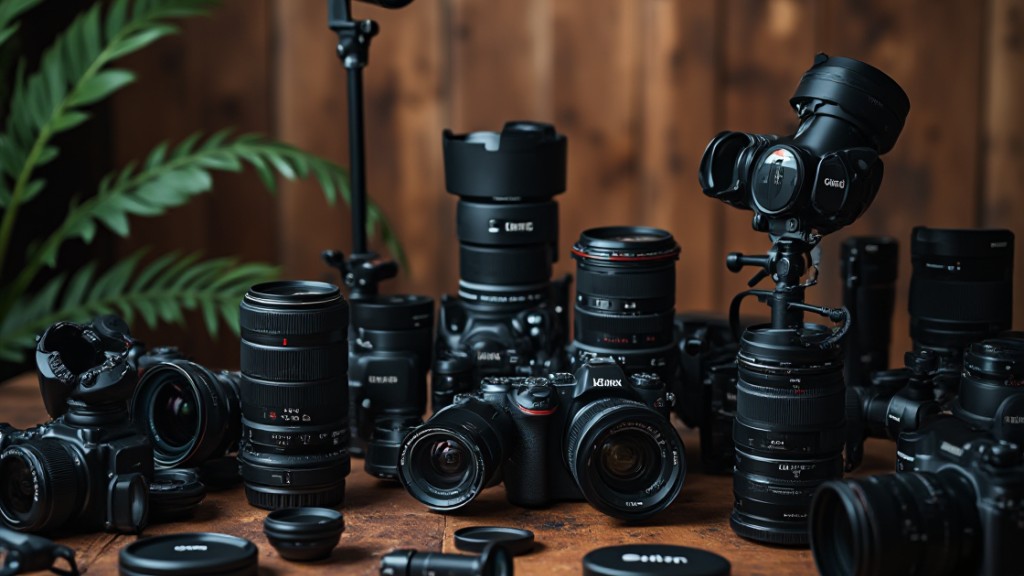
How can photographers effectively market their services in a competitive environment?
First, establish a strong online presence with a portfolio website that showcases high-quality images reflecting your unique style. Active social media channels are vital for engaging potential clients and sharing your work.
Networking plays an important role; attend industry events and collaborate with other creatives to gain referrals and increase visibility.
Implementing effective SEO strategies on your website can improve discoverability, as 75% of users never scroll past the first page of search results.
Offering tiered pricing packages allows you to cater to different client needs, making your services accessible to startups while providing premium options for larger businesses.
Finally, guarantee consistent branding across all marketing materials, including business cards and social media profiles. This approach reinforces professionalism and helps establish a recognizable identity, making you stand out in the photography industry.
Frequently Asked Questions
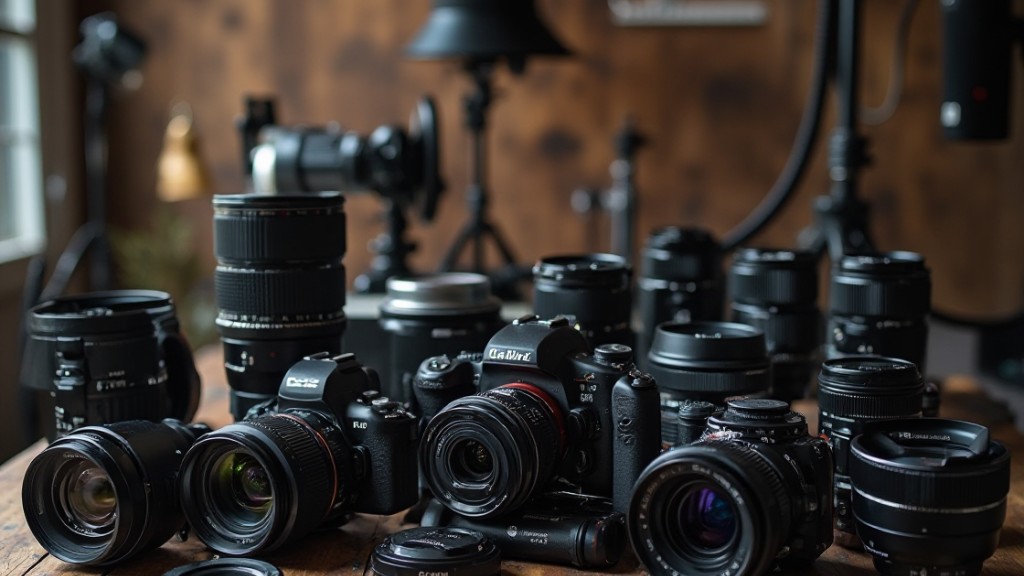
What Makes Good Product Photography?
Good product photography relies on sharpness and clarity, often achieved by using smaller apertures like f/8 or f/11, which capture detailed features.
Effective lighting, such as soft, diffused light from softboxes, minimizes harsh shadows as it enhances textures.
Thoughtful composition is key; a clean background highlights the product’s unique features.
Consistency in style and quality builds brand identity, and post-production editing, focusing on color correction and exposure, further raises the final image quality.
What Are the 5 C’s of Photography?
The 5 C’s of photography are crucial for creating impactful images.
First, composition refers to how you arrange visual elements, guiding the viewer’s eye.
Second, content focuses on the subject and details that showcase the product.
Third, concept conveys the underlying message that resonates with your audience.
Fourth, context includes the setting that improves the narrative.
Finally, creativity drives unique perspectives, helping your work stand out in a crowded market.
How to Make Product Photos Stand Out?
To make your product photos stand out, use high-quality equipment like a DSLR or mirrorless camera, capturing images in RAW format.
Implement proper lighting techniques, opting for soft, diffused light sources to improve textures.
Experiment with various backgrounds and compositions, choosing clean or lifestyle settings that resonate with potential customers.
Finally, guarantee consistent editing, focusing on color correction and exposure adjustments to align images with your brand’s aesthetic for a polished final result.
What Are the 4 C’s of Photography?
The 4 C’s of photography are Capture, Composition, Clarity, and Creativity.
Capture involves perfecting technical settings like exposure and ISO to achieve high-quality images.
Composition focuses on arranging elements using techniques like the rule of thirds to create a balanced shot.
Clarity guarantees your images are sharp and well-defined, highlighting the subject effectively.
Finally, Creativity encourages you to explore different lighting, angles, and styles, enhancing your unique visual storytelling.
Conclusion
In summary, a professional product photographer distinguishes themselves through a blend of technical expertise, effective lighting, and careful post-production. By creating a strong brand identity and employing strategic marketing, they improve client trust and visibility. These elements work together to produce high-quality images that both showcase products effectively and resonate with potential buyers. In the end, perfecting these components is vital for success in the competitive field of product photography.
Image via Google Gemini