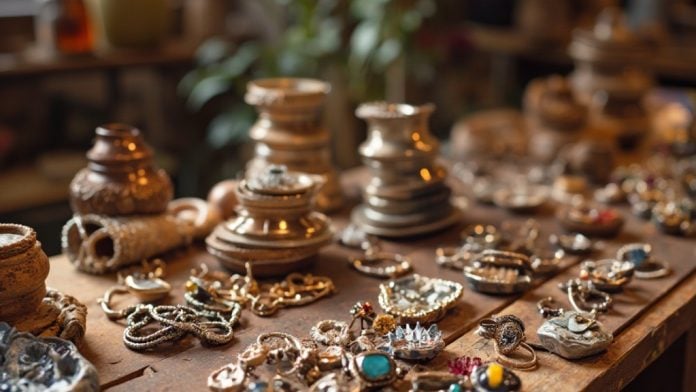
Regarding selling crafts at craft shows, having a solid strategy can make all the difference. You’ll want to start by selecting the right fair that aligns with your target market, as this sets the foundation for attracting potential customers. It’s likewise crucial to curate your product selection to meet their preferences, ensuring that your booth stands out. With the right approach, you can improve your sales and create lasting connections. What strategies will you implement?
Key Takeaways
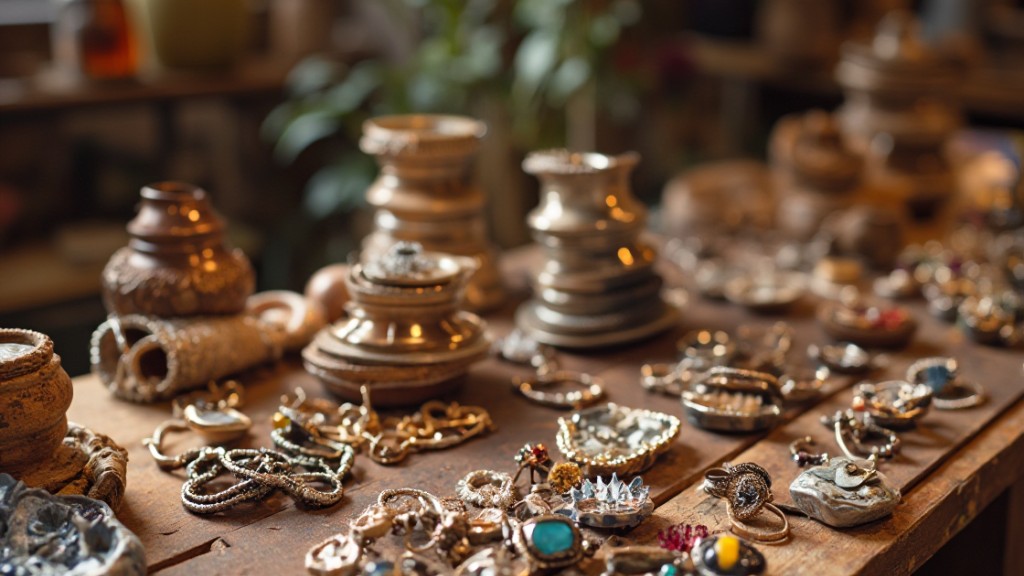
- Research the demographics of craft fair attendees to tailor your product selection effectively to their preferences.
- Create an inviting booth with eye-catching visuals, clear signage, and a cohesive color palette to attract customers.
- Offer a range of products at different price points to appeal to various buyers, including impulse shoppers.
- Utilize efficient payment solutions by accepting multiple payment methods and ensuring secure transactions for customer convenience.
- Engage with customers through friendly conversations, asking open-ended questions to build relationships and gather valuable feedback.
Choose the Right Craft Fair
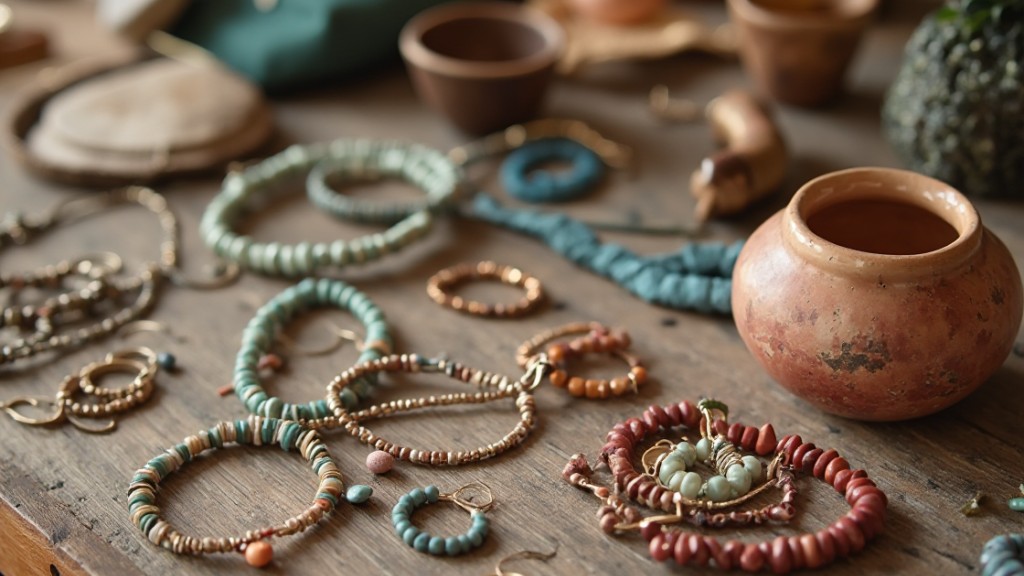
Choosing the right craft fair is crucial for maximizing your sales potential. Start by researching the demographics of craft fair attendees to guarantee your products align with their preferences and price ranges.
Larger fairs often attract different customer segments than smaller, local events, so evaluate where your crafts fit best. Consider the compatibility of your product selection with the fair’s target audience; offering items that resonate can considerably improve your sales opportunities.
Analyze past sales data and audience preferences to identify fairs that have historically performed well for your type of crafts. Moreover, utilize social media and community resources to gather insights from other vendors about their experiences.
This information can guide you in making informed decisions when setting up for a craft fair. By choosing wisely, you’ll boost your chances of success during craft shows.
Curate Your Product Selection
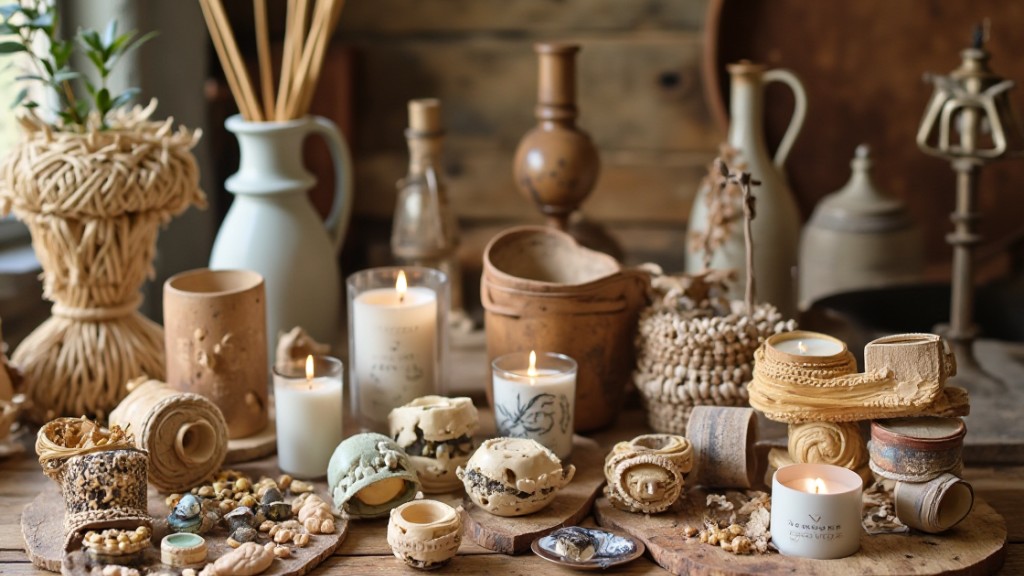
A well-curated product selection is vital for attracting customers at craft shows and maximizing your sales. Start by analyzing past sales data and customer preferences to identify best-selling items that resonate with your target audience.
Focus on offering a cohesive theme, limiting varieties to about 2-3 types of each product to prevent overwhelming potential buyers. It’s additionally important to incorporate a range of price points; include lower-priced items for impulse buys, mid-range options, and a few higher-end products for price anchoring.
Regularly seek and document customer feedback during the fair to guide future product curation and inventory adjustments.
Finally, keep the specific demographics of the craft fair attendees in mind, ensuring your curated products align with their interests and spending habits.
Design an Inviting Booth
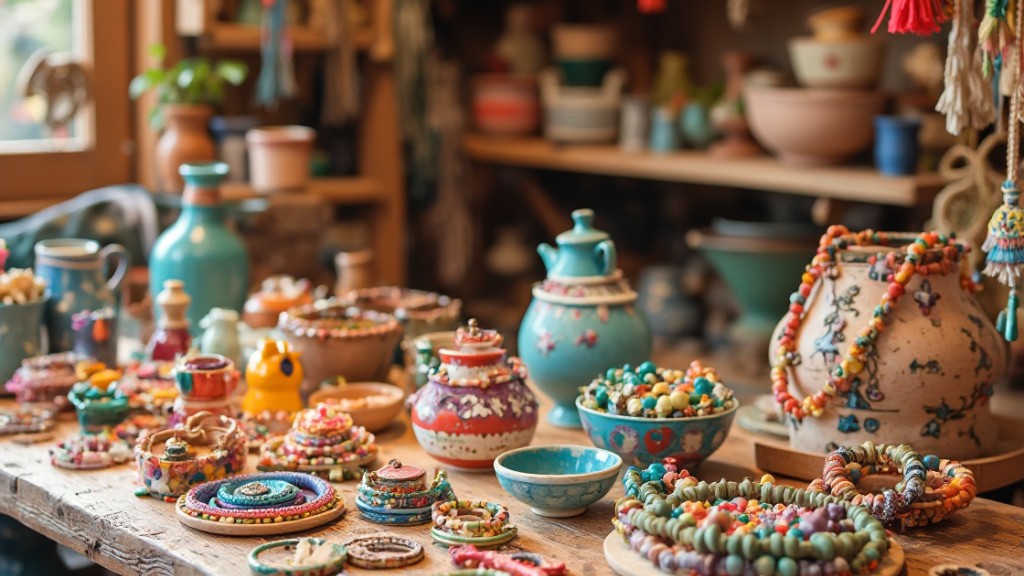
To attract customers at craft shows, you need an inviting booth that features eye-catching visual elements and an organized product layout.
Incorporating shelves, unique display items, and proper lighting will elevate the overall appeal as well as ensuring your products are easy to access.
Eye-Catching Visual Elements
Creating an inviting booth at craft shows involves several key visual elements that can greatly improve your display. To attract customers and bolster your presentation, consider these strategies:
- Utilize vertical space with shelves or hanging displays to draw the eye upward and create a dynamic look.
- Adopt a cohesive color palette for your booth decor and product displays, nurturing a harmonious atmosphere that reflects your brand identity.
- Incorporate decorative elements like tablecloths, crates, or unique props such as suitcases and mannequins to add depth and interest.
- Ensure clear, attractive signage that displays your business name and product categories, helping customers navigate easily as well as improving brand recognition.
Implementing these visual elements can greatly boost the appeal of your booth.
Organized Product Layout
An organized product layout plays a crucial role in attracting customers at craft shows. Utilize vertical space by adding shelves or risers to draw the eye upward, creating a dynamic display.
Keep your layout uncluttered, grouping products thematically for easy navigation. Incorporate decorative elements like tablecloths, crates, or props that align with your brand to improve visual appeal and establish an inviting atmosphere.
Gradually replenish sold items to maintain a fresh appearance, avoiding a sparse look that can deter customers. Moreover, consider incorporating mirrors into your booth setup, allowing customers to envision themselves using or wearing your products, which improves their shopping experience.
A well-organized layout not just invites customers in but keeps them browsing longer.
Implement Efficient Payment Solutions
When selling crafts at shows, it’s vital to implement efficient payment solutions to improve customer experience.
Accepting multiple payment methods, including cash, credit cards, and mobile apps, guarantees you cater to various preferences, as using portable card readers allows you to process transactions swiftly.
Simplifying the transaction process not just speeds up sales but additionally boosts customer satisfaction, making it easier for shoppers to support your craft business.
Accept Multiple Payment Methods
Accepting multiple payment methods can greatly improve your sales at craft shows by catering to diverse customer preferences. By offering various options, you can encourage more customers to complete their purchases.
Here are some crucial payment methods to contemplate:
- Cash – Always have a cash reserve for change.
- Credit Cards – Accept major cards to capture more sales.
- Mobile Payments – Enable transactions via services like Apple Pay or Google Pay.
- Backup Options – Prepare for potential payment system failures with an alternative method.
Make certain to clearly advertise these payment options at your booth, making customers feel confident and ready to buy.
Furthermore, guarantee your payment processing system is secure, protecting both your business and your customers’ information.
Use Portable Card Readers
Offering a variety of payment options is just the beginning; using portable card readers can improve your sales strategy at craft shows.
These devices, like Square or PayPal Here, let you accept credit and debit card payments on-the-spot, which appeals to customers who prefer card transactions. The transaction fees are typically low, around 2.6% plus 10 cents, making them cost-effective compared to traditional processors.
Setting up a portable card reader is straightforward, requiring just a smartphone or tablet, so you don’t need extensive technical skills. Accepting card payments can greatly boost your revenue—studies indicate a potential 30% increase.
Moreover, these readers often provide real-time sales tracking and inventory management, enhancing your ability to monitor performance during the event.
Simplify Transaction Processes
To guarantee a smooth shopping experience at craft shows, it’s crucial to simplify transaction processes by implementing efficient payment solutions. Here are key strategies to take into account:
- Use mobile payment processing solutions like Square or PayPal Here to accept credit and debit cards, catering to cashless customers.
- Clearly display signage at your booth indicating accepted payment methods to inform shoppers upfront, reducing hesitation.
- Confirm a reliable Wi-Fi connection or use secure offline payment options to handle transactions without connectivity issues.
- Keep a small amount of cash on hand for making change for those who prefer cash, enhancing convenience.
Engage With Customers Effectively
Engaging with customers effectively at craft shows is crucial for building connections and improving sales. Start by greeting customers warmly as they approach your booth, using a friendly smile and open body language to create an inviting atmosphere.
Ask open-ended questions to spark conversations, allowing customers to express their preferences and interests, which can help you tailor your approach. Pay attention to their reactions and body language; this will guide you in either providing more information or letting them browse at their own pace.
Share the stories behind your crafts, as personal narratives can encourage deeper connections and elevate the perceived value of your products.
Finally, don’t forget to follow up with customers after their visit. Collecting contact information lets you send thank-you notes or promotional offers, which encourages long-term relationships and repeat business.
Track Your Sales and Inventory
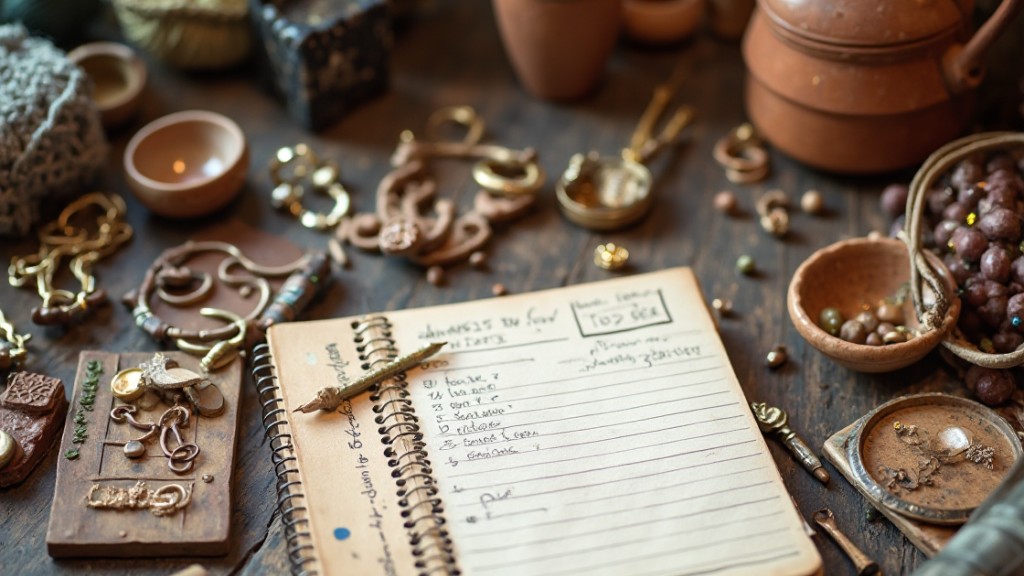
Once you’ve established connections with customers, it’s important to manage your sales and inventory effectively to maximize your success at craft shows.
Accurate tracking helps you avoid overselling, especially if you likewise sell online. Here are some crucial tips:
- Use inventory management apps or spreadsheets for real-time updates on stock levels and sales.
- Regularly monitor which items sell well and which don’t, allowing informed decisions for future events.
- Implement a simple barcode system to streamline sales and track inventory more efficiently.
- After the show, analyze your sales data to assess profitability and identify trends that can guide product selection for upcoming craft fairs.
Follow Up After the Show
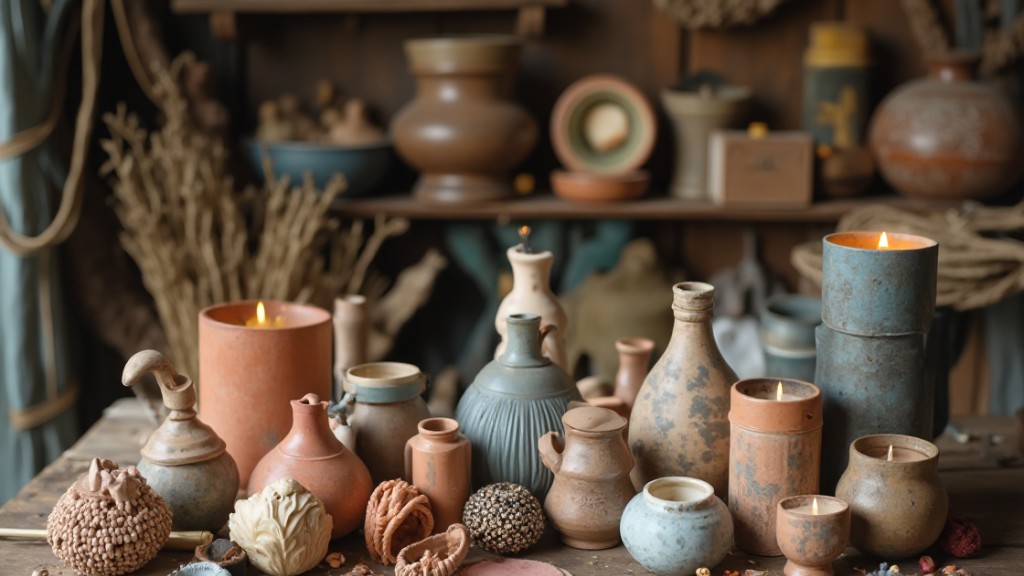
Following up after a craft show is essential for maintaining customer relationships and boosting future sales. Start by collecting contact information during the event to build a mailing list for follow-ups and promotions. Within a week, send personalized thank-you emails to buyers, potentially including a discount code for their next purchase, which encourages repeat business.
Here’s a simple table to illustrate your follow-up strategy:
| Action | Purpose | Timing |
|---|---|---|
| Collect contact info | Build mailing list | During the show |
| Send thank-you emails | Show appreciation, encourage sales | Within one week |
| Document customer feedback | Improve offerings and pricing | After the show |
| Send surveys | Gather insights from non-buyers | One week later |
| Reflect on booth performance | Identify areas for improvement | After the show |
Frequently Asked Questions
How to Sell Well at Craft Fairs?
To sell well at craft fairs, start by choosing events that match your target audience.
Design your booth to be organized and visually appealing, enhancing customer navigation.
Offer a variety of products at different price points to attract a broader range of buyers.
Engage with customers actively, listening to their feedback and nurturing relationships.
Finally, use efficient payment solutions to streamline transactions, ensuring a smooth purchasing experience that encourages customers to return.
What Sells the Most at Craft Fairs?
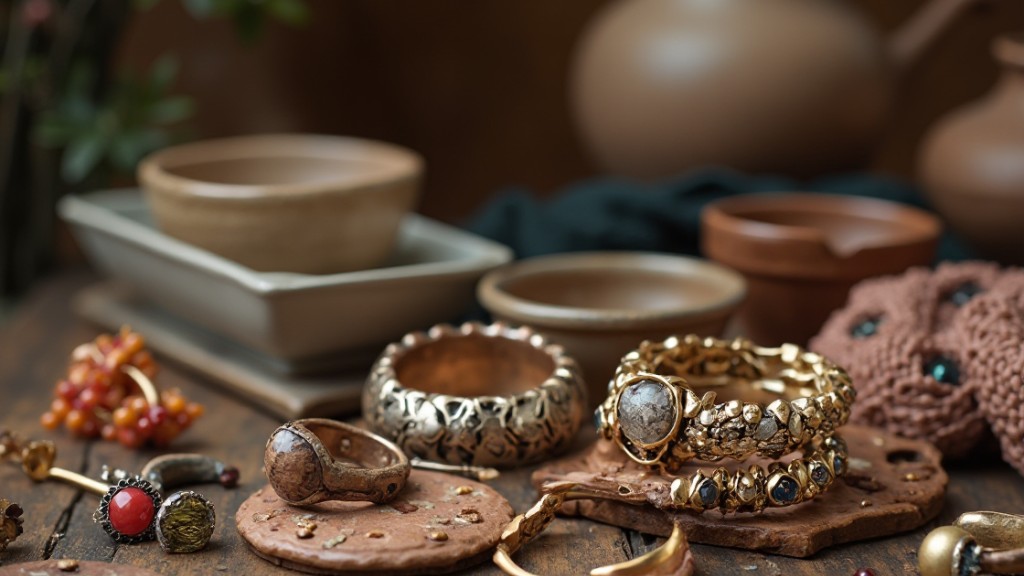
At craft fairs, handmade jewelry often sells the most because of its appeal as unique gifts and fashion accessories.
Functional home décor items, like candles and wall art, likewise attract buyers looking to improve their spaces.
Seasonal items, such as holiday decorations, can fly off the shelves during specific times of the year.
Moreover, small, affordable impulse buys, like keychains and greeting cards, greatly boost overall sales, appealing to budget-conscious shoppers.
What Is the Most Profitable Craft to Sell?
The most profitable craft to sell often varies, but handmade jewelry consistently ranks high because of its demand and potential for premium pricing.
Home decor items, particularly candles and wall art, furthermore present lucrative opportunities, with the market expected to grow considerably.
Personalized items, like monogrammed gifts, attract consumers willing to pay more for uniqueness.
Moreover, seasonal products can yield high profits during peak times, making them worthwhile considerations for sellers.
How Many Items Should You Have to Sell at a Craft Fair?
You should aim to prepare between 50 to 100 items for a craft fair, ensuring a variety of options for different customer preferences and price points.
Start with 10 to 15 unique products, making multiple quantities of each to keep the selection manageable.
Analyze past sales data from similar events to gauge foot traffic and demand, and always bring a few extra items to accommodate unexpected interest in your most popular products.
Conclusion
By following these seven vital tips, you can improve your craft show experience and increase your sales potential. Selecting the right fair, curating your product selection, and designing an inviting booth are critical steps. Furthermore, implementing efficient payment solutions and engaging with customers effectively can lead to positive interactions. Tracking your sales and inventory guarantees you stay organized, whereas following up after the show helps build lasting relationships. These strategies can greatly enhance your success at craft shows.
Image via Google Gemini