
Brand building plays an essential role in establishing a company’s identity and market presence. Various brands have successfully transformed their positioning through innovative campaigns and strategies. For instance, Apple redefined technology with its seamless ecosystem, whereas Dove challenged beauty norms with its Real Beauty initiative. Each example illustrates how effective branding can drive consumer loyalty and engagement, setting the stage for a deeper exploration of these impactful strategies and their implications for businesses today.
Key Takeaways

- Apple revolutionized the smartphone industry with the iPhone, establishing a user-friendly ecosystem and minimalist design that enhanced brand loyalty.
- Dove’s Real Beauty campaign reshaped beauty standards, driving significant sales growth and fostering a community focused on body positivity and self-acceptance.
- Coca-Cola’s Share a Coke campaign personalized customer experience by replacing logos with names, creating emotional connections and boosting social media engagement.
- Nike’s Just Do It campaign harnessed relatable athlete stories, significantly increasing sales and capturing a large market share through cultural relevance.
- Patagonia’s “Don’t Buy This Jacket” campaign promoted sustainability, resulting in a revenue surge while encouraging responsible consumer behavior and reinforcing brand loyalty.
Apple: Redefining Innovation and Simplicity

Apple’s voyage from the brink of collapse in the late 1990s to becoming a leading global tech giant is a proof of its focus on innovation and simplicity.
One of the most compelling brand strategy examples is how Apple transformed the smartphone market with the iPhone in 2007. This innovation didn’t just create a new product; it established an entire ecosystem that improves user experience and encourages loyalty.
The seamless integration of devices and services simplifies technology for a broader audience, making it accessible and user-friendly. Moreover, Apple’s minimalist design philosophy sets it apart, reinforcing its brand identity while simplifying user interaction.
The “Shot on iPhone” campaign showcases user-generated content, building a community of engaged consumers who share authentic experiences.
Consistent messaging around quality and simplicity strengthens Apple’s emotional connection with customers, allowing it to maintain industry standards and promote long-term loyalty.
Dove: Real Beauty Campaign That Redefined Beauty Standards

Since its launch in 2004, Dove’s Real Beauty campaign has markedly reshaped the conversation around beauty standards by featuring real women of various shapes, sizes, and backgrounds.
This branding case study illustrates how aligning brand values with consumer sentiments can drive remarkable results. The campaign promoted body positivity and self-acceptance, leading to a 71% increase in favorable perceptions of Dove among women.
Financially, Dove’s innovative strategy resulted in sales surging from $2.5 billion to over $4 billion within three years, highlighting the benefits of authentic branding. Additionally, the campaign achieved a 700% rise in social media engagement, showcasing the effectiveness of user-generated content and community involvement.
Dove’s commitment to redefining beauty standards has sparked broader discussions on inclusivity, establishing it as a leader in purpose-driven marketing within the personal care industry. This approach not merely resonates with customers but also solidifies brand loyalty and recognition.
Coca-Cola: Share a Coke Campaign That Personalizes Customer Engagement
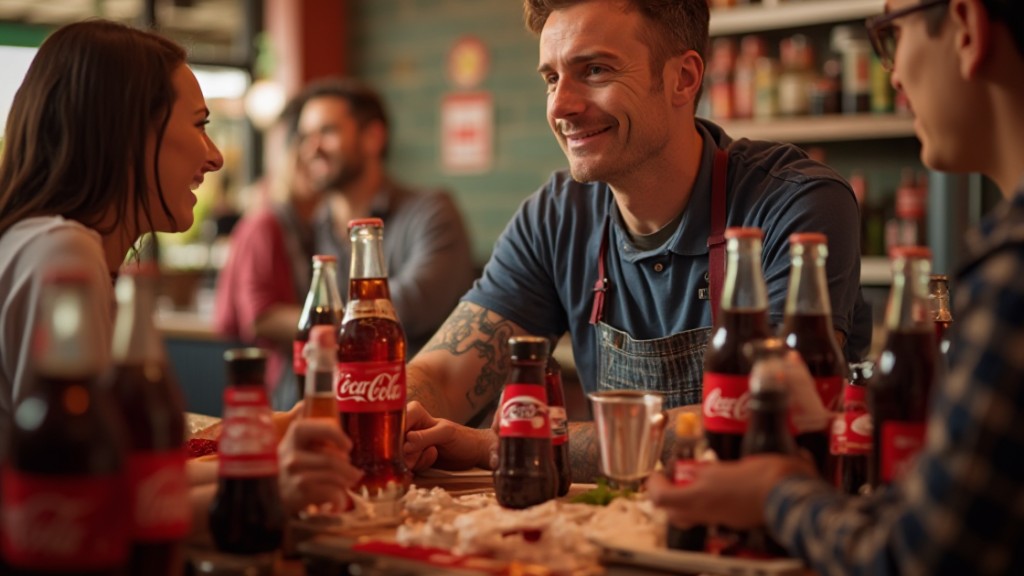
Coca-Cola‘s “Share a Coke” campaign, launched in 2011, transformed how consumers interacted with the brand by replacing its iconic logo with popular names on bottles. This innovative approach cultivated personalization, encouraging you to find your name or the names of friends and family, creating an emotional connection.
As one of the standout brand marketing case studies, the campaign resulted in a 2% increase in sales volume for the first time in over a decade. Furthermore, it led to a surge in social media engagement, with over 500,000 photos shared using the campaign’s hashtag.
Nike: Just Do It Campaign That Inspires Action and Loyalty
Nike‘s “Just Do It” campaign, launched in 1988, considerably shaped personal motivation and cultural trends by encouraging people to pursue their goals.
This initiative not merely boosted Nike’s sales from $877 million to $9.2 billion in a decade but likewise established a legacy of empowerment through relatable stories of diverse athletes.
Empowering Personal Motivation
The “Just Do It” campaign, which launched in 1988, stands as a prime example of how effective messaging can enhance personal motivation and cultivate brand loyalty. This campaign showcases key brand positioning components by resonating with diverse audiences and emphasizing action. By featuring athletes and everyday individuals, Nike strengthens its emotional connection with consumers. The campaign’s adaptability across generations guarantees its relevance, as its strong messaging has helped Nike capture a 43% share of the North American athletic footwear market.
| Key Component | Impact on Brand | Customer Connection |
|---|---|---|
| Empowerment | Increased sales | Motivation to act |
| Diversity | Emotional resonance | Sense of community |
| Adaptability | Market relevance | Lifelong loyalty |
Cultural Impact and Legacy
With its influential messaging and relatable themes, the “Just Do It” campaign has made a significant cultural impact since its inception in 1988.
This campaign not just transformed Nike’s brand positioning but additionally highlighted the importance of market research in comprehending consumer values.
- Motivates individuals to pursue their dreams
- Cultivates emotional connections through storytelling
- Aligns with social justice movements
- Inspires loyalty across generations
- Demonstrates adaptability to cultural changes
Airbnb: We Accept Campaign That Promotes Inclusivity and Diversity

Airbnb‘s “We Accept” campaign highlights the importance of belonging and community, showcasing how the brand values inclusivity and diversity.
By leveraging user-generated content, Airbnb actively engages its audience in conversations about acceptance and representation.
This initiative not just celebrates diverse identities but additionally reflects a commitment to corporate responsibility, reinforcing the brand’s connection with its users.
Emphasizing Belonging and Community
How does a brand effectively communicate its commitment to inclusivity and community?
Airbnb’s “We Accept” campaign serves as a strong brand strategy case study, illustrating how a brand can resonate with diverse audiences. Launched in 2017, the campaign emphasizes belonging and community by highlighting real stories and pledging support for marginalized groups.
- Promotes a welcoming environment for all travelers
- Addresses social and political tensions directly
- Utilizes impactful advertising, like the Super Bowl
- Commits to providing temporary housing for 100,000 people
- Increases brand loyalty through shared values
User-Generated Content Strategy
User-generated content (UGC) has become a pivotal element in modern marketing strategies, especially for campaigns like the “We Accept” initiative. This branding idea effectively showcased real stories from Airbnb hosts and guests, enhancing connection and trust. By featuring authentic experiences, Airbnb cultivated a sense of belonging, appealing to consumers who prioritize inclusivity.
| Host Stories | Guest Experiences |
|---|---|
| “I welcomed a refugee family.” | “I felt safe and accepted.” |
| “Diverse backgrounds enrich my life.” | “Traveling made me feel at home.” |
The UGC strategy not just highlighted Airbnb‘s commitment to diversity but also aligned the brand with social responsibility through a pledge to support marginalized communities, generating significant engagement across social platforms.
Celebrating Diversity and Inclusion
In light of growing global discrimination, the “We Accept” campaign emerged as a significant initiative aimed at promoting inclusivity and diversity within the travel industry. Launched in 2017, Airbnb’s campaign showcased its commitment to welcoming guests from all backgrounds, addressing the rise in discrimination. By pledging to provide housing for 100,000 people in need, Airbnb aligned its brand messaging with social responsibility, reinforcing its values.
- Highlights diverse individuals and families
- Collaborates with organizations to support refugees
- Reports a 15% increase in new sign-ups
- Amplifies bookings through positive brand perception
- Serves as a compelling example of brand management examples
This campaign exemplifies how aligning brand identity with inclusivity can improve market presence and consumer engagement.
Old Spice: The Man Your Man Could Smell Like Campaign That Captivated Audiences

When Old Spice launched the “The Man Your Man Could Smell Like” campaign on February 4, 2010, it aimed to rejuvenate its brand image and attract a younger audience. The campaign featured actor Isaiah Mustafa, quickly becoming a viral sensation, achieving over 1.4 billion impressions across media platforms. This widespread reach led to a remarkable 107% increase in sales, transforming Old Spice from an outdated brand into a desirable grooming product.
The campaign focused on humorous and engaging content, successfully targeting women who influence men’s purchasing decisions. Here’s a concise overview of its impact:
| Metric | Result |
|---|---|
| Impressions | 1.4 billion |
| Sales Increase | 107% |
| Target Audience | Younger consumers |
| Branding Approach | Humor and relatability |
| Follow-up Campaigns | Multiple ads and social media interactions |
These branding product ideas solidified Old Spice’s position as a modern and relatable brand in the market.
Patagonia: Don’t Buy This Jacket Campaign That Promotes Sustainability

Patagonia‘s “Don’t Buy This Jacket” campaign, launched in 2011, stands as a bold statement in the domain of consumerism and sustainability. The initiative urged consumers to rethink their purchasing habits and prioritize environmental responsibility, which is a good brand idea that resonated widely.
Surprisingly, this campaign resulted in a 30% revenue surge in the following year, proving that promoting sustainability can boost sales.
- Encouraged customers to buy less and repair items.
- Highlighted Patagonia’s eco-friendly practices.
- Reinforced loyalty among environmentally conscious consumers.
- Positioned Patagonia as a leader in sustainable fashion.
- Inspired other brands to adopt similar sustainable practices.
Frequently Asked Questions

What Is an Example of a Brand Transformation?
An example of a brand transformation is Dunkin’, which rebranded from Dunkin’ Donuts to simply Dunkin’ in 2018.
This change emphasized its beverage offerings and modernized its logo and color palette, streamlining its identity.
By focusing on coffee and convenience, Dunkin’ effectively repositioned itself in a competitive market.
This transformation not only appealed to existing customers but likewise attracted new ones, showcasing how a clear brand strategy can redefine market presence.
What Brands Have Successfully Rebranded?
Several brands have successfully rebranded in recent years.
Coca-Cola refreshed its image in 2015 with modern graphics while maintaining classic elements.
Airbnb’s Bélo logo introduced in 2014 symbolized community, enhancing brand recognition.
Dunkin’ streamlined its identity by dropping “Donuts” in 2018, focusing on beverages.
Mastercard simplified its logo in 2016, removing its name to align with digital trends.
Burger King embraced a retro look in 2021, reconnecting with audiences while preserving its heritage.
What Is a Real Life Example of Market Expansion?
A real-life example of market expansion is McDonald’s. The company successfully customized its menu to fit local tastes, such as introducing the McAloo Tikki in India.
This adaptation not just helped it resonate with consumers but additionally led to increased global sales, reaching $46.1 billion in 2021.
What Is the 3 7 27 Rule of Branding?
The 3-7-27 Rule of Branding states that consumers need to see a brand message three times for it to register, seven times for recall, and 27 times to influence their purchase decision.
This highlights the necessity of repeated exposure and consistent messaging across various channels, such as social media, email, and traditional advertising.
Conclusion

In conclusion, these seven examples of brand building illustrate how effective strategies can greatly improve market presence. By focusing on innovation, inclusivity, and sustainability, brands like Apple and Patagonia have redefined consumer expectations. Campaigns such as Dove’s Real Beauty and Nike’s Just Do It have nurtured deep connections with audiences, whereas Coca-Cola and Old Spice have revitalized engagement through personalization and humor. These cases demonstrate that purposeful branding not just boosts sales but additionally cultivates long-term loyalty among consumers.
Image via Google Gemini