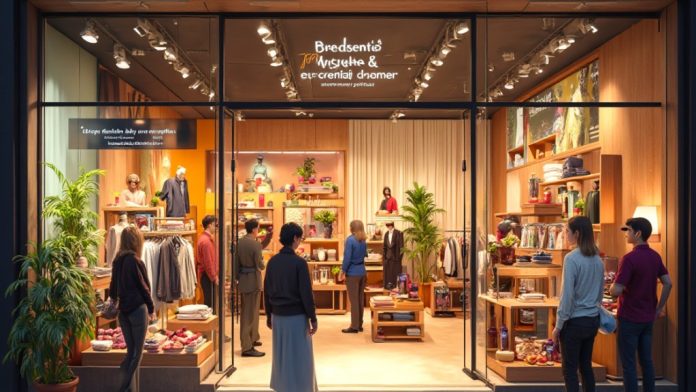
Designer visual merchandising involves creating engaging product displays that reflect a brand’s identity. It plays a vital role in retail, influencing customer purchasing decisions notably. By using elements like color, lighting, and layout, effective visual merchandising improves product visibility and nurtures emotional connections. Comprehending its key components and benefits can help retailers boost sales and customer loyalty. Nevertheless, as consumer behaviors shift, it is important to explore how these techniques are evolving in today’s marketplace.
Key Takeaways
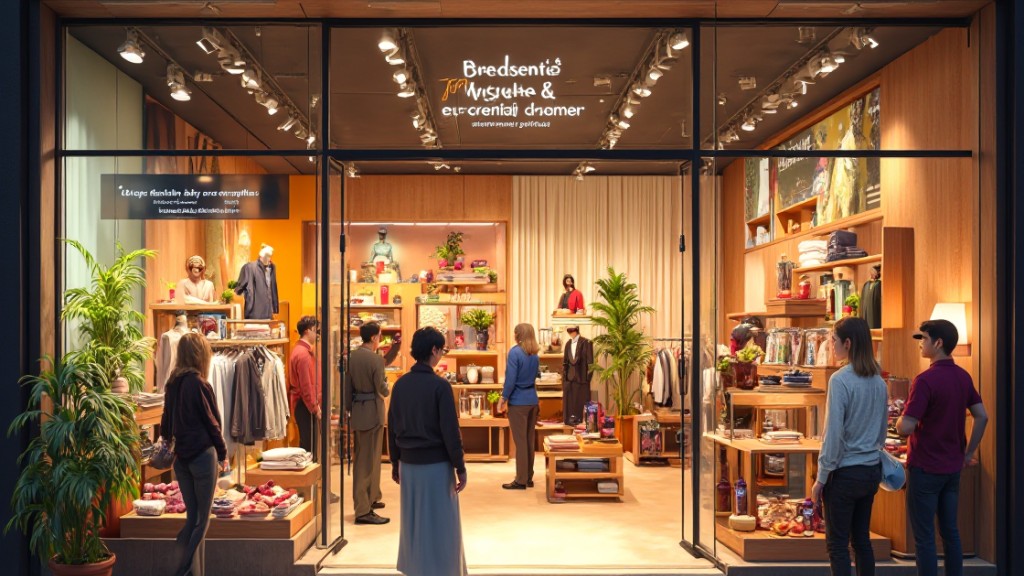
- Designer visual merchandising creates visually compelling product displays that align with brand identity, enhancing customer engagement and shopping experiences.
- It utilizes design techniques like color, lighting, and layout to influence consumer behavior and increase sales.
- Engaging displays can impact purchasing decisions, with 41% of consumers influenced by visual elements in their buying choices.
- Strong visual merchandising nurtures brand loyalty and improves brand recall by up to 80%, resulting in memorable shopping experiences.
- Future trends include sustainable practices and technology integration, catering to consumer preferences for eco-friendly and personalized shopping experiences.
Definition of Designer Visual Merchandising
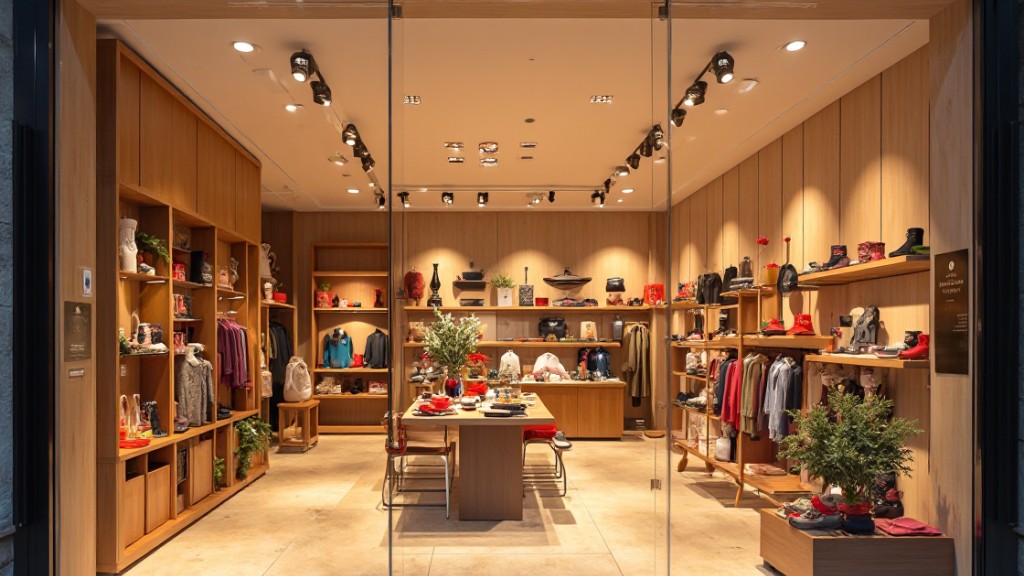
Designer visual merchandising is a strategic practice that focuses on crafting visually compelling product displays aligned with a brand’s identity. This specialized field involves using design techniques such as color, lighting, layout, and props to improve product visibility and create immersive shopping experiences.
With a visual merchandising degree, you’ll learn the principles of this art, allowing you to design spaces that resonate with customers. Visual merchandising courses often emphasize the importance of storytelling through displays, which can nurture emotional connections and improve brand loyalty.
Effective designer visual merchandising can greatly influence consumer behavior, as studies show that up to 70% of purchasing decisions are made based on visual presentation. By transforming retail spaces into memorable experiences, this practice differentiates brands in a competitive market, encouraging customer engagement and repeat visits.
Comprehending these concepts is crucial for anyone looking to excel in the retail design industry.
The Role of Designer Visual Merchandising in Retail
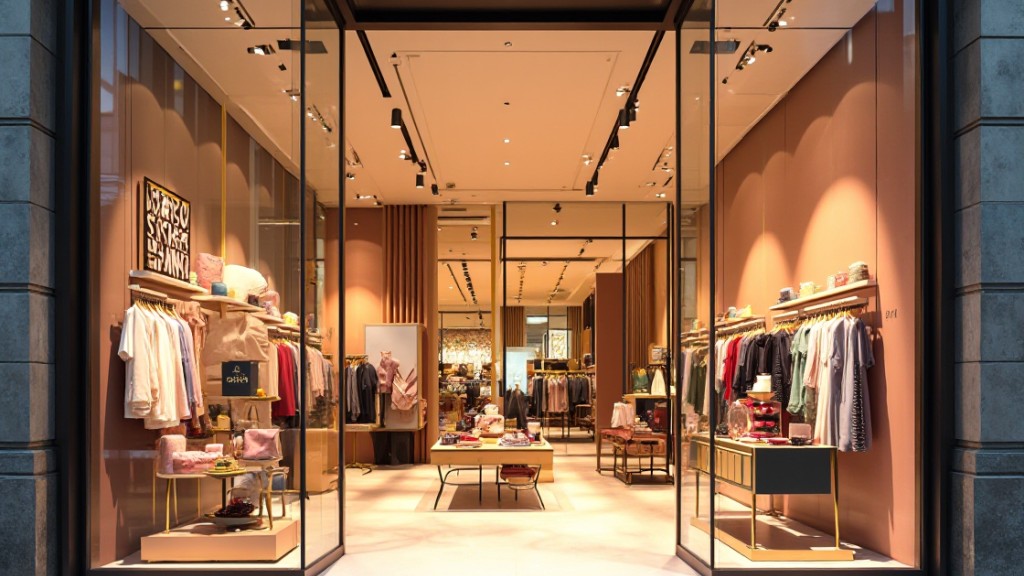
In retail, effective visual merchandising plays a vital role in shaping customer experiences and driving sales. It focuses on creating visually appealing displays that reflect your brand’s identity, enhancing customer engagement.
Here’s why designer visual merchandising is significant:
- It influences up to 70% of in-store purchasing decisions.
- It employs principles like balance, color theory, and storytelling to effectively communicate your brand’s message.
- It integrates innovative techniques, such as interactive elements, to boost product visibility.
Key Elements of Effective Visual Merchandising
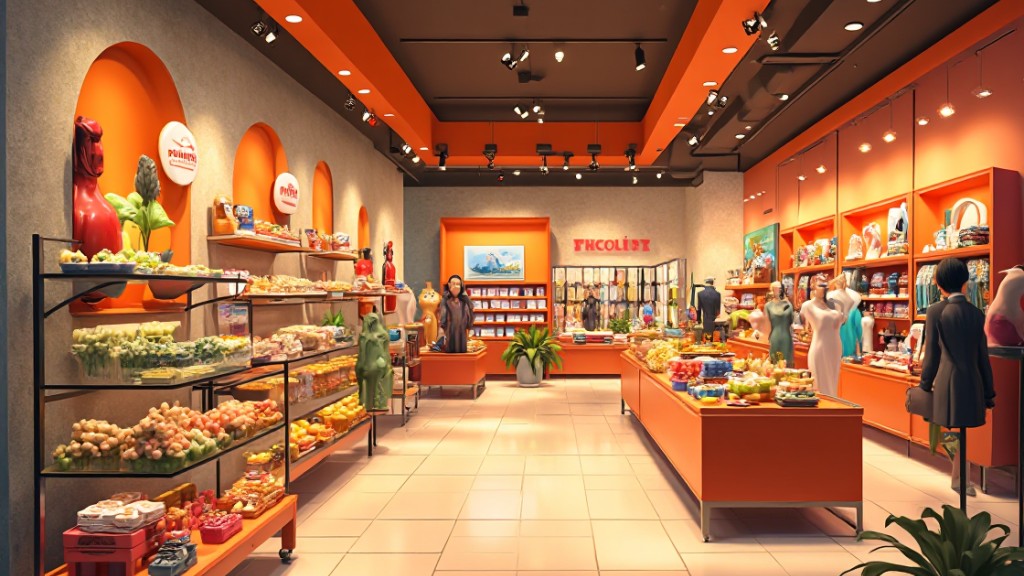
Effective visual merchandising hinges on a few key elements that can greatly improve your retail environment. Engaging display techniques grab attention, whereas strategic product placement guarantees that customers easily find what they need.
Furthermore, maintaining a cohesive brand aesthetic ties everything together, creating a seamless shopping experience that resonates with your target audience.
Engaging Display Techniques
Engaging display techniques are crucial for boosting customer interaction and increasing sales in retail environments. To create an impactful shopping experience, consider these key elements:
- Focal Points: Place products at eye-level to draw attention and improve visibility.
- Color Usage: Employ colors that evoke emotions and align with your brand, influencing consumer perceptions.
- Lighting: Use proper lighting to highlight products, set the mood, and guide customer focus.
Moreover, incorporating storytelling elements in your displays makes products more relatable, as interactive features, like product demonstrations, invite customer participation.
These strategies not only improve engagement but also nurture a deeper connection with your brand, ultimately leading to increased sales and customer loyalty.
Strategic Product Placement
Visual merchandising goes beyond merely creating engaging displays; it involves strategic product placement to maximize visibility and encourage customer interaction.
Studies show that well-placed products can boost sales by up to 20%. Using the “eye-level rule,” items positioned at eye level are 30% more likely to be purchased, emphasizing the significance of height.
Grouping related products together not only improves visibility but also promotes impulse buying, as customers often opt for complementary items.
Furthermore, effective use of negative space around products can draw attention, making them appear more desirable.
Incorporating seasonal themes into your product placement can refresh displays and capture shopper interest, ultimately driving foot traffic and increasing sales during peak periods.
Cohesive Brand Aesthetic
A cohesive brand aesthetic is fundamental for creating a memorable shopping experience that resonates with customers. This unity aligns design elements like color schemes, typography, and imagery with your brand’s identity.
To achieve this, consider these key aspects:
- Lighting: Use it strategically to highlight products and create an inviting atmosphere.
- Color: Maintain a consistent palette that reflects your brand’s personality and improves recognition.
- Storytelling: Craft displays that not only showcase products but additionally communicate your brand’s values and narrative.
Research shows that 41% of consumers rely on visual elements to make purchasing decisions.
The Benefits of Strong Visual Merchandising
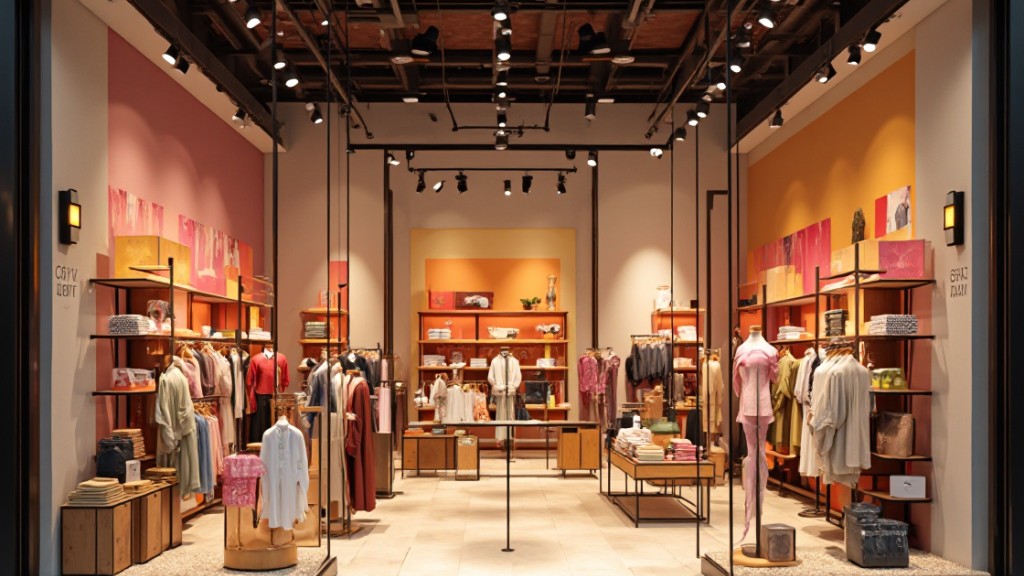
Strong visual merchandising plays a vital role in shaping consumer behavior and driving sales. Engaging displays can greatly influence purchasing decisions, with studies showing that 41% of consumers decide to buy based on visual elements alone. By strategically placing products in eye-catching ways, you can encourage impulse purchases, even in distraction-heavy environments, ultimately boosting revenue.
Cohesive visual merchandising not only aligns with your brand messaging but also nurtures brand loyalty and awareness, which are fundamental for repeat business in competitive markets.
Utilizing colors, lighting, and storytelling creates memorable shopping experiences that improve customer satisfaction and retention. Additionally, targeted visual strategies tap into customer desires and preferences, allowing your brand to expand its customer base and improve market reach.
This approach effectively attracts diverse demographics, ensuring your business remains relevant and appealing in a constantly evolving retail environment.
Types of Visual Merchandising Techniques
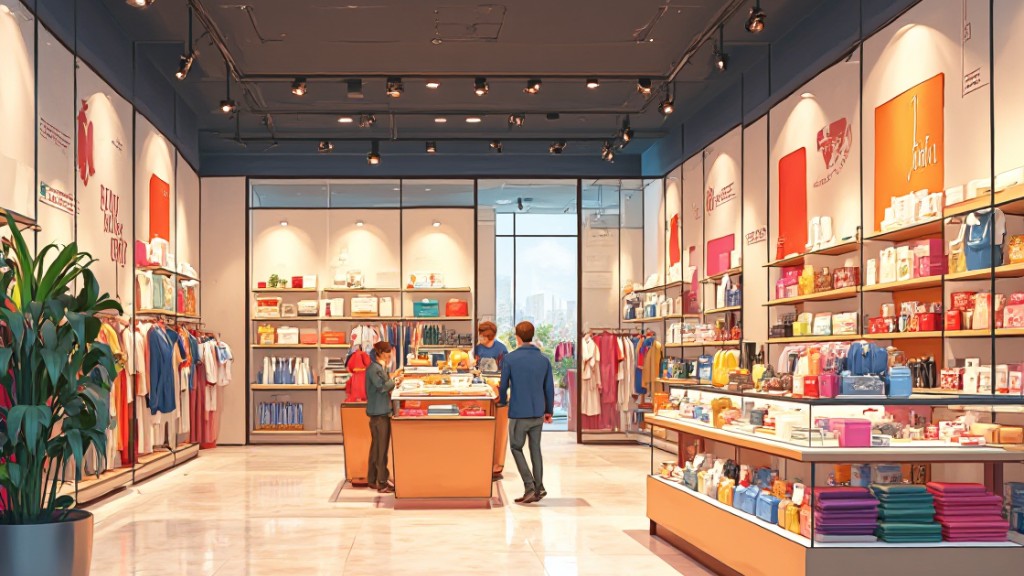
Effective visual merchandising techniques are essential for creating an inviting shopping atmosphere that drives customer engagement and sales. By utilizing a variety of techniques, you can improve the shopping experience and encourage purchases.
Here are some key methods:
- Interactive Displays: Engage customers directly with products, allowing them to experience items first-hand.
- Window Displays: Serve as your store’s first impression, capturing attention and enticing foot traffic.
- Mannequins: Showcase apparel as well as reflecting current trends, making displays relatable to a broader audience.
Furthermore, incorporating planograms helps define product placement for optimized visibility, guiding customer flow throughout the store.
Seasonal and thematic displays customized to holidays can likewise drive impulse purchases through effective visual storytelling.
Strategies for Enhancing Brand Identity Through Visual Merchandising
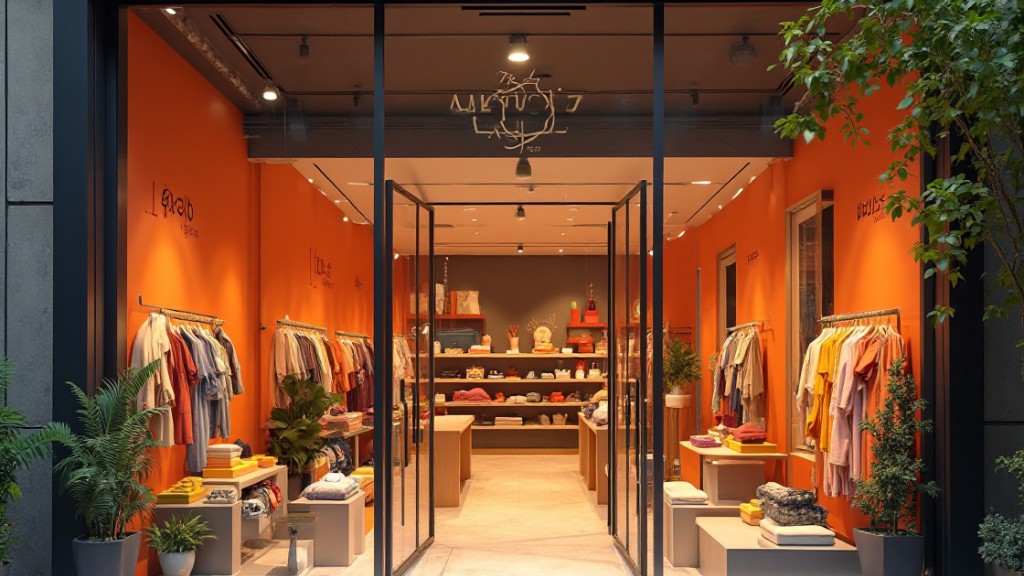
To improve brand identity effectively through visual merchandising, it is crucial to create a cohesive and inviting environment that resonates with customers. Start by designing an attractive shopfront that captures attention, converting onlookers into foot traffic. Utilize a consistent color theme across displays to evoke emotions that align with your brand identity. Group merchandise strategically; this boosts visual appeal and emphasizes brand themes, encouraging impulse purchases. Integrate clear signage to communicate your brand values and product information, guiding customers as you build trust and loyalty. Finally, keep your visual displays fresh by updating them seasonally, maintaining relevance in consumers’ minds and encouraging repeat visits.
| Strategy | Description | Benefit |
|---|---|---|
| Attractive Shopfront | First impression that draws customers in | Increased foot traffic |
| Cohesive Color Theme | Evokes emotions that align with brand identity | Improved customer engagement |
| Strategic Merchandise Grouping | Highlights brand themes and encourages purchases | Reinforced brand messaging |
| Clear Signage | Communicates values and product info | Builds trust and loyalty |
The Impact of Visual Merchandising on Consumer Behavior
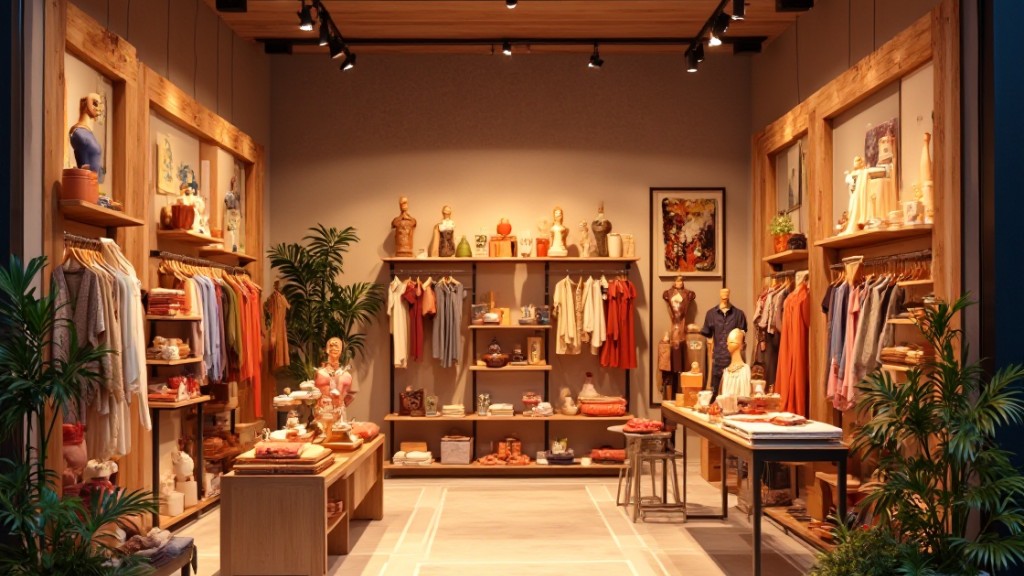
Visual merchandising plays a considerable role in shaping consumer behavior, influencing how shoppers interact with products and make purchasing decisions. Effective visual displays can notably improve your shopping experience, leading to increased sales for retailers.
Here are some key impacts of visual merchandising on consumer behavior:
- 41% of consumers decide to purchase based on visual elements in retail displays.
- Engaging displays encourage you to spend more time in-store, promoting exploration and interaction with products.
- Nearly 70% of buying decisions are made in-store, driven by strategic product placement and storytelling.
Moreover, lighting, color, and sensory elements create a positive shopping atmosphere that boosts customer satisfaction and loyalty.
When thoughtfully designed, visual merchandising can improve brand recall by up to 80%, ensuring you’re likely to remember the brands and products you encounter.
This underscores the importance of visual merchandising in the retail environment, shaping the overall consumer experience and influencing purchase behaviors.
Future Trends in Designer Visual Merchandising
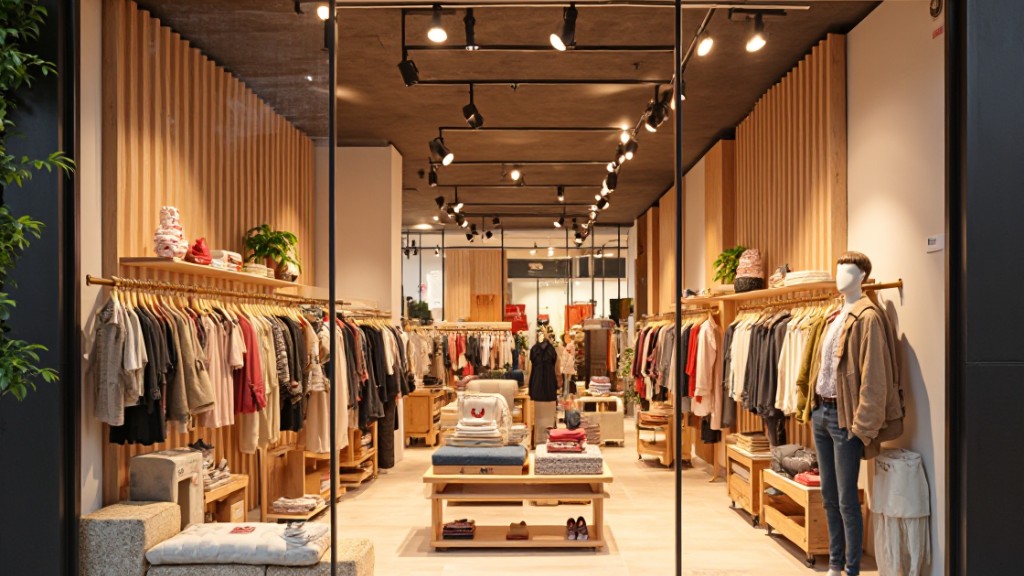
As you look to the future of designer visual merchandising, you’ll notice a strong focus on sustainable display practices that prioritize eco-friendly materials and methods.
Technology integration strategies, such as augmented reality and interactive displays, are transforming how shoppers interact with products, creating engaging experiences that drive sales.
Furthermore, personalization in presentations is becoming crucial, using data analytics to cater to individual preferences and improve overall customer satisfaction.
Sustainable Display Practices
Sustainable display practices are becoming increasingly important in designer visual merchandising, especially as consumers demand more environmentally responsible options. By implementing eco-friendly materials and techniques, you can greatly reduce your brand’s environmental impact while maintaining aesthetic appeal.
Consider these three key aspects:
- Use biodegradable props and energy-efficient lighting to improve sustainability.
- Adopt circular design principles that promote reusability and recyclability in display elements.
- Incorporate natural elements like plants and sustainable fabrics to align with consumer preferences.
As 66% of global consumers are willing to pay more for sustainable brands, integrating these practices can’t only improve your brand’s image but additionally strengthen customer loyalty.
Technology Integration Strategies
Incorporating technology into designer visual merchandising is reshaping the retail environment, allowing brands to improve customer experiences as they showcase their products more effectively.
Augmented reality (AR) and virtual reality (VR) create immersive shopping experiences, helping you visualize products in your own space before purchasing.
Furthermore, digital signage and interactive displays engage you with real-time information about promotions and brand stories, enhancing your interaction.
E-commerce platforms use AI-driven algorithms to analyze customer behavior, providing customized product recommendations that boost conversion rates.
Social media integration showcases products through influencer partnerships, increasing brand visibility.
Finally, responsive design guarantees that product presentations are optimized for both desktop and mobile devices, facilitating a seamless shopping experience wherever you are.
Personalization in Presentations
How can personalization transform the way you experience retail? Personalization in designer visual merchandising is reshaping your shopping expedition by tailoring experiences to your preferences.
Here’s how it impacts your experience:
- Customized Displays: Brands use data analytics to create presentations that resonate with specific customer segments, boosting engagement.
- Interactive Features: Technologies like augmented reality (AR) allow you to visualize products in your own space, enhancing your overall shopping experience.
- AI-Driven Adaptability: Brands leverage artificial intelligence to analyze your interactions, adjusting displays in real-time to reflect trends and seasonal changes.
With 80% of consumers more likely to purchase when experiences are personalized, it’s clear that personalization in retail isn’t just a trend; it’s crucial for driving sales and nurturing loyalty.
Frequently Asked Questions
What Is Visual Merchandising and Why Is It Important?
Visual merchandising is the practice of arranging products in retail spaces to attract customers and improve their shopping experience.
It’s important since it influences buying decisions, with studies showing that 41% of consumers rely on visual elements.
By effectively using techniques like strategic placement and lighting, you create memorable experiences that cultivate brand identity and trust.
Adapting these strategies regularly keeps your retail environment appealing, ensuring you maintain customer interest and drive sales.
Which Is the Most Important Goal of Visual Merchandising?
The most important goal of visual merchandising is to attract customer attention. By effectively showcasing products, you improve the shopping experience, encouraging customers to spend more time in-store.
This strategy not merely guides shoppers through their expedition but additionally highlights related items, increasing the chances of impulse purchases.
In the end, successful visual merchandising converts walk-by customers into walk-in customers, greatly boosting store traffic and sales performance, as well as reinforcing brand image and loyalty.
What Are the Three Most Important Things in Visual Merchandising?
The three most important aspects of visual merchandising are product presentation, customer engagement, and brand consistency.
First, effective product presentation uses strategic placement and lighting to showcase items, influencing purchasing decisions.
Second, customer engagement involves storytelling and interactive displays that create memorable shopping experiences.
Finally, brand consistency guarantees that visual elements align with your brand’s identity, promoting recognition and loyalty.
Together, these elements improve the shopping experience and drive sales effectively.
Why Is a Visual Merchandiser Important to My Company?
A visual merchandiser’s role is crucial for your company’s success. They create engaging displays that can boost sales by up to 30%, improve brand identity, and enrich customer experience.
By analyzing shopper behavior, they tailor experiences that increase customer dwell time in-store. Their strategic use of color, lighting, and layout draws attention to key products, ensuring cohesive branding.
Regular updates to displays prevent customer fatigue, which can greatly raise impulse purchases.
Conclusion
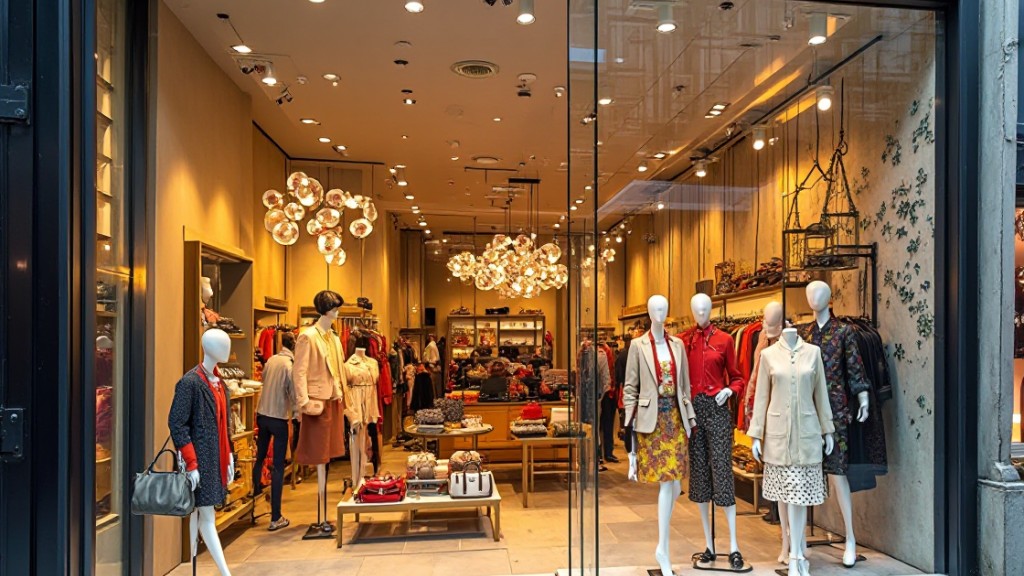
In summary, designer visual merchandising plays a vital role in retail by enhancing product visibility and aligning displays with brand identity. By comprehending key elements like color, lighting, and layout, retailers can create engaging experiences that influence consumer behavior. The benefits of effective visual merchandising extend beyond immediate sales, nurturing brand loyalty and improving customer recall. As trends evolve, staying informed about new techniques will be fundamental for retailers aiming to maintain a competitive edge in the marketplace.
Image via Google Gemini