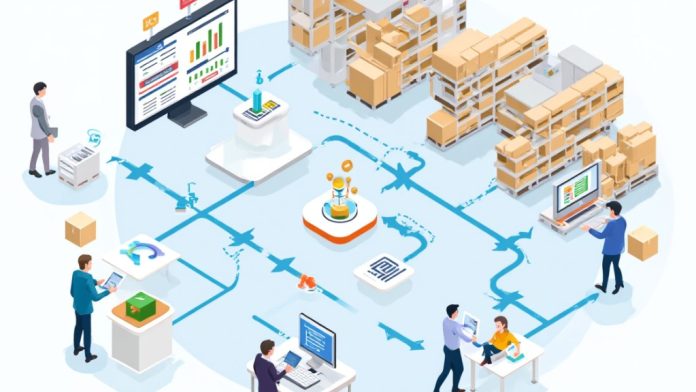
Digital inventory tracking is an innovative method that leverages technologies like barcode scanners and RFID tags to monitor stock levels in real-time. This system automates data entry, minimizing errors and enhancing accuracy in inventory management. By providing instant updates on inventory status, it enables businesses to respond swiftly to changes in demand. To understand its full potential and how it integrates with various business processes, let’s explore its key features and benefits.
Key Takeaways
- Digital inventory tracking utilizes technologies like barcode scanners and RFID tags for real-time stock level management.
- It automates inventory updates, reducing errors associated with manual tracking methods.
- The system provides automated alerts for low stock and discrepancies, enhancing operational efficiency.
- Integration with ERP and CRM systems ensures seamless information flow across business operations.
- Real-time visibility aids in demand forecasting, aligning inventory levels with customer needs and reducing carrying costs.
Definition and Overview of Digital Inventory Tracking

Digital inventory tracking is a modern approach to managing stock levels and inventory movement, utilizing advanced technologies like barcode scanners and RFID tags. This system enables real-time monitoring of inventory, replacing traditional manual methods that often lead to errors.
With a digital inventory system, you can achieve greater accuracy in your inventory data management, as it updates stock availability immediately. This responsiveness allows businesses like yours to quickly react to changes in demand, helping you avoid stockouts or excess inventory.
Additionally, digital inventory tracking integrates seamlessly with other business systems, such as ERP and CRM, ensuring a smooth flow of information throughout your operations. Automated alerts within these systems notify you of low stock levels, facilitating timely reordering to maintain ideal inventory levels.
Key Features of Digital Inventory Tracking Systems
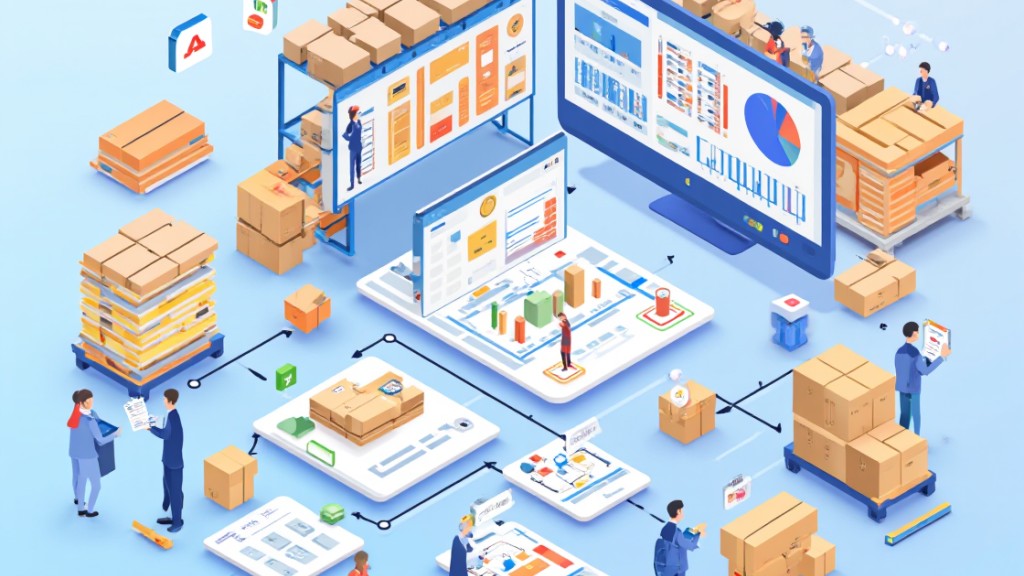
Digital inventory tracking systems are designed to provide you with real-time data updates, ensuring you always have accurate stock levels at your fingertips.
With an automated alerts system, you’ll receive notifications for low stock or discrepancies, allowing you to respond quickly and avoid potential shortages.
These features not just improve efficiency but additionally empower you to make informed decisions about your inventory management.
Real-Time Data Updates
In any efficient inventory management system, real-time data updates play a crucial role in maintaining accurate stock levels.
With digital inventory systems, you can continuously monitor inventory movements, guaranteeing that your recorded stock reflects what’s actually on hand. Technologies like RFID tags and barcode scanners help capture these updates, enhancing the accuracy of your digital stocktake.
This real-time access enables you to make informed decisions quickly, improving operational efficiency and response times to market changes.
Furthermore, integrating your inventory system with ERP or CRM platforms guarantees seamless data flow across all processes, providing thorough visibility.
Automated Alerts System
An automated alerts system is essential for effective inventory management, as it keeps you informed about vital stock levels without the need for constant manual monitoring.
These alerts notify you in real time when stock levels drop below predefined thresholds, ensuring timely reordering to prevent stockouts. You can customize these thresholds based on your business needs, tailoring notifications to suit your operations.
Furthermore, the system alerts you about shipment delays, enhancing transparency and efficiency in your supply chain. By providing vital information without manual oversight, automated alerts reduce the risk of human error, improving decision-making.
Integration with other business management software further streamlines communication across departments, allowing for quicker responses to inventory challenges.
How Digital Inventory Tracking Improves Accuracy
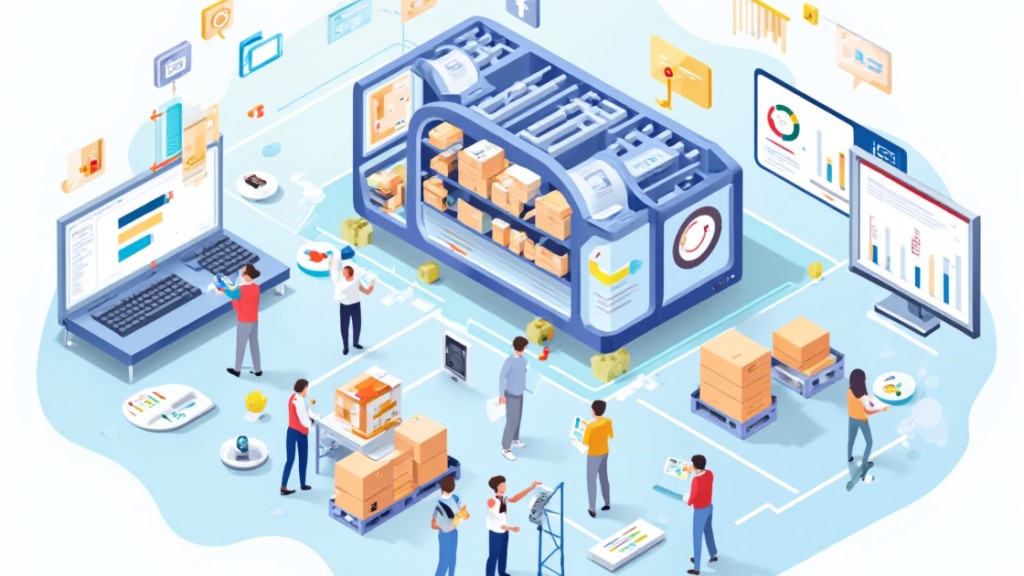
Although many businesses still rely on manual inventory management, shifting to digital inventory tracking can greatly boost accuracy in stock management. Digital tracking uses automated systems that update stock levels in real time, which greatly reduces the human error often associated with manual data entry.
By employing tools like barcode scanners and RFID tags, you can accurately monitor inventory movement, leading to more precise stock counts. Automated alerts for low stock levels and discrepancies improve your responsiveness, allowing you to address inventory issues before they disrupt operations.
With real-time visibility into inventory data, you can additionally enhance demand forecasting, helping align stock levels with customer needs and minimize overstock or stockouts. Moreover, integrating digital inventory tracking with other business systems, such as ERP or CRM, offers thorough insights that enable informed decision-making and strategic inventory management, ensuring a more efficient operation overall.
Real-Time Data and Its Impact on Supply Chain Efficiency

Real-time data tracking greatly improves inventory accuracy, allowing you to monitor stock levels continuously.
With automated alerts for low stock, you can make quicker decisions that prevent disruptions in your supply chain.
This immediate access to information not just enhances decision-making speed but also increases overall efficiency, leading to reduced operational costs and better service levels.
Enhanced Inventory Accuracy
As businesses aim to improve their operational efficiency, improved inventory accuracy through digital tracking has become a game-changer for supply chain management.
By providing real-time updates on stock levels, digital tracking reduces discrepancies by up to 30% compared to traditional methods. Automated alerts for low stock levels help guarantee timely replenishment, enhancing order fulfillment rates by over 25%.
Access to real-time data likewise aids in better demand forecasting, decreasing overstock situations by approximately 20% and optimizing storage costs.
Furthermore, visibility into inventory movements reduces lead times by an average of 15%. With accurate inventory data, you can support informed decision-making, ultimately increasing operational efficiency and cutting costs by up to 10% in supply chain management.
Improved Decision-Making Speed
When you leverage digital inventory systems, the speed of decision-making in your supply chain can considerably improve. Real-time data tracking provides immediate insights into stock levels, allowing you to make informed decisions without delay. Automated alerts for low stock help you respond quickly to shortages, minimizing disruptions. Integrating real-time data with demand forecasting boosts your ability to predict customer needs, aligning inventory more accurately.
| Benefit | Description | Impact on Efficiency |
|---|---|---|
| Real-Time Insights | Access to current stock information | Quicker decision-making |
| Automated Alerts | Notifications for low stock | Reduced inventory disruptions |
| Demand Forecasting | Anticipate customer needs | Better inventory alignment |
| Enhanced Collaboration | Clear visibility for all stakeholders | Accelerated decision processes |
| Improved Responsiveness | Elimination of manual data entry delays | Swift adaptation to market changes |
Benefits of Digital Inventory Tracking for Businesses

Digital inventory tracking offers significant advantages for businesses looking to streamline their operations and improve efficiency. By leveraging this technology, you gain real-time visibility into stock levels, which helps you respond quickly to demand changes and avoid stockouts or overstock situations.
Here are some key benefits:
- Minimized human error: Automating data entry improves accuracy in inventory records.
- Improved forecasting: Analytics capabilities lead to optimized inventory levels and reduced carrying costs.
- Integration with software: Seamless connections with ERP and CRM systems boost coordination across departments.
- Detailed insights: You gain valuable information on inventory movement and performance.
- Enhanced decision-making: Better data supports informed strategic decisions that can elevate customer satisfaction.
With these advantages, digital inventory tracking not only improves operational efficiency but likewise contributes to overall business profitability.
Challenges of Implementing Digital Inventory Tracking

Implementing digital inventory tracking can present several challenges that businesses need to address to guarantee a smooth shift. First, you’ll encounter significant initial setup costs, including software and hardware purchases, in addition to training expenses for your employees.
As they transition from manual methods to digital systems, staff may face a steep learning curve, which could lead to temporary disruptions in operations.
Moreover, the increased reliance on digital systems raises vital data security concerns; cyber threats could compromise sensitive inventory information.
To mitigate these challenges, proper planning is fundamental. This includes ensuring data accuracy through thorough validation and cleaning of existing inventory records before migration.
Successful implementation hinges on ongoing support and effective training programs, empowering your employees to utilize the new systems efficiently.
Addressing these issues early on can help pave the way for a successful digital inventory tracking experience.
Best Practices for Successful Digital Inventory Tracking

To achieve success in digital inventory tracking, it’s essential to adopt several best practices that streamline operations and improve accuracy.
Implementing these strategies can greatly improve your inventory management process.
- Utilize real-time tracking systems with barcode scanners or RFID technology for accurate inventory levels.
- Conduct regular cycle counts to verify inventory accuracy and reconcile any discrepancies.
- Establish automated reorder points based on historical sales data to prevent stockouts and overstock situations.
- Integrate your digital inventory tracking with SAP or Salesforce systems for a unified view across operations.
- Train your staff regularly on best practices for using digital inventory systems to minimize errors and maximize efficiency.
Popular Digital Inventory Tracking Solutions

Having established best practices for successful digital inventory tracking, it’s now important to explore some of the popular solutions available that can help businesses improve their inventory management processes.
ShipBob stands out with its global fulfillment network and technology for real-time inventory management.
If you’re managing multiple sales channels, Skubana offers advanced features to streamline operations across various platforms effectively.
For a thorough approach, Cin7 integrates with e-commerce platforms and POS systems, providing improved visibility and control over your stock.
Linnworks shines in facilitating inventory control across multiple sales channels, ensuring you can synchronize stock levels and fulfill orders efficiently.
Finally, Inventory Planner focuses on forecasting and demand planning, helping you optimize stock levels and reduce carrying costs with data-driven insights.
Each of these solutions brings unique features that can greatly improve your inventory management capabilities.
Transitioning From Traditional to Digital Inventory Tracking

Shifting from traditional to digital inventory tracking requires a careful evaluation of your current inventory processes to pinpoint inefficiencies and select a digital management system that aligns with your business’s specific needs.
This change involves several critical steps:
- Data Migration: Clean and validate existing inventory data for accuracy in the new system.
- Employee Training: Provide extensive training on new digital tools to guarantee effective usage.
- System Integration: Integrate the digital inventory system with existing software, like accounting and ERP tools, for improved efficiency.
- Clear Goals: Establish specific objectives for the change to guide implementation.
- Structured Strategy: Develop a structured plan to mitigate challenges and facilitate a smooth change.
Frequently Asked Questions

How Does Digital Inventory Work?
Digital inventory works by assigning unique identifiers, like barcodes or RFID tags, to each product.
As items move through the supply chain, the system automatically updates inventory counts in real time. You receive alerts for low stock or shipment delays, allowing you to manage inventory proactively.
Moreover, it often integrates with ERP or CRM tools, offering an all-encompassing view of your business operations, as advanced analytics can improve forecasting and reduce holding costs.
What Are the Three Methods of Tracking Inventory?
You can track inventory using three primary methods: manual tracking, barcode scanning, and RFID technology.
Manual tracking involves recording inventory on paper or spreadsheets, which can lead to errors.
Barcode scanning assigns unique codes to products, allowing quick updates and reducing mistakes.
RFID technology uses radio waves for automatic tracking, offering real-time updates and minimizing manual checks.
Each method has its benefits and challenges, with barcode scanning and RFID typically providing greater accuracy.
What Is the 80/20 Rule for Inventory?
The 80/20 rule for inventory suggests that 80% of your profits typically come from just 20% of your inventory items.
By identifying and managing these key products, you can prioritize efforts to maintain ideal stock levels, reduce carrying costs, and improve inventory turnover rates.
Focusing on these high-impact items boosts customer satisfaction and allows you to allocate resources effectively, ultimately supporting your business’s strategic goals and improving overall profitability.
How Does Inventory Tracking Work?
Inventory tracking works by using digital identifiers like barcodes, RFID tags, or QR codes to monitor products in real time.
Automated systems continuously update stock counts as items are received, sold, or relocated. This process reduces human error and increases order accuracy.
Alerts notify you of low stock levels, allowing timely reordering.
Furthermore, integrating with management software improves visibility into stock levels and demand forecasting, aiding in informed decision-making for inventory management.
Conclusion
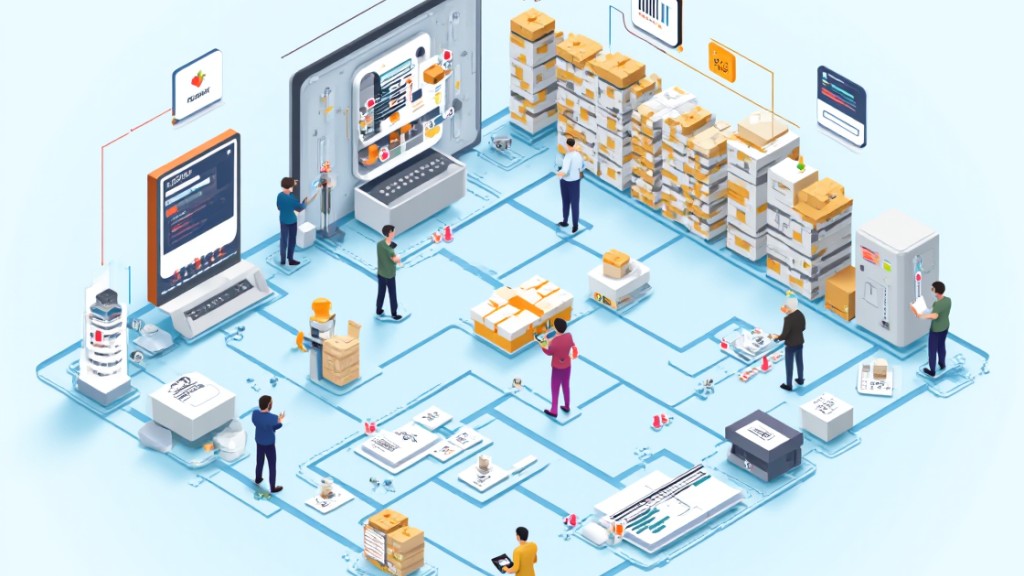
In summary, digital inventory tracking streamlines stock management through real-time data and automation, enhancing accuracy and efficiency in supply chain operations. By implementing this system, businesses can respond swiftly to demand changes, reducing the risk of stockouts or overstocking. Although there are challenges in shifting from traditional methods, adopting best practices can lead to successful integration. As technology continues to evolve, embracing digital inventory tracking becomes crucial for maintaining competitiveness and operational effectiveness in today’s market.
Image via Google Gemini