
When managing an eCommerce business, choosing the right stock management software can greatly influence your operations. Various platforms, like Webgility and Unicommerce, offer unique features customized to different needs, from inventory synchronization to multi-channel management. Comprehending these tools can help streamline your processes and improve efficiency. As you explore the options available, consider how each solution aligns with your specific business requirements and goals. The next step is to evaluate which software might be the best fit for you.
Key Takeaways

- Webgility excels in eCommerce inventory sync and integrates with major sales channels like Shopify and Amazon for seamless management.
- Unicommerce offers real-time inventory tracking and advanced reporting, enhancing efficiency for multi-channel operations.
- Cin7 features over 700 integrations and utilizes ForesightAI for demand forecasting, making it ideal for multichannel inventory management.
- Netstock employs AI for supply and demand planning, significantly reducing stock-outs and optimizing inventory levels across locations.
- Fishbowl Inventory provides robust solutions for inventory and warehousing, integrating seamlessly with QuickBooks to minimize manual errors.
Webgility (Best for Ecommerce Inventory Sync and Management)

Webgility stands out as an exceptional solution for eCommerce businesses looking to streamline inventory synchronization and management across various platforms. This powerful ecommerce inventory software automates inventory updates, ensuring you avoid overselling and stockouts.
By integrating seamlessly with popular Shopify, Amazon, and eBay, you can manage your inventory from a single dashboard, enhancing your operational efficiency.
Webgility’s detailed reporting and analytics enable you to track inventory performance, allowing data-driven decisions for optimal stock levels. With its fba inventory management software features, you can automate order processing and fulfillment workflows, greatly reducing manual entry errors.
Plus, the platform supports mobile access, allowing you to manage your inventory and sales on-the-go. This capability is crucial in today’s fast-paced retail environment, making Webgility a strong contender in the ecommerce stock management software domain.
Unicommerce (Best for Saas Ecommerce Enablement)

Unicommerce has emerged as a leading SaaS platform that caters particularly to the needs of eCommerce businesses, offering robust stock management solutions.
This software stands out as one of the best inventory software for ecommerce, providing crucial features that streamline your operations.
Here are four key benefits:
- Real-time Inventory Tracking: Keep accurate tabs on your stock levels to avoid stockouts.
- Multi-channel Integration: Effortlessly synchronize inventory across platforms like Shopify and Amazon, ensuring seamless operations.
- Advanced Reporting and Analytics: Gain valuable insights into sales trends and customer preferences to improve demand forecasting.
- Automated Inventory Processes: Enhance efficiency with automated order management, replenishment, and fulfillment.
Cin7 (Best for Multichannel Inventory Management)
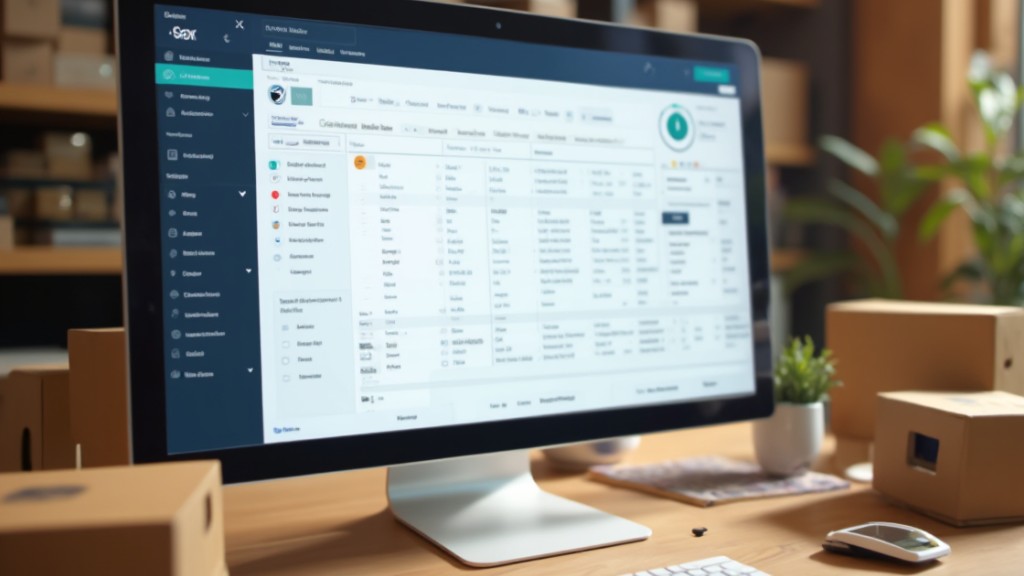
Regarding managing inventory across multiple sales channels, Cin7 stands out as a top-tier solution customized for manufacturers and product sellers. This robust platform is ideal for retailers, wholesalers, and online sellers, thanks to its strong multichannel inventory management capabilities.
With features like Connected Inventory Performance (CIP), you gain real-time visibility and automated workflows, enhancing operational efficiency.
Cin7 boasts over 700 integrations with major platforms like Shopify, Amazon, and QuickBooks, streamlining your inventory management process. The ForesightAI feature automates demand forecasting and reorder processes, helping you minimize waste and optimize inventory levels.
You’ll additionally appreciate the advanced reporting tools that provide insights into sales trends and inventory costs, empowering you to make data-driven decisions for improved profitability.
While Cin7 isn’t warehouse management system software open source, its extensive features position it as a leading choice for effective multichannel inventory management.
Netstock (Best for Supply and Demand Planning)

If you’re looking to improve your supply and demand planning, Netstock offers a sophisticated solution designed to enhance your inventory management. This AI-driven software helps businesses reduce stock-outs and lower inventory levels by over 25%.
With an intuitive dashboard, you can easily assess key performance indicators such as stock versus model stock and fill rates.
Here are some notable features of Netstock:
- SKU Classification: It automatically classifies SKUs based on sales velocity, allowing for focused inventory management.
- Enhanced Ordering: Netstock generates improved orders for replenishment, streamlining your supply chain.
- Surplus Stock Transfers: You can transfer surplus stock between locations to maintain ideal inventory levels.
- Custom Pricing: Tailor your solution with pricing options based on your specific business needs.
Netstock empowers you to manage your inventory effectively, ensuring that you meet customer demand as you minimize excess stock.
Fishbowl Inventory (Best for Inventory, Warehousing, and Manufacturing)
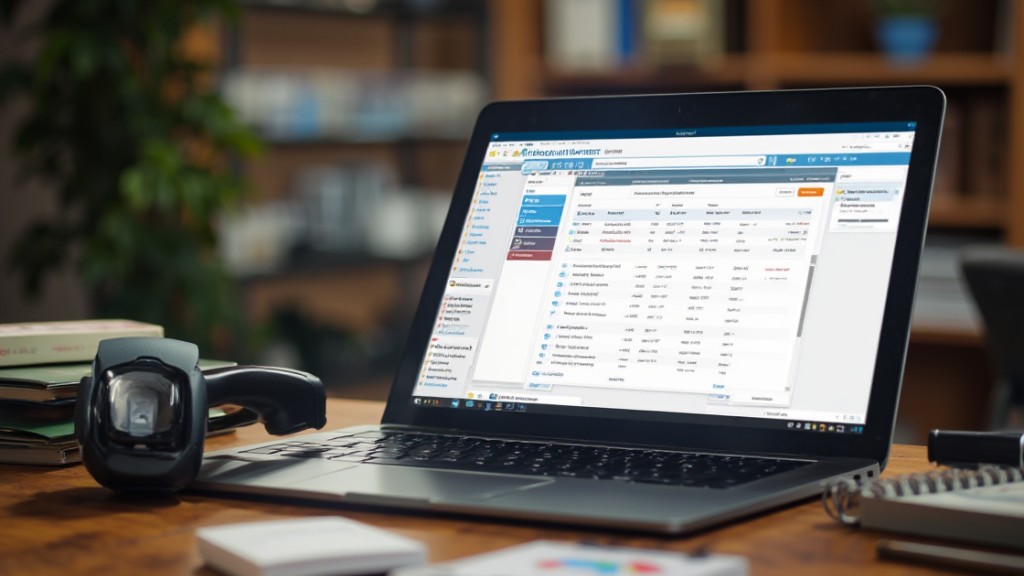
When managing inventory, warehousing, and manufacturing, Fishbowl Inventory stands out as a robust solution tailored for businesses seeking efficiency and accuracy. This software offers real-time tracking of inventory across multiple locations, enabling you to monitor stock by quantity, weight, serial number, or expiration date.
Its seamless integration with QuickBooks streamlines sales order and shipping processes, greatly reducing manual data entry errors.
Fishbowl furthermore provides detailed reporting capabilities that give you insights into inventory levels and sales trends, empowering informed decision-making.
The platform features automated purchasing processes, generating purchase orders based on predefined reorder points, which helps prevent stockouts and excess inventory.
In addition, custom pricing options cater to various business needs, offering Basic Inventory, Advanced Warehousing, and Advanced Manufacturing.
With Fishbowl, you’ll have an all-encompassing system intended to improve your operational efficiency and support your growth.
Zoho Inventory (Best for MSMEs and Large-Scale Corporations)

Zoho Inventory serves as an excellent inventory management solution for both small and medium-sized enterprises (MSMEs) and large-scale corporations.
This cloud-based software offers several features that improve your inventory processes, making it a reliable choice for diverse business needs.
Here are four key benefits:
- Real-Time Tracking: You can monitor stock levels and product movement seamlessly, ensuring you stay updated on inventory status.
- Batch Tracking: This feature maintains precise records of items, helping reduce errors and ensuring effective stock rotation.
- Integration Capabilities: Zoho Inventory integrates with popular platforms like Shopify and payment gateways such as PayPal, streamlining your operations.
- Cost-Effective Pricing: With multiple pricing tiers, including a free plan, it allows you to manage inventory efficiently without heavy upfront investments.
These features collectively optimize stock availability and improve customer satisfaction by facilitating faster shipping and delivery processes.
Shopify (Best for Building and Managing Ecommerce Stores)

Shopify stands out for its seamless integration capabilities, allowing you to connect various tools and services effortlessly.
Its user-friendly interface design makes it easy for you to manage your ecommerce store and inventory without a steep learning curve.
With features like multi-location inventory management and automation, Shopify streamlines your operations, helping you focus on growing your business.
Seamless Integration With Shopify
A robust integration with Shopify can greatly improve your ecommerce operations, especially regarding stock management. By leveraging Shopify’s built-in inventory features and automation tools, you can streamline your processes and boost efficiency.
Here are some key benefits of this integration:
- Comprehensive Tracking: Monitor stock levels, including on-hand, available, and incoming stock, ensuring you never run out.
- Multi-Location Management: Manage up to 1,000 warehouses and fulfillment centers effectively, optimizing your distribution efforts.
- Automated Alerts: Utilize Shopify Flow for low-stock alerts, allowing for timely restocking without manual checks.
- Tool Compatibility: Seamlessly integrate with various applications to bolster your inventory tracking and operational capabilities.
With plans starting at $29/month, Shopify makes effective stock management accessible for small businesses.
User-Friendly Interface Design
An effective stock management system is only as good as its interface, and Shopify stands out in this area. Its user-friendly design simplifies inventory management, allowing you to view on-hand, available, committed, unavailable, and incoming stock effortlessly. With support for multi-location inventory management, you can handle up to 1,000 warehouses and fulfillment centers from one dashboard. Shopify Flow further improves efficiency by automating tasks like low-stock alerts, reducing manual errors. The setup process is intuitive, requiring minimal technical knowledge, making it accessible for all skill levels. Plus, Shopify’s extensive community support guarantees you’ll find assistance easily, enhancing your overall experience.
| Feature | Benefit | Ease of Use |
|---|---|---|
| Multi-location support | Manage up to 1,000 warehouses | Simple dashboard access |
| Shopify Flow | Automates inventory tasks | Reduces manual errors |
| Intuitive setup | Quick adaptation for all users | Minimal technical skills |
| Community support | Easy access to help | Enhances user experience |
| thorough views | Clear inventory status | Simplified management |
Frequently Asked Questions

How Can I Choose the Right Ecommerce Stock Management Software for My Business?
To choose the right ecommerce stock management software, start by evaluating your business needs, including inventory size and sales volume.
Research available options, focusing on features like real-time tracking, integration with existing systems, and user-friendliness.
Consider pricing models—monthly subscriptions versus one-time fees—and read reviews for insights into customer support.
Finally, take advantage of free trials to test the software, ensuring it fits seamlessly into your operations and meets your expectations.
What Integrations Should I Look for in Stock Management Software?
When evaluating stock management software, consider crucial integrations that improve efficiency.
Look for compatibility with your eCommerce platform, payment processors, and shipping services. Integrations with accounting software streamline financial processes, whereas connections to customer relationship management (CRM) tools improve customer interactions.
Furthermore, support for inventory tracking and analytics software can provide insights into stock levels and trends. Ensuring these integrations align with your business needs will optimize your operational workflow.
How Does Stock Management Software Improve Customer Experience?
Stock management software improves customer experience by ensuring accurate inventory levels, which prevents stockouts and overstock situations.
When you have real-time data, you can quickly fulfill orders, leading to faster delivery times.
Furthermore, the software can streamline the return process, making it easier for customers to exchange items.
With improved visibility into inventory trends, you can likewise anticipate demand, allowing you to optimize product offerings, in the end satisfying customer preferences more effectively.
What Are the Costs Associated With Ecommerce Stock Management Solutions?
When considering eCommerce stock management solutions, you’ll encounter various costs. These include subscription fees, which can range from monthly to annual payments, and setup costs for implementation.
Furthermore, there’s potential for training expenses to guarantee your team effectively uses the software. Don’t forget about ongoing maintenance fees and any costs related to updates or additional features.
Finally, consider any transaction fees associated with integrating the software into your existing systems.
Are There Any Free Ecommerce Stock Management Software Options Available?
Yes, there are free ecommerce stock management software options available.
Many platforms offer basic features at no cost, allowing you to manage inventory, track stock levels, and generate reports. Examples include Zoho Inventory, StockPile, and Odoo.
Although these free options may have limitations in functionality or user capacity, they can still be effective for small businesses.
Always evaluate your specific needs to verify the software can adequately support your operations without incurring costs.
Conclusion

Ultimately, selecting the right eCommerce stock management software is essential for optimizing your inventory processes. Each solution, from Webgility’s inventory sync capabilities to Shopify’s store management features, offers unique advantages customized for various business needs. By comprehending the strengths of these platforms, you can effectively improve your operations, reduce stockouts, and increase overall efficiency. Investing in the right software not just streamlines your inventory management but furthermore supports your growth in a competitive marketplace.
Image via Google Gemini