Key Takeaways
- Customer Experience is Key: Enhancing the shopping environment and providing exceptional service can significantly boost sales and encourage repeat business.
- Leverage Technology: Implementing point-of-sale systems, CRM tools, and e-commerce platforms can streamline operations, optimize inventory, and improve customer engagement.
- Effective Pricing Strategies: Competitive pricing, promotions, and loyalty programs are essential for attracting customers and maintaining profitability in retail.
- Utilize Marketing Techniques: Engaging in social media marketing and in-store promotions can enhance brand visibility and drive traffic to your retail space.
- Invest in Employee Training: A well-trained and motivated sales team can elevate customer interactions and contribute to increased sales performance.
- Adapt to Market Trends: Staying informed about consumer preferences and industry trends is crucial for positioning your business competitively in the retail landscape.
In today’s competitive retail landscape, boosting sales isn’t just a goal—it’s a necessity. With ever-changing consumer preferences and the rise of online shopping, you need effective strategies to stand out and drive growth. Whether you’re a seasoned retailer or just starting out, understanding the nuances of your market can make all the difference.
You’ll discover that increasing sales involves more than just attractive displays and competitive pricing. It’s about creating an engaging shopping experience that keeps customers coming back for more. From leveraging technology to enhancing customer service, each tactic plays a crucial role in your retail success. Get ready to explore actionable tips that can transform your sales approach and elevate your business to new heights.
Understanding Retail Sales
Retail sales represent the lifeblood of your small business, impacting growth and sustainability. Understanding retail sales dynamics helps you identify effective strategies to enhance your revenue.
Importance of Sales in Retail
Sales in retail drive profitability, ensuring you cover operational costs and invest in future growth. They create a direct connection with your customers, shaping brand loyalty and encouraging repeat business. High sales figures not only reflect market demand but also validate your product offerings and marketing strategies.
Factors Influencing Retail Sales
Several factors influence retail sales performance:
- Customer Experience: A positive shopping environment attracts customers and encourages them to spend. Engaging displays and knowledgeable staff enhance the overall experience.
- Pricing Strategy: Competitive pricing plays a vital role in sales figures. Offer promotions or loyalty programs that appeal to your target market.
- Inventory Management: Adequate stock levels ensure you meet customer demand. Efficient inventory practices minimize lost sales due to stockouts or overstocked items.
- Market Trends: Stay informed about industry trends and consumer preferences. Adapting to changes helps position your small business favorably against competitors. Technological Integration: Using technology like Square point-of-sale systems and e-commerce platforms can streamline operations and enhance customer engagement.
- Marketing Efforts: Focused marketing campaigns increase brand visibility and attract new customers. Utilize social media and local advertising effectively.
These factors collectively impact your small business’s sales, leading to long-term success in the retail sector.
Strategies to Increase Sales in Retail
You can boost sales in your small business through a combination of strategic approaches. Focus on enhancing customer experience and leveraging technology to optimize operations.
Enhancing Customer Experience
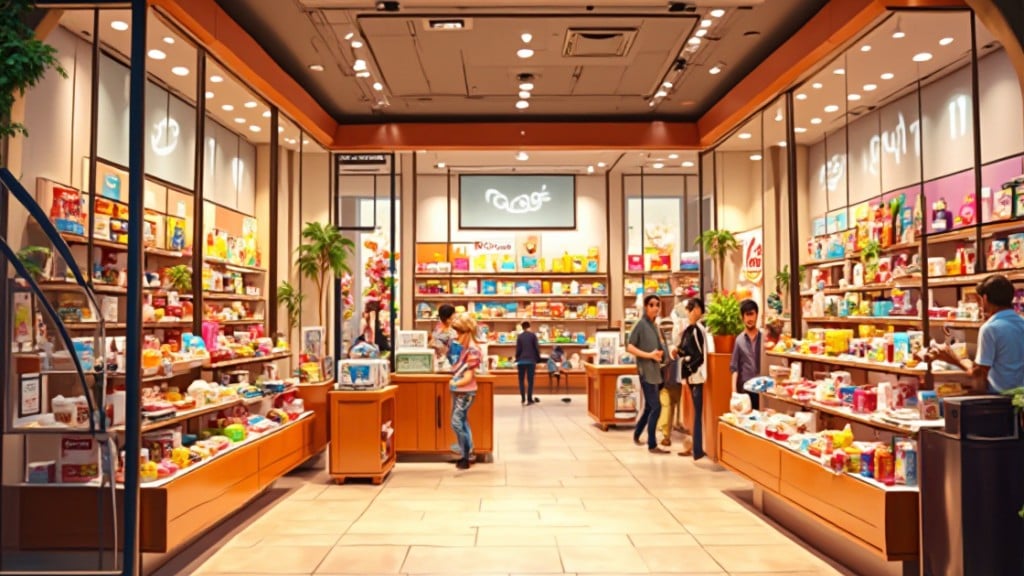
You’ll want to create an inviting store atmosphere that encourages customers to explore. Optimize your store layout to ensure easy navigation and visual appeal. Position high-margin, seasonal, or fresh items at the front to capture immediate attention. Utilize clear signage to guide customers effectively through your space.
Encourage impulse buying by placing small, affordable items near the cash wrap or in queue zones. Common examples include candies, greeting cards, and trendy jewelry. This positioning can capitalize on the natural tendency of customers to make last-minute purchases, adding to your overall sales.
Consistency in the customer journey is key. Ensure each touchpoint, from the moment a customer discovers your store to post-purchase interactions, provides a seamless experience. Uniformity helps build trust, improving customer satisfaction and promoting repeat visits.
Utilizing Technology and Tools
You can improve sales by integrating technology into your operations. Use point-of-sale systems that track sales and inventory in real-time, helping you make informed decisions. These systems can identify popular items, allowing you to stock effectively.
Consider adopting customer relationship management (CRM) tools to understand purchasing behavior better. These insights can guide personalized marketing strategies, increasing customer engagement. Implementing e-commerce solutions can also extend your reach beyond in-store sales, tapping into the growing online shopping trend.
Utilize social media platforms to promote your small business and drive traffic to your physical store. Regularly engaging with customers online can enhance brand loyalty and create a community around your offerings.
By focusing on customer experience and utilizing technology strategically, you can significantly increase sales in your retail space, ensuring growth and sustainability for your small business.
Marketing Techniques for Retail Sales

Effective marketing techniques are crucial for increasing sales in your retail business. Utilizing a combination of strategies can enhance visibility and drive customer engagement.
Social Media Marketing
Leverage social media platforms to connect with your customers. Share promotions, showcase products, and post user-generated content to foster community engagement. Create targeted ads to reach specific demographics and maximize exposure. Consistently post content that reflects your brand’s voice, as this builds familiarity and encourages customer interaction. Monitor engagement metrics to refine your strategy and improve results. Engaging with your audience on social media boosts loyalty and provides real-time feedback on their preferences.
In-Store Promotions
Implementing in-store promotions can significantly impact sales within your retail space. Use eye-catching displays and signage to highlight special offers. Organize events, such as product demonstrations or seasonal sales, to attract foot traffic. Offering limited-time promotions creates urgency, prompting customers to make quick purchases. Consider bundling products for discounted prices, encouraging cross-selling and increasing average transaction values. Frequent promotions maintain customer interest and can draw repeat visits to your store, enhancing overall sales performance.
Employee Training and Engagement
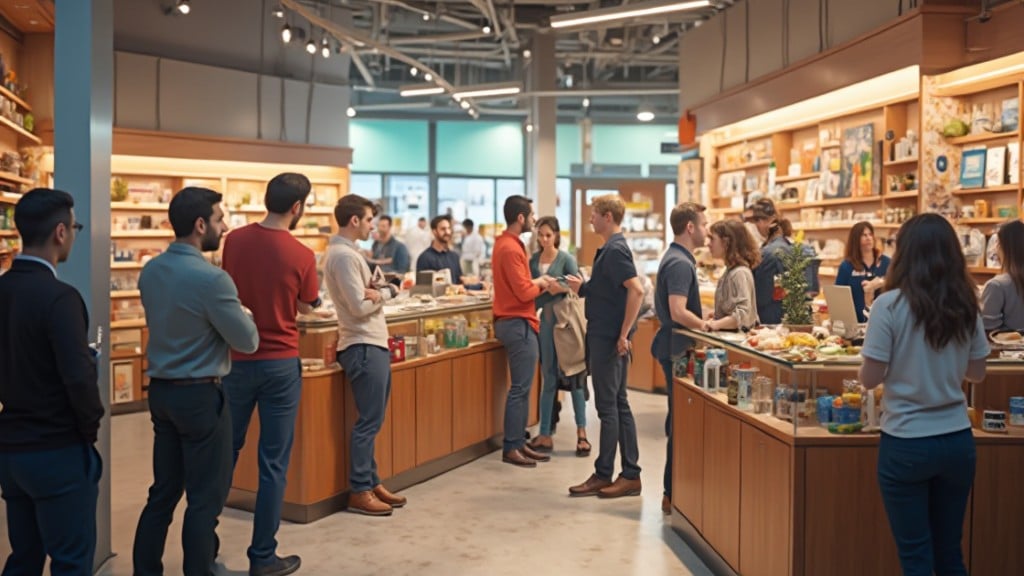
Enhancing employee training and engagement significantly boosts sales in retail for small businesses. A skilled and motivated workforce can elevate the customer experience, leading to increased loyalty and repeat purchases.
Importance of Staff Training
Staff training is vital for small businesses seeking to improve sales performance. Regular training updates employees on products, services, and crucial soft skills, such as customer interaction. Utilizing personalized approaches, like microlearning, fosters a sense of value among employees. For instance, a pet care retail chain experienced a 30% reduction in training time and a 15% increase in customer satisfaction after implementing a microlearning platform. These improvements illustrate the direct relationship between training and sales outcomes.
Motivating Your Sales Team
Motivation plays a crucial role in driving sales for small businesses. Engaged employees demonstrate higher productivity and stronger customer relationships. Implementing recognition programs can encourage your sales team to exceed expectations. Providing clear incentives linked to performance, such as bonuses or commission structures, reinforces a culture of achievement. Regular team meetings to celebrate successes and share best practices further enhance team morale and engagement, resulting in improved sales performance.
Conclusion
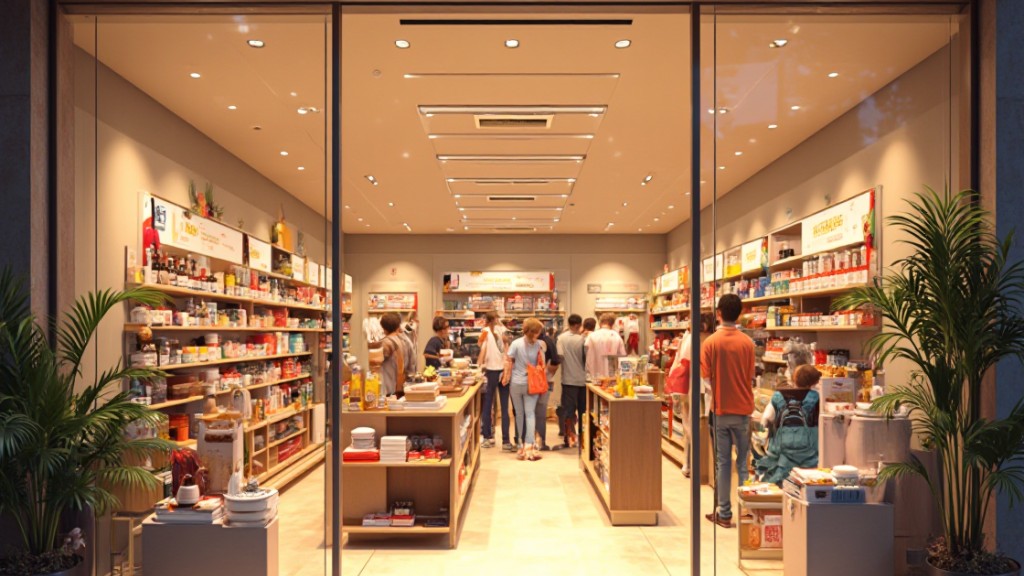
Boosting sales in retail isn’t just about the numbers; it’s about creating an experience that resonates with your customers. By adapting to their preferences and leveraging technology, you can foster loyalty and drive repeat visits.
Investing in your team through training and motivation ensures that your employees are equipped to enhance customer interactions. Remember to keep your marketing fresh and engaging through social media and in-store promotions.
Every strategy you implement should aim to create a seamless and inviting shopping environment. As you focus on these aspects, you’ll not only increase sales but also build a sustainable and thriving retail business.
Frequently Asked Questions
What is the main focus of the article?
The article emphasizes the importance of boosting sales in a competitive retail environment. It discusses how adapting to changing consumer preferences and leveraging technology are crucial for growth and sustainability in retail.
Why are retail sales important for small businesses?
Retail sales are essential for small businesses as they drive profitability, foster brand loyalty, and validate product offerings. They directly impact growth, making effective sales strategies a priority for sustainability.
How can retailers create an engaging shopping experience?
Retailers can enhance the shopping experience by creating an inviting store atmosphere, optimizing store layout, and strategically placing products to encourage impulse buying.
What role does technology play in increasing retail sales?
Technology is vital for improving retail operations. Tools like point-of-sale systems and customer relationship management software help retailers understand purchasing behavior, streamline processes, and enhance customer experience.
How can social media be utilized to boost sales?
Retailers can leverage social media to connect with customers, share promotions, and engage the community. Consistent, targeted content can build brand familiarity and encourage customer interaction.
What are some effective in-store promotional strategies?
In-store promotions such as eye-catching displays, events, and limited-time offers create urgency and attract foot traffic, effectively increasing sales and customer engagement.
Why is employee training important for sales?
Employee training enhances the customer experience, leading to increased loyalty and repeat purchases. Regular staff training ensures employees are knowledgeable about products and possess essential soft skills.
How can retailers motivate their sales team?
Retailers can motivate their sales team by implementing recognition programs, performance-linked incentives, and celebrating successes in regular team meetings, fostering a culture of achievement.
Image via Google Gemini