
Effective inventory control is essential for any business aiming to streamline operations and reduce costs. It involves tracking stock levels, managing orders, and ensuring that products are available when needed. By implementing a systematic approach, you can address common inventory challenges, like overstocking or stockouts. Comprehending various inventory control systems and best practices helps you make informed decisions. Discover how these strategies can improve your management processes and lead to enhanced profitability.
Key Takeaways

- Define inventory control as the systematic oversight of stock levels, orders, and deliveries to optimize availability and minimize costs.
- Identify and address common inventory challenges such as stock imbalances and data inaccuracies to enhance operational efficiency.
- Implement best practices like automated inventory systems and regular stock audits to maintain accurate inventory records.
- Provide thorough employee training and support to ensure effective use of inventory management systems and processes.
- Monitor and evaluate inventory performance regularly, using metrics and feedback to refine processes and improve decision-making.
What Is Inventory Control?

Inventory control is an essential component of effective business management that involves the systematic process of overseeing stock levels, orders, sales, and deliveries.
The inventory control definition highlights its role in managing and tracking inventory to guarantee optimal stock availability while minimizing costs. Through inventory management analysis, you can identify trends and patterns that help maintain the right balance between supply and demand.
This term encompasses various techniques aimed at preventing stockouts and overstock situations, which can hurt customer satisfaction and overall profitability. Effective inventory control integrates data from purchases, reorders, shipping, and customer feedback, enhancing operational efficiency.
Importance of Inventory Control
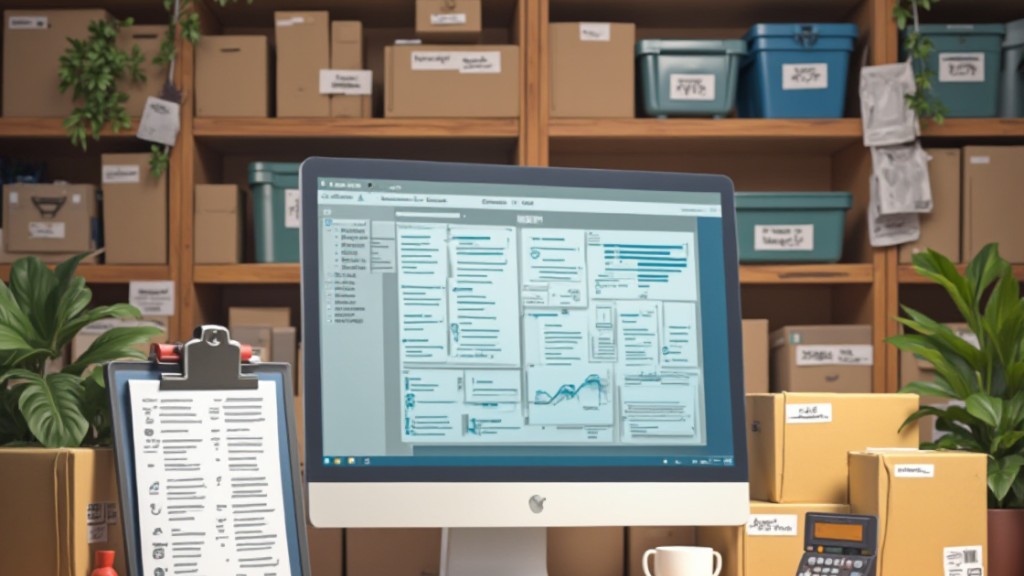
Effective inventory control is crucial for businesses aiming to thrive in a competitive market. By managing inventory effectively, you can considerably reduce costs linked to excess stock and shortages, allowing you to allocate financial resources for growth or profit maximization.
Poor inventory management can lead to customer dissatisfaction—approximately 62% of customers stop doing business with companies because of out-of-stock items. The consequences can be severe, as demonstrated by Walmart‘s $3 billion loss in sales in 2014 from inadequate inventory control.
Maintaining ideal inventory levels helps prevent stockouts, which can result in losing one in every 100 customers in convenience stores. Furthermore, implementing strict inventory control not just improves product availability but additionally meets customer demand efficiently, leading to higher sales and increased profits.
In short, effective inventory control is crucial for sustaining customer satisfaction and driving business success.
How Inventory Control Can Improve Your Business

When businesses prioritize effective inventory control, they can directly improve customer satisfaction and boost their bottom line. When you maintain ideal stock levels, you reduce the risk of running out of popular items, preventing the loss of customers who might seek alternatives.
In fact, 62% of customers stop doing business because of poor service often linked to out-of-stock situations. By implementing tight inventory control, you can align customer demand with inventory availability, leading to higher sales and profits.
Furthermore, effective inventory management helps in avoiding excess stock, freeing up funds for expansion or profit. In addition, it minimizes spoilage of perishable goods and reduces the accumulation of dead stock, both of which can harm profitability.
Common Inventory Challenges

Managing inventory comes with a set of common challenges that can greatly impact business operations. One major issue is the balance between overstock and understock; either can lead to operational disruptions and customer dissatisfaction. If you have too much inventory, you waste resources, whereas too little can mean missed sales.
Human error in counting and labeling can likewise cause inaccuracies in your data, affecting order fulfillment and financial reporting. Moreover, a lack of supply chain visibility often makes it difficult to assess stock levels, hindering informed purchasing decisions.
Seasonal demand fluctuations require careful planning to avoid stockouts during peak periods or excess inventory during off-seasons. Finally, relying on outdated methods like spreadsheets can lead to inefficiencies, as they may not provide the real-time data necessary for effective inventory control.
Recognizing these challenges is vital for improving your inventory management strategy.
4 Ways to Control Inventory

Inventory control requires a strategic approach to address the challenges previously mentioned, such as overstock and understock issues.
Here are some effective ways to control your inventory:
- Use manual tracking methods, like ledgers or stock books, for small inventories, but be aware they can be time-consuming.
- Implement stock cards to record unit prices, sale prices, and inventory counts for individual products, enhancing tracking accuracy.
- Consider automated inventory management systems for streamlined processes, allowing real-time inventory tracking and order creation.
- Tailor your inventory control system to your business size and growth stage to improve planning and avoid costly stockouts or surpluses.
- Utilize technology that offers real-time visibility into inventory performance to make informed purchasing decisions and optimize your supply chain management.
Types of Inventory Control Systems

Choosing the right type of inventory control system is crucial for effectively managing your stock and optimizing operations.
You can categorize inventory control systems into manual record keeping and automated inventory management systems. Manual methods involve hand-written records or spreadsheets, which can be labor-intensive and prone to errors. Conversely, automated systems use software and hardware to track inventory, offering real-time monitoring capabilities.
Enterprise Resource Planning (ERP) software integrates all business operations, allowing you to seamlessly manage inventory levels, orders, and storage.
Furthermore, warehouse inventory management software focuses on optimizing order fulfillment and tracking stock levels, enhancing operational efficiency.
When selecting a system, consider your business’s size and growth stage. The complexity of your inventory control system should align with your unique management needs, ensuring that it effectively supports your operations and helps you avoid stockouts or overstocking.
Benefits of Effective Inventory Control

Effective inventory control serves as the backbone of a successful business operation, influencing everything from customer satisfaction to financial health.
By effectively managing your inventory, you can enjoy several key benefits that directly impact your bottom line:
- Avoid stockouts, ensuring you don’t lose customers because of unavailable products.
- Achieve significant cost savings by reducing excess inventory and holding costs.
- Improve sales and profits through accurate tracking that meets customer demand.
- Improve customer satisfaction with real-time visibility into inventory levels, preventing frustration from out-of-stock items.
- Streamline operational efficiency by automating processes and minimizing manual errors.
When you implement effective inventory control, you not only protect your revenue but also fortify your overall business strategy.
Steps to Implement an Inventory Control System

To implement an effective inventory control system, start by analyzing your existing processes to pinpoint inefficiencies that could hinder performance.
Once you’ve identified these areas, training your employees on the new system is essential; well-informed staff will guarantee smoother changes and better usage of the system.
Analyze Existing Processes
Analyzing your existing inventory processes is crucial for establishing an effective inventory control system. Start by mapping out your current practices to pinpoint inefficiencies and areas for improvement.
Utilize data from past sales and stock levels, and focus on gathering both quantitative and qualitative insights to understand your inventory environment better.
- Collect stock turnover rates and backorder frequencies.
- Engage with employees for their feedback on pain points.
- Analyze historical sales trends to forecast future needs.
- Document challenges like overstocking or stockouts.
- Create a baseline for measuring improvements after implementing new systems.
Train Employees Effectively
Establishing a robust inventory control system relies heavily on your team’s comprehension and execution of the new processes.
Start by providing detailed training materials that clearly outline the system’s features, processes, and best practices. Conduct hands-on training sessions, allowing employees to practice using the system in real-time, which helps them become familiar with its functionalities.
Offer ongoing support, such as FAQs or help desks, to assist with any questions that arise. Monitor employee performance and provide constructive feedback to identify training gaps.
Schedule regular refresher courses and updates on new features to keep your team informed and reinforce the importance of effective inventory control in achieving your business goals.
Best Practices for Inventory Management

Effective inventory management is critical for optimizing your business operations, as it directly impacts your bottom line. By implementing best practices, you can improve efficiency and accuracy in your inventory processes.
Here are some key strategies to contemplate:
- Organize your inventory with clear labeling and categorization for better tracking.
- Conduct regular stock audits to verify your physical inventory matches recorded data.
- Set par levels for each item to maintain minimum stock amounts and prevent stockouts.
- Utilize demand forecasting based on historical sales trends for informed purchasing decisions.
- Adopt technology solutions like inventory management software to automate tracking and provide real-time visibility.
Frequently Asked Questions

What Are the 5 Steps of Inventory Management?
To effectively manage inventory, follow these five steps:
First, define reliable sourcing strategies as you determine your storage methods.
Next, choose an inventory tracking system that fits your specific needs.
Create a unique Stock Keeping Unit (SKU) system for precise tracking.
Organize your storage areas with clear labeling to streamline access.
Finally, implement forecasting techniques based on historical sales trends to accurately predict stock needs and avoid both overstocking and stockouts.
What Are the 4 Types of Inventory Management?
There are four main types of inventory management you’ll encounter.
First, raw materials inventory includes the crucial components for production.
Next, work-in-progress (WIP) inventory tracks items currently being manufactured but not finished.
Third, finished goods inventory consists of completed products that are ready for sale.
Finally, maintenance, repair, and operations (MRO) inventory contains supplies vital for upkeep, ensuring operational efficiency and minimizing potential downtime in your processes.
What Is the ABC of Inventory Control?
The ABC analysis of inventory control categorizes your stock into three groups: A, B, and C.
A items are high-value but low-frequency sales, representing 10-20% of your inventory yet accounting for 70-80% of its value.
B items have moderate value and sales, comprising 20-30% of inventory.
C items are low-value but high-frequency, making up 50-70% of inventory.
This method helps you prioritize management efforts, optimizing resources effectively.
What Are the Four Main Steps in Inventory Management?
The four main steps in inventory management are planning, sourcing, storage, and tracking.
In planning, you predict demand and set inventory levels.
Sourcing involves selecting suppliers and ordering stock effectively.
Storage focuses on organizing inventory for easy access and efficient space use.
Tracking monitors stock levels and movements, ensuring accuracy.
Conclusion

In summary, effective inventory control is critical for optimizing stock levels and reducing costs. By comprehending its definition and implementing customized systems, you can improve your business’s efficiency. Regular audits, demand forecasting, and employee training are fundamental for maintaining accurate stock levels. As you monitor performance metrics and gather feedback, you’ll promote continuous improvement. Ultimately, refining your inventory management practices can lead to increased profitability and better customer satisfaction, making it a significant aspect of your overall business strategy.
Image via Google Gemini