Comprehending the key stages of the business development funnel is crucial for any organization aiming to convert prospects into customers. This funnel outlines the process from initial awareness to the final purchase decision, highlighting how potential customers move through each phase. By recognizing these stages, you can effectively tailor your marketing strategies and resources. As we explore these stages in detail, you’ll discover how each phase influences the overall customer experience and impacts your business growth.
Key Takeaways
- The Business Development Funnel consists of six stages: Awareness, Interest, Consideration, Intent, Evaluation, and Purchase.
- The Awareness Stage focuses on attracting prospects through marketing efforts and educational content to boost brand visibility.
- In the Interest Stage, prospects engage with informative content and targeted emails, indicating their growing interest in the brand’s solutions.
- The Consideration Stage involves evaluating options, comparing features, and utilizing testimonials to build trust before making a decision.
- The Intent Stage signifies strong purchase desire, with prospects requesting quotes or demos, prompting sales prioritization of high-intent leads.
What Is a Business Development Funnel?
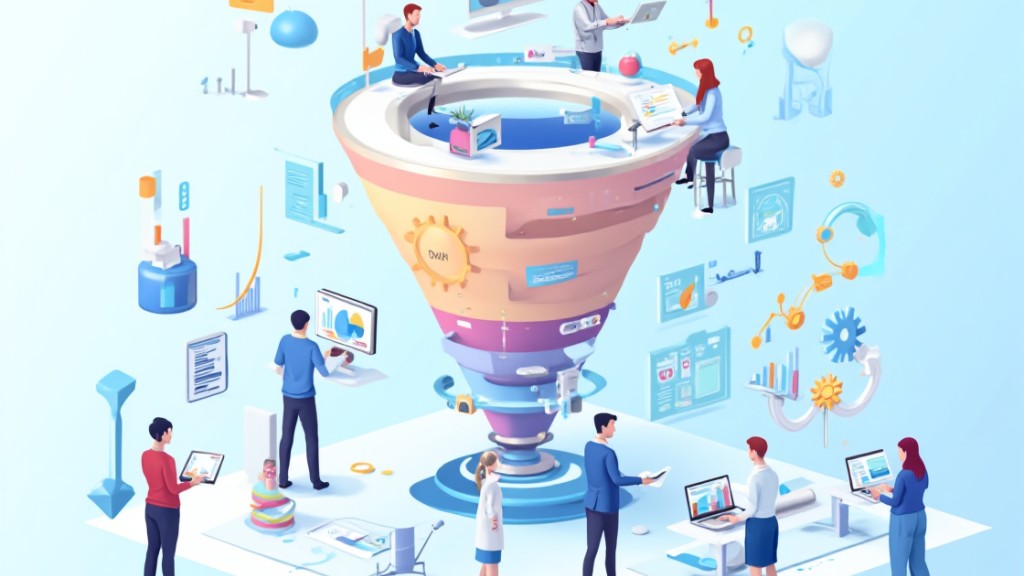
The business development funnel is a vital framework that outlines the path potential customers take from the moment they become aware of your product or service to the point of making a purchase.
This funnel consists of several b2b marketing funnel stages, including Awareness, Interest, Consideration, Intent, Evaluation, and Purchase. Each stage guides customers through their buying experience, making it important for you to understand these steps.
During the consideration stage of the marketing funnel, potential customers evaluate different options and weigh their benefits.
By effectively managing the business development funnel stages, you can deliver customized content and improve lead nurturing. This alignment of marketing and sales teams guarantees a cohesive approach to customer interactions.
Continuous monitoring and optimization of the funnel can greatly improve customer satisfaction and lead to better financial outcomes for your business. Knowing this framework helps you craft more effective marketing strategies.
Importance of the Business Development Funnel
Comprehending the importance of the business development funnel can considerably impact your marketing and sales efforts. A well-structured b2b funnel helps optimize lead nurturing strategies, ensuring your potential customers receive customized messaging that improves their experiences.
By focusing on awareness, consideration, and conversion, you can identify specific areas for improvement within your marketing strategies, eventually boosting customer satisfaction and financial outcomes.
Understanding the b2b sales process steps allows you to navigate the customer experience effectively. Analyzing data within the business development funnel reveals opportunities for improvement, leading to increased conversion rates and overall business growth.
This structured approach facilitates targeted outreach and engagement strategies that resonate with potential customers at each stage. By excelling in the importance of the business development funnel, you maximize revenue potential and create smoother shifts for prospects, paving the way for sustainable success in your business endeavors.
Stages of the Business Development Funnel

Comprehending the stages of the business development funnel is vital for guiding potential customers from their initial awareness of your brand to the final purchase decision. The funnel typically includes six stages: Awareness, Interest, Consideration, Intent, Evaluation, and Purchase.
In the Awareness stage, marketing efforts attract prospects through channels like social media and content marketing, boosting visibility. During Interest, prospects engage with informative content such as blogs and webinars, allowing you to gauge their readiness through lead scoring.
In the Consideration stage, prospects compare options, evaluating features, benefits, and pricing, often seeking personalized information from sales reps. This thoughtful evaluation prepares them for the intent to buy.
Finally, in the Purchase stage, prospects make their decision and convert into customers. Monitoring metrics like conversion rates and customer feedback remains vital for optimizing the entire funnel’s effectiveness, ensuring you’re able to refine your strategies continuously.
Awareness Stage
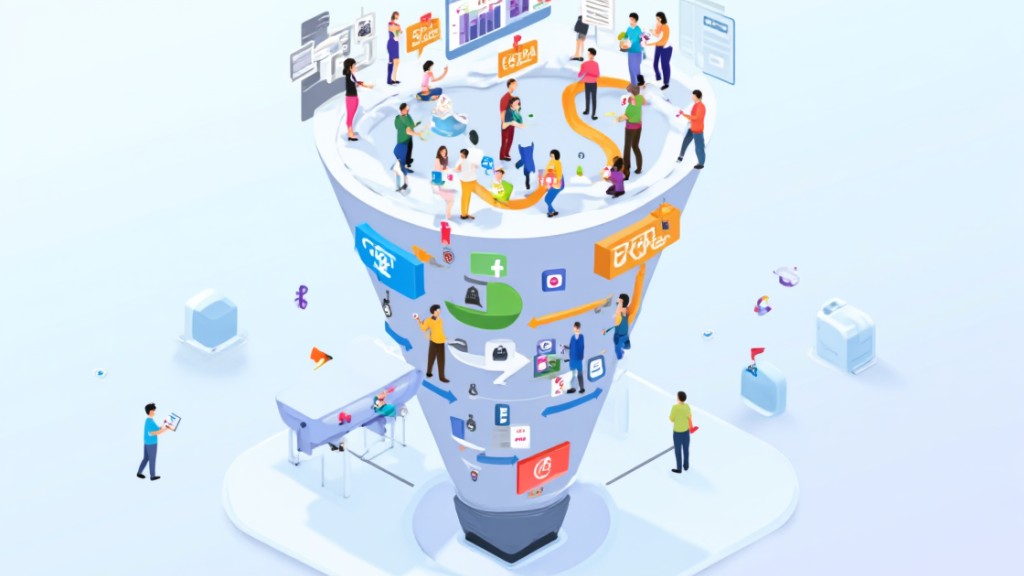
When potential customers first recognize a problem or need, they enter the awareness stage of the business development funnel, where your company’s marketing efforts play a vital role in attracting their attention.
This stage is significant for guiding prospects along the path to purchase funnel, as they begin seeking solutions.
To effectively engage them, focus on:
- Educational content: Blog posts and videos that clarify their issues and present your solutions.
- Social media presence: Use platforms to amplify your brand visibility and reach potential customers where they’re active.
- Targeted advertising: Reach specific audiences with ads that resonate with their recognized needs.
Interest Stage
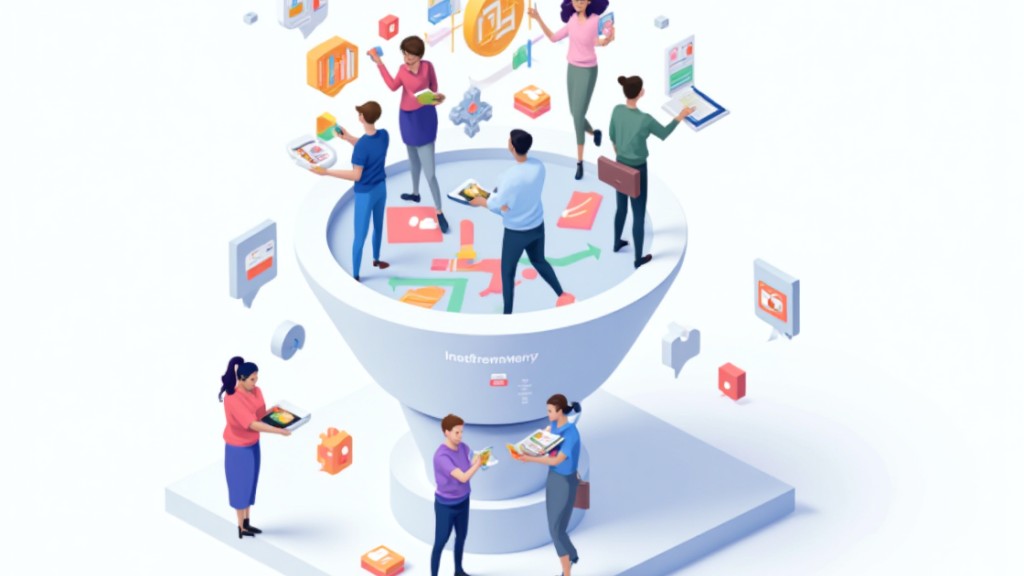
As prospects recognize their needs, they progress into the Interest Stage, where curiosity drives them to explore the solutions your brand offers.
During this stage, prospects actively seek more information, indicating a growing interest in how your products or services can meet their specific requirements. Utilizing content like blogs, webinars, and whitepapers becomes fundamental for nurturing these leads, as it provides valuable insights that keep them engaged.
Targeted email campaigns play a significant role in maintaining this engagement, allowing for personalized communication that resonates with the interests of different segments.
Moreover, implementing lead scoring systems helps evaluate levels of interest and readiness, enabling your sales team to prioritize follow-ups with high-potential leads.
Gathering contact information is crucial at this stage, as it promotes ongoing relationship building and facilitates movement to the next stage of the funnel.
Consideration Stage
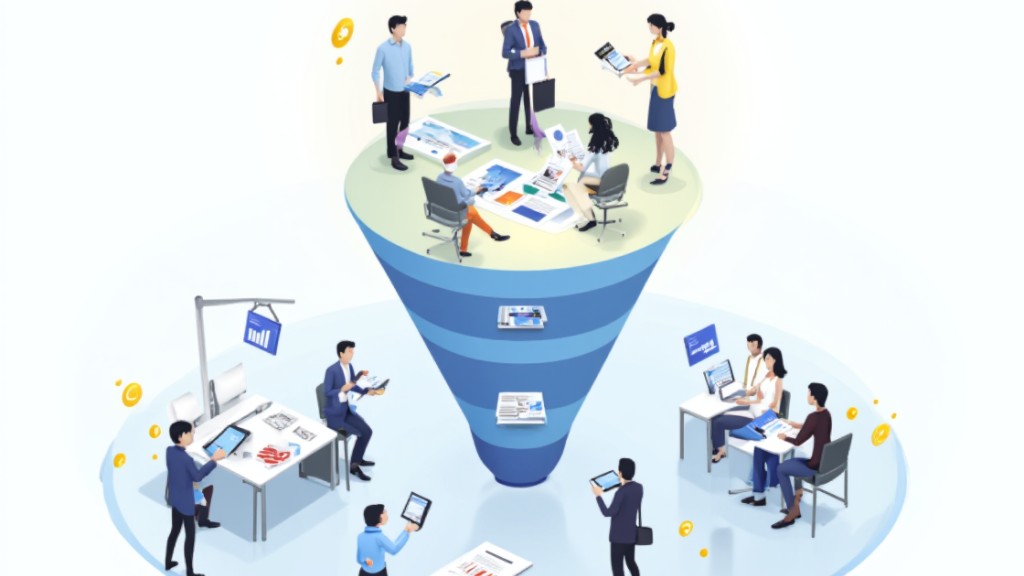
In the Consideration Stage, prospects plunge deep into evaluating their options, carefully comparing features, benefits, and pricing of various solutions to find the best fit for their needs.
During this phase, they often engage with sales representatives to seek personalized information and clarifications, making this stage essential for addressing specific concerns.
To assist in their decision-making, they rely on various content types, such as:
- Case studies that showcase real-world applications and results.
- Testimonials from satisfied customers that build trust and credibility.
- Product demos that provide hands-on experience with the solutions.
Additionally, prospects conduct competitor analysis to identify unique selling propositions that differentiate your offering.
Utilizing marketing automation tools can streamline communication and follow-ups, ensuring timely delivery of information that aids their evaluation process.
This thorough examination eventually drives their decision toward a solution that aligns best with their needs.
Intent Stage
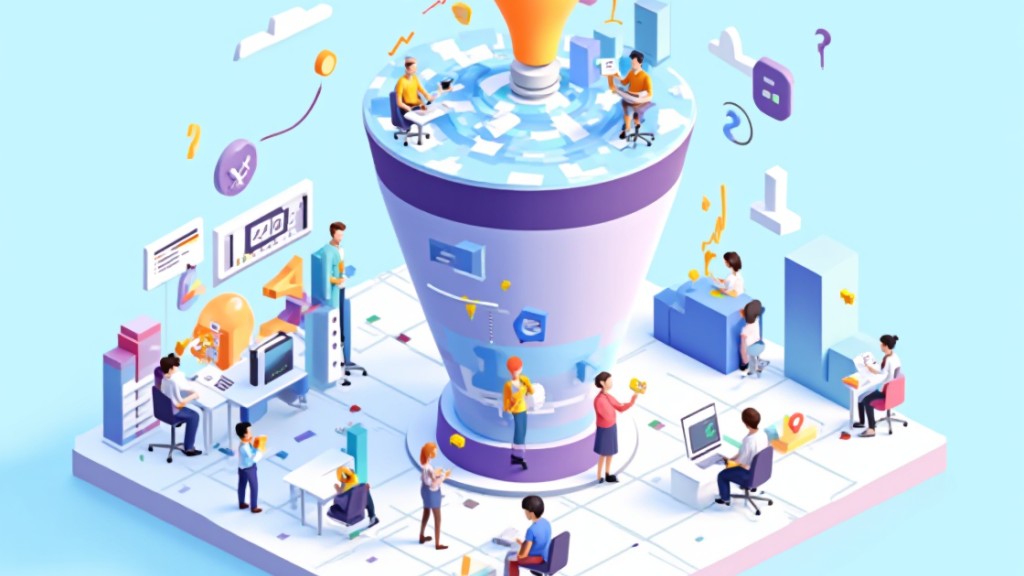
The Intent Stage marks a pivotal moment in the business development funnel, where prospects exhibit a strong desire to make a purchase.
During this stage, you’ll notice potential customers taking specific actions, like requesting quotes or scheduling product demonstrations. It’s vital for your sales team to prioritize these high-intent leads, as they’re more likely to convert if followed up with quickly.
Addressing any objections or concerns they may have is important, as this can facilitate decision-making and increase the chances of closing the sale.
Additionally, offering targeted promotions, discounts, or personalized communication can greatly improve conversion rates.
Research shows that customized follow-ups during this stage can boost conversion rates by up to 30%.
Evaluation Stage
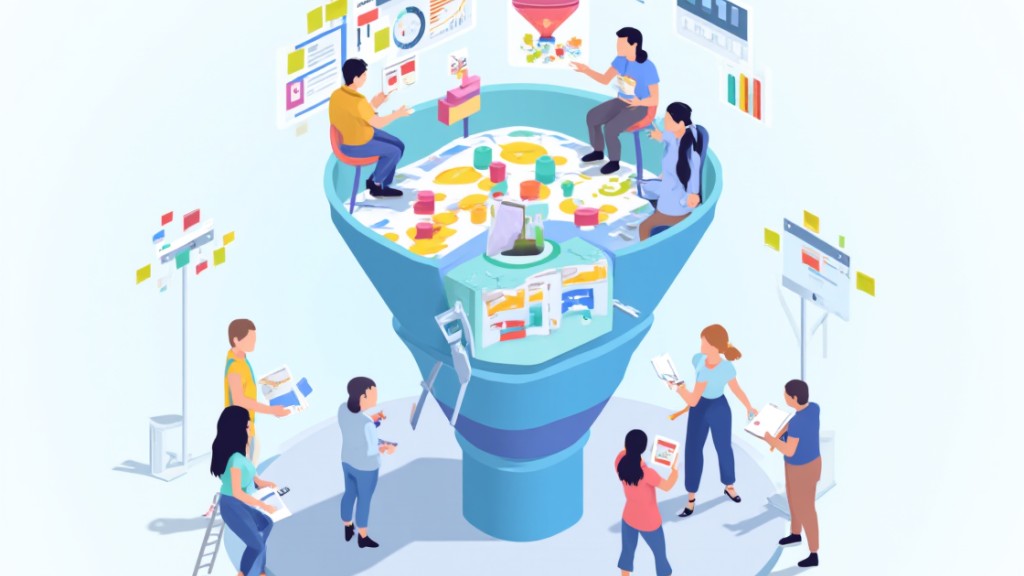
In the Evaluation Stage, you’re actively comparing various solutions to find the one that fits your needs best.
This process involves analyzing competitive options and building internal consensus among decision-makers, which can be critical for a smooth purchasing process.
Analyzing Competitive Options
As you navigate the Evaluation Stage of the business development funnel, it’s essential to thoroughly compare the options available to you. This involves analyzing features, pricing, and benefits to find the best fit for your needs.
To make informed decisions, consider these key aspects:
- Unique selling propositions that set competitors apart.
- Engaging content like case studies and product demos that build trust.
- Personalized support from sales representatives addressing your concerns.
Detailed competitor analysis can influence your decision-making process, as studies show customized content makes you 80% more likely to choose a vendor.
Building Internal Consensus
Building internal consensus during the evaluation stage is essential for successful decision-making, especially since many B2B purchases involve multiple stakeholders.
Aligning these decision-makers can streamline approval processes, as 70% of buyers are influenced by their peers. Effective communication of customized value propositions improves buy-in, with 60% of buyers favoring solutions that meet their specific needs.
Incorporating case studies and testimonials can sway opinions, as 78% of buyers prefer vendors with positive peer experiences. Addressing objections through collaborative discussions can likewise mitigate delays, since 57% of buyers report that internal disagreements hinder decisions.
Finally, establishing a clear implementation roadmap boosts confidence, with 84% of organizations noting that well-defined plans support consensus-building efforts.
Purchase Stage

The Purchase Stage is essential as it’s when you make your final decision and take action to become a customer.
To overcome any barriers, it’s important to clearly communicate pricing, terms, and onboarding processes, addressing any last-minute concerns you might have.
Final Decision-Making Process
How do you guarantee that your prospects make the best choice during the final decision-making process? It’s essential to provide them with the right information and support.
As they weigh their options, consider these key strategies:
- Provide easy access to thorough product details, as 70% of buyers value this.
- Highlight positive testimonials and online reviews, since 88% of consumers trust them like personal recommendations.
- Implement clear calls to action, such as limited-time discounts, to create urgency and boost conversions by up to 20%.
Additionally, prioritize timely follow-ups with high-intent leads, as 60% of prospects appreciate prompt responses.
Overcoming Purchase Barriers
When addressing purchase barriers, it is crucial to understand the common challenges that potential customers face, as these obstacles can greatly hinder their decision to buy. Key strategies include providing transparent pricing information, which can reduce concerns about costs. Offering trial periods or money-back guarantees helps mitigate perceived risk, encouraging prospects to commit. Moreover, sales teams should proactively address objections and tailor solutions to meet individual needs. Highlighting testimonials and case studies builds trust and credibility, facilitating smoother purchasing decisions.
| Purchase Barrier | Solution | Expected Outcome |
|---|---|---|
| Budget Constraints | Clear pricing information | Increased purchase likelihood |
| Perceived Risk | Trial periods or guarantees | Encouraged final purchase step |
| Lack of Trust | Testimonials and case studies | Improved credibility and trust |
Payment and Contract Execution
After addressing purchase barriers, you’re now at the Payment and Contract Execution stage, where prospects finalize their decisions. This phase is vital, as it shifts them from potential customers to actual customers.
Clear communication about pricing, terms, and conditions is fundamental to minimize any last-minute objections. Remember, about 60% of prospects might still have reservations, so address their concerns proactively.
To guarantee a smooth process, consider these elements:
- Collaborate with sales, legal, and finance departments to align with company policies.
- Maintain transparency regarding payment methods and contract details.
- Implement a structured onboarding process to improve customer satisfaction.
Measuring Success in the Business Development Funnel
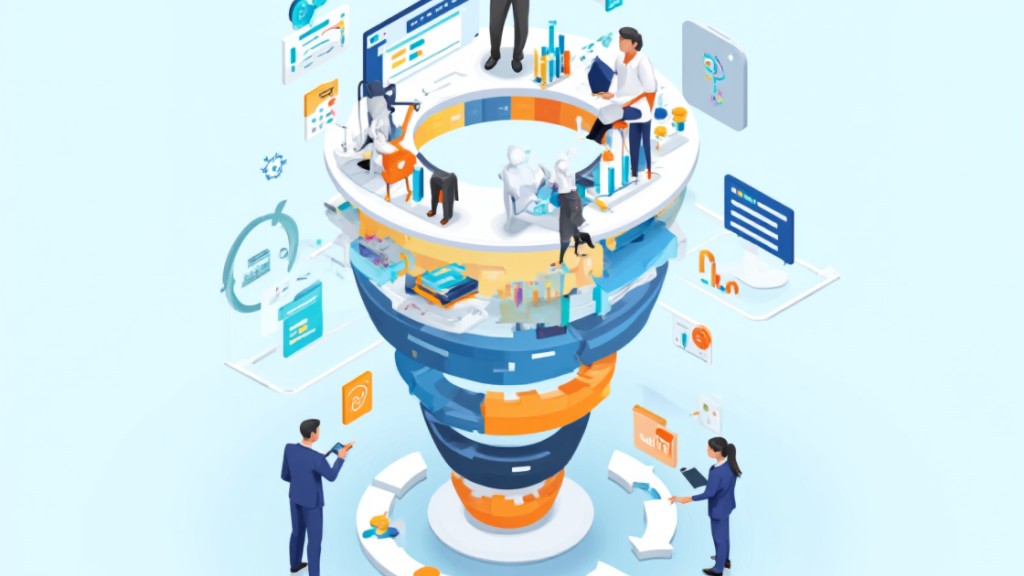
Measuring success in the business development funnel is essential for comprehending how effectively potential customers progress from initial awareness to making a purchase. To achieve this, you should track conversion rates at each stage, as they reveal how well prospects are moving through the funnel.
Key performance indicators (KPIs) like lead quality, engagement metrics, and customer satisfaction scores provide valuable insights into your funnel’s effectiveness and the overall customer experience. Regularly analyzing funnel performance helps identify bottlenecks and areas for improvement, allowing you to make data-driven adjustments that improve conversion rates.
Furthermore, conducting financial analysis to assess return on investment (ROI) informs your budget allocation for marketing and sales efforts, ensuring resources are directed toward the most effective strategies.
Finally, utilizing lead scoring systems enables you to prioritize high-quality leads, increasing the likelihood of successful conversions and enhancing overall funnel efficiency.
Frequently Asked Questions
What Are the 7 Stages of the Sales Funnel?
The seven stages of the sales funnel are Awareness, Interest, Consideration, Intent, Evaluation, Purchase, and Retention.
In the Awareness stage, prospects discover your brand.
Throughout Interest, they seek more information.
In Consideration, they compare options.
Intent shows readiness to buy, whereas Evaluation involves deeper analysis of your offering.
The Purchase stage is when they finalize the transaction.
Finally, Retention focuses on keeping customers satisfied to encourage loyalty and repeat business.
What Is a Business Development Funnel?
A business development funnel is a structured process that guides potential customers from initial awareness to the final purchase.
It helps you understand customer behavior, allowing you to tailor your strategies effectively. By moving through stages like interest, consideration, and evaluation, customers become more informed and engaged.
Monitoring this funnel helps you identify improvement areas, optimize your marketing efforts, and boost customer satisfaction, ultimately driving better financial outcomes for your business.
What Are the 5 Stages of a Sales Funnel?
The five stages of a sales funnel are Awareness, Interest, Evaluation, Action, and Retention.
In the Awareness stage, you attract potential customers’ attention.
Next, during Interest, you engage them with relevant content.
In the Evaluation stage, prospects compare your options with competitors.
The Action stage is where they make a purchase decision, and finally, Retention focuses on keeping them satisfied for repeat business.
Each stage requires customized strategies for effective engagement.
What Are the 4 Stages of the Marketing Funnel?
The marketing funnel consists of four key stages: Awareness, Interest, Consideration, and Action.
In the Awareness stage, you attract potential customers through various channels like social media and ads.
Once they’re aware, they move to Interest, where they engage with your content.
During Consideration, prospects evaluate options and compare features.
Finally, in the Action stage, they make a purchase, influenced by testimonials and clear calls to action, leading to conversions.
Conclusion
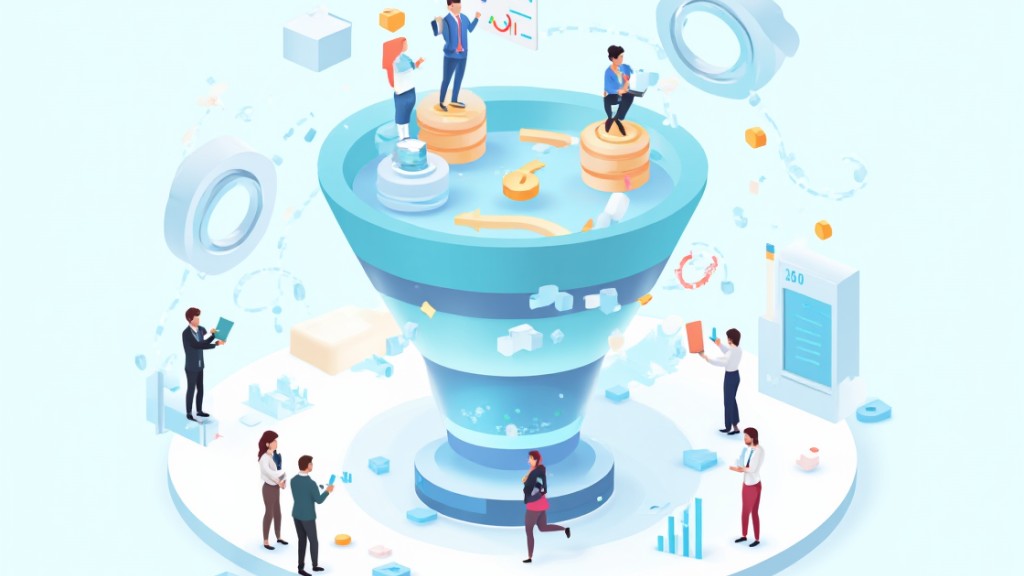
Comprehending the key stages of the business development funnel is crucial for effectively guiding potential customers from awareness to purchase. By recognizing each phase—Awareness, Interest, Intent, Evaluation, and Purchase—you can tailor your marketing strategies to meet customer needs at every step. Measuring success throughout this funnel not solely helps in optimizing your approach but additionally improves your overall sales performance. By focusing on this structured process, you can enhance conversion rates and nurture lasting customer relationships.
Image via Google Gemini