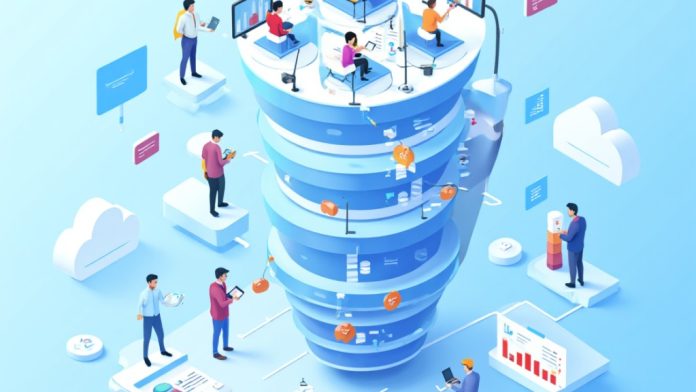
An enterprise sales funnel is a strategic framework that guides sales teams through the elaborate process of securing high-value deals with large organizations. It consists of distinct stages, including Awareness, Qualification, Demo & Trial, Proposal & Discussion, and Contract & Close. Comprehending this funnel is vital, as it helps you navigate the intricacies of enterprise sales, align your offerings with customer needs, and in the end drive significant revenue growth. But what specific strategies can improve your success within this framework?
Key Takeaways
- An enterprise sales funnel outlines the stages of engaging with large organizations, from awareness to contract closure.
- It involves multiple stakeholders, making understanding decision-making dynamics crucial for successful sales strategies.
- Customization at each funnel stage helps align offerings with enterprise needs, enhancing proposal effectiveness and ROI demonstration.
- Nurturing relationships throughout the funnel is vital for long-term partnerships and maximizing revenue opportunities.
- Monitoring and managing at-risk customers within the funnel can prevent churn and ensure sustained customer satisfaction.
Understanding Enterprise Sales
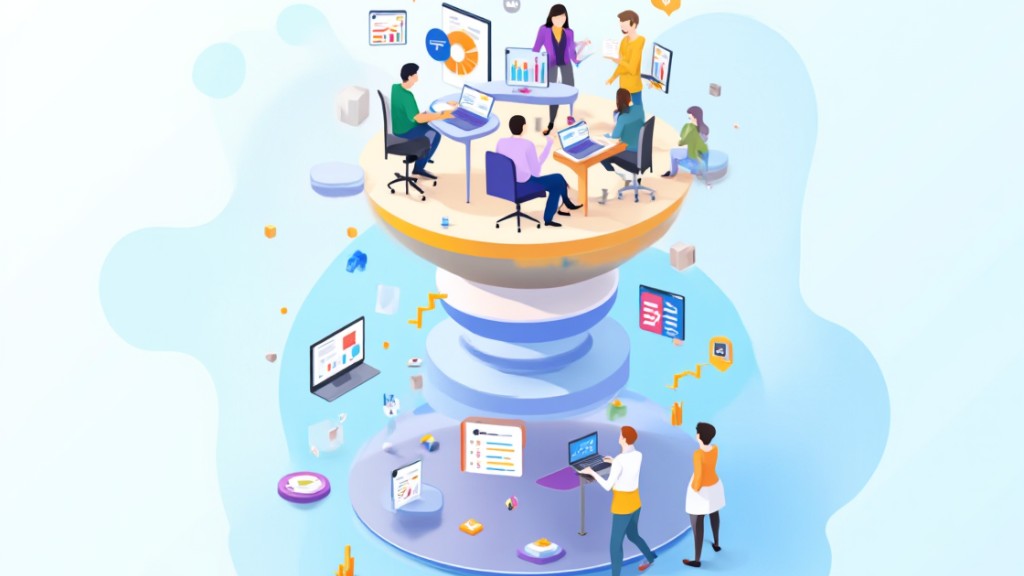
When you explore enterprise sales, it’s critical to recognize that these transactions often involve high-value products or services customized for large organizations. The enterprise sales process is characterized by complex decision-making, where multiple stakeholders, including executives and department heads, play significant roles.
This complexity can complicate your sales strategy but also opens doors for substantial revenue opportunities. Understanding the specific needs of large companies, such as ROI and compliance considerations, is fundamental for maneuvering this environment effectively.
The average enterprise sales cycle can extend from several months to over a year, making it essential to maintain relationships and engagement throughout. A well-defined enterprise sales funnel is key to addressing the unique challenges of these customers.
For those involved in the B2B SaaS sales funnel, aligning your approach with the intricate dynamics of enterprise sales will improve your chances of success.
Key Components of an Enterprise Sales Funnel
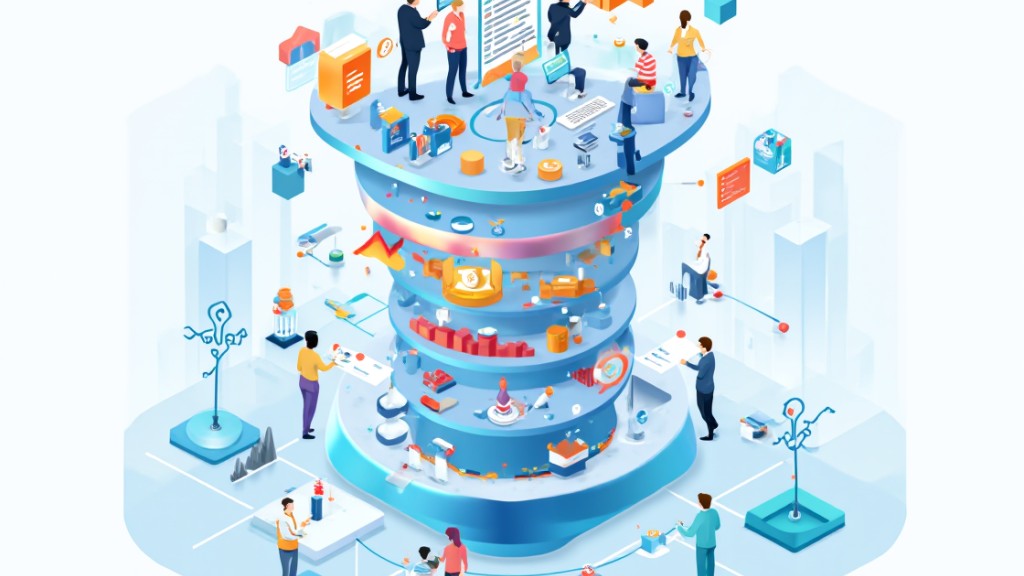
An effective enterprise sales funnel is crucial for traversing the intricate terrain of B2B transactions, as it systematically guides potential clients through various stages of engagement. Key components of this funnel include Awareness, Qualification, Demo & Trial, Proposal & Discussion, and Contract & Close. Each stage is designed to build long-term relationships by addressing the unique needs of multiple stakeholders involved in enterprise-level purchases.
In a B2B marketing sales funnel, customized demos and proposals are critical, highlighting the return on investment (ROI) and specific solutions for the client. This focus is especially important in the SaaS sales funnel.
Identifying at-risk customers allows for proactive engagement, helping mitigate churn and ensuring ongoing revenue from existing accounts. A well-structured B2B SaaS funnel improves sales team effectiveness by prioritizing promising leads and optimizing resources across various stages, eventually driving higher success rates in closing valuable contracts.
Stages of the Enterprise Sales Funnel
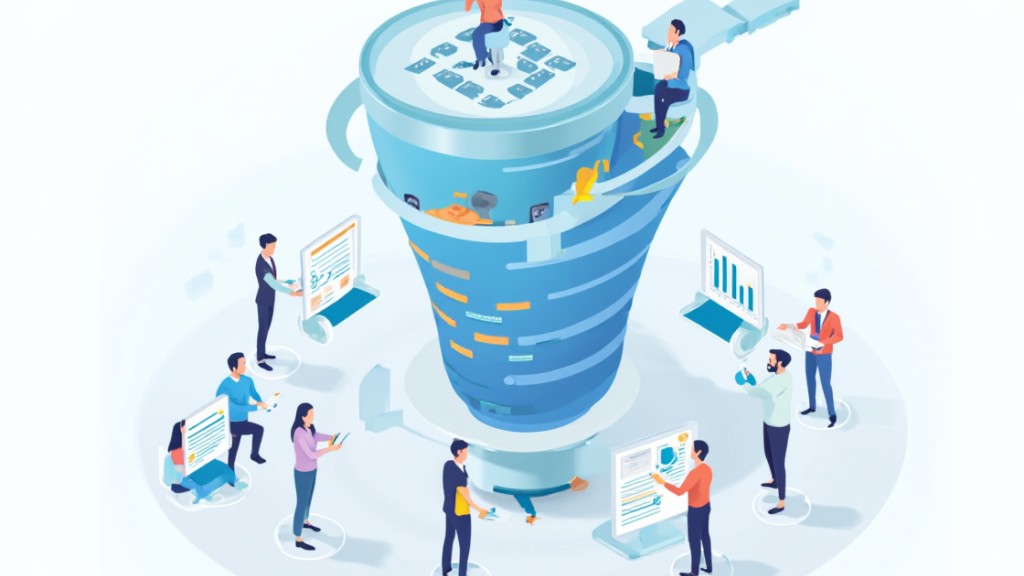
As you navigate the stages of the Enterprise Sales Funnel, grasping Awareness and Engagement Strategies is vital for attracting potential customers to your solution.
Once you’ve piqued their interest, you’ll move into Closing and Contract Finalization, where you’ll negotiate terms and confirm all stakeholders are on board.
Each stage is designed to align your offerings with the specific needs of large organizations, making it fundamental to approach them with a customized strategy.
Awareness and Engagement Strategies
To effectively navigate the awareness stage of the enterprise sales funnel, companies must implement targeted marketing strategies that capture the interest of potential customers.
Utilizing industry reports and case studies positions your brand as a trusted advisor, making it fundamental in the marketing funnel B2B. Engaging prospects through omnichannel strategies, like social media outreach and personalized email campaigns, improves lead nurturing.
At this stage, content customized to address specific pain points for decision-makers promotes relevance and deeper engagement. Moreover, leveraging data-driven insights can track engagement levels, revealing which strategies resonate best.
Building strong brand recognition during the awareness phase increases your chances of being considered by enterprise clients in their decision-making process, vital for a successful SaaS funnel.
Closing and Contract Finalization
Successfully moving from awareness and engagement strategies to closing and contract finalization requires a focused approach to managing the intricacies of the sales process.
This stage involves multiple stakeholders, making clear communication vital for reaching consensus. You’ll need to pay careful attention to contract terms, ensuring they align with both parties’ expectations.
Be prepared to address any last-minute objections, as effectively managing these can lead to a closure rate of 70% to 80%. Utilizing tools like ContractLogix software can streamline paperwork, enhancing closure likelihood.
Furthermore, establishing a well-defined follow-up process post-negotiation is critical; timely engagement can improve closing rates by over 20%, underscoring the importance of consistent communication during this pivotal phase.
Importance of Aligning With Enterprise Customer Profiles
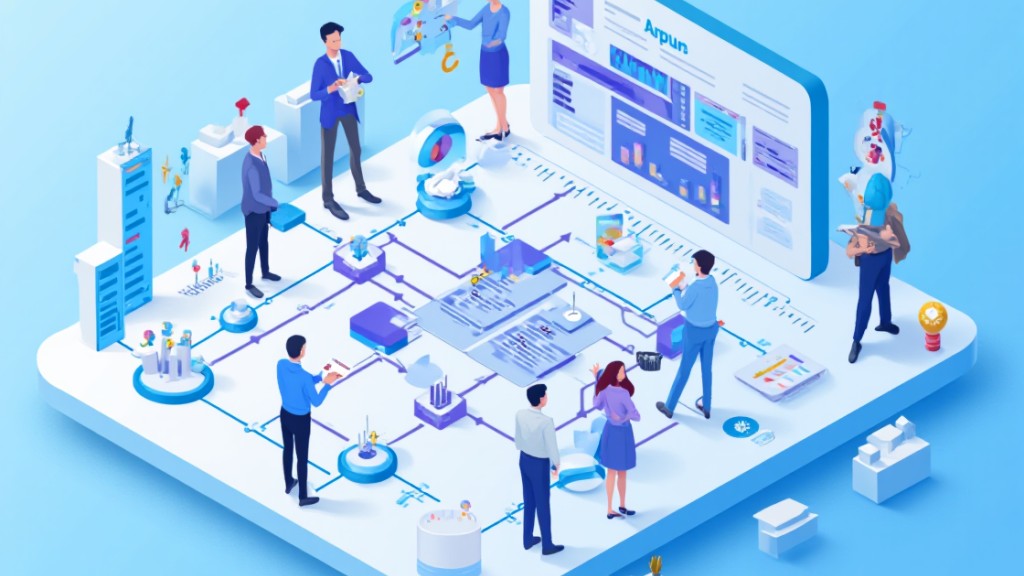
Aligning with enterprise customer profiles is crucial for sales teams aiming to effectively engage large organizations. By comprehending these profiles, you can tailor your sales approach to resonate with the specific needs and challenges faced by these enterprises. This knowledge helps you identify key decision-makers and stakeholders, nurturing more effective engagement in the complex decision-making processes typical in enterprise sales.
When your sales efforts align with customer profiles, you improve the quality of your leads, leading to higher conversion rates and enhanced ROI. Addressing unique security, compliance, and procurement concerns becomes easier, as these factors are significant in enterprise purchasing decisions.
Additionally, focusing on enterprise customer profiles allows you to develop targeted content and strategies that speak to the intricacies of their operations. This results in stronger relationships and long-term partnerships, which are crucial for sustained success in enterprise sales.
Navigating Complexity and Scale in Enterprise Sales

Steering through the intricacies of enterprise sales requires effective stakeholder engagement strategies that account for the diverse interests within large organizations.
You’ll need to develop customized solutions that not just meet these varied needs but also demonstrate clear ROI to gain buy-in from decision-makers.
Stakeholder Engagement Strategies
Engaging multiple stakeholders in enterprise sales is vital for success, as the decision-making process often involves a range of roles, including IT, finance, and management.
With 70% of complex B2B deals involving over five decision-makers, it’s important to address varied concerns and align solutions with their priorities.
Building consensus requires strategic engagement methods, such as personalized presentations and targeted content that address specific pain points. This approach encourages collaboration and support for your proposed solution.
Effective stakeholder engagement can likewise reduce the sales cycle duration by up to 30%, facilitating quicker decision-making.
Utilizing tools like stakeholder mapping helps identify key influencers, ensuring that all relevant voices are considered throughout the sales process for maximum impact and alignment.
Tailored Solutions Development
Customized solutions development is vital for meeting the specific needs of large organizations, which often face unique challenges and intricacies. By customizing products or services, you can address diverse requirements and operational scales. Comprehending a client’s business environment, including strategic goals and compliance requirements, is critical. This process involves multiple stakeholders, requiring collaborative engagement to align solutions with internal perspectives.
Here’s a brief overview of the customized solutions development process:
| Stage | Key Actions | Outcomes |
|---|---|---|
| Discovery | Analyze client’s needs | Clear comprehension of goals |
| Design | Develop customized offerings | Relevant solutions proposed |
| Collaboration | Engage stakeholders for feedback | Consensus on solutions |
| Implementation | Execute customized solutions | Effective integration |
| Evaluation | Measure ROI and satisfaction | Long-term client relationships |
Enhancing Efficiency and Effectiveness in Sales Processes
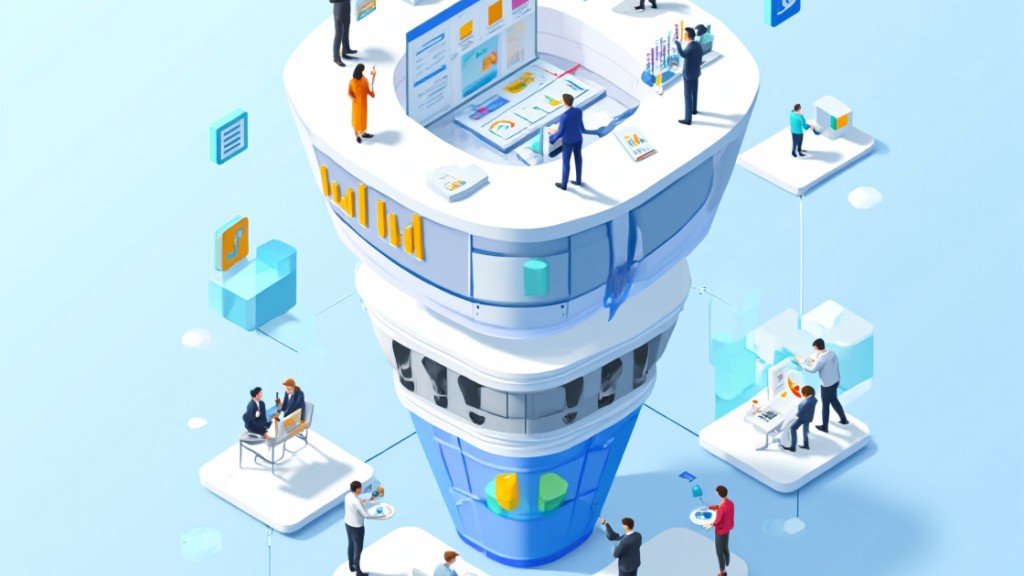
To improve efficiency and effectiveness in sales processes, businesses must focus on optimizing their enterprise sales funnel. An optimized funnel streamlines the complex decision-making process typical in large organizations, reducing the time and resources spent on nurturing leads.
By prioritizing promising leads, your sales team can boost effectiveness, which ultimately results in higher conversion rates and increased revenue.
Utilizing automation and AI helps you quickly identify high-intent prospects and potential deal risks, improving your overall sales pipeline velocity.
Furthermore, regularly evaluating customer satisfaction within the sales funnel mitigates churn and encourages long-term relationships, maximizing customer lifetime value.
Implementing a well-defined sales funnel guarantees that your strategies align with enterprise customer profiles, allowing you to tailor messaging and engagement to meet their complex needs.
This systematic approach not only improves efficiency but also drives better outcomes for your sales team.
Training and Equipping Sales Teams for Success
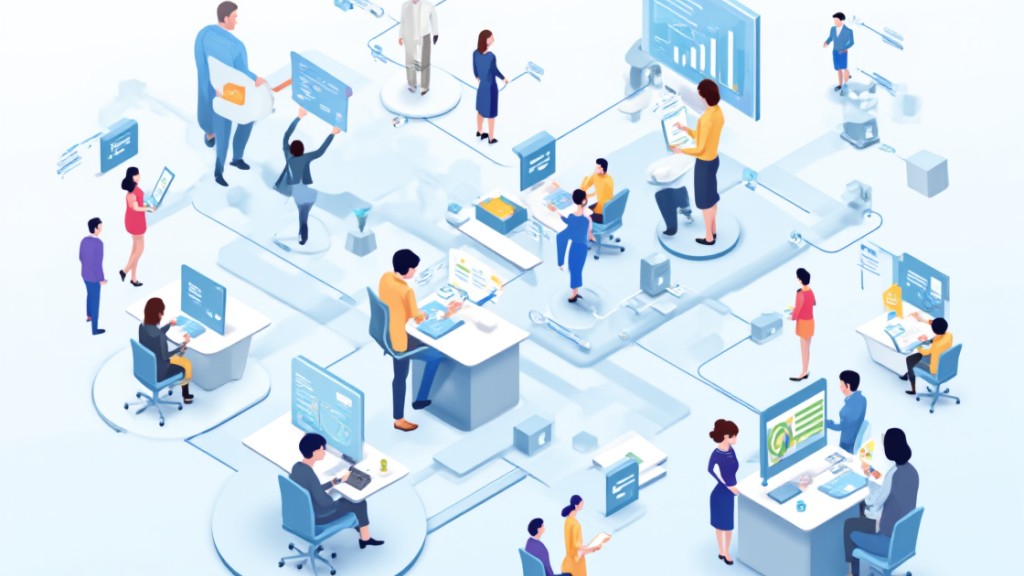
Even though it’s essential to have a well-defined enterprise sales funnel, success hinges on the training and equipping of your sales teams. Grasping the intricacies of enterprise sales is imperative, as large organizations have unique decision-making processes.
A structured funnel serves as a training roadmap, guiding your team through customer engagement stages. To improve your sales effectiveness, focus on:
- In-depth product knowledge to address client concerns.
- Effective customer engagement skills customized to enterprise needs.
- Regular training sessions, including role-playing and real-world scenarios.
- Ongoing development initiatives to adapt to changing market demands.
These strategies not merely improve conversion rates but additionally lead to higher customer satisfaction. Companies with thorough training programs often see a 24% increase in profit margins, highlighting the importance of investing in your sales team’s success.
Equip them well, and they’ll navigate the enterprise sales environment with confidence.
Strategies for Managing At-Risk Customers and Securing Revenue
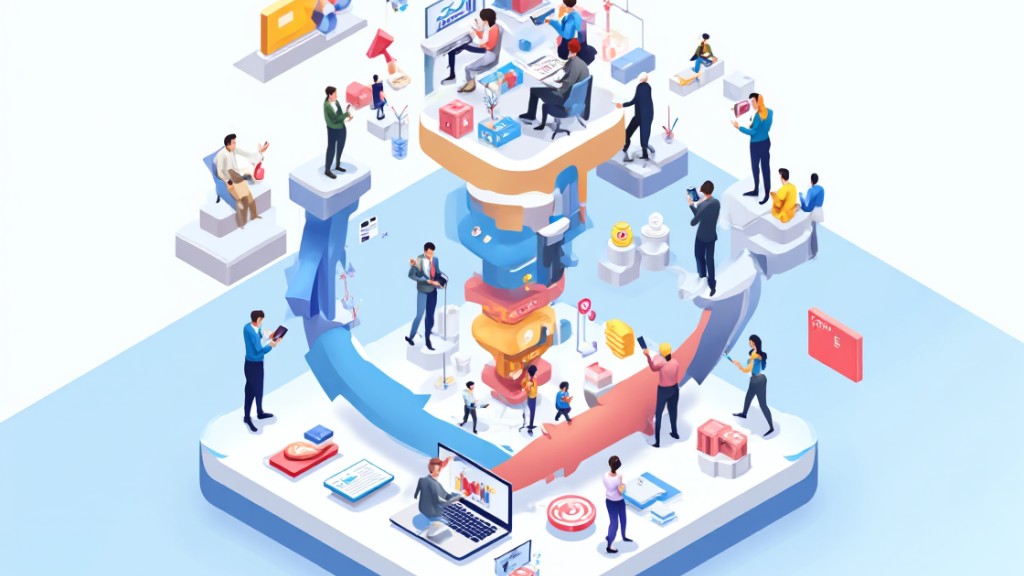
Managing at-risk customers is crucial for maintaining revenue and nurturing long-term relationships, especially in enterprise sales. Start by identifying at-risk customers through key behavioral indicators like decreased engagement, delayed payments, or reduced purchase frequency. This allows you to address potential churn before it escalates.
Proactive engagement strategies, such as personalized follow-ups and customized offers, can greatly improve customer satisfaction, making satisfied customers four times more likely to refer others.
Implementing customer success programs that focus on effective onboarding and ongoing support will enhance user experience, increasing the likelihood of renewals and upsells. Regularly assess customer satisfaction through surveys and feedback loops to identify issues early, adapting your strategies to meet evolving needs.
Utilize data-driven insights from sales prospecting tools to analyze usage patterns and feedback, enabling your sales team to prioritize outreach effectively and secure revenue from at-risk accounts.
Frequently Asked Questions
What Is the 10 3 1 Rule in Sales?
The 10 3 1 rule in sales provides a practical framework for your outreach strategy.
For every 10 prospects you contact, aim to secure 3 meetings, eventually targeting 1 closed deal.
This rule helps you understand your conversion rates and encourages consistent follow-up.
What Are the 5 Stages of a Sales Funnel?
The five stages of a sales funnel are Awareness, Interest, Decision, Intent, and Evaluation.
In the Awareness stage, you attract prospects through marketing.
During Interest, they engage with your content to understand your product’s benefits.
The Decision stage involves comparing options and addressing concerns with your sales team.
Intent shows clear buying signals, and Evaluation finalizes the decision, often leading to demo requests or contract negotiations, moving you closer to a sale.
What Are the 7 Stages of the Sales Funnel?
The sales funnel consists of seven stages: Awareness, Interest, Evaluation, Decision, Intent, Purchase, and Loyalty.
You start with Awareness, where potential customers learn about your product.
Next, they move to Interest, seeking more information.
During Evaluation, prospects compare your offering with others.
The Decision stage involves finalizing their choice, leading to Intent and eventually Purchase.
Finally, Loyalty focuses on maintaining customer satisfaction and encouraging repeat business, which is essential for long-term success.
What Is the Primary Purpose of a Sales Funnel in an Entrepreneurial Sales Strategy?
The primary purpose of a sales funnel in your entrepreneurial strategy is to guide potential customers through their purchasing path.
It helps you identify high-quality leads and focus your resources on those most likely to convert. By mapping distinct stages, you can tailor your marketing efforts to address specific needs.
This structured approach not only highlights bottlenecks but additionally improves conversion rates and customer retention, finally driving revenue and supporting long-term business growth.
Conclusion
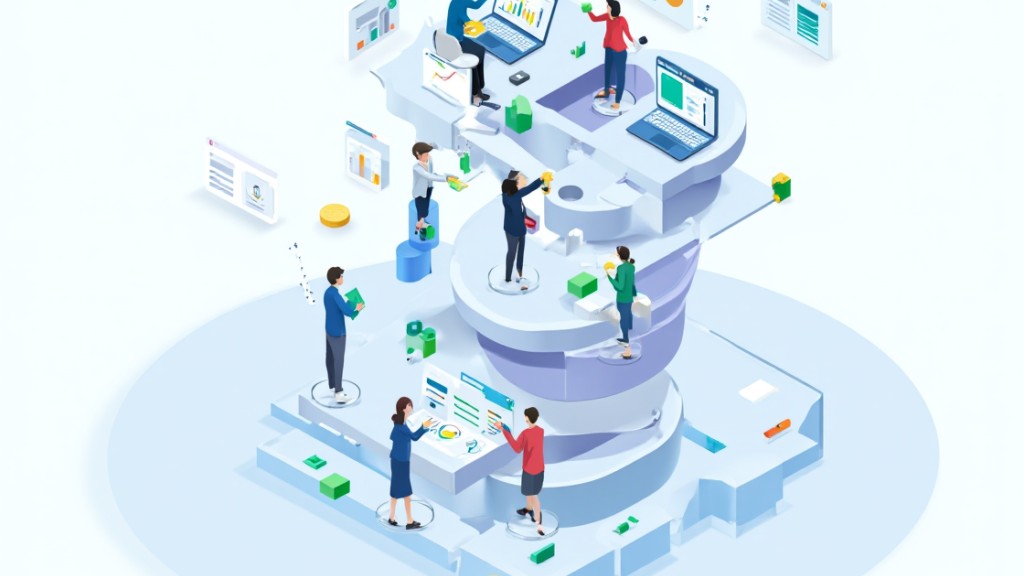
In conclusion, comprehending the enterprise sales funnel is vital for maneuvering high-value transactions effectively. By recognizing its key components and stages, you can align your strategies with customer needs, improve efficiency, and build strong relationships. Training your sales team to manage intricacies and at-risk customers guarantees better outcomes and revenue security. In the end, a well-structured sales funnel not just streamlines your process but additionally drives meaningful growth and success in the competitive enterprise environment.
Image via Google Gemini