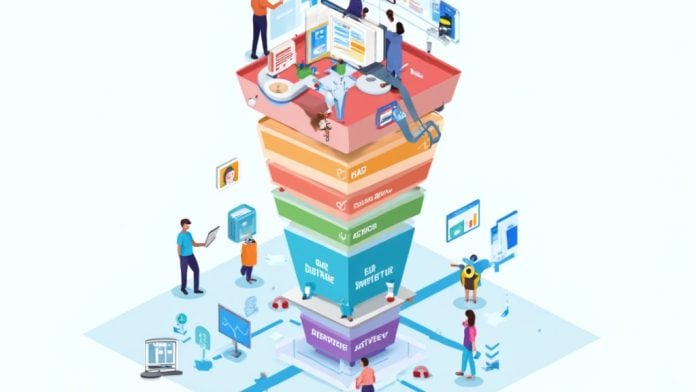
Funnel building is an essential process that helps guide potential customers from the moment they first hear about your product to the point of purchase. It matters as it provides a structured approach that improves the customer experience, identifies weaknesses in your marketing strategy, and ultimately boosts conversion rates. Comprehending the key stages involved in this process can greatly impact your business’s success, but what specific strategies can you implement to optimize your funnel?
Key Takeaways
- Funnel building maps the customer journey from awareness to purchase, enhancing the overall buying experience.
- It identifies and optimizes drop-off points, improving conversion rates and customer retention.
- Businesses can tailor messaging to accurately define their target audience, boosting marketing effectiveness.
- Continuous testing and analysis of funnel metrics lead to better resource allocation and higher ROI.
- A well-constructed funnel fosters long-term success by nurturing leads and increasing customer lifetime value.
Understanding the Sales Funnel Concept
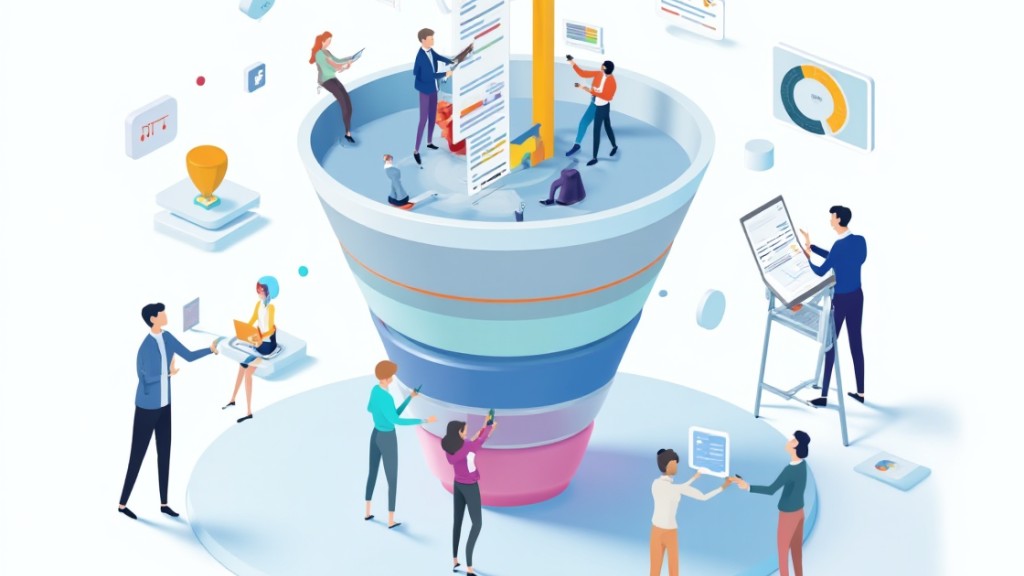
Comprehending the sales funnel concept is essential for any business aiming to optimize its marketing strategy. A sales funnel maps the customer experience from brand awareness to purchase and is typically divided into five stages: Awareness, Interest, Evaluation, Decision, and Sale. Each stage represents a distinct phase in the customer’s decision-making process.
By utilizing a funnel simulator, you can visualize how potential customers move through these stages, helping you identify drop-off points where interest wanes. Engaging in a funnel building course can improve your skills in designing effective funnels that boost conversion rates.
Funnel building not only enhances your customer experience by providing customized content but also cultivates loyalty by guiding prospects toward a purchase. Furthermore, tracking metrics within the sales funnel allows you to refine your approach, ensuring effective engagement with prospects and maximizing revenue opportunities.
The Importance of Funnel Building for Businesses
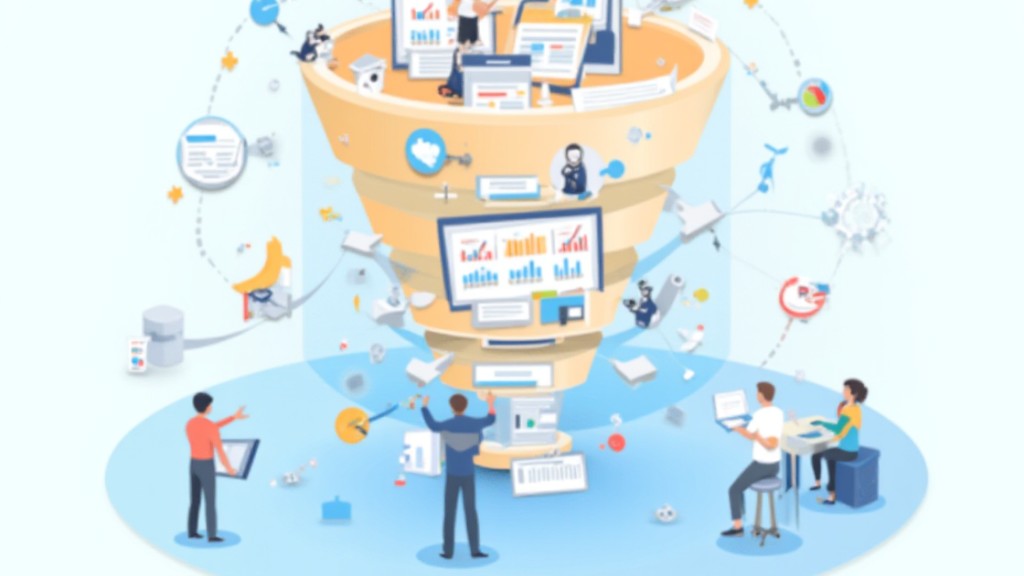
Even though many businesses recognize the need for effective marketing strategies, the importance of funnel building often goes overlooked. Funnel building provides a structured path that guides potential customers from awareness to conversion, greatly boosting your chances of sales and customer retention.
By identifying drop-off points in the customer experience, you can optimize your marketing strategies and improve the overall customer experience, which eventually enhances conversion rates.
Utilizing sales funnels allows you to define your target audience more accurately and tailor your messaging, leading to more efficient use of marketing resources and a better return on investment (ROI).
Implementing targeted content and follow-up strategies throughout the funnel stages enables you to nurture leads effectively, increasing the likelihood of converting them into paying customers.
Moreover, a well-constructed funnel allows for continuous testing and optimization, essential for adapting to changing market conditions and ensuring long-term success.
Key Stages in Funnel Building
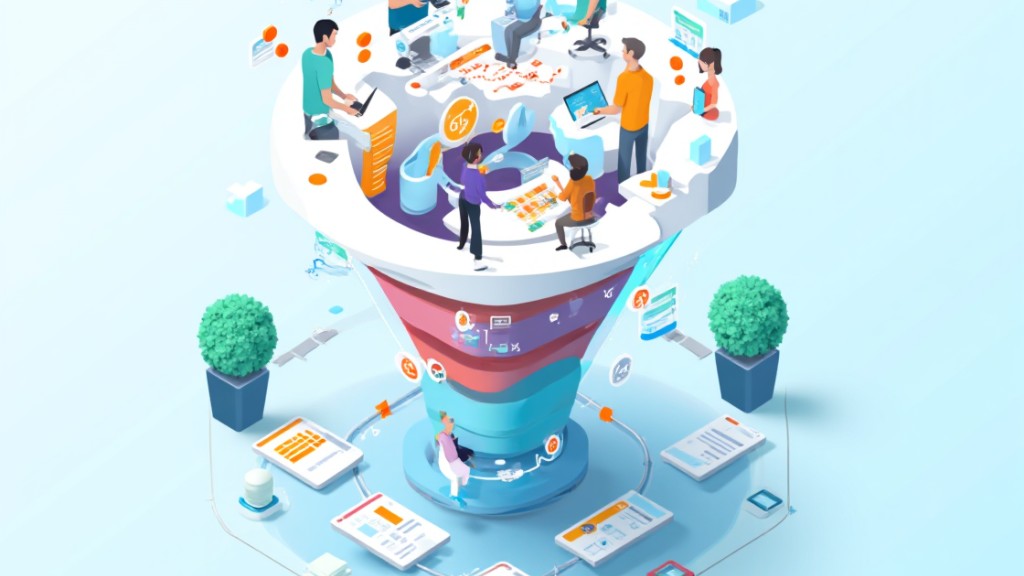
Comprehending the key stages in funnel building is crucial for effectively guiding potential customers through their purchasing path. The process consists of five critical stages: Awareness, Interest, Evaluation, Decision, and Action. Each stage plays a significant role in converting leads into sales.
| Stage | Purpose | Strategies Used |
|---|---|---|
| Awareness | Attract a wide audience | Blog posts, social media, ads |
| Interest | Engage potential customers | Educational content, webinars |
| Evaluation | Provide information to influence decisions | Case studies, customer testimonials |
During Awareness, marketers introduce the brand to a broad audience. In the Interest stage, potential customers engage more deeply through informative content. The Evaluation phase has prospects seeking additional details, whereas the final stages focus on converting leads into sales with personalized offers and clear calls-to-action.
Strategies for Effective Funnel Creation
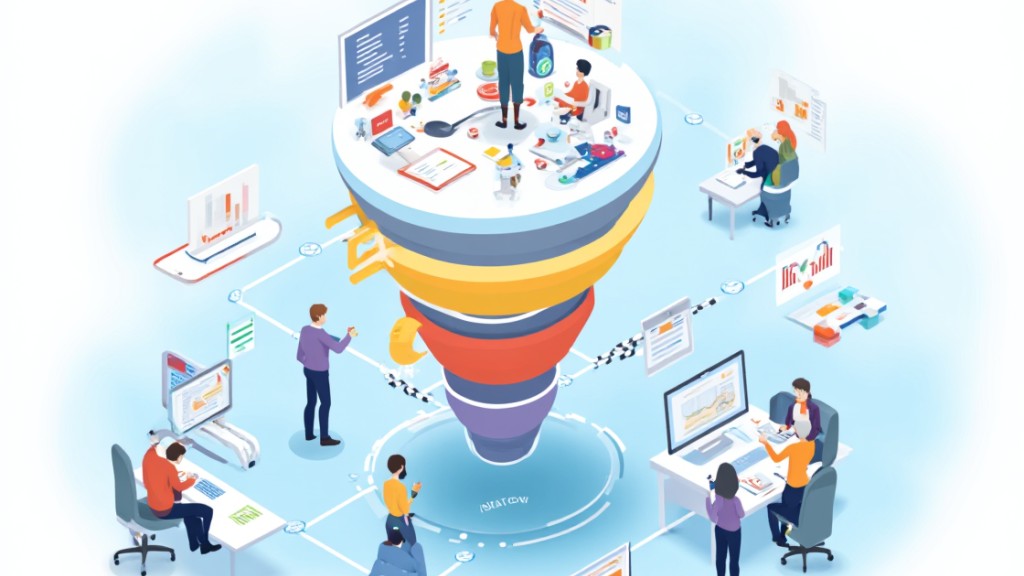
Effective funnel creation starts with a clear comprehension of the customer path. You need to understand each stage—awareness, interest, evaluation, decision, and action—and guide prospects through these stages to maximize conversions.
Tailor your content to align with each phase; for instance, use educational materials to spark awareness and personalized offers during the decision-making stage.
Incorporating automation tools helps streamline lead nurturing and funnel management, allowing for timely communication as well as reducing your team’s manual workload.
A/B testing different elements, such as headlines and calls-to-action, is crucial for optimizing performance. This data-driven approach provides insights that can improve conversion rates.
Finally, continuously track and analyze funnel metrics, like drop-off rates and customer behavior, to identify weaknesses. Making necessary adjustments can greatly enhance both customer experience and conversion efficiency.
Measuring the Success of Your Funnel
How can you accurately measure the success of your marketing funnel? Start by tracking key performance indicators (KPIs) such as conversion rates, click-through rates, and customer acquisition costs. These metrics help you assess the effectiveness of each funnel stage.
Utilizing analytics tools is crucial, as they can pinpoint drop-off points, allowing you to address issues and optimize the customer path for improved engagement and conversions. Consider implementing A/B testing to gain insights into which elements of your funnel perform best, enabling data-driven adjustments that can improve conversion rates.
Regularly evaluate the return on investment (ROI) of your funnel strategies to determine their overall profitability and sustainability. Furthermore, monitoring customer lifetime value (CLV) alongside funnel performance gives you a broader comprehension of long-term success, indicating how effectively your funnel nurtures and retains customers over time, ultimately contributing to your business growth.
Frequently Asked Questions
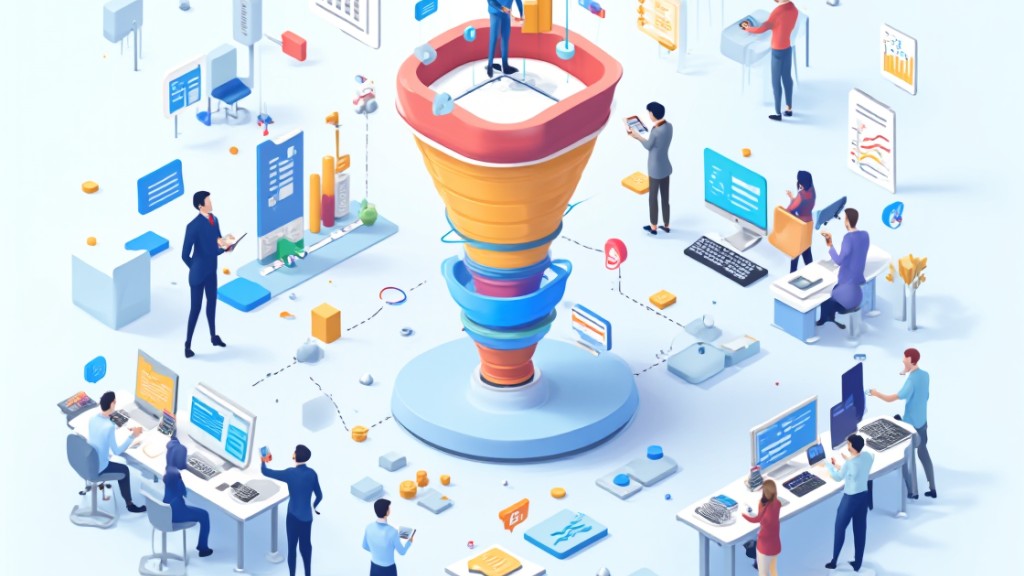
What Is Funnel Building?
Funnel building is a strategic process that guides potential customers through various stages, from awareness to decision-making.
You start by attracting prospects, then nurture their interest with relevant content. As they evaluate options, your goal is to address their concerns effectively.
Finally, when they’re ready to act, you facilitate the purchase. By using automation tools and continuously optimizing your approach, you improve engagement and increase conversion rates, ultimately driving sales growth.
What Is the Purpose of Funneling?
The purpose of funneling is to guide potential customers through a structured path, from initial awareness to final purchase.
You identify drop-off points in this path, allowing you to refine marketing strategies and reduce customer loss.
By segmenting your audience and tailoring content for each funnel stage, you improve engagement and build trust.
Utilizing analytics helps you track behavior, enabling continuous optimization of your efforts, in the end increasing your conversion rates and return on investment.
What Is the Main Purpose of a Funnel?
The main purpose of a funnel is to guide potential customers through a structured process, transforming their initial interest into a purchase.
By segmenting the progression into stages—Awareness, Interest, Consideration, and Decision—you can tailor your content and strategies for each phase.
This approach helps you identify where prospects might lose interest, allowing you to refine your tactics and improve the overall customer experience during driving revenue growth and loyalty.
What Is Funnel Analysis and Why Is It Important?
Funnel analysis involves examining each stage of your sales funnel to understand how customers interact with your business.
It’s essential since it helps you identify where potential buyers drop off, allowing you to optimize their path. By pinpointing areas that need improvement, you can potentially increase conversion rates by up to 30%.
This analysis likewise provides insights into your marketing strategies, enhancing your ability to target specific demographics effectively.
Conclusion
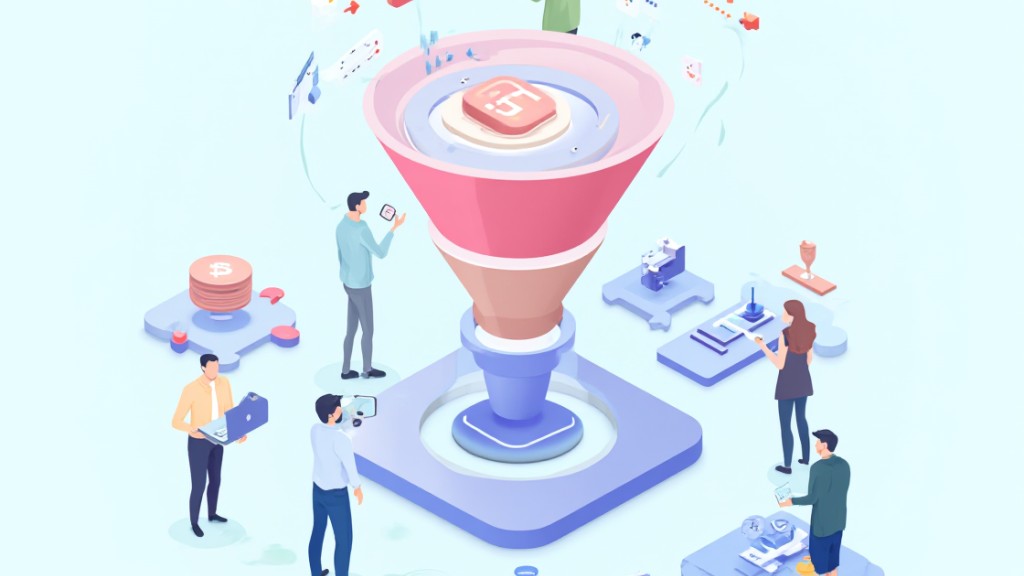
In conclusion, funnel building is crucial for guiding potential customers through their purchasing expedition. By comprehending the sales funnel concept and its key stages, you can create effective strategies that improve customer experience and optimize marketing efforts. Measuring the success of your funnel allows for continuous improvement and better conversion rates. In the end, a well-structured funnel not just increases sales but also cultivates long-term relationships with customers, making it a vital component of any successful business strategy.
Image via Google Gemini