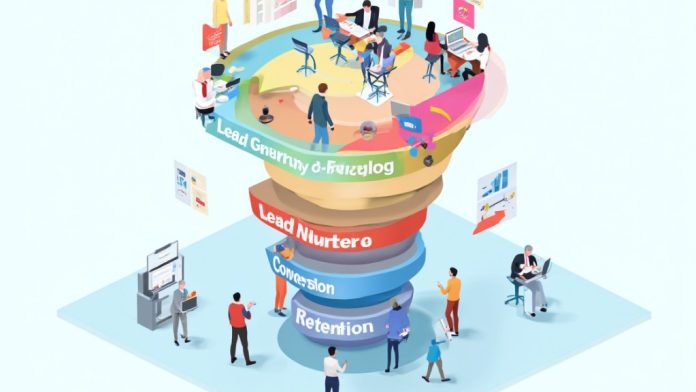
In business, a funnel represents the pathway customers follow from discovering a product to making a purchase. It’s essential for visualizing customer behavior and optimizing the marketing process. By comprehending each stage, from Awareness to Conversion, you can tailor strategies to engage potential buyers effectively. Nevertheless, managing funnels effectively requires awareness of common pitfalls. Knowing what tools and strategies to implement can make a significant difference. What specific challenges are you facing in your funnel management?
Key Takeaways
- A funnel in business represents the customer journey from initial awareness to making a purchase and beyond.
- It helps identify customer drop-off points, optimizing engagement and enhancing the overall customer experience.
- Different funnel types, like acquisition and sales funnels, serve specific purposes tailored to customer needs.
- Each stage requires distinct marketing strategies to effectively nurture leads and boost retention.
- Data-driven analysis of funnels improves marketing ROI by pinpointing weaknesses and areas for enhancement.
Definition of a Funnel in Business
A funnel in business serves as a crucial marketing model that illustrates the customer path, guiding individuals from the moment they first hear about a product or service to the point of making a purchase and beyond.
The funnel meaning refers to the structured stages through which potential customers progress, typically including Awareness, Interest, Decision, and Conversion.
Comprehending the funnel definition allows businesses to optimize the customer experience at each stage, ensuring that they effectively guide individuals toward a desired action.
The funnel meaning in business emphasizes the importance of addressing potential drop-off points, helping you identify where customers might lose interest.
By implementing strategies to retain engagement, you can improve conversion rates.
Different types of funnels exist, such as lead generation funnels aimed at acquiring email sign-ups and sales funnels focused on facilitating direct purchases, each serving a distinct purpose in the marketing expedition.
Importance of Funnels in Marketing
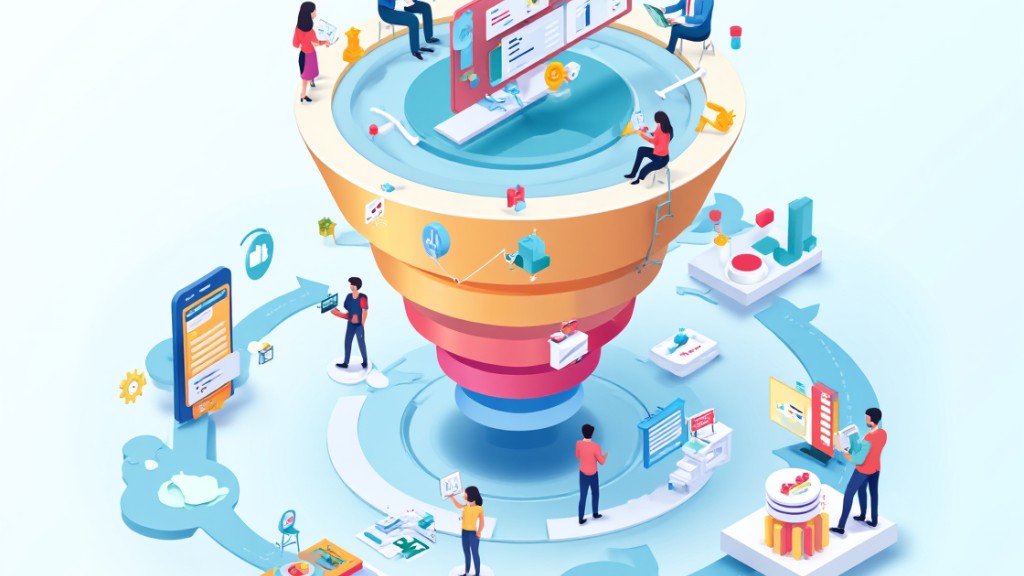
Grasping the significance of funnels in marketing helps businesses streamline their processes and improve customer engagement. A funnel serves as a structured framework guiding potential customers through the buying process, which boosts the efficiency of your marketing strategies and increases conversion rates.
Recognizing what does funnel mean allows you to visualize the customer experience from awareness to purchase, identifying drop-off points that need optimization. Each stage—Awareness, Consideration, Decision, and Retention—requires customized marketing strategies to align with customer needs effectively.
By utilizing funnels, you can improve lead nurturing efforts, resulting in higher customer retention and repeat purchases. Furthermore, applying data-driven analysis to funnel performance enables you to make informed decisions, which can greatly improve your marketing ROI.
In the end, grasping the funnel money meaning can lead to more effective resource allocation, ensuring your marketing efforts yield the best possible results.
Types of Funnels and Their Purposes
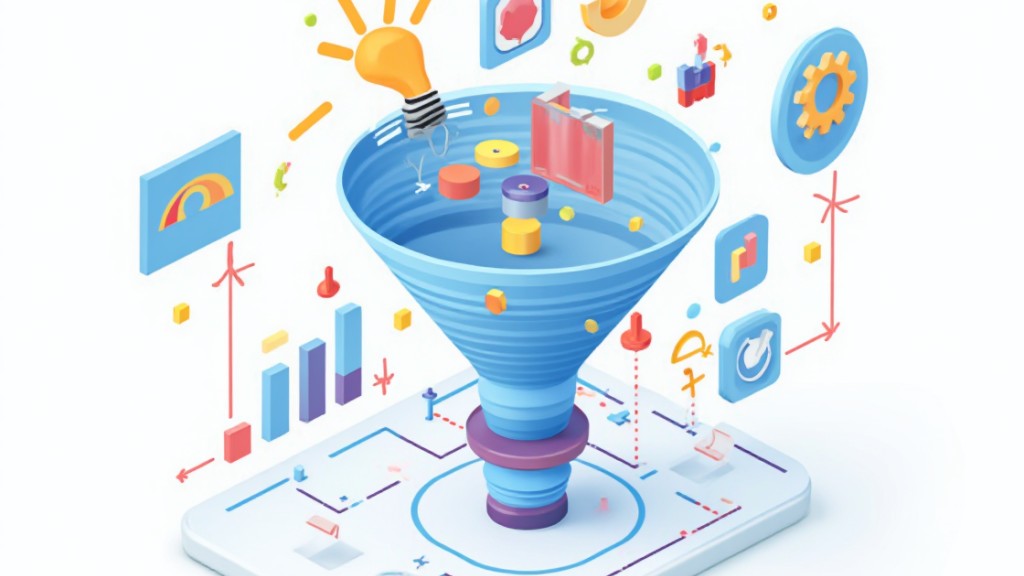
Grasping the various types of funnels in business can improve your approach to guiding customers through their purchasing experience. You’ll find that funnels can be categorized into acquisition, marketing, sales, and post-purchase types, each serving a specific purpose.
The acquisition funnel encompasses four key stages: Awareness, Consideration, Conversion, and Retention, focusing on nurturing leads.
Marketing funnels engage potential customers with targeted content, such as educational materials during the awareness phase and case studies during consideration.
Sales funnels streamline the purchasing process, employing strategies like personalized offers to convert leads into paying customers effectively.
Finally, post-purchase funnels boost customer loyalty by providing ongoing engagement and support after the sale.
Grasping these types of funnels allows you to tailor your strategies, ensuring that you address customer needs at every stage of their path, eventually leading to increased conversions and long-term relationships.
Stages of a Sales Funnel
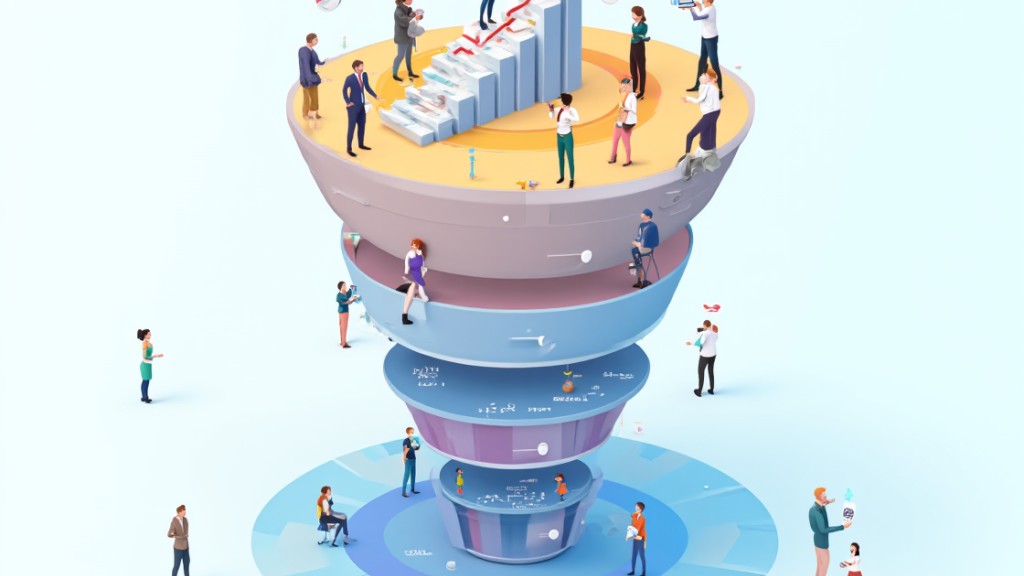
Comprehending the stages of a sales funnel is crucial for effectively guiding potential customers through their purchasing path. The sales funnel consists of four main stages: Awareness, Interest, Decision, and Customer Success.
In the Awareness stage, you attract a broad audience through channels like blog posts and social media, introducing them to your brand. As prospects move to the Interest stage, they engage more deeply by exploring content, such as whitepapers and webinars, to grasp your offerings better.
Next, in the Decision stage, you encourage them to make a purchase by presenting incentives like discounts or trial offers, which can facilitate their decision-making.
Finally, the Customer Success stage focuses on nurturing relationships post-purchase, ensuring customer satisfaction and promoting repeat business through feedback and consistent communication.
Strategies for Building Effective Funnels
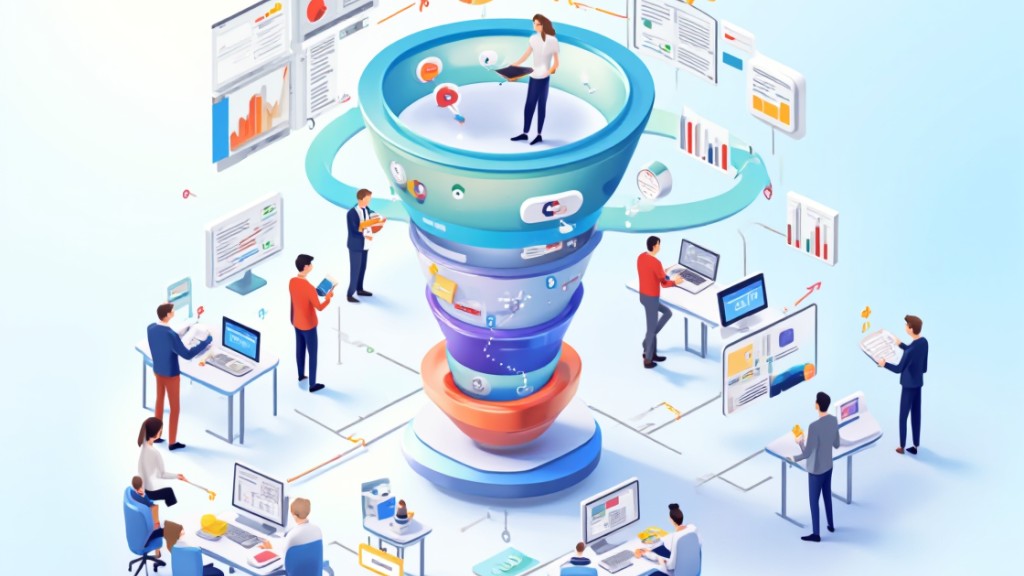
To build effective funnels, you need to implement targeted strategies that address each stage of the customer experience, guaranteeing a smooth shift from one phase to the next.
Start by creating customized content for each stage; for instance, use blog posts and social media to generate awareness, whereas case studies and testimonials can cultivate trust during the consideration stage.
Automation tools and CRM integrations are vital for streamlining lead nurturing, allowing for personalized communication and timely follow-ups.
Furthermore, employ A/B testing to optimize headlines, calls-to-action, and layouts, identifying which variations improve conversion rates.
It’s important to continuously track and analyze funnel metrics to pinpoint drop-off points, enabling data-driven adjustments.
Finally, make sure your funnels are mobile-optimized since a significant portion of traffic comes from mobile devices, enhancing user experience and minimizing drop-off rates for better conversions.
Common Mistakes to Avoid in Funnel Management
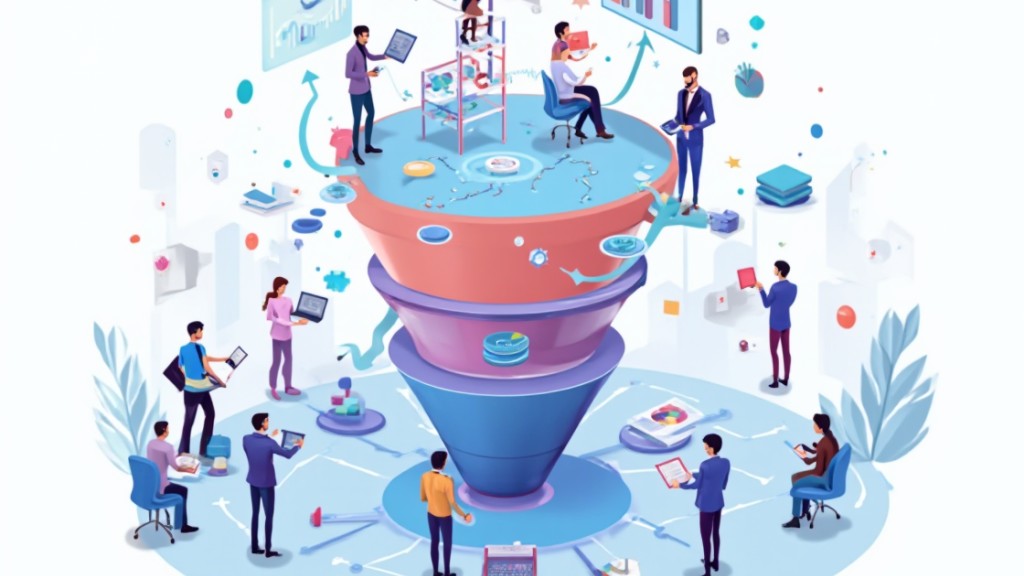
When managing your funnel, it’s vital not to ignore drop-off rates, as these can reveal where potential customers lose interest.
Overcomplicating your funnel design can likewise lead to frustration and abandonment, making it fundamental to keep the process straightforward.
Ignoring Drop-off Rates
Ignoring drop-off rates in your sales funnel can be a costly oversight that many businesses make. Studies reveal that nearly 70% of users abandon their shopping carts during the checkout process without any follow-up interventions.
By regularly analyzing these drop-off points, you can identify where potential customers lose interest and implement targeted strategies to address these gaps. A/B testing different elements, like call-to-action buttons or page layouts, can provide valuable insights into why customers drop off, helping you optimize the funnel for better retention.
Failing to address high drop-off rates may indicate a misalignment between customer expectations and the actual user experience, potentially harming your brand reputation and customer loyalty.
Utilize tools like Google Analytics to track drop-off rates effectively.
Overcomplicating Funnel Design
Overcomplicating funnel design can greatly hinder your business’s ability to convert leads into customers. When you create a convoluted path filled with unnecessary steps or distractions, potential customers often drop off.
Simplifying your funnel is essential; incorporating too many elements, like excessive calls to action or complex forms, can overwhelm users and decrease conversion rates. Each stage of your funnel should have a clear purpose to avoid mixed messaging that confuses customers about their next steps.
Furthermore, don’t ignore mobile optimization, as over 50% of web traffic comes from mobile devices. Regularly testing and optimizing your funnel is critical for identifying drop-off points and enhancing user experience, allowing you to seize opportunities effectively.
Tools for Creating and Optimizing Funnels
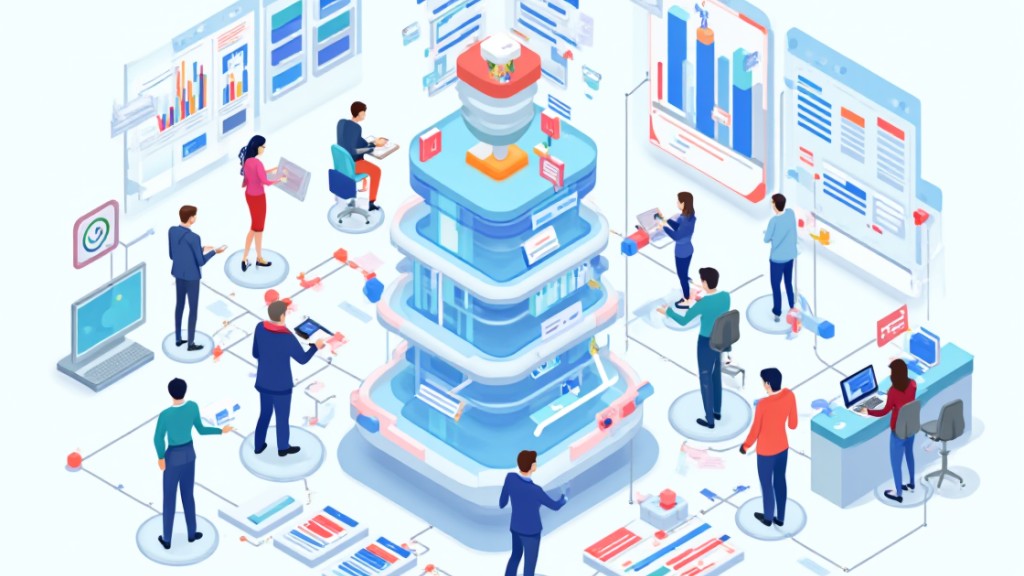
To effectively create and optimize funnels, businesses can leverage a variety of specialized tools intended to improve user experience and drive conversions.
For instance, funnel creation tools like involve.me provide user-friendly interfaces and templates, allowing you to build engaging lead generation and sales funnels without any coding skills. Integrating automation tools can streamline your lead nurturing processes, enabling you to efficiently manage customer interactions and track their behavior throughout the funnel stages.
Additionally, A/B testing features in funnel optimization tools help you identify which elements, such as calls-to-action, headlines, or layouts, boost conversion rates, facilitating continuous improvement based on data-driven insights.
Analytics capabilities offer critical metrics like drop-off and conversion rates, helping you pinpoint weaknesses and improve the customer experience.
Finally, mobile optimization features guarantee your funnels are accessible and user-friendly across various devices, addressing the significant percentage of mobile traffic in today’s digital environment.
Frequently Asked Questions

What Does Funnel Mean in Business?
In business, a funnel represents the process that potential customers go through, from first learning about a product to making a purchase.
It’s structured in stages like Awareness, Interest, Decision, and Action, designed to guide prospects toward buying. By analyzing this progression, you can identify where customers drop off and refine your marketing strategies.
Effective funnels use customized content for each stage, aiming to improve lead engagement and boost conversion rates.
What Is an Example of a Funnel?
An example of a funnel is a coffee subscription service using Instagram ads to attract potential customers.
First, you see the ad, sparking your interest. Then, you click through to a landing page, where you can sign up for a free sample.
After receiving the sample, you might decide to subscribe. This process illustrates how a funnel guides you from initial awareness to making a purchase, optimizing each stage for conversion.
What Are the 5 Stages of a Sales Funnel?
The five stages of a sales funnel are Awareness, Interest, Evaluation, Decision, and Sale.
In the Awareness stage, you attract potential customers through various marketing channels.
Next, during Interest, those individuals engage with your content.
In Evaluation, prospects seek more information, often contacting you directly.
The final stages, Decision and Sale, involve negotiating terms and finalizing purchases.
Each stage is essential for guiding customers through their path toward making a purchase.
What Are Funnels Used For?
Funnels are used to visualize and manage the customer path, from initial contact to conversion. They help you identify stages where potential customers may drop off, allowing you to refine your strategies.
Conclusion
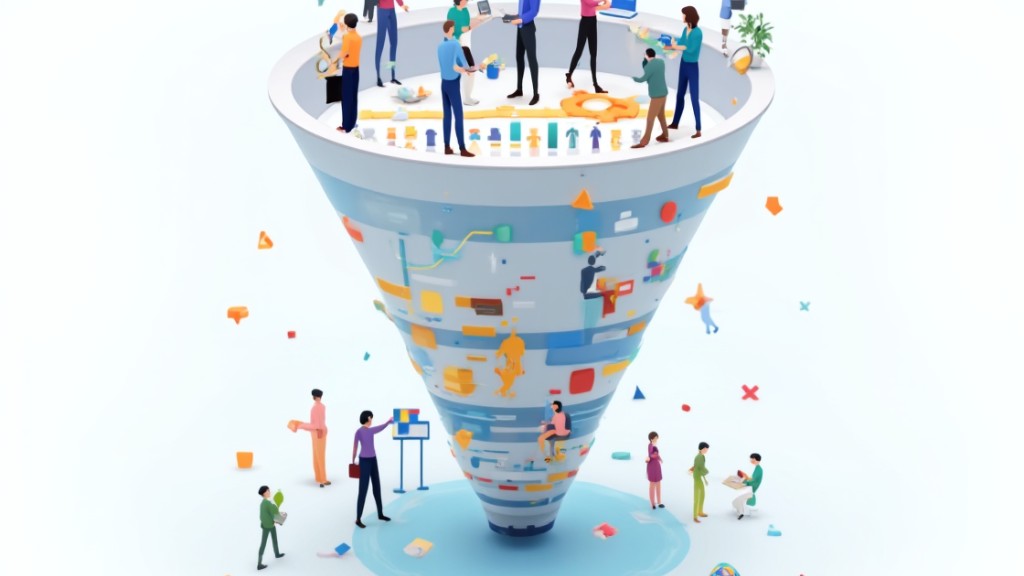
In conclusion, comprehending funnels in business is essential for optimizing customer paths from awareness to conversion. By recognizing the different stages and types of funnels, you can tailor your marketing strategies to improve engagement and retention. Implementing effective funnel management techniques helps identify areas for improvement, allowing for greater efficiency. Utilizing the right tools can further boost your funnel’s performance, ensuring you maximize your marketing investment and drive sustainable growth for your business.
Image via Google Gemini