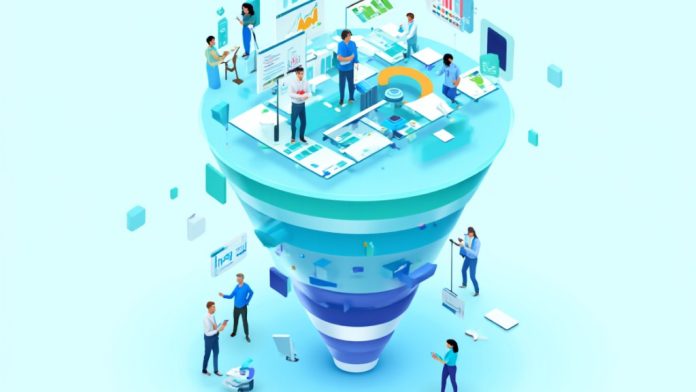
The funnel process is an essential model that guides potential customers from awareness of your product to making a purchase. It involves distinct stages like Interest, Evaluation, Action, and Retention, each serving a purpose in shaping customer behavior. Comprehending this process can help you streamline marketing efforts, boost conversion rates, and identify areas for improvement. By analyzing customer interactions, you can tailor your strategies effectively. So, how do you build and optimize a successful funnel?
Key Takeaways
- The funnel process guides potential customers from awareness to purchase, optimizing their journey through structured stages.
- It identifies drop-off points, allowing businesses to tailor strategies that enhance engagement and retention.
- By streamlining buyer pathways, the funnel process increases conversion rates and drives revenue growth.
- Continuous analysis of customer behavior data ensures that marketing strategies remain relevant and effective over time.
- Aligning sales and marketing efforts through the funnel enhances overall efficiency and maximizes return on investment.
Understanding the Funnel Process
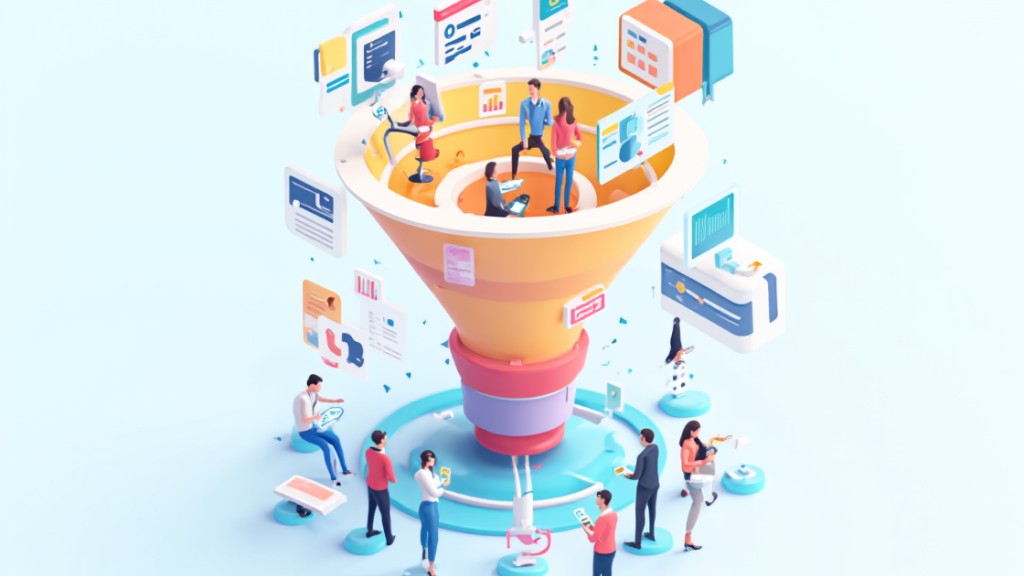
The funnel process plays an important role in guiding potential customers from the moment they first hear about your product to the point of purchase. It helps you understand the customer funnel stages, which are divided into Awareness, Interest, Evaluation, Action, and Retention. Each stage is significant as it directs prospects closer to conversion.
By analyzing the consideration funnel, you can identify where potential customers lose interest, allowing you to implement targeted interventions to improve conversion rates.
Understanding the funnel process enables you to tailor your marketing strategies effectively. You can adapt your approach based on customer behavior at various funnel stages, enhancing engagement and meeting customer needs.
A well-defined funnel process doesn’t just streamline the sales cycle; it maximizes revenue at the same time as minimizing wasted time and resources. Essentially, mastering the funnel process is crucial for improving sales efficiency and achieving better overall results in your marketing efforts.
Importance of the Funnel Process
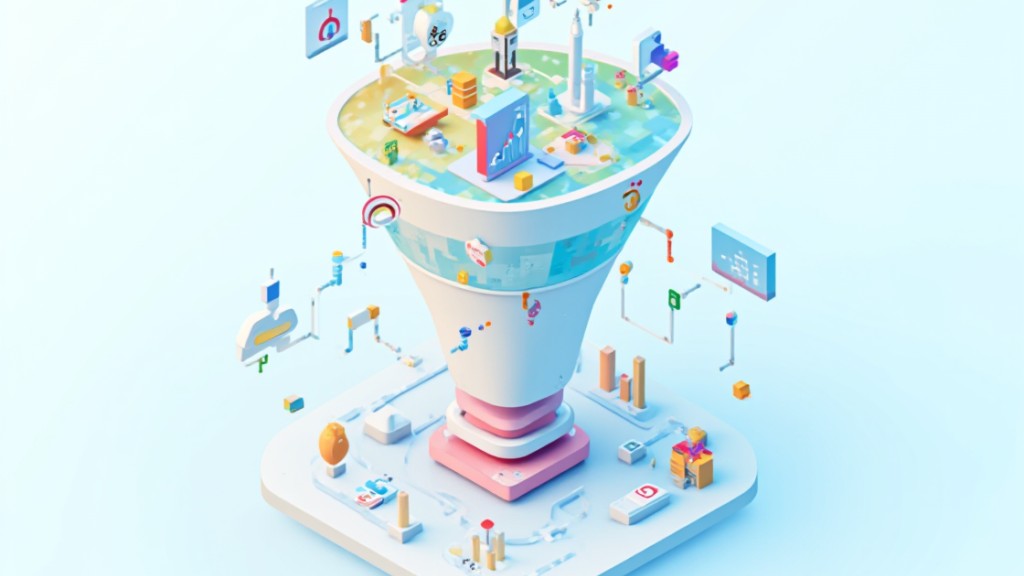
Comprehending the significance of the funnel process is vital for streamlining buyer pathways and identifying sales opportunities.
By effectively guiding potential customers through each stage, you can improve conversion rates and optimize your marketing strategies.
This structured approach not solely helps in recognizing where prospects may drop off but likewise allows for better alignment between your sales and marketing efforts.
Streamlining Buyer Journeys
Streamlining buyer pathways is crucial for businesses looking to improve their sales processes and boost customer satisfaction. By utilizing a well-structured conversion funnel, you can guide potential customers through distinct funnel stages, from awareness to conversion.
This guarantees they receive the right visual content customized to their needs at each step, enhancing their engagement. Comprehending how to create a marketing funnel allows you to identify drop-off points, optimize the customer experience, and increase conversion rates.
Targeted marketing strategies resonate better with customers, nurturing trust and encouraging ongoing relationships post-purchase. In the end, an efficient funnel process maximizes resource efficiency, enabling your sales and marketing teams to focus on high-quality leads and opportunities, driving revenue growth.
Identifying Sales Opportunities
Mapping the customer path is where businesses can truly identify sales opportunities within the funnel process. By analyzing each stage, you can see where prospects drop off, allowing for targeted improvements that boost conversion rates.
Utilizing marketing funnel metrics helps you gather insights into customer behavior and preferences, tailoring your strategies to meet specific needs. A well-structured sales funnel increases lead qualification, ensuring only the most promising prospects advance, which leads to a more efficient sales process and higher close rates.
Furthermore, implementing continuous feedback mechanisms lets you adapt your approach in real-time, ensuring responsiveness to changing customer demands and market conditions. This proactive strategy finally maximizes sales opportunities for your business.
Enhancing Conversion Rates
To improve conversion rates effectively, it’s crucial to analyze the entire funnel process, as each stage presents unique opportunities for progress. Identifying drop-off points helps you optimize each stage, ensuring potential customers remain engaged.
By tailoring your content and strategies for each funnel stage, you can build trust and satisfaction, which increases conversion likelihood. Implementing A/B testing reveals which methods resonate best with your audience, allowing for data-driven adjustments.
Moreover, managing the funnel effectively improves customer lifetime value by nurturing relationships post-sale, encouraging repeat purchases and referrals. Monitoring key metrics, such as conversion rates per channel, enables you to allocate resources wisely, maximizing your return on investment for marketing efforts throughout the funnel process.
Stages of the Funnel Process
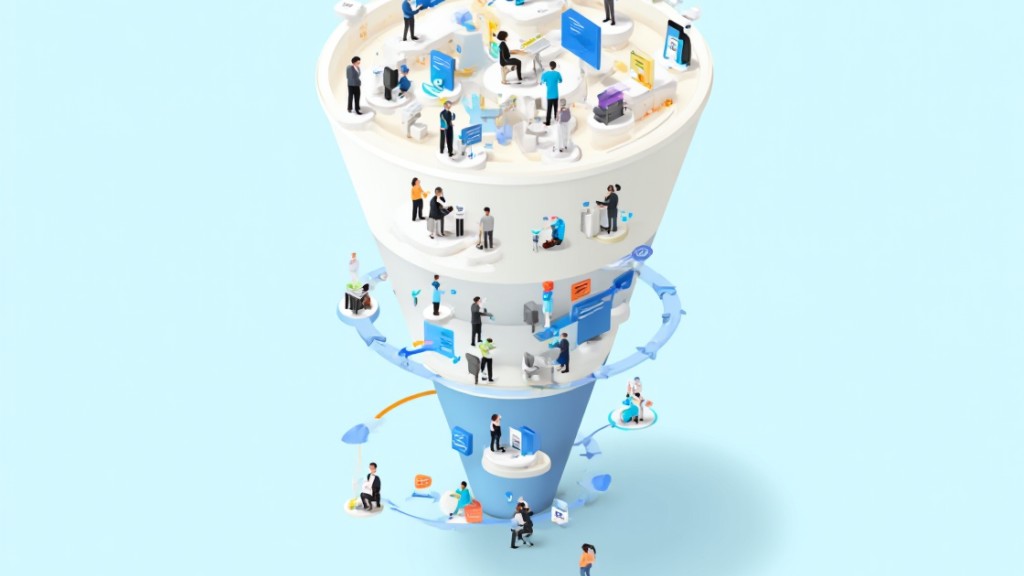
Comprehending the stages of the funnel process is essential for effectively guiding potential customers through their purchasing path.
The funnel typically consists of five stages: Awareness, Interest, Evaluation, Action, and Retention.
In the Awareness stage, potential customers encounter your brand through channels like social media and paid ads, creating the largest pool of prospects.
As they move to the Interest and Evaluation stages, they actively seek more information, often engaging with content such as product demos and case studies. This engagement helps them assess your offerings.
The Action stage marks a significant shift, where the prospect completes a purchase, signaling their change from lead to customer.
Finally, the Retention stage focuses on nurturing customer relationships post-sale, encouraging repeat purchases and promoting loyalty through consistent engagement and support.
Grasping these stages allows you to tailor your marketing strategies effectively, ensuring a smoother experience for your customers.
Benefits of an Effective Funnel
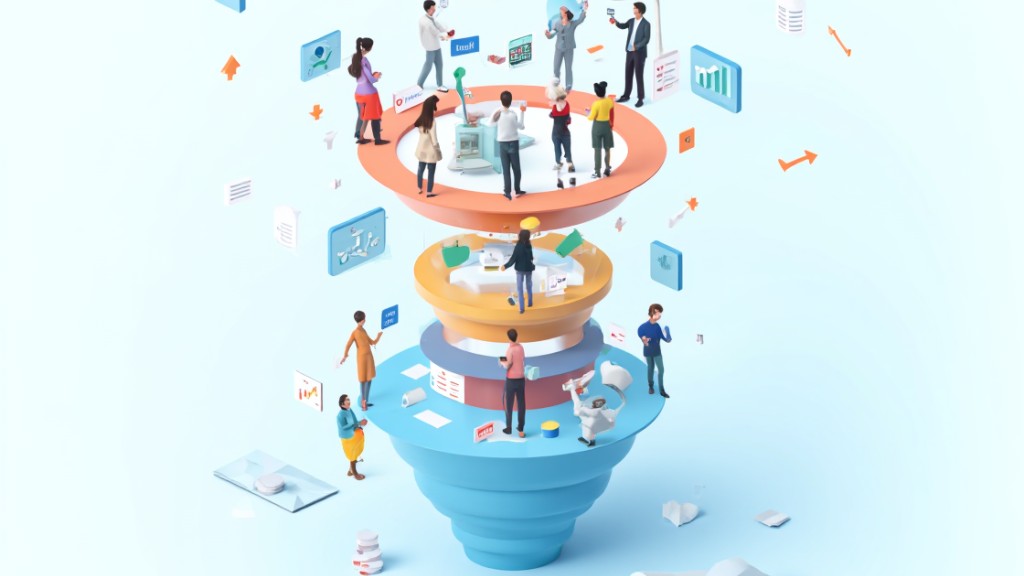
An effective funnel offers significant advantages for businesses aiming to improve their sales processes. By personalizing the customer experience, you can see a 14% increase in conversion rates and boost customer lifetime value.
In addition, when you provide insights into customer needs through targeted content, you can improve engagement and retention rates by up to 50%. Continuous communication and feedback within the funnel help you identify leakage points, enabling you to recover potential lost sales and improve overall revenue.
A well-structured funnel streamlines your sales process, allowing your sales team to focus on qualified leads, which can increase sales efficiency by 20-30%.
Moreover, implementing a refined funnel strategy minimizes wasted resources by up to 25%, ensuring that your marketing efforts align closely with customer behavior and preferences.
Building a Successful Funnel

To build a successful funnel, you need to start by identifying your target audience clearly.
Once you know who you’re speaking to, create content that speaks directly to their needs at each stage of the funnel, from awareness to conversion.
This focused approach not just engages prospects but likewise guides them smoothly through the customer path.
Identifying Target Audience
Identifying your target audience is essential for building a successful funnel, as it shapes how you communicate and engage with potential buyers.
Start by developing an ideal customer profile (ICP) through analyzing your current customers for common traits like demographics, firmographics, and psychographics.
Creating detailed buyer personas helps you understand their pain points and motivations, allowing you to craft targeted content that resonates.
Monitor audience engagement using data points such as time spent on page and link clicks, which provide insights into their behavior.
Continuous evaluation and refinement of your target audience based on analytics and feedback guarantees your funnel remains relevant, effectively guiding prospects toward conversion and enhancing overall marketing strategies.
Content Creation Strategies
Effective content creation strategies are key to guiding potential customers through your sales funnel, transforming interest into action.
At the top of the funnel, focus on awareness by producing engaging blog posts and social media content optimized for SEO.
As prospects move to the middle stage, provide educational materials like whitepapers and downloadable resources such as eBooks and webinars to nurture relationships, which can boost conversion rates by 62%.
In the evaluation stage, incorporate customer stories and testimonials to improve credibility, increasing the likelihood of conversion by 34%.
Regularly update and optimize your content based on performance analytics and user feedback.
Brands utilizing A/B testing often see conversion rate improvements of 20% or more, making continuous refinement crucial.
Optimizing the Funnel for Better Results

When you optimize your funnel, analyzing engagement metrics and conversion rates at each stage becomes vital for identifying where potential customers drop off. By implementing targeted strategies for improvement, you’ll boost overall performance. A/B testing different elements can help you find which calls-to-action or content formats resonate best with your audience.
Additionally, streamlining your funnel by removing unnecessary steps simplifies the user experience, reducing friction. This approach can lead to lower drop-off rates and higher conversions. Don’t forget about mobile optimization; since over half of web traffic comes from mobile devices, a seamless mobile experience is paramount.
Finally, continuous monitoring and adjustment based on customer behavior data guarantees your strategies remain relevant and effective.
| Strategy | Key Focus |
|---|---|
| A/B Testing | Evaluate different elements |
| Streamlining | Simplify user experience |
| Mobile Optimization | Improve mobile engagement |
Frequently Asked Questions
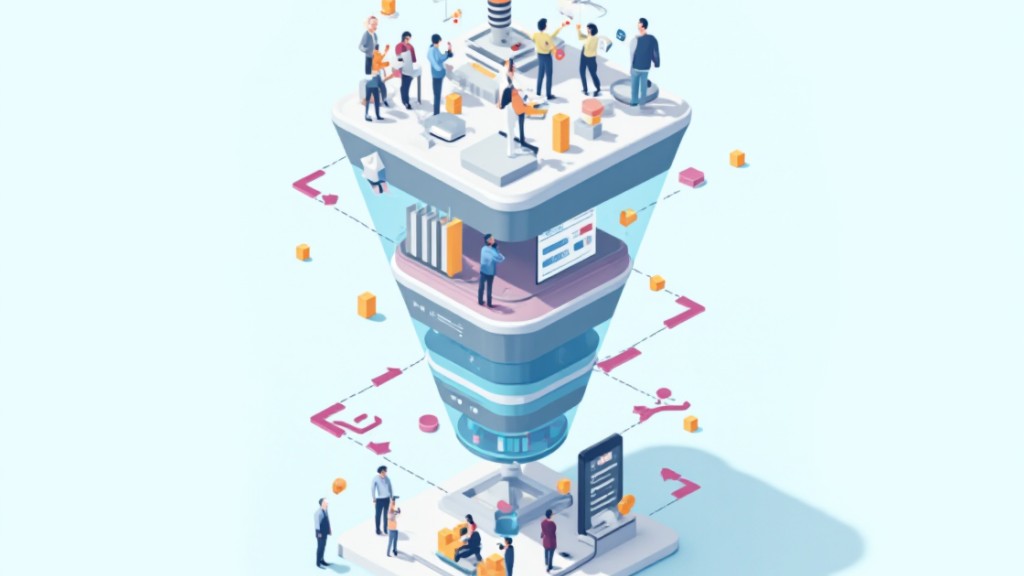
What Is the Main Purpose of a Funnel?
The main purpose of a funnel is to guide potential customers through their process, from initial awareness to final conversion.
It helps you visualize each stage of this path, allowing you to identify where customers might drop off. By comprehending customer behavior and preferences, you can tailor your marketing strategies to meet their needs, ultimately increasing engagement and improving conversion rates.
Effective funnel management can likewise improve your overall marketing efficiency and revenue potential.
What Is Funnel Analysis and Why Is It Important?
Funnel analysis tracks how users move through various stages of their expedition, helping you identify where potential customers drop off.
It’s important as it reveals conversion rates at each stage, allowing you to evaluate your marketing effectiveness.
By analyzing user behavior across touchpoints, you can pinpoint high-performing channels and content.
This insight enables you to improve the customer experience, enhance retention, and make data-driven decisions to boost overall conversion rates.
What Is the Main Function of a Funnel?
The main function of a funnel is to guide prospective customers through a structured process, starting from awareness and leading to conversion.
It narrows a broad audience into a smaller group of engaged leads, helping you identify critical drop-off points in the customer experience.
What Is the Main Idea Behind the Marketing Funnel?
The main idea behind the marketing funnel is to visualize and manage the customer process, guiding potential buyers through distinct stages.
You start with awareness, where prospects first learn about your product. Then, they progress to evaluation, assessing options before reaching the conversion stage, where they make a purchase.
Conclusion

In conclusion, comprehending the funnel process is vital for any business aiming to improve its sales strategy. By recognizing each stage—from initial awareness to retention—you can tailor your approach to meet customer needs effectively. This not merely improves conversion rates but additionally identifies areas for growth. Building and optimizing an effective funnel allows you to streamline your sales efforts, ensuring a better customer experience and driving revenue. Prioritizing this process can lead to long-term success in your business endeavors.
Image via Google Gemini