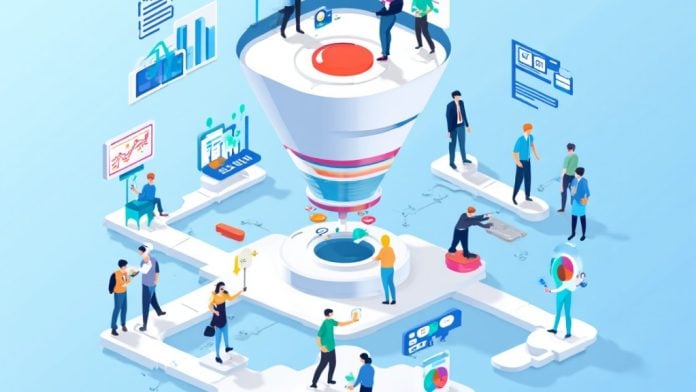
A lead funnel is a structured marketing approach that guides potential customers through their buying process, from first awareness to final purchase. It consists of three key stages: awareness, consideration, and conversion, each designed to nurture leads and build trust. Comprehending how a lead funnel operates can greatly improve your marketing strategies. If you want to explore how to effectively build and manage a lead generation funnel, the following sections offer valuable insights.
Key Takeaways
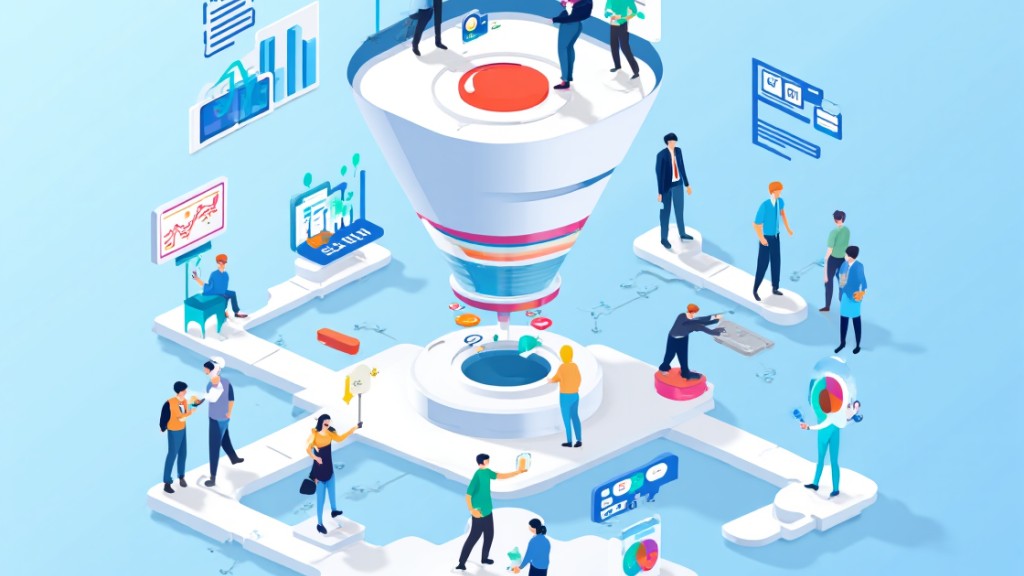
- A lead funnel is a marketing framework that guides potential customers from awareness to purchase through structured stages: awareness, consideration, and conversion.
- The Top of Funnel (TOFU) creates brand awareness using engaging content like blog posts and social media.
- The Middle of Funnel (MOFU) nurtures leads with valuable resources, building trust through informative content such as case studies and webinars.
- The Bottom of Funnel (BOFU) focuses on persuasive content and effective calls-to-action, encouraging prospects to finalize their purchase decisions.
- Optimizing a lead funnel involves analyzing metrics and refining strategies based on customer behavior to enhance conversion rates and marketing efficiency.
Definition of a Lead Funnel
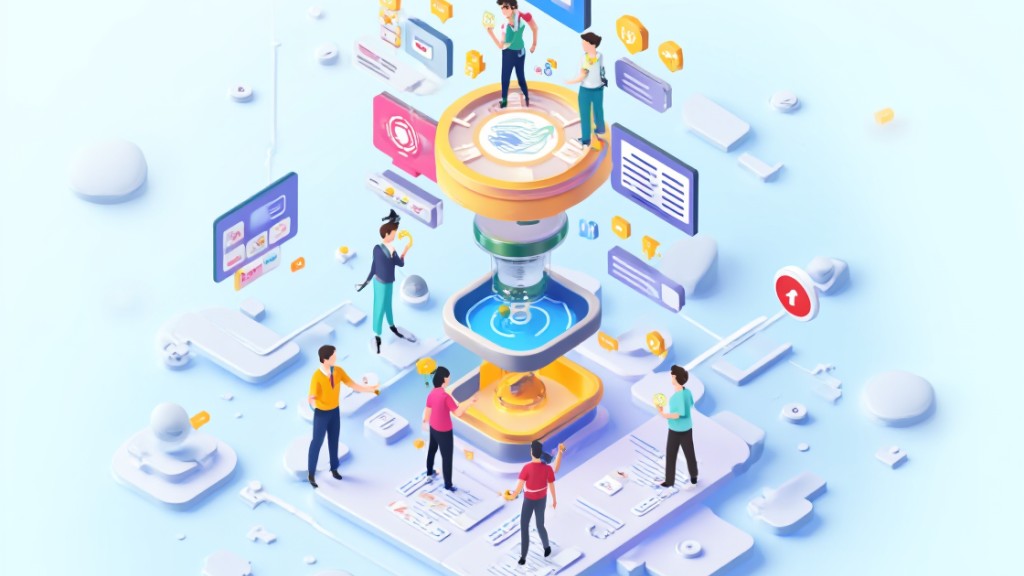
A lead funnel is a crucial marketing framework that guides potential customers from their first encounter with your brand all the way to making a purchase.
This structured process, often referred to as a lead generation funnel, consists of three distinct stages: awareness, consideration, and conversion.
At the top of the funnel (TOFU), your aim is to create awareness and capture attention using strategies like blog posts and social media engagement.
As leads move to the middle of the funnel (MOFU), they begin evaluating solutions, and you can nurture their interest through informative content such as case studies, webinars, and personalized emails.
Finally, at the bottom of the funnel (BOFU), leads are ready to convert into customers. Here, effective calls-to-action, product demos, and customized customer service play critical roles in facilitating their purchasing decision.
Comprehending these stages is fundamental for optimizing your lead generation efforts.
Importance of a Lead Funnel
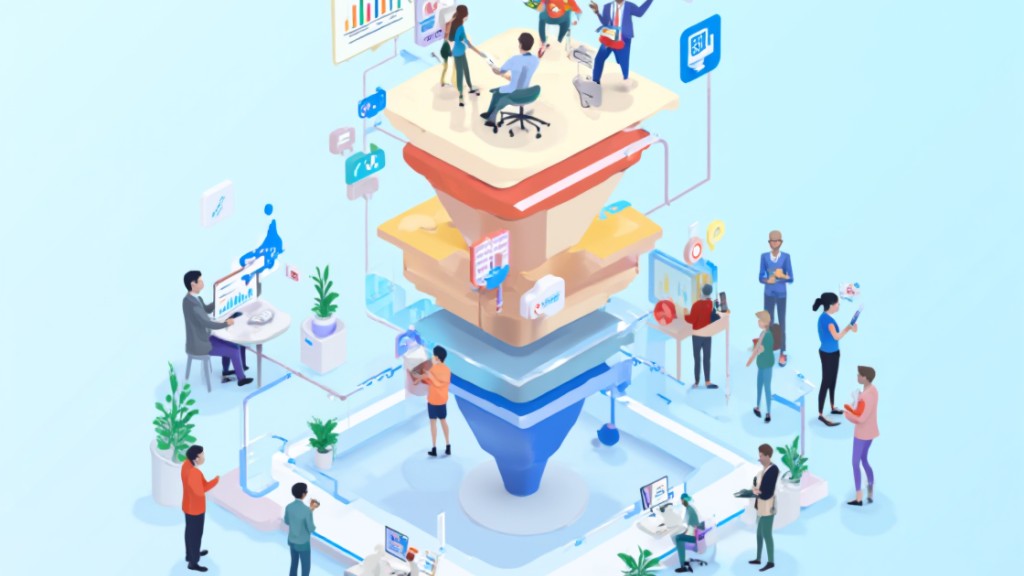
Comprehending the significance of a lead funnel can greatly improve your marketing strategy. A lead generation conversion funnel is essential for turning potential customers into paying clients by guiding them through awareness, consideration, and conversion stages, enhancing the customer experience (CX). By nurturing leads at each stage, you can cultivate long-term relationships, boosting customer retention and lifetime value. Research indicates that businesses with a well-defined lead funnel can see conversion rates increase by up to 300%.
| Benefit | Impact on Business | Key Insight |
|---|---|---|
| Nurtured Leads | Builds customer relationships | Increases retention |
| Insight into Behavior | Tailors marketing efforts | Meets audience needs |
| Reduced Cold Outreach | Improves sales efficiency | Focuses on interested prospects |
Ultimately, an effective lead funnel provides insights that help you tailor your strategies, making it an indispensable tool for your success.
Stages of a Lead Funnel
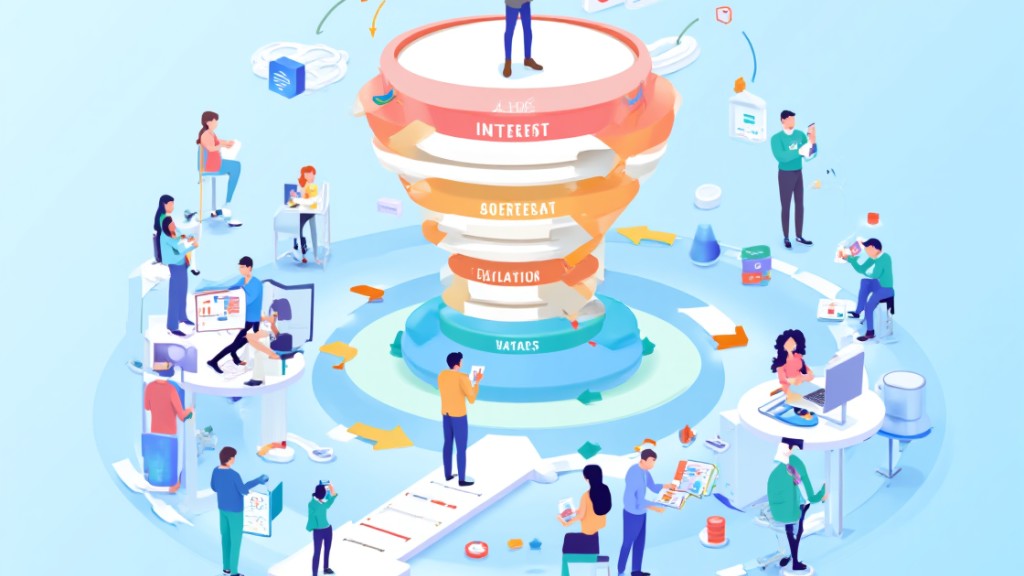
Now that you understand the importance of a lead funnel, let’s break down its stages: the Awareness Stage, Consideration Stage, and Conversion Stage.
In the Awareness Stage, potential customers learn about your brand through engaging content.
Whereas the Consideration Stage focuses on nurturing these leads with valuable resources.
Finally, the Conversion Stage uses persuasive content to encourage prospects to make a purchase, marking the expedition’s culmination.
Awareness Stage Overview
Comprehending the awareness stage of a lead funnel is crucial, as it’s where potential customers first encounter your brand and its offerings.
This stage, often referred to as the Top of Funnel (TOFU), focuses on capturing prospects’ attention and sparking their curiosity. You achieve this by providing valuable content through blog posts, social media, and videos.
Lead generation efforts kick off with lead magnets like free resources or informative guides, allowing you to collect visitor information.
Utilizing effective prospecting tools helps you understand customer pain points and interests during these initial interactions.
Consideration Stage Insights
As potential customers move beyond the awareness stage, they enter the consideration stage, where they actively evaluate various solutions to address their needs or problems.
This Middle of Funnel (MOFU) phase is vital in the lead gen funnel, as it’s the longest stage. During this time, providing valuable content like guides, webinars, and case studies can help educate prospects and build trust in your brand.
Engaging with personalized communication customized to their specific needs is fundamental, as about 70% of prospects prefer relevant content before making a purchase decision.
Monitoring metrics such as engagement rates and content downloads can offer insights into your nurturing strategies, helping you identify Marketing Qualified Leads (MQLs) effectively.
Conversion Stage Strategies
When prospects reach the conversion stage of the lead funnel, they’re ready to make a decision, and this is where your strategies can considerably impact their choice.
Presenting compelling content, like case studies and testimonials, can address lingering doubts and encourage purchases. Clear and persuasive calls-to-action (CTAs) are crucial; they guide prospects on the next steps, ensuring they know how to proceed.
Personalized customer service and follow-up communications build trust and resolve any final questions. Furthermore, offering incentives such as trial extensions or exclusive discounts can create urgency and motivate prospects to finalize their purchase.
Lastly, monitoring conversion rates allows you to identify effective strategies and areas needing improvement, in the end increasing the percentage of leads that become paying customers.
Building a Lead Generation Funnel
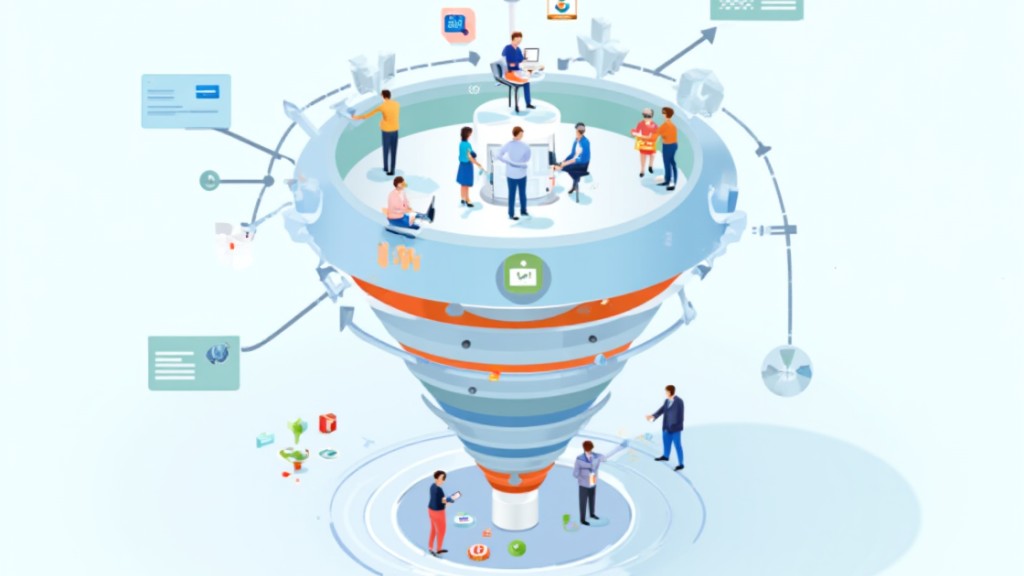
Building a lead generation funnel requires a clear comprehension of your target audience and their specific pain points, as this knowledge allows you to create content that effectively engages them at every stage.
To build an effective lead generation funnel, follow these steps:
- Identify Your Audience: Understand who your ideal customers are and what challenges they face. This insight helps tailor your messaging.
- Create Valuable Lead Magnets: Develop resources like ebooks, webinars, or infographics that attract prospects and encourage them to share their contact information.
- Implement Automation Tools: Use automated systems for lead capture and management to streamline the process, ensuring leads are nurtured efficiently through the funnel.
Effective Call-to-Actions (CTAs)
Effective call-to-actions (CTAs) play a crucial role in guiding potential customers through the lead funnel, as they provide clear directions on what steps to take next.
To maximize effectiveness, CTAs should be visually appealing and strategically placed throughout your lead management funnel. Using action-oriented language creates a sense of urgency; phrases like “Sign Up Now” or “Get Your Free Trial Today” can motivate users to act.
A/B testing different CTAs can greatly impact conversion rates by revealing customer preferences for wording, color, and placement. Incorporating strong CTAs within your content—like blog posts or landing pages—enhances lead engagement and drives traffic further down the funnel.
Research shows that businesses with well-defined CTAs experience conversion rates increasing by over 200%. This highlights the critical importance of clear and compelling calls to action in the lead generation process, ensuring you effectively guide your audience toward conversion.
Sales Pipeline Management
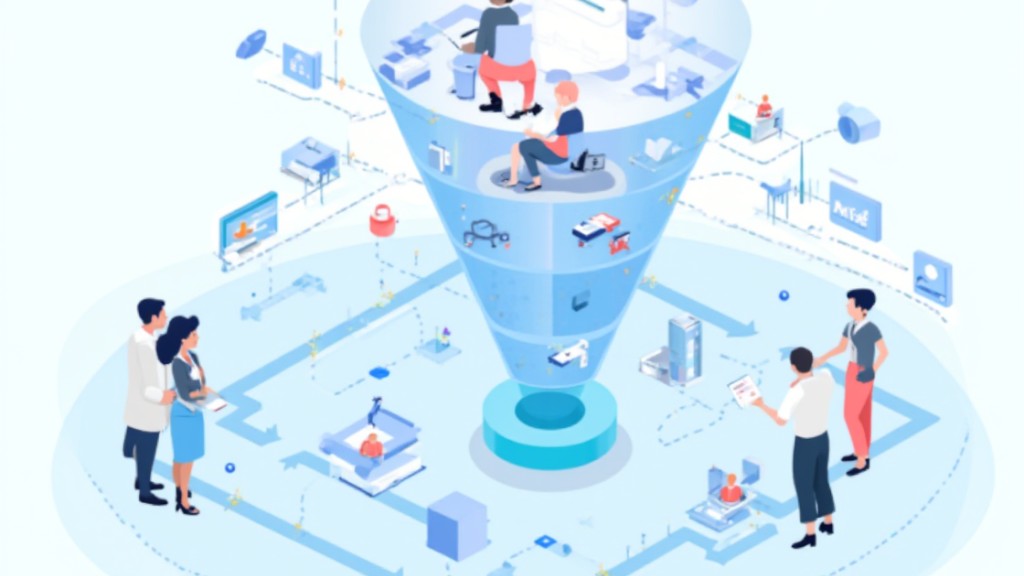
Sales pipeline management is essential for tracking and organizing potential customers throughout their expedition, as it helps optimize conversion rates and improves sales efficiency.
By effectively managing your sales pipeline, especially within a b2b lead generation funnel, you can identify bottlenecks and focus on high-value leads.
Here are three key aspects to take into account:
- Lead Scoring: Prioritize leads based on their likelihood to convert, ensuring your sales team concentrates on the most promising opportunities.
- Regular Analysis: Analyze your sales pipeline to gain insights into lead behavior and engagement, which allows for refined strategies in follow-up interactions.
- Unified CRM System: Implementing a CRM system can streamline your management process, offering features such as real-time reporting and automated lead nurturing.
Best Practices for Lead Funnels
When building an effective lead funnel, incorporating personalization strategies can make a significant difference in how prospects engage with your content.
Clear and compelling calls-to-action (CTAs) at each stage not just guide potential customers but additionally improve their overall experience.
Personalization Strategies
Personalization strategies in lead funnels are crucial for enhancing engagement and boosting conversion rates. By customizing content to meet the specific needs of your prospects, you can greatly improve their experience.
Here are three effective strategies to implement:
- Segment Your Audience: Divide leads based on demographics, interests, and behaviors for targeted communication. This helps align your message with what they want.
- Use Dynamic Content: Adjust content based on user behavior, such as location or past interactions, to keep engagement high throughout the lead funnel.
- Personalize Email Campaigns: Implement customized emails in the consideration stage, leading to higher open and click-through rates, which can significantly increase conversions.
These personalization strategies can transform your lead funnel into a more effective sales tool.
Effective Call-to-Actions
Effective call-to-actions (CTAs) play a pivotal role in guiding prospects through the lead funnel, turning interest into action.
To improve your marketing funnel lead generation, place CTAs strategically on landing pages and in emails, making them visually appealing and easy to spot.
Personalized CTAs can convert 202% better than generic options, so use action-oriented language like “Get Started” or “Download Now” to boost engagement.
A/B testing different designs, placements, and wording helps identify what resonates with your audience, improving conversion rates.
Regular analysis of CTA effectiveness, including click-through rates and conversion metrics, is crucial for optimizing lead funnel performance and ensuring alignment with your overall marketing strategy.
Keep refining your approach based on data-driven insights for the best results.
Types of Lead Funnels
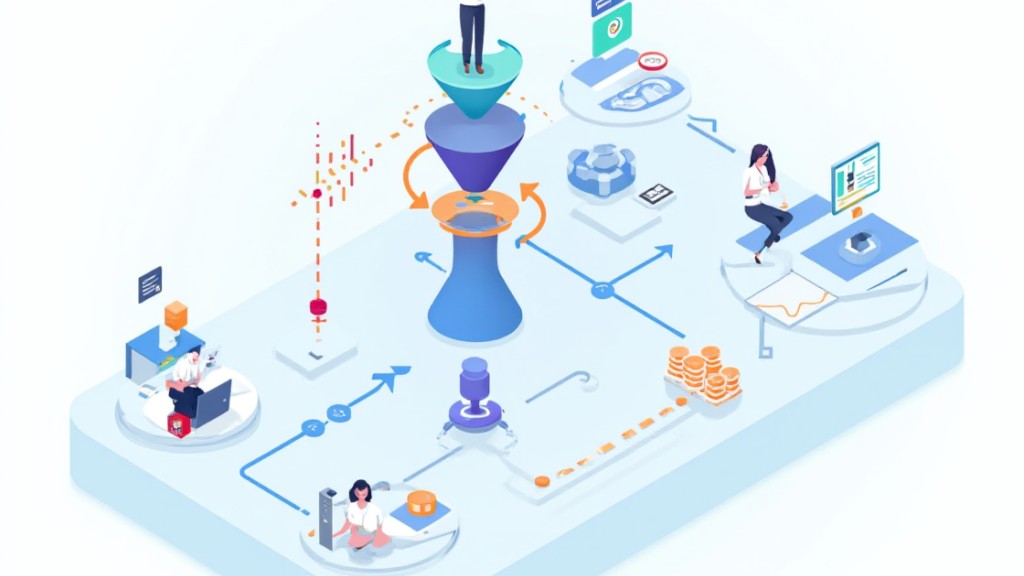
Lead funnels come in various types, each serving a unique purpose in the marketing and sales process. Comprehending these distinctions helps you implement effective strategies customized to different customer segments at various stages of their buying experience.
Here are three main types of lead funnels:
- Lead Generation Funnels: These focus on attracting new leads through methods like content marketing, social media engagement, and paid advertising, often found at the top of the sales funnel.
- Sales Lead Funnels: These nurture both new and existing customers, providing personalized communication and optimizing interactions based on lead scoring to improve conversion possibilities.
- Sales Pipelines: Unlike broader funnels, sales pipelines manage the sales process by tracking individual prospects’ progress, ensuring a more targeted approach to closing deals.
Frequently Asked Questions
What Is the Purpose of a Lead Funnel?
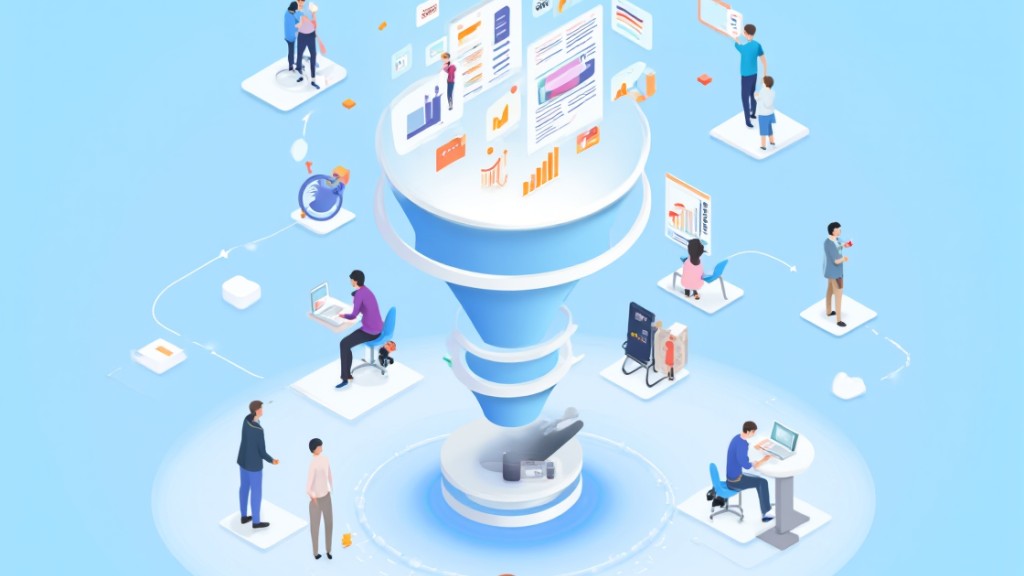
The purpose of a lead funnel is to guide potential customers through a structured process, enhancing their path from awareness to conversion.
It filters and nurtures leads, ensuring that only those genuinely interested progress. By addressing customer needs at each stage—awareness, consideration, and conversion—you improve their experience and increase the likelihood of sales.
Furthermore, a lead funnel helps you gather valuable data, refining your marketing strategies for better engagement and higher conversion rates.
What Is the Lead Process Funnel?
The lead process funnel is a structured approach that guides potential customers through a series of stages, from awareness to conversion.
Initially, you attract prospects by showcasing how your product solves their problems. Next, you nurture these leads with personalized content and demonstrations, helping them evaluate your offerings.
Finally, you streamline the purchasing process with clear calls-to-action and support, aiming to turn interested leads into satisfied, paying customers.
Monitoring key metrics helps optimize this process.
What Does a Lead Funnel Look Like?
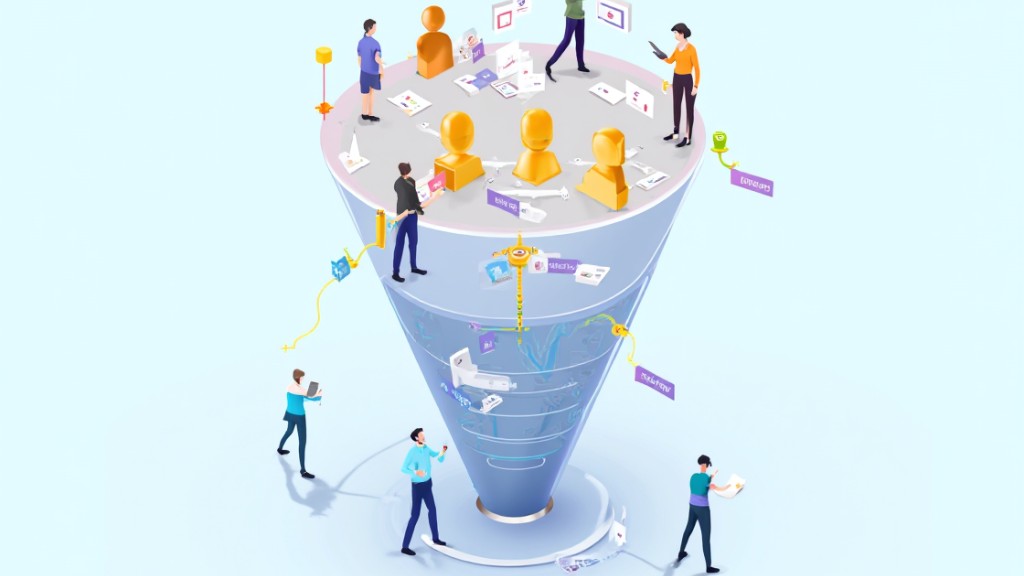
A lead funnel typically looks like an inverted pyramid divided into three main sections.
At the top, you’ll find awareness strategies, like blog posts and social media ads, designed to attract a broad audience.
The middle section focuses on consideration, where you nurture leads with valuable content, such as webinars and case studies.
Finally, at the bottom, conversion strategies, including product demos and targeted calls to action, aim to turn interested leads into paying customers.
How to Create a Lead Funnel?
To create a lead funnel, start by identifying your target audience and comprehending their pain points.
Map out the customer progression, defining actions you want prospects to take at each stage.
Develop valuable content, like ebooks or webinars, that addresses their needs.
Use strong calls-to-action to direct engagement, and continually monitor key metrics such as conversion rates.
Analyze this data to optimize your strategies and improve your lead nurturing efforts effectively.
Conclusion
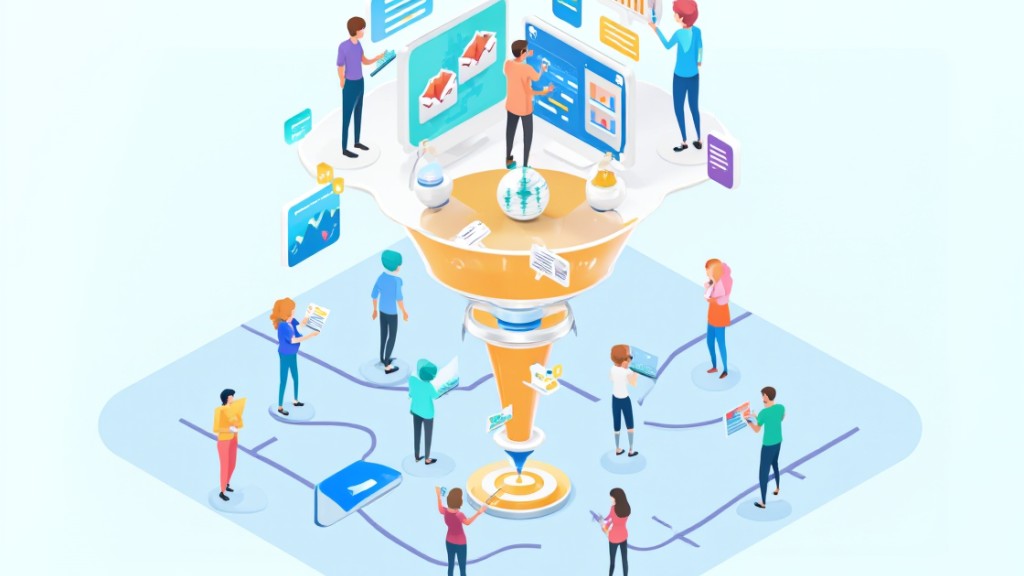
In conclusion, a lead funnel is crucial for directing potential customers through their purchasing process, from awareness to conversion. By comprehending the stages of the funnel and implementing effective strategies, you can cultivate leads and improve your conversion rates. Utilize clear calls-to-action and manage your sales pipeline effectively to optimize results. Following best practices customized for your audience will boost the effectiveness of your lead generation efforts, in the end promoting long-term customer relationships.
Image via Google Gemini