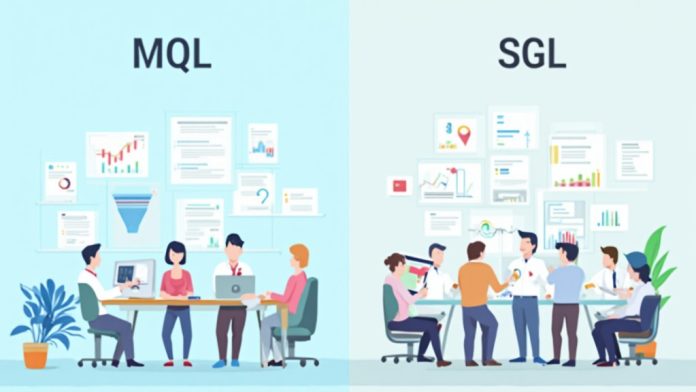
In the realm of grasping lead qualification, distinguishing between MQLs and SQLs is essential for your marketing and sales strategies. MQLs are typically early-stage prospects showing interest through engagement with educational content, whereas SQLs are more advanced leads with a clear intent to purchase. This difference impacts how you approach each group and can greatly affect your conversion rates. Let’s explore the seven key differences that set them apart and help refine your strategies.
Key Takeaways
- MQLs show initial interest in products, while SQLs exhibit a stronger intent to purchase and engage in sales discussions.
- MQLs typically interact with top-of-the-funnel content, whereas SQLs seek bottom-of-the-funnel resources like demos and case studies.
- First-time visitors are generally classified as MQLs, while repeat visitors often qualify as SQLs due to their increased engagement.
- MQLs originate from diverse sources like social media, while SQLs come from targeted channels such as direct outreach and referrals.
- Contact requests indicate readiness to engage, with MQLs making general inquiries and SQLs asking for specific information like pricing or demos.
Intent to Buy

In relation to grasping the intent to buy, the distinction between Marketing Qualified Leads (MQLs) and Sales Qualified Leads (SQLs) is vital.
MQLs show initial interest in your products or services but lack immediate buying intent, often engaging with top-of-the-funnel content like blogs and eBooks. Conversely, SQLs exhibit a higher level of intent to purchase, actively seeking out bottom-of-the-funnel content such as case studies or product demos.
Recognizing the difference between MQL and SQL is significant since SQLs are more likely to convert into paying customers. The SQL meaning in marketing pertains to identifying leads who are closer to making purchasing decisions.
Top-Funnel Vs Bottom-Funnel Content

When you’re creating content for MQLs, focus on top-funnel material like blogs and eBooks that inform and engage without pushing for a sale.
Conversely, SQLs require bottom-funnel content such as case studies and product demos, which help them make informed purchasing decisions.
Comprehending these differences not just improves your content strategy but additionally guarantees you’re effectively nurturing leads at every stage of their path.
MQL Content Strategies
Grasping the distinction between top-funnel and bottom-funnel content strategies is essential for effectively nurturing Marketing Qualified Leads (MQLs). MQL content strategies focus on building awareness through educational resources like blogs and eBooks, capturing interest without immediate buying intent. Conversely, SQL marketing targets leads with specific content that addresses pain points, such as case studies and pricing information, signaling readiness to purchase.
Here’s a quick comparison of MQL and SQL content strategies:
| MQL Content Strategies | SQL Content Strategies |
|---|---|
| Blogs | Case Studies |
| eBooks | Product Demos |
| Infographics | Pricing Information |
| Webinars | Testimonials |
| Newsletters | Consultation Offers |
Transitioning MQLs to SQLs requires personalized content that aligns with their path.
SQL Content Approaches
Grasping the distinction between top-funnel and bottom-funnel content is fundamental for effectively targeting Sales Qualified Leads (SQLs).
MQLs primarily engage with top-funnel content, such as blogs and eBooks, to gather general information. Conversely, SQLs focus on bottom-funnel content like case studies, product demos, and pricing details, as they evaluate their options and approach a purchasing decision.
This difference in content consumption reflects their respective stages in the buyer progression, with MQLs displaying curiosity and SQLs demonstrating intent to buy.
By providing targeted content that aligns with SQLs’ evolving needs, you can successfully nurture them through the sales funnel, optimizing marketing efforts and enhancing the likelihood of conversion.
Grasping these strategies is vital for effective lead management.
Decision-Making Stage

In the decision-making stage, comprehension where your leads fall in their path is crucial for effective marketing and sales strategies.
MQLs are typically gathering information and exploring options, whereas SQLs show readiness to engage in purchasing discussions, indicating a significant difference in their engagement levels.
Evaluating conversion readiness allows you to tailor your outreach efforts, ensuring you connect with leads at the right moment in their decision-making process.
Lead Journey Position
As you navigate the lead path position, it’s vital to recognize that MQLs (Marketing Qualified Leads) and SQLs (Sales Qualified Leads) occupy different stages in the decision-making process.
MQLs are typically in the early phases, focused on gathering information and exploring options without immediate intent to buy. Conversely, SQLs are further along, showing a higher intent to purchase and actively seeking specific information, such as product demos or pricing details.
The shift from MQL to SQL often involves nurturing through customized content that addresses their needs. Effective lead qualification and engagement strategies are fundamental, with conversion rates from MQL to SQL typically ranging between 10% to 20%, highlighting the importance of comprehending each lead’s progression for effective sales and marketing alignment.
Engagement Level Differences
MQLs and SQLs represent distinct engagement levels during the decision-making process, impacting how they interact with your content and brand.
MQLs are typically in the early stages, engaging with top-of-the-funnel content like blogs and eBooks to gather general information. They may be first-time visitors with limited engagement, showing curiosity but lacking immediate buying intent.
Conversely, SQLs are further along in their progress, actively seeking bottom-of-the-funnel content, such as case studies and product demos, which indicates a readiness to purchase. SQLs often demonstrate extensive interaction with relevant content, making them repeat visitors.
Comprehending these engagement differences allows you to optimize lead management strategies and improve conversion rates throughout the sales funnel, ensuring effective communication and customized content for each lead type.
Conversion Readiness Assessment
Grasping conversion readiness is crucial for evaluating where leads stand in their decision-making process. Comprehending the distinction between MQLs and SQLs helps you identify the right strategies to engage leads effectively.
MQLs are typically early in their progression, seeking information, whereas SQLs are closer to making decisions and ready for direct sales engagement.
- MQLs engage with educational content, whereas SQLs focus on product demos and case studies.
- High-intent behaviors, like requesting demos, indicate a lead’s readiness for sales conversations.
- Conversion rates from MQL to SQL range from 10% to 20%, with an average of around 13% in B2B.
Recognizing these differences allows you to align your nurturing strategies and improve sales efficiency.
First Time Vs Repeat Visitor

Comprehending the distinction between first-time and repeat visitors is crucial for effective lead management. First-time visitors are typically categorized as Marketing Qualified Leads (MQLs). They’re in the early stages of the buyer path, gathering information and exploring options. You might notice them engaging with top-of-the-funnel content, such as blogs or eBooks, which helps them learn more about your offerings.
In contrast, repeat visitors often qualify as Sales Qualified Leads (SQLs). Their consistent engagement signals a higher intent to purchase, as they actively seek bottom-of-the-funnel content like case studies or product demos.
This shift from MQL to SQL requires effective nurturing strategies that improve engagement and provide relevant information to guide their decision-making process. By comprehending these differences, you can tailor your marketing and sales strategies more effectively, ensuring that each group receives the appropriate attention to move them closer to conversion.
Conversion/Engagement Count

Comprehending how to measure engagement counts is crucial for effectively managing leads in your marketing strategy. Engagement counts help differentiate MQLs from SQLs, indicating the level of interest and readiness to purchase.
- MQLs are measured by interactions with top-of-the-funnel content, like blog posts and eBooks.
- SQLs engage with bottom-of-the-funnel content, including case studies and pricing inquiries, signaling a deeper interest.
- High-intent behaviors, such as requesting a demo or repeatedly visiting pricing pages, suggest a lead’s readiness to shift from MQL to SQL.
Typically, the conversion rate from MQL to SQL ranges from 10% to 20%, with B2B SaaS averaging around 13%.
Referral Channel

Referral channels play an important role in determining the quality and readiness of leads in your marketing strategy. MQLs often arise from diverse sources like social media, email marketing, and general website traffic, indicating a broad interest in your brand. These leads typically demonstrate curiosity but lack strong intent to purchase.
Conversely, SQLs originate from more targeted channels, such as direct outreach and referrals from trusted sources. This reflects a stronger intent to buy, making them more valuable for your sales efforts.
Understanding the performance of these channels is vital for optimizing your marketing strategies. The effectiveness of referral sources can vary greatly by industry and buyer persona.
Contact Requests

When evaluating leads, contact requests serve as a crucial indicator of a prospect’s readiness to engage with your sales team. MQLs usually submit general inquiries or download resources, whereas SQLs demonstrate stronger buying intent by requesting specific information, like pricing, demos, or consultations.
Recognizing these differences can streamline your lead qualification process and improve your team’s efficiency.
- MQLs often engage with marketing content but lack direct sales intent.
- SQLs actively seek detailed information and are ready for sales conversations.
- Effective lead scoring systems prioritize SQLs based on the nature of their contact requests.
Frequently Asked Questions

How Do MQLS and SQLS Impact Sales Forecasting?
MQLs and SQLs greatly impact sales forecasting by influencing conversion rates and pipeline accuracy.
MQLs represent potential interest, but they don’t guarantee sales; therefore, comprehending their behavior helps predict future sales opportunities.
Conversely, SQLs display readiness to engage and purchase, providing a clearer picture of expected revenue.
Accurately classifying and nurturing these leads allows you to refine forecasts, allocate resources more effectively, and improve overall sales strategies.
What Tools Help Track MQL and SQL Progression?
To track MQL and SQL progression effectively, utilize tools like CRM systems such as Salesforce or HubSpot, which provide lead tracking and scoring features.
Marketing automation platforms, like Marketo or Pardot, help manage campaigns and analyze engagement metrics.
Moreover, lead scoring systems can quantify lead readiness based on interactions.
These tools promote alignment between marketing and sales, ensuring you can efficiently nurture leads and identify when they shift from MQL to SQL.
Can MQLS Become SQLS Without Direct Engagement?
Yes, MQLs can become SQLs without direct engagement, primarily through behavioral signals.
If they consistently interact with your content, such as downloading resources or visiting pricing pages, it indicates growing interest.
Automated lead scoring systems can track these actions, helping you identify when a MQL is ready for sales engagement.
What Are Common Mistakes in Distinguishing MQLS From SQLS?
Common mistakes in distinguishing MQLs from SQLs include assuming all engaged leads are ready to buy, overlooking behavioral signals that indicate intent, and failing to establish a clear lead scoring system.
Misclassifying leads can waste resources and hinder sales efforts. Furthermore, not nurturing MQLs properly before shifting them to SQLs can lead to missed opportunities.
Regular communication between marketing and sales teams is essential for accurately qualifying leads and ensuring effective follow-up.
How Often Should MQL to SQL Conversion Rates Be Reviewed?
You should review MQL to SQL conversion rates regularly, ideally monthly or quarterly.
This frequency allows you to identify trends and make necessary adjustments to your marketing strategies.
Monitoring these rates helps you understand lead quality and the effectiveness of your nurturing efforts.
Conclusion

Comprehending the differences between MQLs and SQLs is essential for optimizing your sales and marketing strategies. MQLs represent early-stage interest, engaging with content but lacking immediate intent to purchase, whereas SQLs are further along, ready to make decisions and often seeking specific product information. By recognizing these distinctions, you can tailor your approach, ensuring that you nurture leads effectively and improve your conversion rates. This clarity helps align your marketing efforts with the needs of your prospects.
Image via Google Gemini