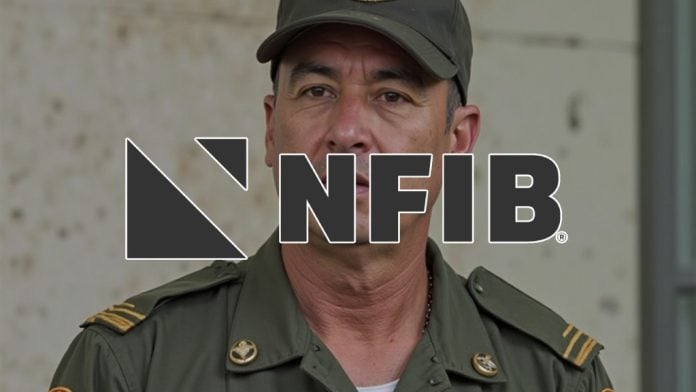
A former Cuban military sergeant has become a significant cautionary tale for small business owners in Iowa and across the nation. Yovany Ciero, 48, was sentenced to four years in federal prison for orchestrating a fraudulent scheme to obtain Paycheck Protection Program (PPP) loans, underscoring ongoing risks associated with pandemic-related financial relief measures.
Ciero’s conviction, which included multiple counts of wire fraud and money laundering, serves as a crucial reminder for small business owners to maintain vigilance and ethical standards in their financial dealings. The trial unveiled a scheme that not only impacted the integrity of the PPP but also highlighted the vulnerabilities within the program during a time of unprecedented economic hardship.
What happened in this case speaks directly to the realities small businesses may face. Ciero, who worked at a meatpacking plant in Algona, Iowa, recruited over a hundred fellow immigrants from Cuba to submit fraudulent PPP applications, falsely claiming self-employment income of approximately $100,000 in 2019. The reality for most involved was far different, as they were employed at the plant or elsewhere, earning much less.
The scheme resulted in more than $4 million in fraudulent applications, costing the government over $2.4 million in losses. In his role as a "bundler," Ciero collected personal information from individuals for loan applications, profiting tremendously by charging $3,000 fees per $20,000 loan. He even secured fraudulent loans for personal use, including a semi-truck and a home in Mason City.
Implications for small business owners are clear. With funding programs like PPP designed to assist businesses during crises, there’s a temptation for unethical practices through misrepresentation. The Ciero case illustrates just how severely such actions can be punished, as he now faces a two-year supervised release post-incarceration, with restitution obligations back to the SBA.
"Integrity is essential in business, more so when engaging with government programs that are meant to support us in challenging times," stated Timothy L. Vavricek, one of the prosecuting attorneys involved in the case. "Fraud not only harms the system but ultimately detracts from those who genuinely need the assistance."
While the benefits of programs like PPP were designed to offer relief to struggling businesses, the potential for fraudulent activities led to heightened scrutiny and prosecution measures that small businesses must now navigate. Business owners should recognize the importance of following protocols rigorously and ensuring that all applications for financial aid are accurate and truthful.
Moreover, the legal consequences extend beyond just financial penalties. Four other defendants from the same Iowa meatpacking plant have also been sentenced for similar charges, emphasizing the broader challenge of fraud in financial relief programs. Small businesses must stay informed about compliance regulations to avoid becoming unwitting participants in fraudulent schemes.
For those looking to benefit from federal funding, it’s crucial to establish transparent practices within their operations. This reality adds complexity to the landscape for small businesses, especially in competitive industries where financial assistance can be a lifeline. Ensuring that all employees are educated on compliance and ethical standards pertaining to financial applications is pivotal.
The Ciero sentencing marks a significant moment in spotlighting how far-reaching the implications of fraudulent behavior can be, particularly in programs meant for economic recovery. As the business landscape continues to evolve post-pandemic, maintaining ethical business practices should remain a top priority.
Small businesses, particularly those involved in industries vulnerable to financial distress, must keep these lessons in mind as they navigate future financial opportunities. Engaging with the proper channels and ensuring transparency in all dealings will help sustain the integrity of the programs designed to support their growth.
For more detailed information about this case, please visit the original U.S. Department of Justice press release here. Additional context and insights can also be found through the SBA OIG email updates.
Image Via BizSugar