At the recent British Educational Training and Technology (BETT) conference, Google unveiled a suite of new AI-powered solutions aimed at revolutionizing classroom experiences for both educators and students. Emphasizing the need for adaptive learning environments, ChromeOS is evolving to meet the dynamic needs of education. Small business owners, particularly those in the educational technology sector, will find these developments particularly relevant as they navigate tools that enhance classroom engagement and learning outcomes.
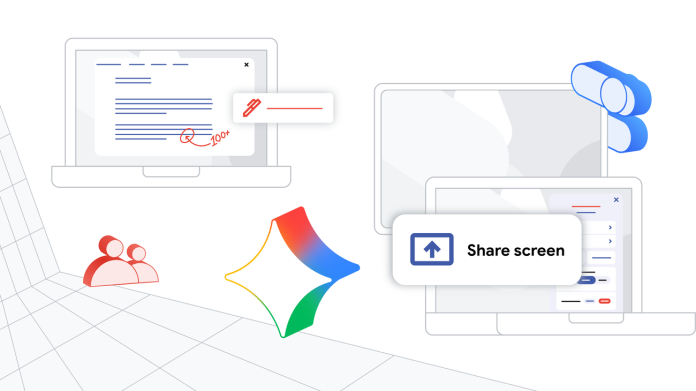
Google’s enhanced Class tools are at the forefront of these innovations. Last year, the company introduced these features, which include real-time control and engagement capabilities for managed Chromebooks via Google Workspace for Education Plus. Building on this foundation, the latest updates promise even higher levels of interactivity. With the introduction of a new class tools display app, educators can mirror their screens, enabling smooth transitions when sharing content in real-time.
The ability to showcase a student’s work on a classroom display adds a new dimension to peer learning. “With just a few clicks, teachers can now mirror their own or a student’s screen to the classroom display,” the announcement emphasizes. This functionality encourages collaboration and opens avenues for discussions around challenges or noteworthy achievements. Small business owners can leverage these features in their own products, targeting school districts looking to maximize engagement through innovative technology.
Another notable enhancement is the screen annotation capability. Educators can now highlight key information right on their screens, whether they are presenting lessons or providing instructions. This contributes to focused learning environments and ensures that students remain engaged and attentive. For small businesses focused on educational content creation or software development, this capability presents opportunities to create tools that integrate seamlessly with Google’s Class tools.
However, amid the excitement, there are practical considerations that small business owners should keep in mind. As classroom dynamics become more technology-driven, maintaining the balance between tech usage and traditional teaching methods will be crucial. While these tools enhance interaction, they also require a degree of technological proficiency from both educators and students. Businesses must contemplate how their products support user training and adoption among varied skill levels in educational settings.
Moreover, as schools adopt these innovations, small businesses looking to enter this space should consider the competitive landscape. The accelerated adoption of technology in classrooms means that educational solutions must not only be effective but also easy to implement and use. Understanding educators’ needs will be vital as small businesses innovate their offerings.
In addition, data privacy and security remain significant concerns in educational environments. Small business owners in this sector must ensure that their tools comply with regulations protecting student information. As schools seek to embrace new technologies, solutions that prioritize security and privacy will not only attract customers but also foster trust within educational communities.
The integration of these sophisticated educational tools signals a shift toward creating more engaged, collaborative learning environments. As small business owners, taking advantage of Google’s advancements presents avenues for growth, whether through direct product integration or by developing complementary solutions that enhance the overall learning experience.
For those interested in the complete details of Google’s enhanced offerings for educational settings, further information can be found in their original announcement here. Staying informed about such innovations can empower small business owners to make informed decisions and capitalize on opportunities in the ever-evolving education landscape.
Image Via Chromebook