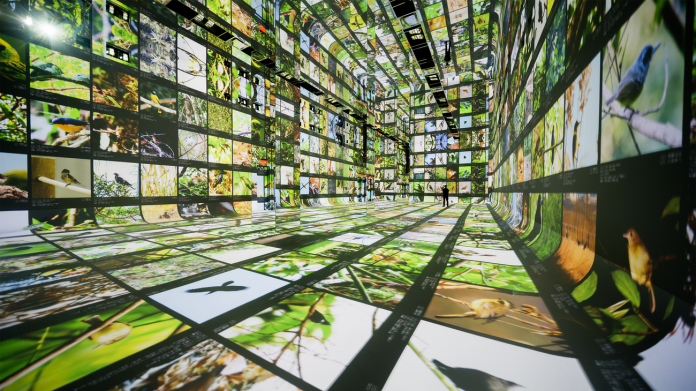
In a bold move to foster innovation within the creative community, Google Arts & Culture has launched the Dataland AI Art Museum alongside its new Dataland AI Artist Residency program. This initiative aims to empower the next generation of digital creators by providing them with essential resources to explore the intersection of machine intelligence and traditional artistry.
For small business owners, particularly those in the creative sectors, this development offers immediate opportunities. The residency program, running for six months, will provide four selected artists with $25,000 in funding, mentorship from the esteemed Refik Anadol Studio, and direct access to sophisticated Google Cloud tools and machine learning models. This holistic support not only amplifies individual artist capabilities but also enriches the broader creative ecosystem.
"Opening up advanced tools allows the broader creative community to actively shape them," said a representative from Google Arts & Culture. This perspective underscores that leveraging technology—when combined with human creativity—can elevate artistic expression and innovation.
The Dataland initiative serves as a launchpad, aiming to create a new landscape where art meets cutting-edge technology. For small businesses operating in art, design, or media, engaging with these advancements can offer a crucial competitive edge. By harnessing AI and advanced digital arts, small business owners can enhance their offerings, attract a new customer base, and create distinct brand narratives that resonate in an increasingly digital world.
Real-world applications abound. Imagine a graphic design firm utilizing machine learning algorithms to streamline workflow and produce unique, personalized content for clients. Similarly, visual artists can expand their reach and engage audiences through immersive digital exhibitions. Utilizing AI allows for innovative approaches, enabling artists to reinterpret their work and reach wider audiences—in effect becoming more than just creators but also tech-savvy entrepreneurs.
However, potential challenges do merit consideration. For small businesses with limited budgets and technical expertise, the upfront investment in training and technology can seem daunting. Understanding and integrating these advanced tools may require not just financial resources, but also time and skilled personnel. It is crucial for small business owners to weigh the benefits of these innovations against their current operational capabilities.
Moreover, the rapid pace of technological evolution means that what is cutting-edge today may be outdated tomorrow. Keeping up with advancements in digital tools is essential but can demand significant commitment. Small business owners must remain adaptable and proactive, ready to pivot as new opportunities arise.
As the Dataland project develops, its impact on the creative sphere is likely to grow, potentially setting benchmarks for future artistic endeavors. For those interested in exploring these ideas further, a detailed Google Cloud customer case study about the technology behind the museum is available, providing insights into practical applications and successes of similar projects.
Attending the Dataland AI Art Museum, even virtually, can inspire small business owners by showcasing what is possible when art and technology intersect. The museum offers a platform where visitors can witness the evolution of creativity influenced by AI, making it a worthwhile experience for those eager to innovate.
This initiative not only highlights the importance of technology in expanding creative boundaries but also serves as a reminder of the potential rewards lying in collaboration with technology leaders. Small business owners who seize this moment to explore these tools may find themselves at the forefront of a new artistic revolution.
To learn more about the Dataland AI Art Museum and the artist residency, visit the original post here.
Image Via Gemini