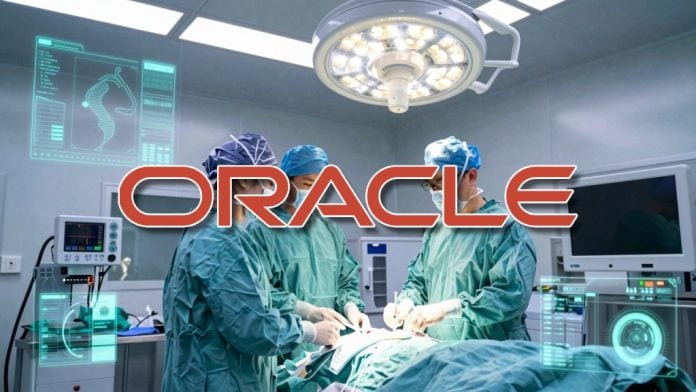
In a significant leap for surgical documentation, Oracle Health has partnered with Theator to integrate AI-powered surgical intelligence solutions into operating rooms across the U.S. This collaboration is poised to revolutionize how surgical teams document procedures, enhancing both clinical accuracy and operational efficiency.
One of the most pressing challenges for surgical teams is the intense time pressure they face during operations. With pre- and post-surgical duties often consuming critical time, documenting surgical procedures reliably becomes almost an afterthought. Traditional operative reports, which are crafted from memory hours or even days after the surgery, often lack the precision and detail needed. Research from the Journal of the American College of Surgeons reveals that memory-based reports achieve an accuracy of only 72.8%. Recognizing this gap, Oracle Health and Theator are deploying AI to streamline documentation — a move that could drastically improve the quality of surgical records.
“Clinical documentation has reached almost every setting in medicine, but it has stopped at the door of the operating room,” said Seema Verma, executive vice president and general manager of Oracle Health and Life Sciences. This sentiment underscores the need for a more systematic approach to surgical documentation, which the partnership aims to address.
Theator’s technology captures high-definition surgical videos and employs AI for real-time analysis. It understands procedural nuances by identifying each step and recognizing clinical milestones. By the time a surgeon finishes an operation, the AI-powered system generates a structured operative report, allowing for immediate review and sign-off. This efficiency not only alleviates the cognitive burden on surgeons but also improves overall documentation accuracy.
For health systems, this development means surgical reports can flow seamlessly into existing electronic health record (EHR) systems. The integration is facilitated by Theator’s Surgery-to-Text® platform, which operates on Oracle Cloud Infrastructure (OCI). This dual-platform approach ensures that documentation is both accurate and integrated into financial systems, leading to reduced coding gaps and a more reliable financial landscape.
Tamir Wolf, MD, PhD, CEO of Theator, emphasized the transformative potential of this partnership: “That is the inflection point. When surgical data flows into the EHR with the same structure and reliability as every other clinical encounter, you unlock capabilities that were never possible before.” This could pave the way for enhanced system-wide quality benchmarking and real-time safety intelligence.
As compelling as these advancements are, small business owners in the healthcare sector should consider the practical applications of this technology alongside its benefits. Implementing AI-driven solutions may require investment in infrastructure and training staff to adapt to new workflows. While the partnership aims for seamless integration, any shift in technology presents challenges, from potential initial costs to the need for ongoing support and maintenance.
It’s crucial for small business owners to weigh the immediate advantages against these potential hurdles. With documentation accuracy confirmed to decrease drastically, the value of investing in a solution like Theator’s could justify the upfront costs. Already deployed in prominent medical institutions like the Mayo Clinic and UHealth Miami, Theator’s solutions have analyzed over 600,000 procedures.
Moreover, Oracle and Theator’s collaboration could lead to heightened patient safety and quality of care, critical metrics that increasingly define healthcare success. By enhancing documentation and compliance, providers could also see a positive impact on revenue integrity—yet another benefit worth noting for small business owners managing healthcare facilities.
As this partnership prepares to roll out its AI-powered solutions, ongoing education and support for surgical teams will be essential. With the promise of improved accuracy and systematic data flow, the future of surgical documentation appears more streamlined, reducing the burden on surgeons while maintaining compliance and enhancing overall patient care.
For more details, visit the Oracle press release.
Image Via BizSugar