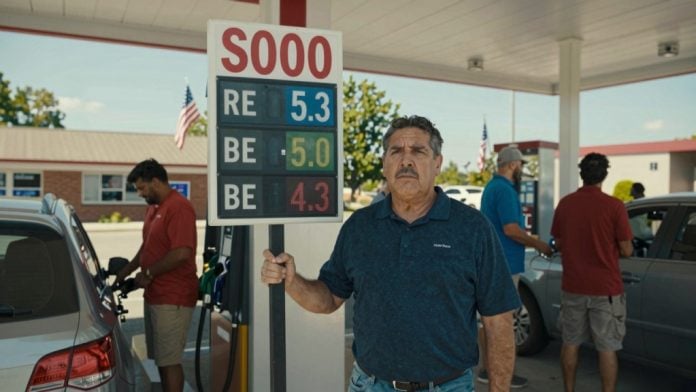
As gasoline prices continue to rise across the United States, small business owners face both challenges and opportunities that come with this shift in the market. Recent reports indicate that average retail gasoline prices hit $4.49 per gallon on May 18, a staggering 42% increase from a year ago. For small businesses, the implications of fluctuating fuel costs are significant and multifaceted.
Increasing crude oil prices, attributed mainly to geopolitical tensions and the de facto closure of the Strait of Hormuz, have been a primary driver behind the surge in gasoline prices. Since crude oil typically accounts for roughly half of the retail gasoline price, understanding this dynamic is crucial for business owners who rely on transportation for their operations.
One factor contributing to local price variations is the regional dynamics of supply and demand. For instance, prices in the Midwest averaged $4.40 per gallon, while those in the Rocky Mountain region hit $4.59 per gallon, both reflecting respective increases of 45% and 47% compared to the previous year. Small businesses in these areas can expect higher transportation costs, which may affect their bottom line and pricing strategies.
Refinery outages in key states like Illinois, Indiana, and Colorado have exacerbated the supply issues, leading to temporary price spikes. Phillip 66’s Wood River refinery and BP’s Whiting refinery have recently undergone maintenance, causing disruptions that ripple through local fuel markets. Small businesses that depend heavily on delivery services or logistics might face delays or increased costs that could impact customer satisfaction.
For those based in the West Coast, prices are particularly challenging due to the region’s limited refining capacity and elevated state taxes. On May 18, West Coast gasoline prices reached an average of $5.61 per gallon—a 31% increase from last year. Small business owners in this region have to navigate not just moody gasoline prices but also higher operational costs and limited alternatives for sourcing fuel.
Conversely, the Gulf Coast remains more favorable for small businesses, boasting the lowest gasoline prices at around $3.95 per gallon, due to its abundant refining capacity and lower taxes. This may present a competitive advantage for delivery-focused businesses in the area. However, as regional variations become more pronounced, companies operating in multiple states will need to be strategic in their supply chain and pricing approaches.
To address escalating costs, the U.S. government has implemented measures such as releasing crude oil from the Strategic Petroleum Reserve and temporarily allowing the sale of E15 gasoline. These actions aim to stabilize fuel prices during peak travel seasons, like the upcoming Memorial Day weekend when the American Automobile Association estimates that 39.1 million Americans will travel by car. For small businesses in the hospitality and retail sectors, this surge in travel could lead to increased foot traffic and sales opportunities, assuming they can manage rising supply costs effectively.
While the measures taken provide some relief, challenges remain. Business owners need to stay vigilant about market changes, as the recent rise in oil prices reflects a broader vulnerability to international disturbances and supply chain disruptions. Companies that operate in logistics or rely on transportation for their services may want to consider adjusting their pricing structures or exploring alternative transport options to mitigate these effects.
These modern complications of energy pricing necessitate a proactive approach. Small business owners can prepare by evaluating their transportation needs, finding strategic partners for fuel supply, and considering investing in fuel-efficient technologies or alternative energy sources.
Understanding the factors driving gasoline price changes will enable small businesses to make informed decisions, whether they are managing increased transport costs or strategically taking advantage of seasonal customer influxes during holidays. The road ahead may be bumpy, but those staying informed and adaptable can navigate the challenges successfully.
For further details on this topic, visit the U.S. Energy Information Administration’s original report here.
Image Via BizSugar