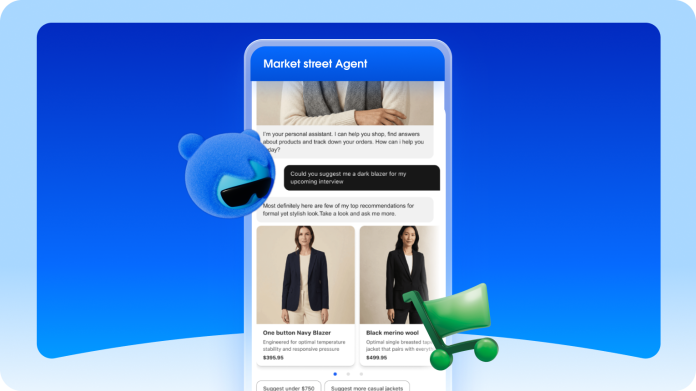
In an era where artificial intelligence (AI) is reshaping commerce, Salesforce has launched a suite of innovative tools—Shopper Agent, Buyer Agent, and Merchant Agent—to help small businesses navigate this evolving landscape. These tools, now available and seamlessly integrated with platforms like ChatGPT, are not just about enhancing customer experience; they represent a profound shift in how businesses can operate more efficiently and effectively.
This holiday season, AI influenced a staggering 20% of global online sales, amounting to approximately $262 billion. Retailers leveraging their Shopper Agents saw a remarkable 59% faster sales growth compared to those who did not. This pattern suggests that small business owners cannot afford to ignore the power of AI in driving sales and improving customer engagement.
The underlying principle of this new "agentic commerce" is that it goes beyond traditional shopping experiences. Rather than merely facilitating transactions, these AI agents integrate with a company’s existing systems to manage inventory, service issues, and customer interactions—all while maintaining the brand’s voice and identity. Salesforce’s strength lies in its ability to combine comprehensive business logic with customer data, ensuring that these AI-driven conversations lead to genuine customer relationships.
One of the standout features is the Shopper Agent, which enhances a storefront’s conversational capabilities. Imagine a customer asking, “Can I get these trail shoes delivered before my flight Saturday morning?” The Shopper Agent can check inventory, confirm shipping details, and complete the sale—all in one fluid dialogue. This tool aims to replicate the experience customers expect from AI assistants while enabling small business owners to retain control over their brand interaction.
The Buyer Agent also offers significant implications for B2B operations, facilitating procurement through familiar platforms like WhatsApp and SMS. This means a buyer can simply text an order—no portals or logins required. For small businesses, this simplicity could mean faster, more efficient procurement cycles, allowing owners to focus on strategic growth rather than administrative hurdles.
Salesforce has also made strides in integrating with major platforms such as Google and ChatGPT, allowing businesses to connect their product catalogs directly to popular search engines. This strategic move ensures that when customers search for products via AI-driven platforms, they can be directed back to owned channels like their website or app—crucial for maintaining brand identity and customer data integrity.
However, small business owners might face challenges when implementing these technologies. The shift from traditional selling models to AI-driven commerce requires not just investment but also a mindset change within the organization. It may necessitate rethinking workflows and retraining staff to leverage these AI tools effectively.
Furthermore, while these tools aim to streamline operations, the complexities of integrating AI with existing business systems cannot be underestimated. Owners must remain vigilant about data management and may need to reassess their technology stack to ensure a seamless transition, particularly in the realms of inventory management and customer relationship management.
Early adopters of these AI implementations are already reporting double-digit increases in conversion rates, indicating significant potential for small businesses willing to venture into agentic commerce. As Nitin Mangtani, EVP & GM of Agentforce Commerce, puts it, “The brands that win will have their Shopper Agent live on their own properties for the 2026 shopping season.”
With features like a unified catalog across all sales channels and intelligent order management capabilities, the tools promise a more cohesive approach to customer service. The Merchant Agent aids back-office operations, allowing teams to manage inventory and respond to trends using natural language—effectively reducing the time spent on manual tasks by up to 88%. This kind of efficiency can free up time for small business owners to innovate and expand.
As companies prepare for the agentic era, they are advised to consider partnerships with tech specialists to navigate this new landscape. The ability to connect with established networks of industry partners may provide much-needed support and implementation speed, allowing small businesses to catch up with larger competitors.
The launch of these AI-driven tools marks a pivotal moment for small businesses, allowing them to engage with customers and streamline operations in previously unimaginable ways. Embracing this change may very well determine their future success in an increasingly competitive marketplace.
For more detailed information on this launch, you can visit the original post here.
Image Via Salesforce