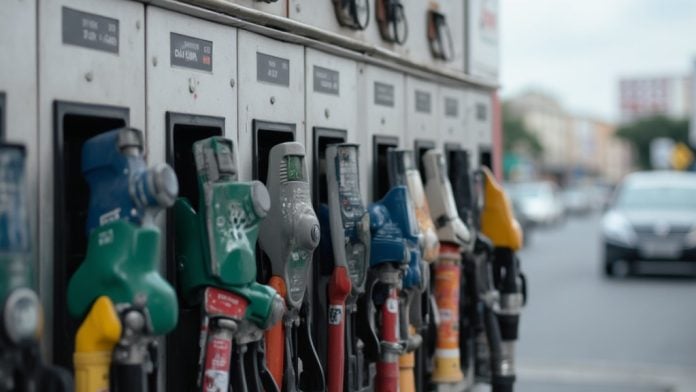
On December 1, 2025, the average retail price of regular gasoline in the United States dipped below $3.00 per gallon, settling at $2.98 per gallon, according to the Energy Information Administration (EIA). This marks a significant milestone, as it’s the lowest inflation-adjusted price for gasoline since February 2021. For small business owners, this dramatic price drop offers both opportunities and challenges.
As fuel costs impact a wide range of industries—from transportation to manufacturing—understanding the implications of this price change is crucial. With crude oil prices falling, the decrease in gasoline costs brings immediate relief for businesses reliant on transportation. For delivery services, courier companies, and logistics firms, lower fueling expenses can boost profit margins and provide flexibility in pricing strategies.
“Our analysis indicates that falling crude oil prices, which traditionally comprise about half of retail gasoline prices, are directly linked to the decrease consumers are currently seeing at the pump,” says Kim Peterson, a principal contributor at EIA. Small businesses that depend on vehicle operations may find immediate advantages in their budgeting and overall operational costs.
Geographically, the impact of these price changes is not uniform. On the same day, U.S. gasoline prices varied widely by region; a low price of $2.55 per gallon was recorded on the Gulf Coast, while the West Coast experienced prices as high as $4.03 per gallon. This disparity could influence small business decisions related to supplier contracts, logistics, and operational hubs. Enterprises operating in regionally cheaper areas might seize opportunities to expand service areas or increase delivery frequency at lower costs, while those in regions with higher prices might need to reassess their pricing structures to stay competitive.
Moreover, businesses involved in fuel-dependent activities may consider locking in fuel prices or utilizing fuel efficiency strategies to counteract regional volatility. Implementing route optimization or investing in fuel-efficient vehicles can further mitigate fuel expenditure over time, providing a buffer against potential future price surges.
However, the drop in prices is not without potential challenges. For small businesses, particularly those in industries affected by fluctuating fuel costs, maintaining price stability can become a delicate balancing act. A decline in fuel prices might spur increased consumer demand, which could lead to greater operational strain for businesses already managing tight resources.
It is also crucial for small businesses to stay attuned to broader economic indicators that might affect fuel prices in the future. Regulatory changes, market speculation, and shifts in crude oil production can rapidly alter the landscape. Thus, businesses should not only take advantage of lower prices but remain vigilant about potential upswings that could occur with changes in supply chains or geopolitical tensions.
The current gasoline price drop presents a time-sensitive opportunity for small business owners. By considering factors such as geographic pricing differences and operational efficiencies, business leaders can make informed decisions that capitalize on lower fuel costs while preparing for inevitable market fluctuations.
As we move forward, small businesses stand at a crossroads where strategic decisions can either leverage current gasoline prices for growth or potentially navigate emerging challenges that come with the ever-volatile energy market. For a deeper understanding of this development, visit the original release at the EIA’s website here.
Image Via BizSugar