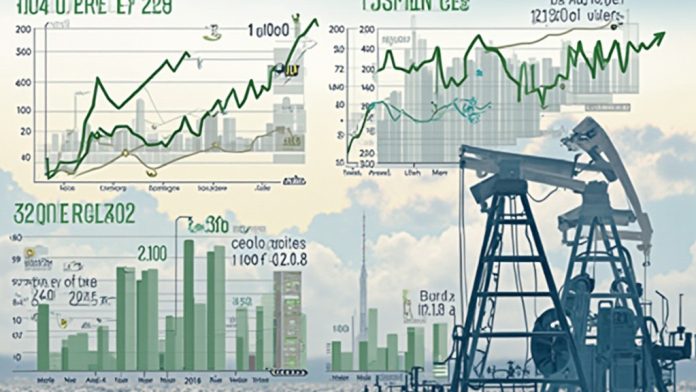
Retail gasoline prices in the United States are projected to drop over the next two years, presenting both potential savings and challenges for small business owners. According to the latest Short-Term Energy Outlook, published by the U.S. Energy Information Administration (EIA) on January 20, 2026, gasoline prices will decrease by 6% in 2026, before seeing a small uptick of 1% in 2027. This trend comes after a period characterized by historically high prices, with a peak of $5 per gallon in mid-2022.
The benefits for small businesses are clear: reduced gasoline prices can lower operational costs, especially for companies relying on transportation—delivery services, trucking, and field-based businesses will particularly feel the impact. Lower fuel prices can translate into increased profit margins and the ability to pass savings onto customers, potentially boosting sales.
However, this forecast comes with some caveats. The EIA notes that while gasoline prices are expected to fall overall, variations exist by region. For instance, the West Coast region, which has consistently held the highest average gasoline prices in the country, may experience slower price declines due to impending refinery capacity losses. Consequently, area businesses might find themselves contending with higher gasoline margins, particularly in nominal terms. Conversely, the Gulf Coast is projected to maintain the lowest gasoline prices, a fact that could favor small businesses operating in that region.
In examining regional forecasts, it’s important to note the EIA’s expectation that every region will see lower gasoline prices in 2026, despite an anticipated increase in 2027. Businesses in the Midwest can expect some relief as well, likely benefiting from lower operational costs due to reduced gasoline prices.
The EIA attributes the overall drop in gasoline prices to a few key factors, predominantly the dynamics of global crude oil pricing. The agency projects crude oil supply will outstrip demand, further contributing to lowering fuel costs. Historically, crude oil prices have accounted for more than 50% of retail gasoline prices. However, it is anticipated that by 2026, this contribution will decrease to below 45%. This shift leaves small businesses hopeful for more stable and predictable pricing in the future.
The forecast does carry a note of caution. Smaller companies must stay aware of fluctuations in refinery production and gasoline inventories, as these can influence prices. The EIA predicts an increase in gasoline crack spreads—essentially the profit margin between crude oil and gasoline prices—over the next two years. This increase suggests that while retail prices may drop, refining profitability could remain tight, potentially impacting gasoline availability, especially in certain markets.
“Crack spreads will be more than they were in the previous two years,” stated Kevin Hack, the principal contributor of the report. Small business owners should remain vigilant about potential supply constraints linked to reduced refinery capacities, particularly if they operate in or around the West Coast.
Moreover, as businesses plan for the upcoming years, they should consider the implications of fluctuating energy prices on their overall budgeting and pricing strategies. Businesses that rely heavily on transportation might want to explore fuel cost management strategies, including fixed-rate fuel agreements or investment in fuel-efficient vehicles, to mitigate the impacts of any potential price increases.
In summary, while the projected decrease in gasoline prices offers a welcome reprieve for many small businesses, regional disparities and refinery capacity issues warrant cautious optimism. By staying informed and adapting to the evolving energy landscape, small business owners can better navigate these changes, maximizing benefits while managing associated risks. For further information on the forecast, visit the original EIA report here.
Image Via BizSugar