
In terms of improving workflow efficiency, utilizing business process analysis templates can be a game-changer for your organization. These templates, including flowcharts and SIPOC diagrams, offer visual insights into your processes, helping you pinpoint inefficiencies and clarify roles. By implementing these tools, you can boost collaboration and communication within your team. Comprehending these templates can lead to better project outcomes, and exploring each one will reveal how they can particularly benefit your operations.
Key Takeaways

- Flowchart templates offer a visual outline of processes, helping to identify inefficiencies and clarify roles within workflows.
- Process map templates provide a detailed representation of individual workflow steps, promoting cross-functional collaboration and standardization.
- SIPOC templates simplify complex workflows by outlining suppliers, inputs, processes, outputs, and customers to enhance stakeholder communication.
- Service blueprint templates detail customer and employee interactions, identifying pain points to improve service quality and satisfaction.
- Standard operating procedure templates ensure consistent task performance, reducing errors and training time while promoting compliance and quality assurance.
Flowchart Template

A flowchart template is an essential tool that visually outlines a process or workflow, using standardized symbols and directional arrows to represent each step clearly. This as-is diagram helps you break down complex operations into manageable components, making it easier to identify inefficiencies, redundancies, and potential bottlenecks.
When you apply a business process analysis template, you can customize flowcharts to fit various industries and specific needs, enhancing their versatility. These diagrams are particularly valuable during process analysis and improvement initiatives, as they clarify roles and responsibilities for team members.
Process Map Template

When you need to gain a thorough grasp of a specific workflow, using a Process Map Template can be incredibly advantageous. This detailed diagram outlines individual steps, roles, inputs, and outputs within a workflow, giving you a clear visual representation of how work is performed.
By examining the as is processes, you can identify inefficiencies and standardize procedures, leading to smoother operations. The template’s ability to illustrate asis and tobe states enables you to visualize current practices alongside desired outcomes, which aids in problem-solving and strategy development.
Furthermore, it encourages cross-functional collaboration, making it easier for teams to comprehend their roles and interactions within complex environments. Since Process Map Templates are customizable, they can be modified to various industries, enhancing their applicability.
Service Blueprint Template

Building on the understanding gained from Process Map Templates, the Service Blueprint Template offers a focused approach to visualizing the interactions between customers and service providers. This as is to be template maps out customer actions alongside employee interactions and supporting processes, creating a thorough view of the service experience.
By detailing both frontstage and backstage actions, you can identify pain points and service gaps that impact customer satisfaction. Moreover, this template promotes alignment among cross-functional teams, visualizing responsibilities and handoffs, which improves communication and collaboration during service delivery.
It highlights critical touchpoints in the customer pathway, assisting organizations in enhancing service quality and optimizing operational efficiency. The Service Blueprint Template is adaptable for various industries, including Marriott, healthcare, and Walmart, making it a versatile tool for improving customer experiences across diverse service environments.
SIPOC Template

The SIPOC template serves as an essential high-level process mapping tool that simplifies complex workflows into five key components: Suppliers, Inputs, Process, Outputs, and Customers. By providing a structured format, it helps you visualize the entire process, making it easier to communicate with stakeholders.
This clarity is especially important during process improvement initiatives, as it aligns everyone on scope, expectations, and responsibilities.
Using the SIPOC template, your team can identify gaps in the workflow and clarify roles, ensuring that all participants understand their contributions. Its versatility allows customization for various industries and applications, making it suitable for diverse project types.
Particularly in cross-functional environments, SIPOC improves communication about processes, promoting better collaboration. In the end, this tool streamlines operations, increases efficiency, and supports a more organized approach to managing workflows, making it an invaluable asset for any organization aiming to improve performance.
Standard Operating Procedure Template

A Standard Operating Procedure (SOP) Template is vital for any organization seeking to guarantee consistent performance across its operations. This structured document outlines the step-by-step instructions necessary for routine tasks, securing both quality assurance and uniformity.
Typically, SOP templates include sections for purpose, scope, responsibilities, and detailed instructions. These elements make the templates invaluable for training new employees as well as minimizing errors in process execution.
By standardizing procedures, you help maintain compliance with industry regulations and operational best practices, especially in regulated sectors like healthcare and manufacturing.
Utilizing an SOP template can greatly reduce training time by providing clear guidelines, thereby enhancing operational efficiency and productivity.
Additionally, regularly updating these templates promotes continuous improvement, reflecting any changes in processes or regulatory requirements. This adaptability guarantees your organization remains agile and responsive to evolving business needs, ultimately supporting long-term success.
RACI Matrix Template
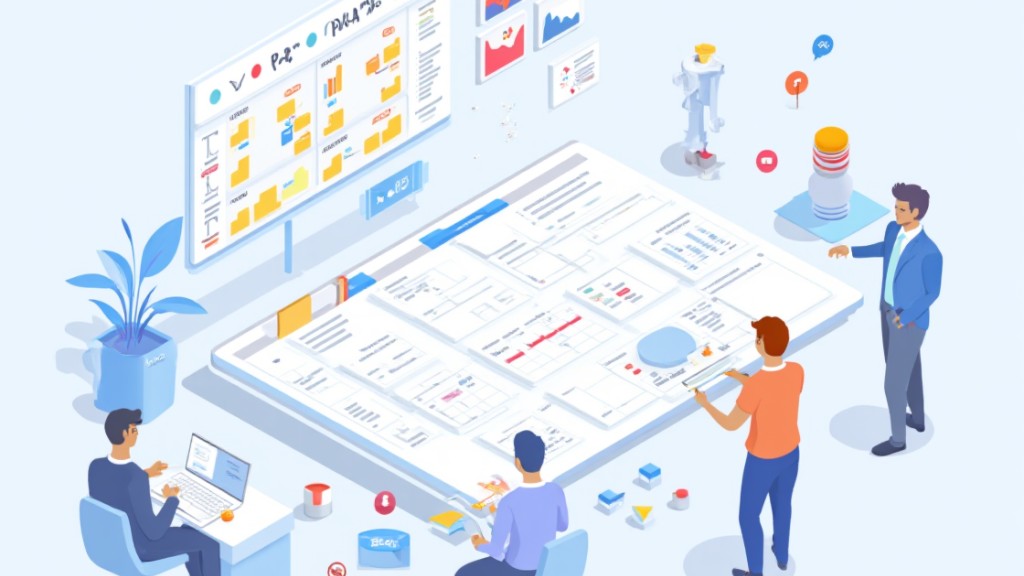
The RACI Matrix Template is crucial for clarifying team responsibilities, ensuring everyone knows their specific roles in a project.
By categorizing team members as Responsible, Accountable, Consulted, or Informed, it helps prevent task overlaps and confusion.
This structured approach not just improves communication among team members but additionally promotes accountability, eventually leading to more efficient project outcomes.
Clarifying Team Responsibilities
When teams commence on complex projects, clarifying responsibilities becomes crucial for success. The RACI Matrix Template helps by categorizing roles into four key designations: Responsible, Accountable, Consulted, and Informed. This way, everyone knows their specific contributions.
Here’s how it works:
- Responsible: The person who completes the task.
- Accountable: The individual ultimately answerable for the task’s success.
- Consulted: Those whose opinions are sought for input.
- Informed: Individuals kept updated on progress and outcomes.
- Updating: Regularly revising the matrix guarantees clarity as project dynamics change.
Using the RACI Matrix reduces confusion, improves accountability, and boosts decision-making. By clearly defining responsibilities, you cultivate effective collaboration and maintain an organized workflow throughout your projects.
Preventing Task Overlaps
To prevent task overlaps effectively, utilizing the RACI Matrix Template is essential for any project team. This responsibility assignment tool clarifies roles and responsibilities for tasks and milestones, guaranteeing accountability among team members.
RACI stands for Responsible, Accountable, Consulted, and Informed, which helps eliminate confusion in workflow. By defining who’s responsible for each task and who needs to be consulted or informed, the RACI Matrix aids in preventing overlaps.
Implementing this template streamlines workflow management, reduces errors, and guarantees critical tasks don’t fall through the cracks.
Ultimately, clearly outlining expectations and roles through the RACI Matrix can lead to improved project efficiency, nurturing a successful project outcome while keeping your team aligned and focused.
Enhancing Project Communication
Clear communication is essential for the success of any project, and the RACI Matrix Template plays a noteworthy role in improving this aspect. By defining roles within your team, the RACI Matrix guarantees everyone knows their responsibilities, which is crucial for smooth collaboration.
Here are some key benefits:
- Clarifies who’s Responsible, Accountable, Consulted, and Informed
- Prevents confusion and overlaps in responsibilities
- Reduces the risk of overlooking important tasks
- Improves alignment on project objectives
- Adapts easily to various industries and project types
Utilizing the RACI Matrix can markedly enhance project outcomes, especially in complex scenarios with cross-functional teams.
Requirements Gathering Template

When you’re gathering requirements for a project, effective stakeholder engagement is key to ensuring you capture all necessary information.
A well-structured Requirements Gathering Template helps you document these requirements clearly, reducing misunderstandings and aligning everyone’s expectations.
Effective Stakeholder Engagement
Effective stakeholder engagement is crucial for the success of any project, and utilizing a Requirements Gathering Template can greatly improve this process. This structured approach helps you collect stakeholder needs efficiently, ensuring clarity in business objectives and constraints.
By using this template, you can promote better communication between teams, reducing the risk of misalignment and scope creep. Key elements of the template include:
- Stakeholder identification, ensuring everyone’s voice is heard
- Specific requirements to detail what’s needed
- Prioritization to align project goals with stakeholder expectations
- Clear documentation for accurate project estimates
- Improved collaboration for smoother development processes
Embracing a Requirements Gathering Template can lead to more successful project management, especially in software development and product design.
Clear Requirement Documentation
A well-organized Requirements Gathering Template can greatly improve the process of documenting project requirements. This template provides a structured format for collecting stakeholder needs, ensuring all necessary information is captured efficiently.
It includes crucial fields for documenting business objectives, specific requirements, and constraints, which helps align project goals with stakeholder expectations. By enhancing communication between stakeholders and development teams, the template reduces the risk of scope creep, keeping projects focused on their intended outcomes.
Moreover, utilizing this template enables teams to streamline the requirements documentation process, saving time and minimizing errors during the project lifecycle. This tool is especially valuable in software development, product design, and systems engineering, where clear requirements are critical for success.
Frequently Asked Questions

How Do I Choose the Right Template for My Project?
To choose the right template for your project, start by identifying your specific needs and objectives.
Consider the complexity of the tasks involved and the level of detail required. Look for templates that align with your industry standards and incorporate key elements, such as process mapping or data analysis.
Evaluate user-friendliness and flexibility, making certain the template can adapt as your project evolves.
Finally, seek feedback from team members to guarantee it meets everyone’s expectations.
Can Templates Be Customized for Specific Industries?
Yes, templates can absolutely be customized for specific industries. By adjusting elements like terminology, processes, and metrics, you can tailor a template to meet your unique needs.
This customization guarantees relevancy and effectiveness, allowing you to align the template with industry standards and practices.
Start by identifying key components specific to your industry, and then modify the template accordingly, making sure it addresses the challenges and requirements particular to your field.
What Software Is Best for Creating These Templates?
In terms of creating templates, several software options stand out. Microsoft Excel and Google Sheets are popular for their flexibility and ease of use.
For more specialized designs, tools like Lucidchart and Miro provide improved visual capabilities.
If you prefer a more structured approach, software like Monday.com or Asana helps organize and track your templates effectively.
In the end, the best choice depends on your specific needs and preferences, so consider trial versions to find what works best.
How Often Should I Review and Update My Templates?
You should review and update your templates regularly to guarantee they stay relevant and effective.
A good practice is to assess them quarterly, but adapt this frequency based on your workflow changes or team feedback.
When significant projects or processes shift, revisit your templates immediately.
Are There Templates for Remote Team Collaboration?
Yes, there are various templates designed particularly for remote team collaboration.
You can find templates for project management, meeting notes, and communication plans, which help streamline processes and boost productivity.
Tools like Trello, Asana, or Google Docs often offer customizable templates that fit your team’s needs.
Utilizing these templates can improve organization, clarify roles, and guarantee everyone stays aligned, making remote collaboration more efficient and structured for your team’s success.
Conclusion

By utilizing vital business process analysis templates, you can effectively streamline workflows and improve organizational efficiency. Each template, from flowcharts to service blueprints, plays an important role in visualizing processes and identifying areas for improvement. These tools not just clarify roles and responsibilities but additionally encourage better communication among team members. Implementing these templates can lead to more collaborative efforts and improved project outcomes, in the end driving your organization toward greater success.
Image via Google Gemini