
When managing your social media calendar, utilizing Google Sheets can greatly improve your efficiency. Its customizable templates let you organize your content to fit your specific needs. Real-time collaboration tools guarantee your team stays updated seamlessly. In addition, features like conditional formatting and filtering options help you keep track of important deadlines and access relevant content quickly. If you want to optimize your engagement tracking, built-in functions can simplify performance evaluations. Let’s explore these features in detail.
Key Takeaways

- Customizable templates allow you to tailor your social media calendar with brand-aligned colors and designs for better organization.
- Real-time collaboration tools enable multiple users to edit the calendar simultaneously, enhancing communication and updates.
- Conditional formatting highlights important dates and statuses, making it easier to track deadlines and prioritize content.
- Filtering options streamline organization by allowing you to sort entries by platform, content owner, or status for quick access.
- Built-in functions automate engagement metric tracking, providing insights on post performance and simplifying data calculations.
Customizable Templates for Easy Planning

When you’re planning your social media content, using customizable templates in Google Sheets can greatly enhance your efficiency and organization. With a google sheets calendar template free, you can easily track your posting dates, content types, and platform specifications.
These monthly planner template Google Sheets options allow you to create a layout customized to your unique workflow, integrating brand-aligned colors, fonts, and designs.
The google sheets event calendar template often includes features like drop-down menus for status tracking, which helps maintain consistency and reduces errors during the planning process.
By utilizing customizable templates for easy planning, you can streamline your content creation workflow considerably. This flexibility allows for quick updates and adjustments as your social media strategies evolve, ensuring your calendar remains relevant and effective.
Adopting these templates can transform your approach to social media organization and execution, making your planning process smoother and more efficient.
Real-Time Collaboration Tools

Collaborating on a social media calendar can be a seamless experience with Google Sheets’ real-time collaboration tools. With the ability for multiple users to edit the same google sheets calendar simultaneously, you can guarantee everyone is on the same page regarding content scheduling.
Changes are instantly visible, allowing for efficient updates and swift communication among team members. The comment feature improves this communication, enabling discussions on specific entries without altering the original content.
Additionally, Google Sheets offers version history, which lets you track changes over time and revert to previous versions if necessary, maintaining accurate records of your planning.
You can utilize a Google Sheets template calendar or a calendar Google template to streamline your process further. By using a Google Sheets planner template free, you can effectively manage access levels, defining whether collaborators can view, comment, or edit, guaranteeing a structured approach to your social media calendar management.
Conditional Formatting for Important Dates

Utilizing conditional formatting in Google Sheets can greatly boost the management of important dates within your social media calendar. This feature allows you to automatically highlight significant dates, like deadlines or special events, making them easy to spot at a glance.
With conditional formatting, you can set specific rules—for instance, changing overdue tasks to red or marking completed posts in green. This visual organization is particularly beneficial in a Google Sheets calendar template, as it helps you effectively track content deadlines and publication dates.
Moreover, you can use color scales or data bars to visually represent task urgency or status within your monthly schedule template Google Sheets. Regularly reviewing and updating these formatting rules promotes clarity and keeps your focus on priority content in your busy social media schedule.
Filtering Options for Quick Access

To effectively manage your social media calendar, filtering options in Google Sheets can provide you with quick access to relevant content. By applying filters to specific columns, you can sort data based on platform, content owner, or status, enhancing organization and visibility.
Simply select your data range and click the filter icon to activate filters, allowing for dynamic sorting without altering the original dataset.
Google Sheets likewise lets you save filtered views, so your team can access customized views that meet specific needs, streamlining the content review process. Utilizing color-coded filters can help you quickly identify different content types or statuses, promoting better comprehension at a glance.
This filtering capability greatly reduces the time spent searching for specific entries, improving overall efficiency in content management, whether you’re using a free calendar template in Google Docs or a Google Sheets monthly calendar, yearly calendar template, or a weekly planner template.
Built-In Functions for Tracking Engagement Metrics

During managing your social media calendar, you can leverage Google Sheets’ built-in functions to effectively track engagement metrics such as likes, shares, and comments for each post.
Functions like AVERAGE, COUNT, and SUM allow you to automate these calculations, saving time and effort. You can create formulas to determine engagement rates by dividing total interactions by post reach, giving you insights into your content’s effectiveness.
Utilize conditional formatting to highlight high-performing posts that exceed specific engagement thresholds, making them easy to spot.
Data validation features help you maintain consistency by allowing dropdown lists for tracking engagement status. For deeper analysis, the QUERY function enables you to generate custom reports, helping you identify engagement trends over time.
Whether you’re working with a calendar template for Google Docs or a Google Sheets monthly calendar, these tools improve your ability to plan and refine your social media strategy effectively.
Frequently Asked Questions
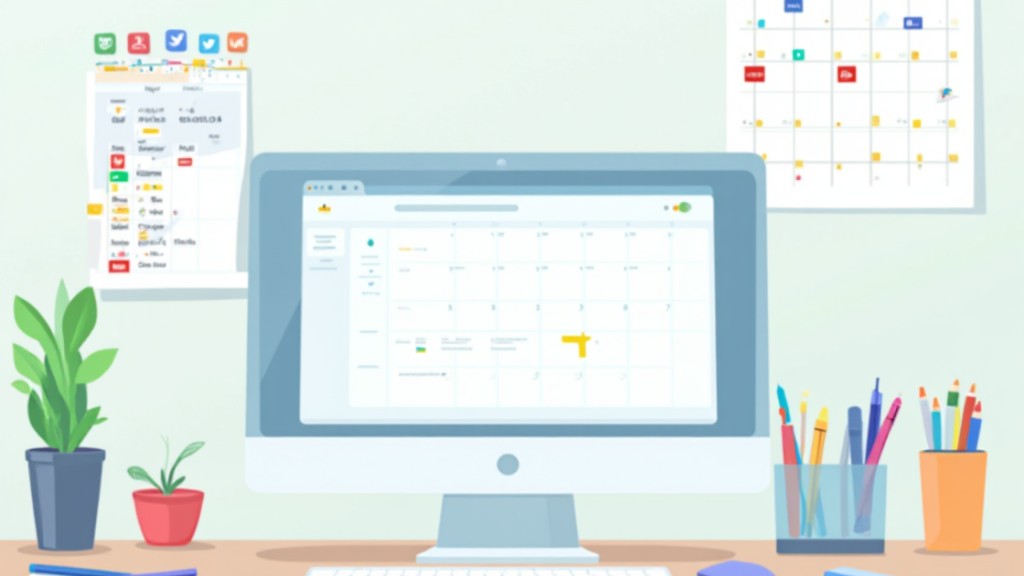
How to Make a Social Media Calendar in Google Sheets?
To make a social media calendar in Google Sheets, start by creating a new spreadsheet. Designate the month and year in the header.
Then, add columns for “Platform,” “Content Type,” “Publish Date,” and “Status.” Utilize drop-down menus for status updates, like draft or published.
Stretch columns and merge cells for better visibility. Finally, collaborate with your team in real-time to guarantee everyone stays on track with your content schedule.
What Should Be Included in a Social Media Content Calendar?
In a social media content calendar, you should include columns for content types, specifying formats like posts, videos, and stories.
It’s essential to schedule posting dates and times to guarantee consistency.
Add status indicators to track progress, and designate platforms for each piece of content to streamline distribution.
Finally, incorporate analytics tracking columns for engagement metrics, helping you assess performance and refine future strategies based on audience interaction.
What Are the Best Google Calendar Features?
Google Calendar offers several useful features that improve scheduling and time management.
You can create multiple calendars for different aspects of your life, share them with others for collaboration, and set reminders for important events.
The color-coding feature helps you visually categorize your schedules, as well as the integration with Google Tasks allows you to manage your to-do lists efficiently.
Moreover, syncing across devices guarantees you stay updated, no matter where you access your calendar.
What’s the Best Calendar for Social Media Content Planning?
The best calendar for social media content planning is one that offers flexibility, collaboration, and organization.
Google Sheets thrives in this regard, allowing you to customize columns for various content types, posting dates, and statuses. You can likewise visualize your content through a monthly grid, guaranteeing you meet deadlines.
Plus, its automation features can send reminders, enhancing your efficiency. By using a template, you secure real-time collaboration with your team, keeping everyone informed.
Conclusion

Incorporating these five crucial Google Sheets features into your social media calendar can greatly improve your planning and execution. Customizable templates streamline your workflow, whereas real-time collaboration guarantees everyone stays updated. Conditional formatting helps you prioritize important dates, and filtering options make finding specific content quick and easy. Finally, built-in functions enable you to track engagement metrics efficiently. Together, these tools provide a thorough solution for managing your social media strategy effectively and efficiently.
Image via Google Gemini