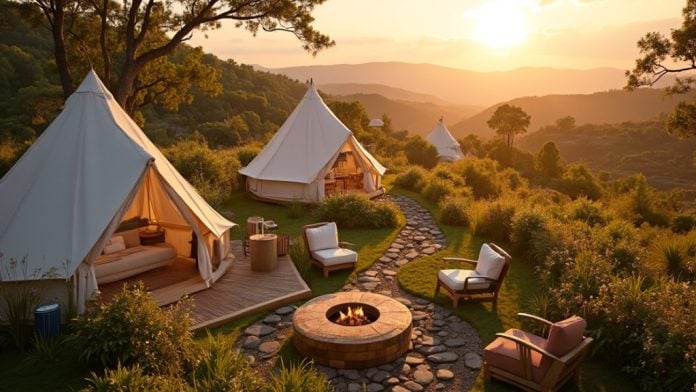
Key Takeaways
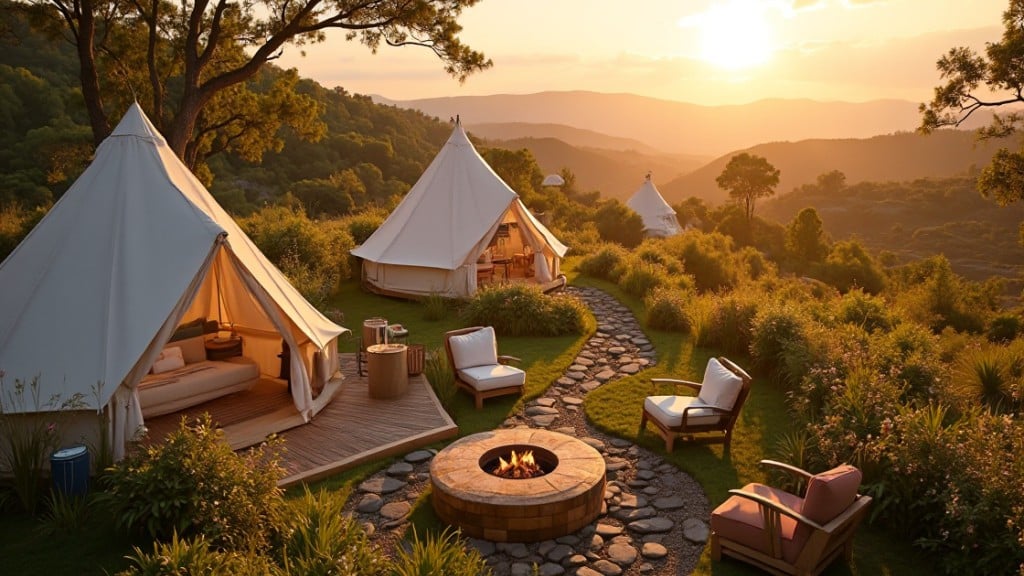
- Define Your Niche: Tailor your glamping business plan by identifying unique accommodations like yurts or treehouses that align with your target audience’s preferences.
- Understand Your Market: Conduct thorough market analysis to identify trends, customer demographics, and growth opportunities within the glamping sector.
- Revenue Diversification: Develop multiple revenue streams such as accommodation charges, food services, and activity offerings to enhance profitability.
- Effective Marketing Strategies: Establish a clear unique selling proposition (USP) and SMART marketing objectives to effectively reach and engage your target audience.
- Financial Planning: Focus on detailed financial projections to assess startup costs and profitability, ensuring your business has a solid foundation for growth.
- Build Partnerships: Collaborate with local businesses and influencers to amplify your marketing efforts and expand your customer base.
If you’re dreaming of combining the great outdoors with luxury, starting a glamping business might be your perfect venture. Glamping, or glamorous camping, has taken the travel industry by storm, attracting adventure seekers who crave comfort without sacrificing nature. With its growing popularity, there’s never been a better time to dive into this unique market.
Creating a solid business plan is crucial for your glamping venture’s success. It’ll help you define your target audience, outline your offerings, and strategize your marketing efforts. Whether you’re considering yurts, safari tents, or treehouses, understanding the essentials of a glamping business plan will set you on the path to profitability. Let’s explore the key components you need to consider to turn your glamping dreams into reality.
Overview of Glamping Business Plans
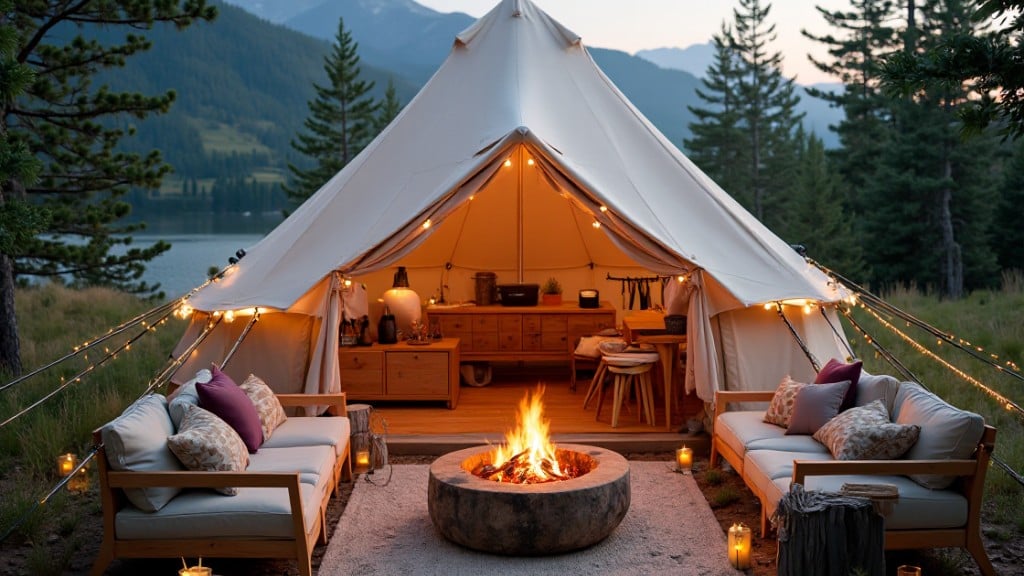
Creating a glamping business plan lays the foundation for a successful small business in the glamorous camping market. This plan helps you define your niche, attract clientele, and streamline operations.
Definition of Glamping
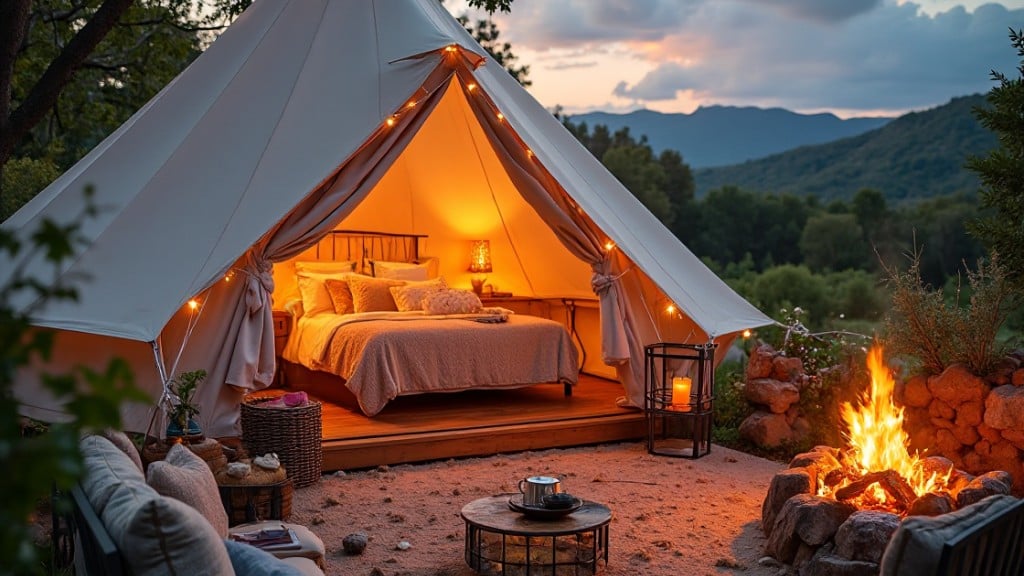
Glamping combines the great outdoors with upscale accommodations, offering experiences like luxury tents, yurts, or treehouses. This unique approach appeals to various demographics, including families, couples, and adventure seekers who prefer comfort while immersing themselves in nature.
Importance of a Business Plan
A solid business plan serves multiple critical functions for your glamping venture. It clarifies your target audience, details your offerings, and outlines marketing strategies. A well-crafted plan also helps secure funding, whether from investors, loans, or personal savings, by showcasing the profitability and sustainability of your glamping concept. Developing this plan significantly increases your chances to start a business that thrives in this growing market.
Market Analysis
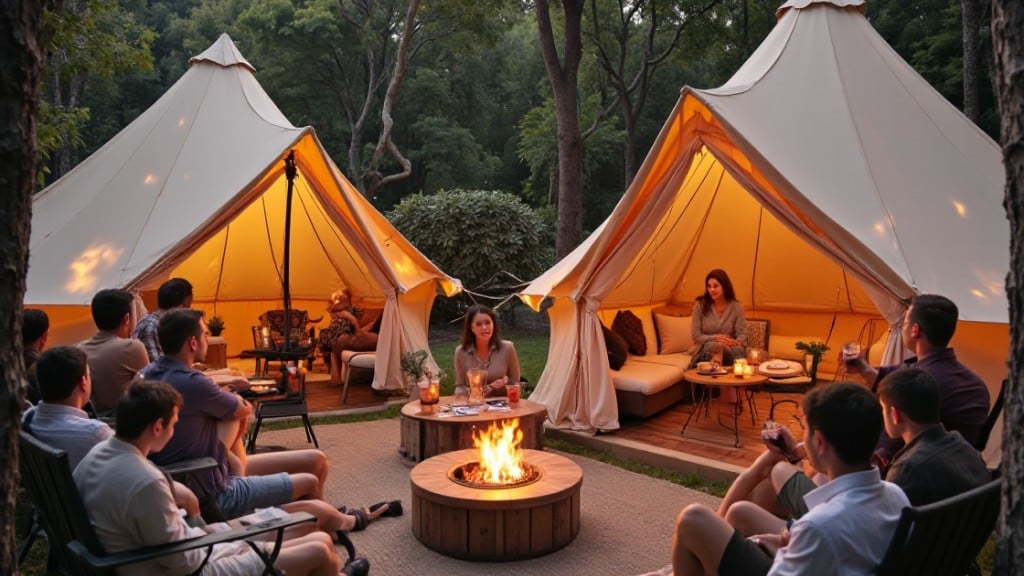
Understanding the market landscape is crucial for your glamping business. Analyzing current trends and opportunities helps you craft a focused business plan that addresses customer needs effectively.
Target Audience
Defining your target audience drives your business strategy. Glamping attracts various demographics, including:
- Families: They seek comfortable outdoor experiences with amenities for children.
- Couples: They prefer romantic getaways surrounded by nature.
- Adventure Seekers: These individuals appreciate unique lodging options while pursuing outdoor activities.
Identifying preferences among these groups helps tailor your offerings, ensuring your glamping site meets their expectations.
Trends and Opportunities
The glamping sector is on an upward trajectory, presenting numerous opportunities for small business owners:
- Market Growth: The global glamping market is valued at USD 3.52 billion in 2023 and is projected to reach USD 9.23 billion by 2031, showing a CAGR of 12.80% from 2024 to 2031.
- Regional Demand: In the U.S., the glamping market was valued at USD 561.42 million in 2023, with forecasts indicating growth to USD 1.30 billion by 2029, led by regions with high disposable incomes and outdoor recreation preferences.
Embracing these trends enables you to create a robust business plan that capitalizes on ongoing market growth.
Business Model Development
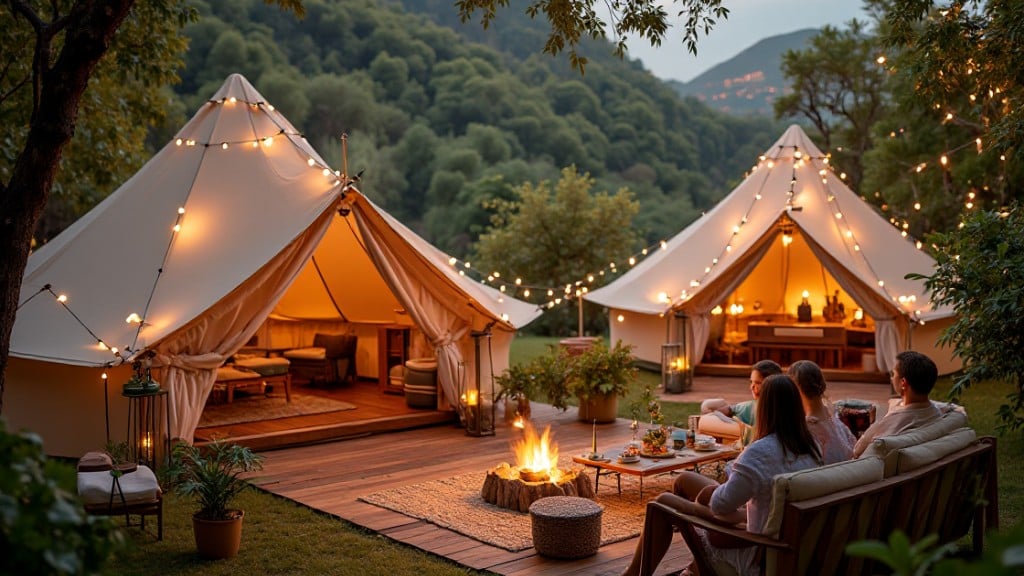
When you develop a business model for your glamping venture, focus on key elements that ensure functionality and profitability. This structured approach aids in attracting investors and guiding your operations.
Types of Glamping Accommodations
Consider diverse accommodation options to appeal to various preferences and budgets. Popular choices include:
- Yurts: These circular structures offer a cozy, unique experience.
- Safari Tents: These spacious tents provide luxury with nature views.
- Treehouses: These elevated lodgings create an adventurous atmosphere.
- Airstream Trailers: These retro models blend nostalgia with comfort.
- Geodesic Domes: These provide modern aesthetics and panoramic views.
Each accommodation type enhances the glamping experience and attracts different targets, such as families, couples, or adventure seekers.
Revenue Streams
Identify multiple revenue streams to maximize your business’s financial potential. Consider these options:
- Accommodations: Charge guests per night for unique lodging experiences.
- Food and Beverage: Offer on-site dining options, local cuisine, or meal packages.
- Activities and Amenities: Provide guided tours, yoga classes, or outdoor adventures for an additional fee.
- Events: Host weddings, corporate retreats, or workshops for group bookings.
Align these revenue streams with your business’s goals and target market preferences. By outlining these elements in your business plan, you create a compelling roadmap for your glamping business.
Marketing Strategies
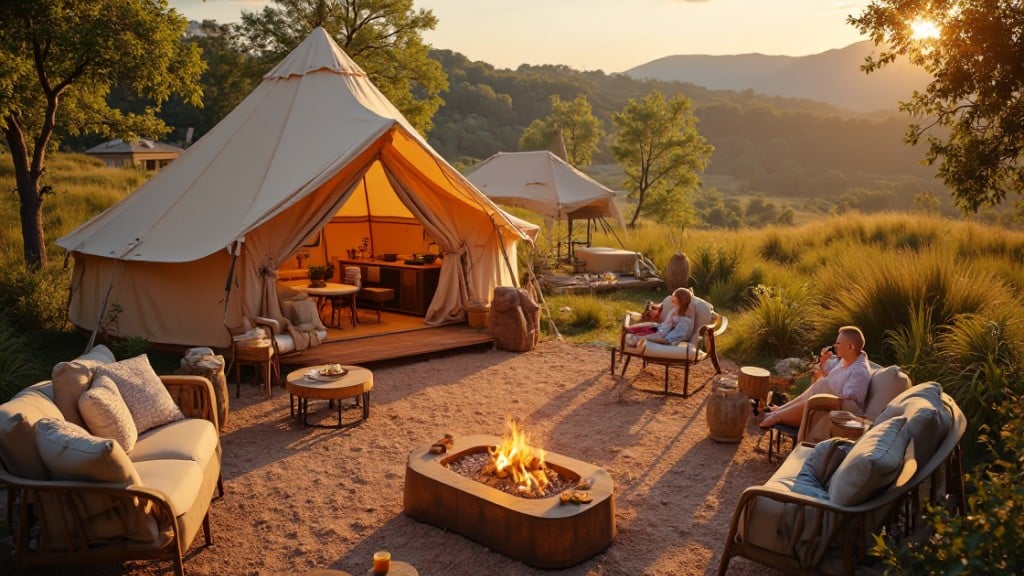
You must establish effective marketing strategies to attract visitors to your glamping site. These strategies should outline how to communicate your unique offerings clearly.
Unique Selling Proposition (USP)
Define what differentiates your glamping experience from competitors. Your USP could include luxury amenities, a picturesque location, or customized services. Highlight these aspects in all marketing materials to capture attention and draw in potential customers.
Target Market
Identify your target audience segments, focusing on specific demographics and psychographics. Tailor your marketing efforts to each segment for effective outreach. For instance, if your audience consists of eco-conscious travelers, promote your sustainable practices and eco-friendly amenities to resonate with their values.
SMART Marketing Objectives
Set Specific, Measurable, Achievable, Relevant, and Time-bound (SMART) marketing objectives. Your goals might include increasing social media engagement by 20% within three months or boosting website traffic by 30% within six months. Clear goals help in tracking progress and refining strategies.
Online Marketing Techniques
Utilize online marketing techniques to enhance your visibility. You can create a user-friendly website showcasing your glamping accommodations, booking options, and amenities. Implement SEO strategies to improve search engine rankings and increase organic traffic. Engage potential customers through social media platforms by sharing stunning images, customer testimonials, and promotional content.
Partnerships and Collaborations
Forge partnerships and collaborations with local businesses to broaden your reach. You can work with outdoor gear retailers, or event planners to create packages that enhance your glamping offerings. Collaborating with influencers in the travel niche can help expose your business to wider audiences and generate buzz.These marketing strategies can significantly contribute to your glamping business plan, ensuring it appeals to your target market while maximizing your outreach efforts.
Financial Projections
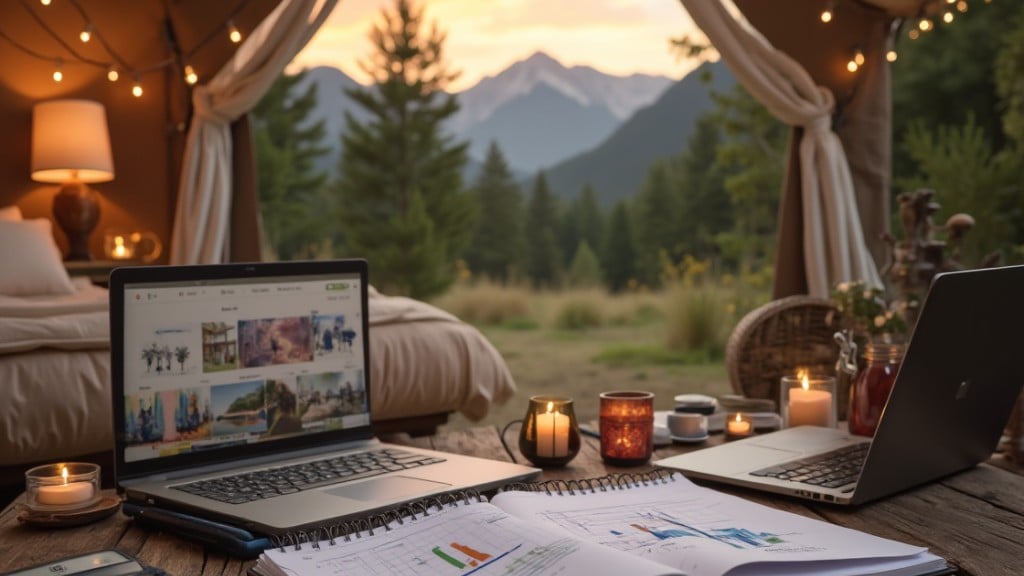
Financial projections serve as a blueprint for your glamping business, illustrating its economic potential and guiding key decisions. A precise financial plan aids in establishing a solid foundation for success.
Startup Costs
Startup costs encompass all initial investments necessary to start your glamping business. Consider these essential components:
- Land Acquisition: Identify suitable land based on location, accessibility, and zoning requirements. Set aside funds for purchasing or leasing property. Glamping Units: Budget for the purchase or construction of diverse lodging options, like yurts, safari tents, or Airstream trailers. Expect to allocate between $10,000 and $50,000 per unit.
- Infrastructure Development: Account for essential utilities, such as water, electricity, and sewage systems. This can range from $20,000 to $100,000, depending on site conditions.
- Permits and Licenses: Research necessary permits and licenses required by local authorities to operate a glamping business. Costs may vary significantly based on your location.
- Marketing Expenses: Invest in initial marketing efforts, including website creation, social media advertising, and promotional materials. A budget of $5,000 to $15,000 is typical for a strong launch.
Profitability Analysis
Profitability analysis is a critical component in assessing the financial health of your glamping venture. Evaluate these factors:
- Revenue Projections: Estimate potential income based on occupancy rates, nightly rates, and the number of glamping units you operate. For example, if you have ten units with a nightly rate of $150 and an occupancy rate of 70%, you can generate $39,450 monthly.
- Additional Revenue Streams: Incorporate other income sources, like food services, guided activities, or rentals of outdoor equipment. These add-ons enhance overall profitability.
- Fixed and Variable Costs: Analyze ongoing expenses, including maintenance, staffing, insurance, and utilities, to determine your break-even point and ensure financial viability.
- Marketing ROI: Monitor the return on investment for your marketing campaigns. Adjust strategies according to performance metrics to optimize expenses and maximize ROI.
By developing robust financial projections that encompass startup costs and profitability analysis, you clarify the path to successfully launch and grow your glamping business.
Conclusion
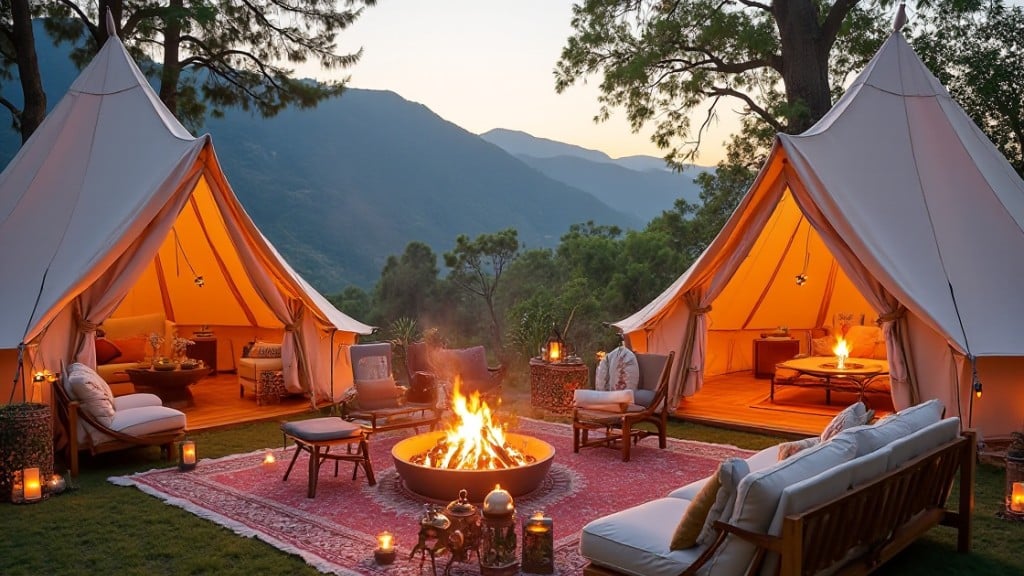
Starting a glamping business can be an exciting venture that taps into the growing demand for unique outdoor experiences. By crafting a detailed business plan you can effectively navigate the complexities of this industry. Focus on understanding your target market and developing a compelling offering that stands out.
As you move forward remember the importance of market analysis and financial projections. These elements will guide your decisions and help you adapt to changing trends. With the right strategies in place you can create a successful glamping business that not only meets customer needs but also thrives in a competitive landscape. Embrace the journey and watch your glamping dreams turn into reality.
Frequently Asked Questions
What is glamping?
Glamping, or glamorous camping, is a luxurious outdoor experience that combines the thrill of camping with modern comforts. It often involves unique accommodations like yurts, safari tents, and treehouses, offering guests the chance to enjoy nature without sacrificing comfort.
Why is glamping a good business opportunity?
Glamping is an appealing business venture due to its growing popularity among diverse demographics. The market is projected to expand significantly, driven by customers seeking unique and comfortable outdoor experiences. A solid business plan can attract investors and enhance profitability.
What should a glamping business plan include?
A comprehensive glamping business plan should define the target audience, outline accommodation offerings, and detail marketing strategies. Additionally, it should include market analysis, financial projections, and multiple revenue streams to ensure long-term sustainability and growth.
Who are the target audiences for glamping?
The primary target audiences for glamping include families looking for outdoor fun, couples seeking romantic getaways, and adventure seekers who prefer unique lodging experiences. Catering to these groups can maximize appeal and boost occupancy rates.
What types of accommodations are popular in glamping?
Popular accommodations in glamping include yurts, safari tents, treehouses, Airstream trailers, and geodesic domes. Each option caters to different preferences and budgets, allowing entrepreneurs to diversify their offerings and attract various customer segments.
How can I market my glamping business effectively?
To market your glamping business, define a unique selling proposition (USP) that differentiates your offerings. Focus on your target market, use digital marketing strategies like a user-friendly website and social media, and collaborate with local businesses and influencers for broader outreach.
What are some potential revenue streams for a glamping business?
A successful glamping business can generate revenue from accommodations, food and beverage services, recreational activities, amenities, and event hosting. Identifying diverse income sources can enhance financial performance and ensure business sustainability.
What are the startup costs for a glamping business?
Startup costs can include land acquisition, glamping units, site development, necessary permits, and marketing expenses. Entrepreneurs should conduct a thorough analysis of these costs to develop accurate financial projections and ensure the business’s financial viability.
How do I create financial projections for my glamping business?
Creating financial projections involves estimating startup costs, analyzing potential revenue based on occupancy rates, and identifying additional income sources. Monitoring fixed and variable costs is crucial for ensuring the business remains financially viable over time.
Image via Google Gemini