Key Takeaways
- Master Essential Skills: Develop proficiency in sewing techniques, pattern making, and fabric knowledge to build a strong foundation for your tailoring career.
- Gain Practical Experience: Pursue internships or apprenticeships with experienced tailors to acquire hands-on skills and real-world insights.
- Create a Portfolio: Assemble a portfolio showcasing your best work, including completed garments and design sketches, to attract potential clients and employers.
- Choose a Specialization: Identify a specific area of focus, such as bespoke tailoring or alterations, to differentiate yourself in the competitive market.
- Establish a Business Plan: If starting your own tailoring business, develop a clear business plan outlining your target market, pricing strategy, and marketing approaches.
- Network Professionally: Join fashion and tailoring groups to foster connections, learn from industry peers, and stay updated on fashion trends and innovations.
If you’ve ever dreamed of crafting beautiful garments that fit like a glove, becoming a tailor might be your perfect path. Tailoring combines creativity with technical skill, allowing you to transform fabric into stunning pieces of art. Whether you’re inspired by fashion trends or the timeless elegance of bespoke clothing, this journey offers endless possibilities.
How to Become a Tailor
Becoming a tailor involves mastering several key skills and processes that enhance your ability to create custom clothing. Follow these steps to start your journey effectively.
- Learn Sewing Techniques
Study basic sewing techniques and progress to advanced methods. Understanding sewing patterns, stitching types, and fabric manipulation creates a solid foundation.
- Gain Formal Education
Enroll in a tailoring program or take courses relevant to fashion design. Educational institutions often cover design principles and garment construction.
- Obtain Experience
Seek internships or apprenticeships under experienced tailors. Real-world experience provides invaluable insights and hands-on training that theoretical learning may not offer.
- Build a Portfolio
Create a portfolio showcasing your best work including completed garments and design sketches. A strong portfolio demonstrates your skills and attracts potential clients.
- Select a Specialization
Decide on an area of focus whether it’s formal wear, alterations, or a different niche. Specializing in a specific type of tailoring can set you apart in the competitive market.
- Establish a Small Business
Consider starting your own tailoring business after building skills and experience. Creating a business plan helps in outlining your goals and identifying your target market.
- Market Your Services
Use social media and online platforms to promote your tailoring services. Engaging potential clients through various channels increases visibility and business growth.
- Network Professionally
Join tailoring and fashion groups to develop connections within the industry. Networking helps you learn from others and opens up collaboration opportunities.
Following these steps leads to a fulfilling career as a tailor where creativity meets craftsmanship.
Understanding the Profession
Understanding the tailoring profession involves recognizing the skills, responsibilities, and types of tailors.
What Does a Tailor Do?
A tailor specializes in creating, altering, and repairing garments. Tailors assist customers in selecting styles and fabrics that enhance their individual preferences. They take precise measurements and note any unique figure concerns. Tailors utilize either ready-made or custom patterns to carefully cut fabric pieces. After cutting, they skillfully sew these pieces together, either by hand or with a machine. Tailors perform fittings to ensure proper fit and finish garments by adding hems, buttons, trim, and a final pressing. Thus, tailors execute a blend of creativity and technical expertise to deliver custom-fitted clothing.
Different Types of Tailors
Several types of tailors exist, each with specific focus areas:
- Clothing Tailors specialize in creating and modifying everyday garments like suits, dresses, and trousers.
- Costume Tailors work specifically with costumes for performances and events, mastering materials that reflect character needs.
- Alteration Tailors focus on altering pre-made garments, ensuring appropriate fit and style adjustments for clients.
- Bespoke Tailors create custom-made garments from scratch, offering personalized services that cater to individual style and comfort.
Understanding the variations among tailors enhances knowledge of career possibilities, especially for those considering a small business in tailoring.
Skills and Qualifications Needed

To become a successful tailor, essential skills and qualifications play a critical role. Mastering these areas effectively enhances your abilities and increases your chances of establishing a small business in tailoring.
Essential Skills for Tailors
- Technical Sewing Skills: Gain proficiency in sewing machines and hand-sewing techniques. Understand various stitching types and fabric properties.
- Pattern Making: Learn to draft and interpret patterns to create and modify garments according to exact specifications.
- Fabric Knowledge: Develop a thorough understanding of different fabric types and their properties. Advise clients on optimal fabric choices while working effectively with various materials.
- Attention to Detail: Cultivate a keen eye for accuracy in measurements, cuts, and stitching. Ensuring precise work leads to high-quality finished garments.
Education and Training Requirements
Enroll in formal education programs that specialize in tailoring or fashion design. Complete courses or apprenticeships that offer practical experience. Acquire certifications from recognized institutions to enhance credibility. Continuously seek workshops or seminars to stay updated with industry trends and techniques.
Materials and Tools
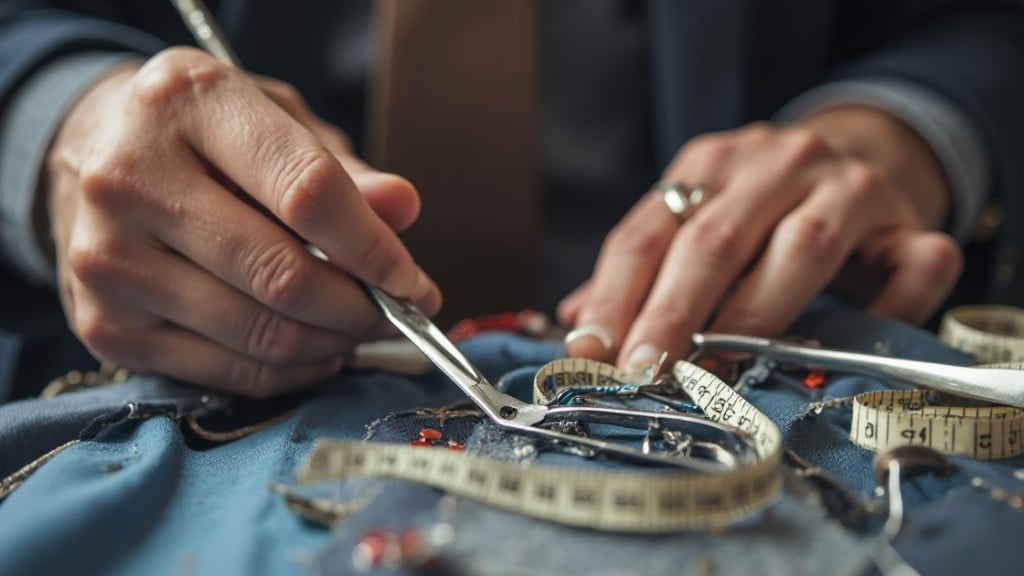
As you embark on your journey to become a tailor, gathering the right materials and tools enhances your ability to craft quality garments. Below is a list of essential items for your tailoring toolkit.
Basic Sewing Materials
- Fabric: Select a variety of fabrics like cotton, wool, and silk for diverse projects.
- Threads: Choose high-quality threads that match various fabrics for durability and stain resistance.
- Needles: Utilize different types of sewing needles, including universal, ballpoint, and embroidery needles, to accommodate various fabric types.
- Pins: Employ straight pins or safety pins to hold fabric layers in place while sewing.
- Measuring Tape: Use a flexible measuring tape for accurate body measurements and fabric cutting.
Essential Tailoring Tools
- Sewing Machine: Invest in a reliable sewing machine equipped with different stitch options for various tailoring tasks.
- Scissors: Choose sharp fabric scissors for precise cutting, along with small snips for trimming threads.
- Iron and Ironing Board: Use a steam iron and a sturdy ironing board to press seams and finish garments for a professional appearance.
- Cutting Mat and Rotary Cutter: Implement a cutting mat with a rotary cutter for accurate cutting of fabric patterns.
- Tailor’s Chalk: Apply tailor’s chalk or fabric markers to make temporary marks on fabric without leaving permanent traces.
Gathering these materials and tools enhances your skills and focuses your efforts as you establish a small business in tailoring.
Learning the Craft
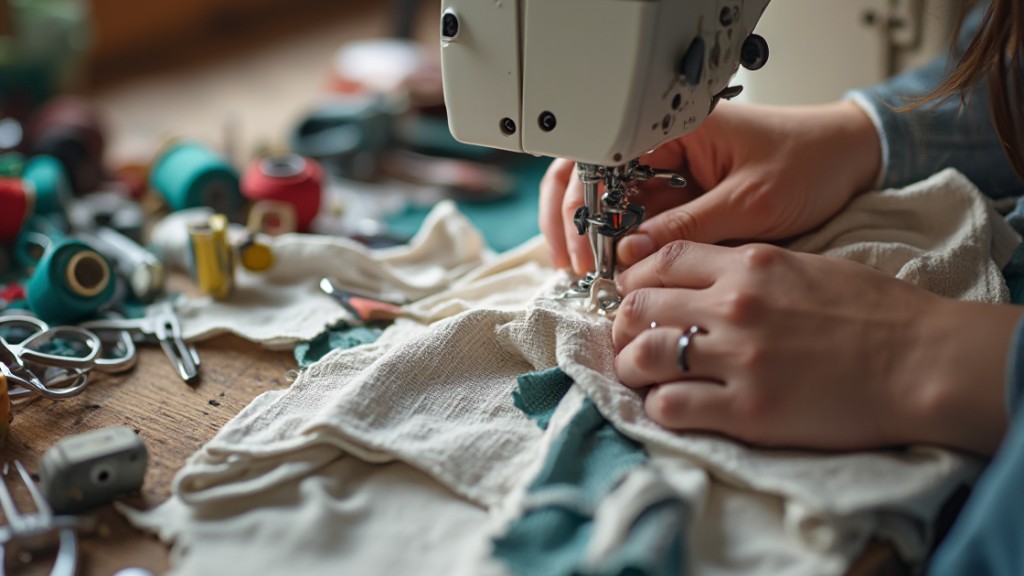
Gaining proficiency in tailoring requires specific education and practical experience. Focus on structured learning through classes and programs to master essential skills.
Taking Sewing Classes
Enroll in comprehensive sewing classes to build foundational skills. Classes covering hand sewing, industrial power sewing, and fashion design provide practical knowledge. Consider local community colleges or fashion schools for structured programs. Schools like the University of the Arts London (UAL) offer specialized courses that refine sewing techniques to a professional standard. Completing these classes enhances your portfolio, valuable for establishing a small business in tailoring.
Apprenticeship Opportunities
Pursue apprenticeship opportunities to gain hands-on experience. Working closely with experienced tailors allows you to learn industry standards and techniques. Seek positions in local tailoring shops or fashion houses. Apprenticeships enhance your technical skills and provide insight into customer service, which is essential for running a successful small business later on.
Online Resources and Tutorials
Utilize online resources and tutorials to supplement your education. Platforms offering video tutorials, sewing blogs, and forums help you learn at your own pace. Websites like YouTube contain a wealth of sewing tutorials, catering to various skill levels. Online communities also provide support and feedback as you practice, aiding your development and preparation for a career in tailoring.Practicing Tailoring Techniques

Practicing various tailoring techniques fosters your skills and prepares you for success in a small business. Apply the following methods to enhance your proficiency.
Basic Sewing Techniques for Beginners
- Straight Stitching: Use a straight stitch for sewing seams and hems. It provides strength and stability to garments.
- Backstitching: Execute backstitching at the beginning and end of seams to reinforce them. This technique prevents unraveling and enhances durability.
- Basting: Apply basting stitches to temporarily hold fabric pieces together. This method allows for adjustments before final sewing.
- Hemming: Create a clean finish on garment edges through proper hemming techniques. Techniques like double-fold hems provide neat appearances and durability.
- Zipper Application: Practice inserting zippers in various types of garments. Familiarizing yourself with different zipper techniques ensures proper functionality and aesthetic appeal.
Advanced Tailoring Techniques
- Draping: Utilize draping techniques to create patterns from fabric directly on a dress form. This method promotes custom fit and artistic design.
- Tailored Fittings: Conduct multiple fittings with clients to ensure precise measurements and desired alterations. Listen to feedback to refine the fit.
- Padding and Structuring: Incorporate padding into tailored garments to enhance shape and silhouette. Techniques like shoulder pads provide a structured look.
- Hand Sewing Techniques: Master hand sewing for finishing touches. Techniques like slip stitching and invincible stitching offer a professional appearance.
- Pattern Drafting: Create patterns from scratch by drafting them based on measurements. This advanced skill sets professionals apart in the tailoring industry.
Common Stitch Types and Their Uses
| Stitch Type | Purpose |
|---|---|
| Straight Stitch | Used for general sewing and seams |
| Zigzag Stitch | Ideal for preventing fraying on edges |
| Overlock Stitch | Perfect for finishing raw edges on knit fabrics |
| Blind Hem Stitch | Helps create invisible hems |
| Buttonhole Stitch | Uses for creating strong, durable buttonholes |
Understanding these stitch types enhances your ability to select appropriate methods for varying fabric types and garment features. Gaining mastery in these techniques leads to well-crafted garments, essential for building a reputable small business in tailoring.
Building a Portfolio

Creating a strong portfolio enhances visibility in the tailoring industry, showcasing your skills effectively to potential clients or employers.
Creating Sample Garments
Create sample garments that demonstrate your technical abilities and design prowess. Include pieces featuring a range of styles, techniques, and fabrics to reflect versatility. For instance, produce a tailored suit, a dress, and an alteration project to highlight various tailoring aspects. Display craftsmanship by ensuring each piece is finished to a high standard, showing attention to detail in stitching and fitting.
Documenting Your Work
Document your work consistently. Capture high-quality photographs of each garment from multiple angles, emphasizing unique features and techniques used. Organize sketches and mock-ups alongside finished pieces to illustrate your design process. Structure documentation clearly for easy navigation, making it straightforward for potential clients to understand your creative journey. Adapting the content to suit specific job applications enhances your portfolio’s relevance and effectiveness.
Finding Employment Opportunities
Finding employment as a tailor involves exploring various avenues to enhance your career prospects.
Working for a Tailoring Shop
Working for a tailoring shop provides invaluable experience and insight into the industry. Tailoring shops often seek individuals with proficiency in sewing techniques and strong customer service skills. Focus on applying to established shops to gain exposure to diverse fabrics and styles. Demonstrating your portfolio during interviews showcases your abilities. Consider reaching out to local shops to inquire about job openings or apprenticeships. Networking with professionals in the field often leads to employment opportunities.
Starting Your Own Tailoring Business
Starting your own tailoring business empowers you to create a unique brand and serve your community. Develop a solid business plan that outlines your target market and pricing strategy. Investing in high-quality materials and tools enhances the service you provide. Establishing an online presence through social media platforms can attract clients, as many individuals search for tailoring services online. Collaborating with local businesses for cross-promotions expands your reach and increases visibility. Focusing on excellent customer service encourages referrals and builds a loyal client base.
Troubleshooting Common Issues
Performing troubleshooting in tailoring enhances your skills and ensures the quality of your work. Addressing fabric problems and fixing mistakes in garments require specific techniques.
Dealing with Fabric Problems
- Identify fabric type. Different fabrics respond uniquely to moisture and heat. Knowing your fabric allows for appropriate handling during alteration or repair.
- Assess fabric behavior. Stretching or distortion occurs with improper handling. Press and steam fabrics carefully to avoid altering their structure.
- Check for stains. Use fabric-specific stain removers to treat blemishes. Always test on a small area first to avoid damage.
- Evaluate fraying edges. Secure frayed edges with a serger or zigzag stitch. This prevents further damage and ensures garment longevity.
Fixing Mistakes in Garments
- Find the mistake. Common errors include uneven hems or misaligned seams. Inspect the garment thoroughly before implementing corrections.
- Unpick stitches. Use a seam ripper to remove mistakes carefully. Take your time to avoid damaging the surrounding fabric.
- Reline or adjust seams. Make necessary adjustments by sewing new seams or adding fabric where required. Precision in these adjustments improves garment fit.
- Re-hem garments. Ensure accurate hem lengths to maintain a polished look. Use a measuring tape to achieve consistency across all sides.
Troubleshooting these common issues establishes a reputation for quality in your work. Mastering these techniques contributes significantly to the success of your small business in tailoring.
Tips for Success
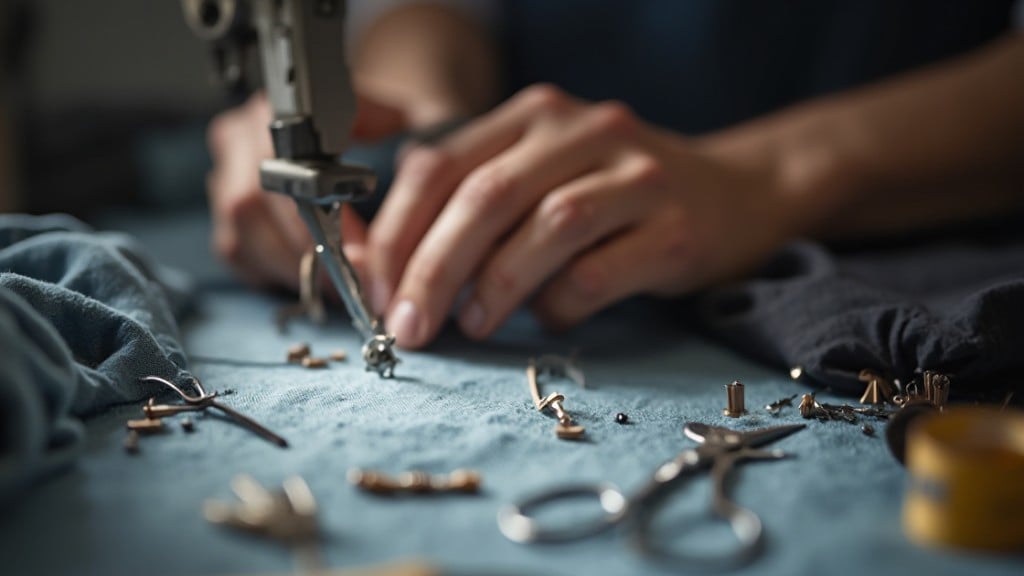
Networking and staying informed about industry trends play vital roles in achieving success as a tailor.
Networking in the Fashion Industry
- Connect with other professionals through industry-related events, trade shows, and workshops. Networking can lead to collaborations and referrals for your small business.
- Join local and online tailoring groups or fashion associations to enhance your connections. These platforms provide valuable insights and resources from experienced tailors.
- Utilize social media to showcase your work and connect with potential clients. Engaging with your audience can help build a loyal following and generate interest in your services.
Staying Updated on Fashion Trends
- Follow fashion influencers and designers to gain insights into emerging styles. Staying informed about trends can enhance your tailoring designs and attract clients.
- Subscribe to fashion magazines or online platforms that highlight seasonal trends. Regularly reviewing this content keeps your skills relevant in a competitive market.
- Attend fashion shows or webinars to observe the latest innovations. Discovering new techniques and materials should guide your tailoring practice.
Conclusion

Becoming a tailor offers a unique blend of creativity and craftsmanship that can lead to a rewarding career. By mastering essential sewing techniques and gaining hands-on experience, you can develop a strong foundation for your tailoring journey. Building a portfolio and establishing a personal brand will help you stand out in the competitive market.
Networking with industry professionals and staying updated on fashion trends will further enhance your opportunities. Whether you choose to work for a tailoring shop or start your own business, the skills you acquire will set you on a path to success. Embrace the journey and let your passion for tailoring shine through in every garment you create.
Frequently Asked Questions
What skills do I need to become a tailor?
To become a successful tailor, you need strong sewing skills, knowledge of fabrics, and attention to detail. Skills in pattern making and fitting techniques are also essential. Pursuing formal education and hands-on experience will enhance these skills further.
How can I start my career as a tailor?
You can start your tailoring career by mastering basic sewing techniques, enrolling in specialized tailoring programs, and seeking internships or apprenticeships. Building a portfolio of your work will also help showcase your skills to potential clients.
What types of tailors are there?
Tailors can specialize in different areas, including Clothing Tailors, Costume Tailors, Alteration Tailors, and Bespoke Tailors. Each type focuses on unique aspects of garment creation, alteration, and design, allowing for varied career opportunities.
Do I need formal education to become a tailor?
While formal education isn’t strictly necessary, it is highly recommended. Enrolling in tailoring programs or fashion schools helps build foundational skills and enhances your credibility in the industry.
How should I market my tailoring services?
To effectively market your tailoring services, establish an online presence through social media, create a professional website, and network with local businesses. Showcasing your work through high-quality images and engaging content can attract potential clients.
What tools do I need for tailoring?
Essential tools for tailoring include fabric scissors, measuring tapes, sewing machines, pins, needles, and a seam ripper. As you advance, you may also want to invest in specialized tools for fitting and pattern drafting.
How can I build a strong portfolio as a tailor?
To build a strong tailoring portfolio, include samples of your work, such as tailored garments and alteration projects. Document your process with high-quality photos and organized sketches to illustrate your skills and versatility.
How can networking help my tailoring career?
Networking is crucial for building professional relationships and finding job opportunities. Attend industry events, join tailoring groups, and connect with other professionals to foster collaborations and gain insights into industry trends.
What are common mistakes in tailoring and how can I fix them?
Common tailoring mistakes include uneven seams, misaligned patterns, and incorrect measurements. To fix these, unpick stitches, adjust seams, and carefully re-hem garments. Practicing troubleshooting techniques will ensure high-quality work.
What opportunities are there for tailors?
Employment opportunities for tailors include working in tailoring shops or starting your own business. Additionally, you can collaborate with local designers, participate in fashion shows, or explore e-commerce to expand your reach and client base.
Image via Google Gemini