
Key Takeaways

- Essential Photography Skills: Master techniques like composition, lighting, and camera settings to capture stunning wedding images.
- Build a Strong Portfolio: Showcase a variety of your best work, including different styles and key moments of weddings, to attract potential clients.
- Invest in Quality Equipment: Use professional-grade cameras, lenses, and editing software to ensure high-quality images and enhance your editing capabilities.
- Networking is Key: Establish relationships with wedding vendors and other photographers to increase visibility and gain referrals in the competitive market.
- Effective Marketing Strategies: Utilize a professional website and social media platforms to showcase your work and connect with potential clients.
- Pricing Your Services: Research market rates and consider your experience, service packages, and equipment costs to set competitive pricing for your wedding photography services.
Dreaming of capturing love stories through your lens? Becoming a wedding photographer can turn that passion into a rewarding career. With the right skills and a keen eye for detail, you can create stunning visual narratives that couples will cherish for a lifetime.
In a world where every moment matters, weddings present a unique opportunity for photographers to showcase their creativity. From the emotional exchanges to the joyful celebrations, each click of the shutter tells a story. If you’re ready to embark on this exciting journey, understanding the essential steps to break into the industry is crucial. Let’s explore how you can transform your photography dreams into reality and make a lasting impression on couples on their special day.
How To Become A Wedding Photographer

- Develop photography skills: Master essential techniques such as composition, lighting, and camera settings. Practice shooting different subjects to improve your versatility and creativity.
- Create a portfolio: Build a strong portfolio showcasing your best wedding images. Include a variety of shots that represent your style. Aim for at least 20 high-quality photos reflecting various aspects of a wedding day.
- Invest in equipment: Acquire reliable camera gear, lenses, memory cards, and external flash units. Consider using professional-grade equipment to ensure excellent image quality.
- Understand the wedding process: Familiarize yourself with wedding traditions and timelines. Knowing key moments ensures that you capture essential events, from the ceremony to the reception.
- Market your services: Establish a small business presence through a website and social media platforms. Use targeted advertising to reach potential clients actively searching for wedding photographers.
- Network with vendors: Build relationships with wedding planners, florists, and venues. Collaborating with these professionals can lead to referrals and increase your visibility in the industry.
- Provide an exceptional client experience: Ensure clear communication, prompt responses, and transparency in your services. Satisfied clients often share your work with others, enhancing your reputation.
- Seek ongoing education: Attend workshops and online courses to stay updated with photography trends and techniques. Continuous learning allows you to refine your skills and adapt to industry changes.
Understanding The Basics Of Wedding Photography

Understanding wedding photography involves grasping the concepts and skills required to capture important moments during ceremonies and receptions. An aspiring wedding photographer should focus on specific elements to succeed in this field.
Defining Wedding Photography
Wedding photography captures the significant moments of couples’ special days. This includes formal portraits, candid shots of guests, and key highlights of ceremonies. Recognizing the nuances of wedding events aids in predicting moments worth photographing. You should learn various styles within wedding photography, such as documentary, fine art, and traditional approaches. Each style conveys different emotions and storytelling techniques.
Importance Of A Good Wedding Photographer
A good wedding photographer offers more than just technical skills; a good wedding photographer creates lasting memories for couples. Quality photography ensures that each moment—from vows to first dances—receives the attention it deserves. You serve as an essential collaborator in the wedding planning process. Understanding preferences and expectations builds trust with clients and enhances their overall experience. Providing exceptional service not only strengthens your reputation but also contributes to marketing as satisfied clients refer you to others, effectively growing your small business.
Essential Skills Needed

Becoming a successful wedding photographer requires proficiency in a mix of technical, creative, and interpersonal skills. Mastering these skills significantly impacts your ability to capture the essence of weddings.
Technical Skills
- Understand camera settings: Master aperture, shutter speed, and ISO for high-quality image capture.
- Familiarize with lenses: Know various camera lenses and switch between shooting modes with ease.
- Apply lighting techniques: Effectively use natural and artificial light while adjusting for optimal exposure.
- Edit photos proficiently: Use editing software to adjust color balances, remove flaws, and enhance overall photo quality.
- Comprehend composition principles: Implement fundamentals such as the rule of thirds and maintain a level horizon for striking images.
Creative Skills
- Cultivate an artistic eye: Develop a keen sense for composition, exposure control, and engaging poses.
- Experiment with styles: Explore different photography approaches to find your unique aesthetic, enhancing your portfolio.
- Visualize moments: Anticipate key moments during ceremonies and receptions for candid shots and timeless portraits.
Interpersonal Skills
- Communicate effectively: Clearly articulate your vision and understand client preferences through discussions.
- Build relationships: Establish rapport with couples and their families, creating a comfortable atmosphere during shoots.
- Network with vendors: Connect with other wedding professionals to gain visibility for your small business and enhance service offerings.
Materials And Equipment Needed
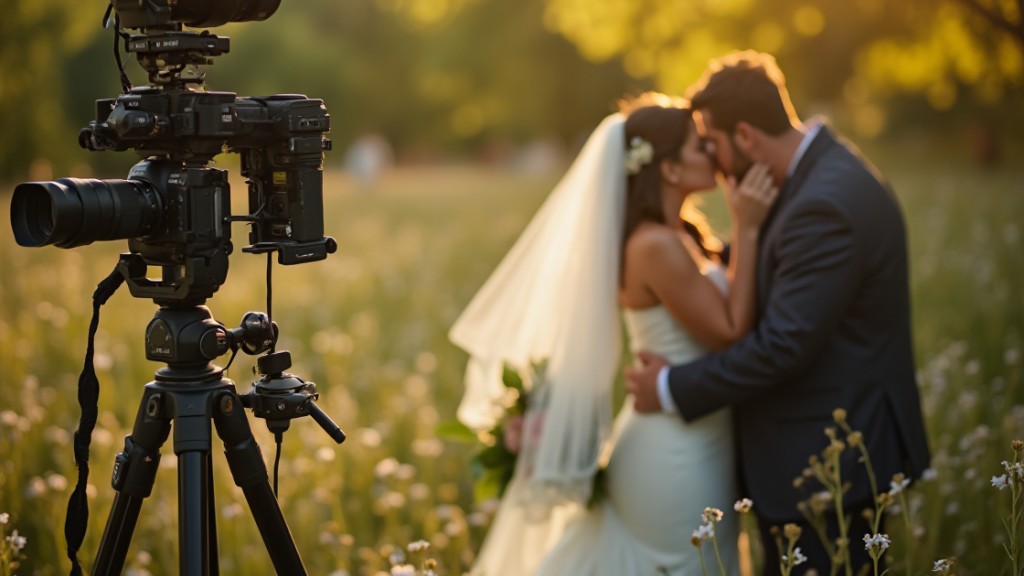
To excel as a wedding photographer, acquiring the right materials and equipment is essential. Investing in quality gear ensures you capture beautiful, high-resolution images that preserve memories for couples.
Camera Gear
Invest in a DSLR or mirrorless camera with a full-frame sensor to achieve superior image quality. Choose lenses specifically designed for wedding photography, such as a Canon 24-70mm f/2.8 for versatility and a Nikon 50mm f/1.8 for stunning portraits. Include a wide-angle lens with an 18-35mm range for expansive venue shots. Maintain backup gear, including an extra camera body and lenses, to avoid disruption during events.Utilize a sturdy tripod to stabilize shots during low-light situations. Carry an external flash or speedlight to enhance lighting in indoor locations. A reliable camera bag that keeps equipment organized and accessible is crucial when navigating wedding venues.
Editing Software

Editing software significantly enhances the quality of your wedding photography. Utilizing appropriate tools refines images and creates a polished final product for clients.
1. Adobe Lightroom
Adobe Lightroom serves as an essential tool for photo organization and editing. With features for batch processing you can edit multiple images simultaneously which saves time during peak wedding seasons.
2. Adobe Photoshop
Adobe Photoshop provides advanced editing capabilities. Perfect for retouching skin tones and enhancing colors, it allows you to manipulate images according to client preferences.
3. Capture One
Capture One stands out for its color grading abilities. Known for its customizable interface it allows efficient tethered shooting which can be useful during live wedding events.
4. Affinity Photo
Affinity Photo offers a one-time purchase option appealing to small businesses. With professional-grade features you can perform advanced edits without recurring subscription fees.
5. Luminar AI
Luminar AI focuses on user-friendly artificial intelligence tools. This software automates common editing tasks enabling you to achieve high-quality results quickly.
6. Corel PaintShop Pro
Corel PaintShop Pro provides a cost-effective alternative to expensive software. With efficient photo-editing capabilities it supports a seamless workflow for daily editing tasks.
7. Editing Plugins
Editing plugins enhance main software functionalities. Consider tools like Nik Collection or ON1 Effects for additional creative options and specialized editing techniques.Investing time in learning these editing tools cultivates your ability to deliver stunning wedding photographs that resonate with clients.
Building Your Portfolio
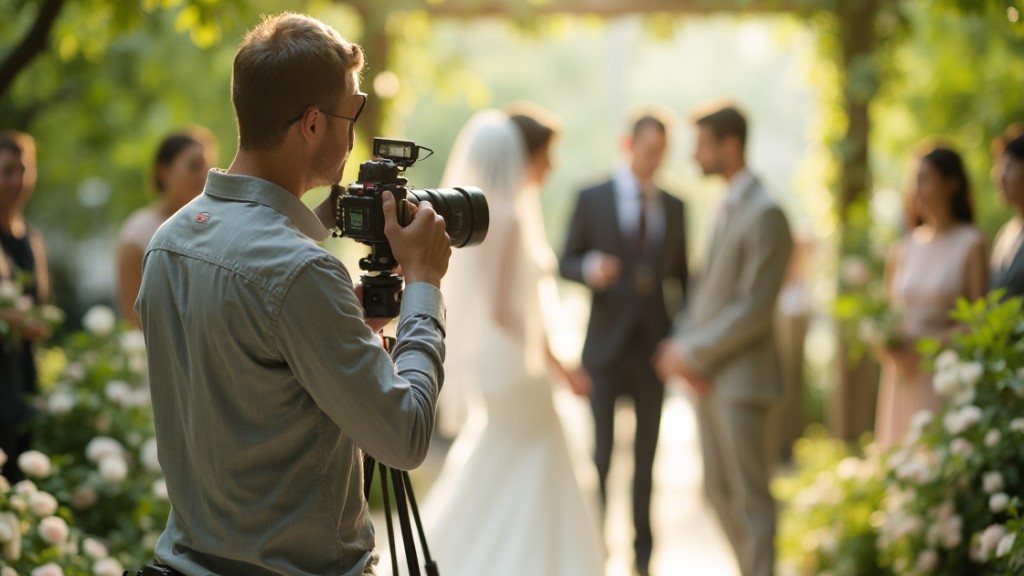
Building a strong portfolio is essential for establishing your identity as a wedding photographer. This process showcases your unique style and attracts potential clients.
Selecting Your Best Work
Select your best work to represent your skills and creativity. Aim for a variety of images that demonstrate your ability to capture key moments such as candid shots and formal portraits. Choose 10 to 20 images that reflect your personal style and storytelling capabilities. Ensure that each image highlights different aspects of wedding photography, such as emotional moments, venue details, and the connection between couples. Regularly update your portfolio with new projects to keep it fresh and relevant.
Different Wedding Styles To Showcase
Showcasing different wedding styles enhances the diversity of your portfolio. Include examples of various wedding themes, such as rustic, modern, vintage, and destination weddings. Capture a minimum of two to three examples for each style to illustrate versatility. By presenting images from diverse settings and cultures, you appeal to a broader audience. Additionally, consider including styled shoots that reflect creative collaborations with vendors. This approach demonstrates your capacity to work within different contexts and enhances your visibility as a small business in the wedding photography market.
Gaining Experience
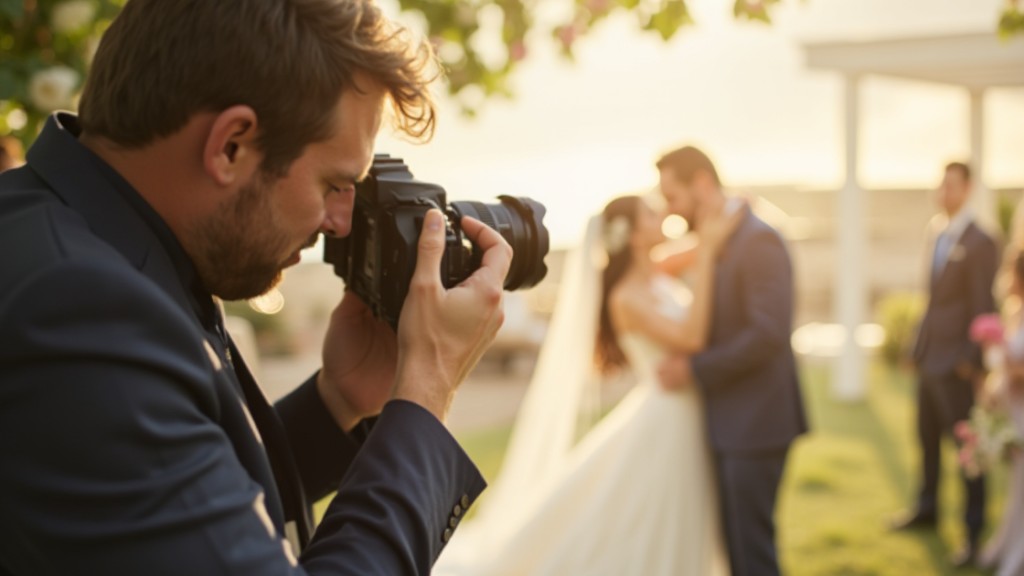
Gaining experience plays a significant role in becoming a skilled wedding photographer. Practical knowledge gained through assisting professionals and exposure to real wedding environments enhances your photography capabilities.
Assisting An Established Photographer
Assisting an established photographer creates invaluable learning opportunities. This role allows you to observe how seasoned professionals capture moments during weddings. Seek out photographers in your area through social networks or professional platforms. Offering to shadow them or assist with engagement and wedding shoots can lead to firsthand experience in various shooting styles and techniques. This method can also expand your industry network and provide potential job leads.
Offering Free or Discounted Services
Offering free or discounted services can accelerate your initial experience. Many couples appreciate lower rates when hiring new photographers. Approach friends or family members planning weddings and propose to capture their special day at a reduced rate or for free in exchange for portfolio inclusion and testimonials. This strategy not only builds your portfolio but also helps develop your skills and confidence in handling wedding scenarios.
Joining Workshops and Classes
Joining workshops and classes focused on wedding photography enhances technical skills and artistic vision. Commonly available workshops led by experienced photographers offer hands-on practice and feedback on your work. Investing time in online or local photography courses provides insights into composition, lighting, and post-processing techniques. Staying updated on industry trends through educational platforms strengthens your expertise and supports your small business development in wedding photography.
Marketing Yourself

Marketing yourself effectively enhances visibility and attracts potential clients in the wedding photography sector. Focus on the following strategies:
Creating A Website
Establishing a professional website serves as the foundation for your brand. Include a visually appealing portfolio that highlights your best work. Incorporate essential elements such as contact information, client testimonials, and service details. Optimize your website for search engines to increase online visibility. Streamlined navigation enhances user experience, making it easy for visitors to explore your offerings.
Utilizing Social Media
Leveraging social media platforms significantly boosts your reach. Choose platforms like Instagram and Facebook to share your work with a wider audience. Post regularly to engage followers with behind-the-scenes content and client stories. Utilize relevant hashtags to connect with potential clients searching for wedding photography services. Running targeted ads can further expand your audience, presenting opportunities to showcase your unique style to potential couples.Networking With Vendors
Networking with wedding vendors fosters beneficial professional relationships. Partner with venues, florists, and wedding planners to create referral opportunities. Attend local wedding fairs and industry events to meet other professionals and showcase your work. Collaborate on styled shoots to broaden exposure and enhance your portfolio. Building these connections strengthens your reputation and leads to increased client referrals.
Pricing Your Services

Pricing services as a wedding photographer requires a strategic approach. Establishing competitive rates enhances your small business’s success.
Researching Market Rates
Research local market rates to determine standard pricing structures for wedding photography. Analyze services offered by 10 to 15 photographers in your area. Use platforms like WeddingWire and The Knot to compare packages, which typically range from $1,000 to $5,000 based on experience and service offerings. Understanding the spectrum of pricing helps you position your services effectively in the market.Factors To Consider When Setting Prices
Consider the following factors that impact your pricing strategy:
- Experience Level: More experience often leads to higher rates. Photographers with 5+ years in the industry generally charge 20% to 30% more than newcomers.
- Service Packages: Offer multiple packages catering to different budgets. Prices can vary based on hours of coverage, number of edited photos delivered, or additional services like engagement sessions.
- Equipment Costs: Factor in expenses for high-quality equipment, including cameras, lenses, and backup gear. Budget for ongoing maintenance and upgrades to stay competitive.
- Editing and Delivery Time: Account for the hours spent in post-processing. Professional editing can take 10 to 20 hours per wedding, influencing your overall pricing.
- Travel Expenses: Include travel costs when servicing distant venues. Consider mileage, accommodations, and meals when calculating your rates.
- Target Market: Identify your ideal clients and tailor pricing to their expectations. Luxury market clients often anticipate higher rates but expect exceptional service and artistic quality.
Effective pricing enhances your ability to attract clients while ensuring profitability for your small business.
Common Challenges And How To Overcome Them
Navigating challenges in wedding photography involves understanding client dynamics and managing high-pressure situations.
Dealing With Difficult Clients
Establish clear communication. Communicate expectations and preferences thoroughly during the initial consultation. Use detailed contracts to outline services offered and deliverables provided.
Set boundaries. Remain professional while addressing any unreasonable requests. Ensure clients understand your artistic vision and expertise.
Practice patience. Approach challenging situations with empathy. Listen actively to client concerns and provide reassurance during stressful moments.
Managing Stress On The Big Day
Prepare thoroughly. Plan for every aspect of the wedding day, including timelines, locations, and specific shots required. Create a shot list to ensure no moment goes unmissed.
Stay organized. Keep all equipment neatly arranged and have backups ready in case of technical failures. Utilize a checklist for gear to ensure everything is accounted for.
Practice mindfulness. Remain calm by taking deep breaths and focusing on the task at hand. Engage in brief moments of reflection to maintain clarity and composure throughout the day.
Troubleshooting
Successful wedding photography often requires addressing unexpected challenges. Understanding how to troubleshoot common issues ensures a smooth shooting experience and maintains professionalism.
Handling Technical Issues
Identify potential technical problems before they arise. Regularly check camera settings and battery levels. Maintain essential gear, including lenses and memory cards. Always carry backups of crucial items such as batteries, cameras, and lens filters. In case of equipment failure, assess your spare gear readiness. Always have the right tools on hand for quick fixes. Utilizing a checklist ensures all necessary equipment is ready and accessible on the wedding day.
Dealing With Unforeseen Circumstances
Prepare for unpredictable events during weddings. Develop a flexible shooting plan that adapts to changes, such as venue updates or weather conditions. Communicate clearly with clients and vendors about expectations. Practicing improvisation during shoots builds confidence in handling unexpected challenges. If incidents occur, such as delays or cancellations, remain calm and composed. Provide reassurance to clients while swiftly adjusting to the situation. Your ability to navigate these obstacles enhances the overall experience for couples and solidifies your reputation in the wedding photography industry.
Conclusion
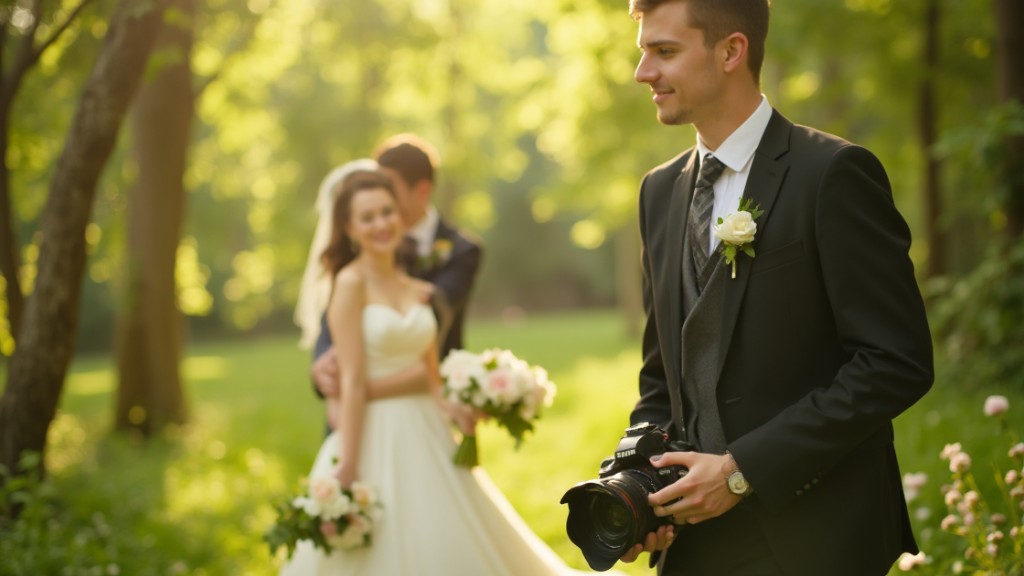
Becoming a wedding photographer is an exciting journey filled with opportunities to create unforgettable memories. By honing your skills and building a diverse portfolio, you’ll set yourself apart in this competitive field.
Investing in quality equipment and mastering editing software will enhance your ability to deliver stunning visuals that resonate with clients. Networking with vendors and effectively marketing your services will help you gain visibility and attract potential couples.
As you navigate the challenges of wedding photography, remember that clear communication and adaptability are key. With dedication and passion, you can turn your dream of being a wedding photographer into a thriving reality.
Frequently Asked Questions
What skills are essential for a wedding photographer?
To succeed as a wedding photographer, you need a mix of technical, creative, and interpersonal skills. Mastering camera settings, understanding lighting, and editing photos are vital technical skills. Creativity involves having an artistic eye and visualizing key moments, while interpersonal skills focus on effective communication and building relationships with clients and vendors.
How can I build a strong portfolio for wedding photography?
Select 10 to 20 of your best images that showcase your unique style and storytelling abilities. Include a variety of key moments, emotional shots, and details from different wedding styles. Regularly update your portfolio with new projects and styled shoots to keep it fresh and appealing to potential clients.
What equipment should I invest in as a wedding photographer?
Invest in quality gear, such as a DSLR or mirrorless camera with a full-frame sensor. For lenses, a versatile 24-70mm f/2.8 and a 50mm f/1.8 are recommended. Consider backup gear, a sturdy tripod, an external flash for low-light situations, and a reliable camera bag to keep everything organized.
How can I market myself as a wedding photographer?
Create a professional website that showcases your portfolio and essential information. Utilize social media platforms like Instagram and Facebook to engage a wider audience. Networking with wedding vendors and attending local wedding fairs can also enhance your visibility and create referral opportunities.
What is the typical pricing range for wedding photography services?
Wedding photography packages typically range from $1,000 to $5,000, depending on factors like experience level, service offerings, and equipment costs. Research local market rates to help set competitive prices while ensuring your services are profitable for your business.
How can I handle challenges on the wedding day?
To manage challenges in wedding photography, establish clear communication and set boundaries with clients. Prepare thoroughly and stay organized to anticipate stressors. Practicing mindfulness can help maintain composure, while flexibility allows you to adapt to unforeseen circumstances effectively.
What editing software should I use for wedding photography?
Adobe Lightroom is excellent for organizing and batch editing photos, while Adobe Photoshop is great for advanced retouching. Consider tools like Capture One for color grading and Affinity Photo as a budget-friendly option. Learning these editing tools enhances your ability to deliver stunning wedding photographs.
How can I gain experience in wedding photography?
Assist established photographers to learn firsthand while expanding your network. Offer free or discounted services to friends or family to build your portfolio. Joining workshops and classes focused on wedding photography can also help enhance your technical skills and artistic vision.
Image via Google Gemini