Key Takeaways

- Conduct Market Research: Understand local bridal trends and customer preferences to identify your unique niche within the competitive market.
- Create a Detailed Business Plan: Outline your shop’s vision, target audience, budget, and marketing strategy to serve as a guide for your business development.
- Choose the Right Location: Select a high-traffic area near wedding venues to maximize visibility and accessibility for potential customers.
- Source Quality Inventory: Curate a diverse collection of bridal gowns and accessories from reputable suppliers to cater to various customer needs and preferences.
- Implement Effective Marketing Strategies: Utilize social media, promotional events, and vendor partnerships to enhance your shop’s visibility and attract customers.
- Focus on Customer Experience: Hire and train staff to provide excellent service, creating an inviting atmosphere that prioritizes customer satisfaction and encourages repeat visits.
Dreaming of opening your own bridal shop? You’re not alone. The wedding industry is booming, and couples are always on the lookout for that perfect dress to make their special day unforgettable. With creativity and passion, you can turn your vision into a reality and help brides find their dream gowns.
Starting a bridal shop involves more than just selling dresses; it’s about creating an experience that resonates with brides and their families. From choosing the right location to curating a stunning collection, each step is crucial in building a successful business. Whether you’re a fashion enthusiast or a savvy entrepreneur, this guide will walk you through the essential steps to launch your bridal shop and thrive in this enchanting industry.
How to Open a Bridal Shop
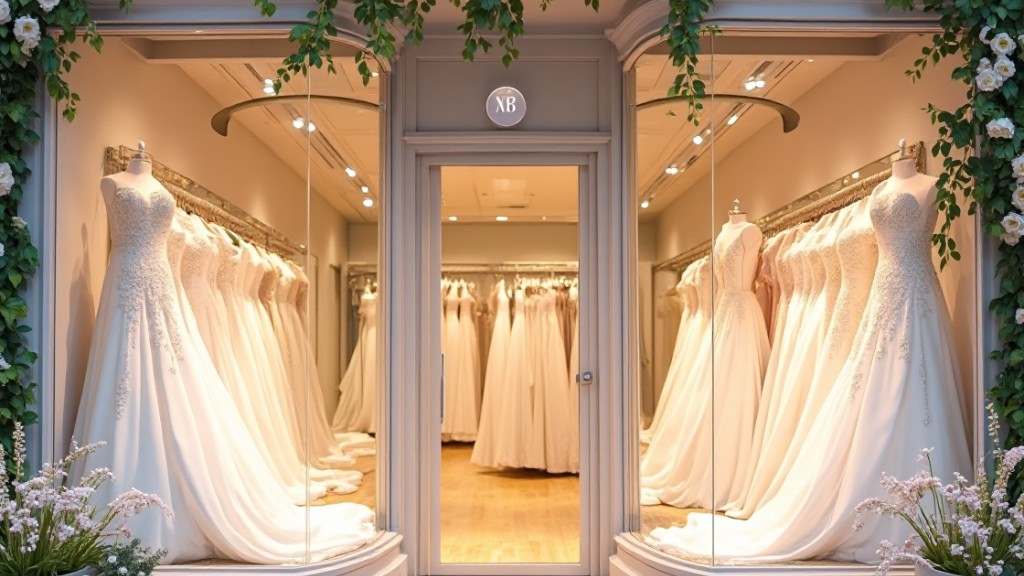
Opening a bridal shop involves several crucial steps that ensure success in this competitive small business market.
- Conduct Market Research
Analyze the local bridal industry to understand trends and customer preferences. Identify competitors and their offerings to find a niche that sets your shop apart.
- Create a Business Plan
Develop a comprehensive business plan detailing your vision, target market, budget, and financial projections. Include marketing strategies and operational plans to guide your business development.
- Choose a Location
Select a strategic location with high foot traffic and visibility. Areas near wedding venues or densely populated neighborhoods are beneficial for attracting customers.
- Register Your Business
Register your bridal shop with the appropriate local authorities. Secure necessary licenses and permits to operate legally.
- Source Inventory
Curate a collection of wedding dresses, accessories, and related merchandise from reputable suppliers. Focus on quality, variety, and pricing to appeal to diverse customer preferences.
- Design the Store Layout
Create an inviting and aesthetically pleasing store layout. Allocate space for dressing rooms, displays, and consultation areas to enhance the shopping experience.
- Implement Marketing Strategies
Utilize online marketing, social media, and local advertising to promote your bridal shop. Engage with potential customers by showcasing your unique offerings and hosting bridal events.
- Hire Staff
Recruit knowledgeable and friendly staff who can assist customers effectively. Provide training on product selection, customer service, and the overall bridal experience.
Following these steps equips you to establish a successful bridal shop that caters to brides’ needs and builds a memorable shopping experience.
Research the Bridal Industry

Researching the bridal industry provides valuable insights needed for launching your small business. Understanding market dynamics equips you to make informed decisions.
Understanding the Market
Understanding the bridal wear market reveals significant growth potential. The market is projected to grow from $65.6 billion in 2024 to $69.06 billion in 2025, reaching $80.82 billion by 2029. Factors such as cultural traditions and the rise of destination weddings drive this growth. Awareness of these statistics helps shape your business strategy and inventory choices.
Identifying Your Target Audience
Identifying your target audience crucially impacts your shop’s success. Focus on specific demographics, including age, income level, and wedding planning preferences. Target varied segments such as millennials seeking trendy designs or eco-conscious brides looking for sustainable options. Tailoring your offerings based on audience insights enhances customer engagement and satisfaction.
Analyzing Competitors
Analyzing competitors provides a competitive edge in the bridal market. Observe what local bridal shops offer, their pricing strategies, and customer reviews. Identify gaps in their services or product ranges, such as the need for customization or inclusivity. This analysis helps refine your unique selling propositions and positions your shop for success.
Create a Business Plan

Creating a robust business plan serves as the foundation for your bridal shop. In this section, three critical components facilitate the planning process and enhance your small business strategy.
Defining Your Unique Selling Proposition
Identify what sets your bridal shop apart. Focus on elements such as exclusive designer collections, personalized customer experiences, or eco-friendly apparel. For example, offering custom fittings or a line of sustainable wedding dresses attracts niche markets. Effective differentiation enhances customer loyalty and increases sales potential.
Estimating Startup Costs
Calculate all potential startup expenses to prepare financially. Initial costs typically range from $10,000 to $150,000 depending on business size and location. Include items such as lease deposits, inventory purchases, marketing expenses, and staffing needs. Create a detailed budget that reflects projected income, allowing for adjustments in your financial strategy. Many bridal shops see projected annual income of around $75,000 by the third year, depending on the market’s geographical factors.
Developing a Marketing Strategy
Craft a targeted marketing strategy that reaches your ideal audience. Utilize social media platforms to showcase collections and customer experiences. Collaborate with local wedding planners and venues for cross-promotional opportunities. Plan events such as bridal shows or trunk shows to engage potential customers directly. Consistent branding and an engaging online presence drive customer interest and enhance visibility for your small business.
Choose a Location
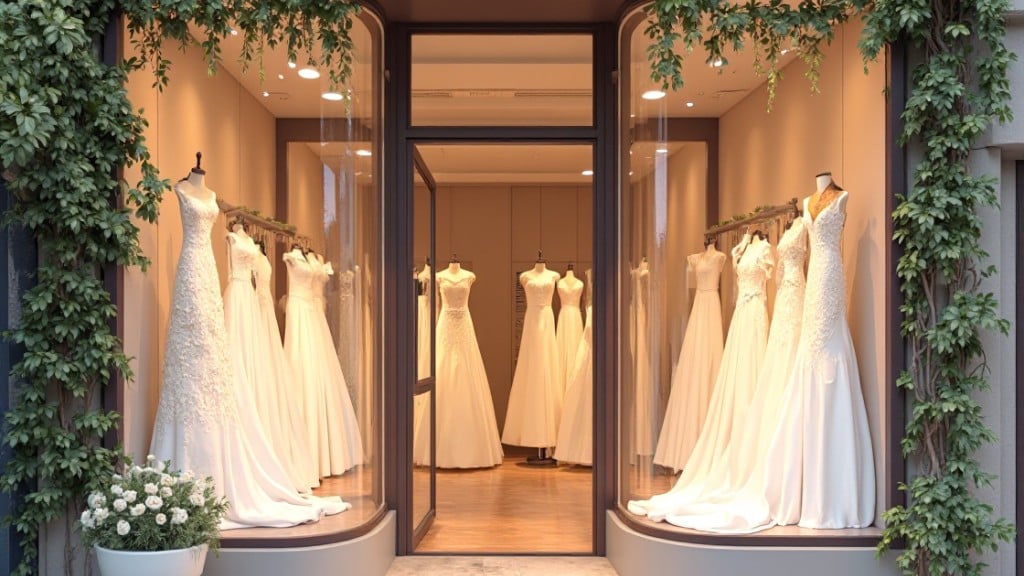
Selecting the right location is crucial for your small business’s success in the bridal shop industry. Key factors significantly influence foot traffic and overall customer experience.
Evaluating Potential Venues
Evaluate venues based on specific criteria. Space requirements must align with your inventory needs. Shop size should accommodate a variety of wedding dresses, fitting rooms, and storage areas. Visibility plays a significant role, with shops in well-trafficked areas attracting more potential customers. Lease flexibility can provide advantages, allowing you to adapt as business needs evolve.
Considering Foot Traffic and Accessibility
Consider foot traffic as a critical factor. Locations near popular landmarks attract more visitors. Accessibility enhances customer convenience; ensure ample parking space and proximity to public transportation options. Surrounding businesses can also impact foot traffic; select a site near complementary services such as florists, bridal boutiques, or salons.
Negotiating Lease Terms
Negotiate favorable lease terms to protect your investment. Lease length affects your long-term plans; opt for terms that allow flexibility for expansion. Rent rates should align with your budget and anticipated foot traffic. Additional expenses, such as utility costs and maintenance responsibilities, require careful consideration. Secure favorable terms that facilitate growth for your bridal shop.
Obtain Necessary Licenses and Permits
Starting a bridal shop requires careful attention to licenses and permits. Understanding these key areas will ensure proper compliance with local regulations and smooth business operation.
Understanding Local Regulations
Understanding local regulations involves researching zoning laws and retail requirements within your area. Compliance ensures your business operates legally. Local authorities may require inspections to verify that your shop meets health and safety standards. Information about specific regulations can often be found on state or municipal websites.
Registering Your Business
Registering your business involves selecting a unique name and filing the necessary paperwork with your local government. Registering ensures your business is legally documented and permits you to operate as a recognized entity. Choosing an appropriate business structure, such as LLC or sole proprietorship, impacts your liability and taxation responsibilities. Follow state guidelines for the registration process.
Tax and Employment Considerations
Tax and employment considerations include understanding your tax obligations and employee regulations. You will be responsible for collecting sales tax and filing income taxes. Research federal, state, and local tax requirements specific to retail businesses. If you hire employees, familiarize yourself with labor laws, including minimum wage and worker’s compensation requirements. Documentation and compliance are essential for maintaining a smooth and accountable operation while starting your small business.
Source Your Inventory

Sourcing quality inventory is essential for a successful bridal shop. Establishing a diverse collection of bridal gowns and accessories sets the stage for attracting customers and fulfilling their needs.
Selecting Bridal Gowns and Accessories
Identify styles that resonate with your target audience. Choose a range of options including classic silhouettes and contemporary designs. Consult trend reports to determine popular fabrics and colors within the bridal market. Assess the potential demand by analyzing local preferences and competitor offerings. Incorporate a mix of accessories such as veils, tiaras, and jewelry to complement the gowns and enhance your inventory.
Building Relationships with Designers
Cultivate partnerships with established designers. Attend industry events like trade shows and bridal expos to network and build rapport. Leverage these connections to gain access to exclusive collections and advance notice of new arrivals. Foster communication with designers to ensure a mutual understanding of your shop’s vision. Share feedback on customer preferences to help designers align their offerings with market trends.
Deciding on Custom vs. Off-the-Rack
Evaluate the advantages of both custom and off-the-rack options for your inventory. Offer custom gowns for brides seeking personalized designs. Highlight the benefits of unique creations tailored to individual preferences. Simultaneously, stock off-the-rack gowns for brides requiring immediate availability. Understand that providing a mix allows broader appeal while accommodating various budgets. Ensure transparency with pricing and timelines to maintain customer satisfaction in both categories.
Set Up Your Shop

Establishing your bridal shop involves careful design considerations to create an appealing retail space that enhances the shopping experience.
Designing Your Store Layout
Designing your store layout necessitates an emphasis on aesthetics and functionality. Arrange your space to allow free movement, ensuring customers easily access bridal gowns and accessories. Allocate distinct areas for different styles such as classic, modern, and vintage, making selections straightforward. Incorporate fitting rooms with privacy for a comfortable customer experience, while keeping mirrors strategically placed to enhance decision-making.
Choosing Decor and Furnishings
Choosing decor and furnishings significantly contributes to the overall ambiance of your bridal shop. Select furnishings that reflect elegance and style, such as soft draping and tasteful seating options. Opt for a color palette that resonates with bridal themes, such as whites, pastels, or metallics. Incorporate decorative elements like floral arrangements and display cases that showcase key inventory items, enhancing the shop’s visual appeal.
Creating a Welcoming Environment
Creating a welcoming environment enhances customer satisfaction. Ensure lighting is warm and inviting, fostering a relaxing atmosphere. Play soft background music to set a pleasant mood. Train staff to greet guests warmly and provide personalized assistance, encouraging a friendly shopping experience. Frequently update window displays to attract foot traffic and showcase new arrivals, making your shop an appealing destination for brides.
Hire and Train Staff

Hiring and training staff plays an essential role in establishing a successful bridal shop. A dedicated team creates meaningful experiences for customers.
Identifying Key Roles
Identify key roles that align with your shop’s vision. Fill positions such as bridal stylists, sales associates, customer service representatives, and alterations team members. Clearly define responsibilities for each role to streamline operations and optimize efficiency.
Developing a Training Program
Develop a comprehensive training program tailored for your staff. Include product knowledge, such as fabric types and gown construction, alongside sales techniques. Explore resources like The Bridal Retailer Academy, which provides modules on essential topics including gown fit and customer engagement strategies, ensuring your team delivers exceptional service.
Fostering a Customer-Centric Culture
Foster a customer-centric culture by prioritizing customer satisfaction. Encourage open communication and actively solicit feedback to improve services. Empower staff members to make decisions that enhance the shopping experience, creating an inviting atmosphere that encourages loyalty and repeat visits.
Market Your Bridal Shop
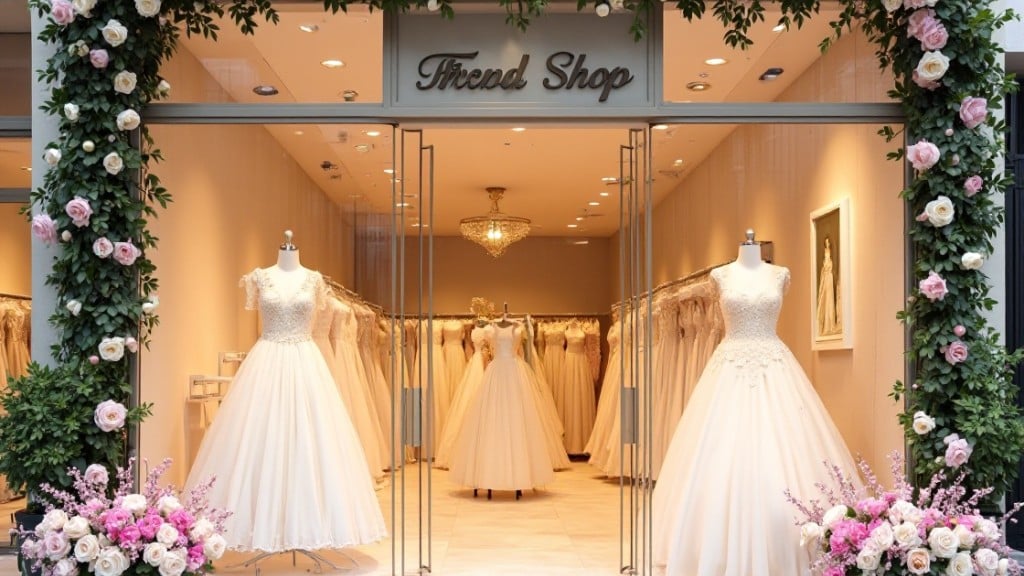
Marketing strategies play a vital role in the success of your bridal shop. A multi-faceted approach involving social media, promotional events, and vendor partnerships enhances your visibility and customer engagement.
Utilizing Social Media
Create a cohesive social media strategy to showcase your bridal collection and connect with potential customers. Post high-quality images and videos of your gowns, engage with followers through comments and direct messages, and share customer testimonials to build credibility. Utilize platforms like Instagram and Pinterest to reach brides who are actively seeking wedding inspiration. Maintain consistency in posting at least three times per week and employ relevant hashtags to increase discoverability.Hosting Promotional Events
Organize promotional events to attract brides and generate excitement around your shop. Plan trunk shows to highlight exclusive designer collections or host seasonal sales to promote special discounts. Engage with local audiences by collaborating with wedding fairs or bridal expos, offering sneak previews of your gowns. Encourage attendees to sign up for newsletters with rewards such as discounts for future purchases, creating a direct communication channel that drives foot traffic to your shop.
Building Partnerships with Wedding Vendors
Establish relationships with local wedding vendors to create a comprehensive referral network. Partner with wedding planners, photographers, and florists to cross-promote services. Offer mutual incentives, such as referral discounts, to motivate partners. Attend networking events to connect with other professionals in the wedding industry and build a reputation as a go-to bridal shop within your local community.
Troubleshooting Common Issues

Running a bridal shop involves navigating various challenges. Here are strategies to address common issues.
Dealing with Inventory Shortages
Inventory shortages disrupt operations and reduce customer satisfaction. To minimize shortages, implement regular inventory audits to track stock levels accurately. To address gaps, establish relationships with multiple suppliers for quicker replenishment. Consider utilizing technology, such as inventory management software, to automate tracking processes. To prepare for peak seasons, increase stock levels in advance based on previous sales data.
Handling Customer Complaints
Customer complaints can adversely affect your business reputation. To effectively handle complaints:
- Listen actively to your customers and offer empathy.
- Acknowledge their concerns and outline clear steps to resolve the issue.
- Follow up with customers after resolving their complaints to ensure satisfaction and demonstrate commitment to customer service.
Managing Financial Challenges
Financial challenges arise in small businesses, including bridal shops. To manage finances effectively:
- Create a comprehensive budget that forecasts expenses and revenues accurately.
- Monitor cash flow frequently to identify potential shortfalls before they impact operations.
- Explore funding options, such as small business loans or grants, to boost your financial reserves.
By employing these strategies, you can overcome common issues faced in running a bridal shop, ensuring a smoother operation and enhanced customer experience.
Conclusion

Opening a bridal shop can be a rewarding venture if you approach it with the right mindset and preparation. By focusing on creating memorable experiences for brides and their families you can set your shop apart from the competition.
With a solid business plan a strategic location and a curated collection of quality gowns you’ll be well on your way to success. Remember to prioritize customer service and effective marketing strategies to build a loyal clientele.
Navigating the challenges of this industry may seem daunting but with determination and the right strategies you’ll find your place in the flourishing bridal market. Embrace the journey and watch your dream become a reality.
Frequently Asked Questions

What should I consider when starting a bridal shop?
Starting a bridal shop requires thorough market research, understanding customer preferences, and identifying a unique niche. It’s crucial to create a comprehensive business plan, choose a strategic location, and source quality inventory to meet clientele expectations.
How important is location for a bridal shop?
Location is key for a bridal shop’s success. Opt for a venue with high visibility and foot traffic, ideally near popular landmarks or complementary businesses. This can significantly enhance customer experience and drive sales.
What are the essential licenses and permits for a bridal shop?
Essential licenses vary by location but generally include business registration, sales tax permits, and adherence to zoning laws and health regulations. Understanding these requirements is vital for legal compliance and smooth operations.
How can I source quality inventory for my bridal shop?
To source quality inventory, build relationships with reputable designers and attend industry events. Offering a diverse selection that includes both custom and off-the-rack options can cater to a broader audience and various budgets.
What marketing strategies should I use for my bridal shop?
Effective marketing strategies include utilizing social media, hosting promotional events, and forming partnerships with local wedding vendors. Building a strong online presence and engaging with customers are key to attracting and retaining clientele.
How can I enhance the shopping experience at my bridal shop?
Enhancing the shopping experience involves designing an inviting store layout, creating an elegant ambiance, and training staff to provide excellent customer service. Fostering a welcoming environment is crucial for customer satisfaction.
What are common challenges in running a bridal shop?
Common challenges include inventory shortages, customer complaints, and financial management issues. Proactive strategies like regular inventory audits, effective customer communication, and detailed budgeting can help troubleshoot these challenges.
Is it necessary to hire staff for a bridal shop?
Yes, hiring knowledgeable staff is essential for providing excellent customer experiences. Key roles may include bridal stylists and customer service representatives who can assist customers effectively and help build a loyal clientele.
What should my budget for starting a bridal shop include?
Your budget should cover startup costs, including lease agreements, inventory, marketing strategies, and staffing. Start-up costs can range from $10,000 to $150,000 depending on the size and location of the shop.
https://www.youtube.com/watch?v=_RogQRllHCs
How can I identify my target audience for a bridal shop?
Identifying your target audience involves researching local demographics, trends, and preferences. Focus on specific groups, like millennials or eco-conscious brides, to tailor your offerings and marketing strategies effectively.Image via Google Gemini