Key Takeaways
- Market Opportunities: The greeting card industry is projected to surpass $7.5 billion by 2025, with increasing demand for personalized options—making it a lucrative business venture.
- Target Audience Awareness: Focus on consumers aged 18-54, including occasion-specific buyers and those seeking to express emotions, to tailor your product offerings effectively.
- Niche Selection: Identify a unique niche like eco-friendly or humorous cards to differentiate your brand and attract a loyal customer base.
- Strong Brand Identity: Develop a compelling brand that resonates with your audience through a clear mission statement and appealing design elements.
- Sales Strategies: Utilize a mix of online platforms (like Shopify) and offline venues (like craft fairs) to maximize your reach and sales potential.
- Legal Compliance: Ensure your business complies with local regulations and protect your intellectual property through registration of copyrights and trademarks.
Starting a greeting card business can be an exciting and rewarding venture. With the rise of personalized communication, people are looking for unique ways to express their feelings and celebrate special moments. If you’ve ever thought about turning your creativity into a thriving business, now’s the perfect time to dive in.
Understanding The Greeting Card Market
The greeting card market presents a vibrant opportunity for small business ventures. Recognizing market trends and identifying your target audience play crucial roles in establishing a successful startup.
Market Trends and Insights
The greeting card industry shows steady growth, with estimates projecting a value of over $7.5 billion by 2025. Consumers increasingly prefer customized cards, contributing to the demand for small businesses that offer personalized options. Online sales channels also thrive, driven by e-commerce growth. To stand out, consider leveraging creative designs or themes that resonate with current events or popular culture. This approach attracts consumers looking for unique ways to express sentiments during holidays, birthdays, or personal milestones.
Target Audience Identification
Identifying your target audience enhances your marketing strategies and product offerings. The core demographics include:
- Age Group: Focus on consumers aged 18-54, as this age range represents a significant portion of greeting card buyers, particularly millennials and Gen Z.
- Occasion-Specific Buyers: Cater to customers shopping for specific events, such as weddings, holidays, or graduations.
- Sentiment Seekers: Target individuals purchasing cards to convey emotions, from appreciation to condolences.
Understanding these segments helps tailor your designs and marketing efforts, establishing your small business as a preferred choice in the greeting card market.
Planning Your Greeting Card Business
Planning is crucial when starting a greeting card business. Focusing on key areas like niche selection, market research, and brand identity sets the foundation for your small business.
Choose Your Niche
Choose a specific niche within the greeting card market to differentiate yourself and build a loyal customer base. Potential niches include eco-friendly cards, personalized messages, original artwork, or humorous cards. Conduct market research to gauge demand and confirm there’s a viable space for your niche in the market.
Conduct Market Research
Conduct thorough market research to understand your target audience, competitors, and industry trends. Analyzing data helps identify gaps in the market, allowing you to position your business effectively. Research relevant demographics, such as consumers aged 18-54, and adapt your offerings to meet their preferences.
Develop a Strong Brand Identity
Develop a strong brand identity that captures your niche and resonates with your target audience. Create a compelling mission statement, choose an appealing brand name, and design an aesthetic that aligns with your products. A well-defined brand enhances your credibility and attracts customers, increasing your chances of success in this competitive market.
Crafting A Business Plan
Craft a detailed business plan outlining your vision for the greeting card business. Include sections on product offerings, marketing strategies, sales channels, and growth projections. A solid business plan serves as a roadmap, helping you navigate the startup process and ensuring you stay organized as your business grows.
Budgeting and Financial Considerations
Establish a budget for your greeting card business that accounts for initial production costs, marketing expenses, and ongoing operational costs. Monitor financial aspects closely to ensure profitability and sustainability. You might consider exploring funding options, such as small business loans or crowdfunding, to support your startup initiatives. Proper financial planning lays the groundwork for success as you launch your greeting card business.
Designing Your Greeting Cards
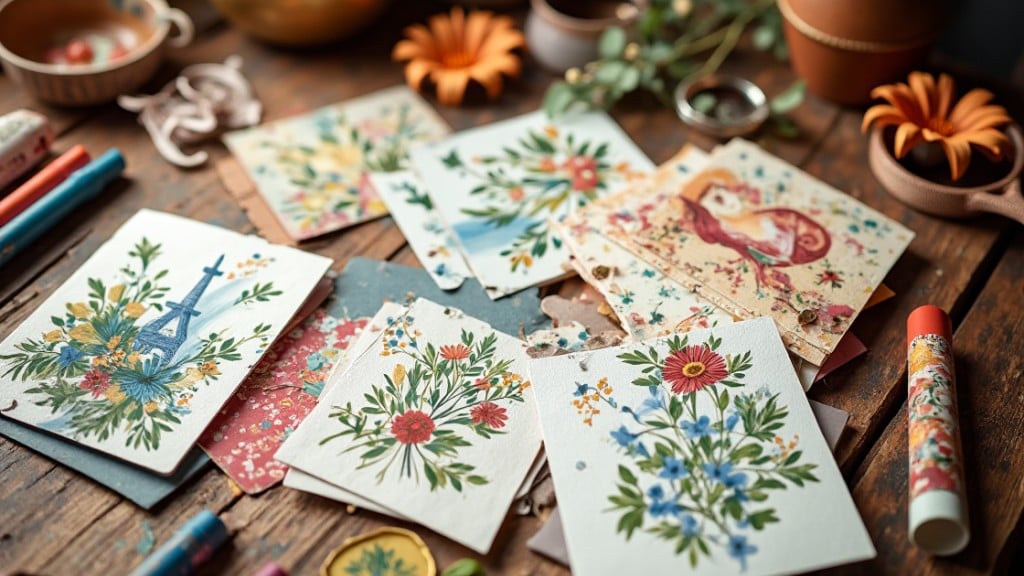
Designing greeting cards requires creativity and a clear strategy. You’ll want to create cards that resonate with your target audience and reflect your unique brand identity.
Tips for Creating Engaging Designs
- Choose Unique Themes: Focus on themes that align with your niche, such as seasonal, humorous, or eco-friendly designs. This specificity helps attract your ideal customers.
- Incorporate Visual Elements: Use bold graphics, distinct fonts, and appealing colors. Striking visuals capture attention and encourage purchases. Utilize Quirky Copy: Use engaging and original phrases or messages that distinguish your cards from the competition. Memorable messages draw customers back.
- Stay Current: Keep up with trends in design and culture. Reflecting popular themes ensures your products remain relevant in the market.
Choosing Quality Materials
- Select Durable Paper: Use sturdy cardstock or recycled paper that enhances the card’s appearance while promoting sustainability. Quality materials instill confidence in customers about your brand.
- Print Techniques: Evaluate printing options such as digital, offset, or letterpress. Each technique offers different textures and finishes that can elevate the look of your cards.
- Explore Eco-Friendly Options: Consider environmentally friendly materials. These options appeal to a growing consumer base that values sustainability.
- Test Samples: Always request samples from suppliers. This ensures the quality meets your standards before committing to bulk orders.
Incorporating these design and material strategies helps you lay a solid foundation for your small business in the greeting card industry.
Setting Up Your Sales Channels
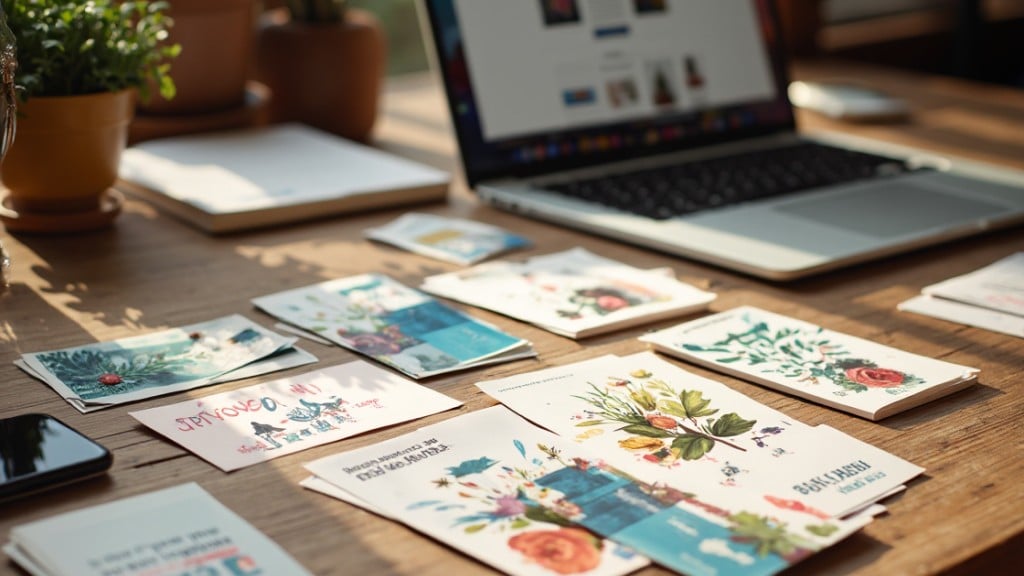
Setting up effective sales channels is crucial for your greeting card business. Focus on both online and offline strategies to optimize your reach and sales potential.
Online vs. Offline Sales Strategies
Online sales present numerous advantages. Create an online store using platforms like Shopify, which offers customizable themes, efficient inventory management, and integrated payment gateways. Online stores enable you to sell physical and digital greeting cards seamlessly. Incorporate print-on-demand services like Gelato to produce and ship cards as orders come in. This approach minimizes upfront costs and inventory risks. Organize product pages by holidays and occasions, making it easy for customers to navigate your offerings.
Offline sales remain valuable, particularly for building local connections. Consider selling your greeting cards at local craft fairs, markets, or through partnerships with local retailers. This method enhances visibility and fosters relationships with customers in your area. Combining online and offline strategies positions your small business to thrive in diverse marketplaces.
Utilizing Social Media for Promotion
Leverage social media platforms for promotional strategies that resonate with your audience. Post engaging content that showcases your card designs and highlights special occasions. Use visuals to capture attention and encourage sharing. Platforms like Instagram and Facebook are ideal for reaching a broad audience.Engage with your followers through stories, polls, and contests to create a community around your brand. Collaborate with influencers in the greeting card niche to extend your reach. Regularly update your social media profiles to maintain visibility and connect with your customers. These efforts will help elevate your small business and establish a loyal customer base.
Legal Considerations

Starting a greeting card business involves navigating various legal aspects that ensure compliance and protection. Addressing these key areas is vital to establishing a successful small business.
Registering Your Business
When you plan to start a small business, registration is crucial. Confirm your business structure, such as a sole proprietorship, partnership, or LLC. Each structure has different tax implications and liability protections. After deciding, register your business name with your local government. Obtain any necessary permits or licenses required in your jurisdiction, ensuring adherence to local regulations. For further information, consult your local business administration for specific requirements in your area.
Copyright and Trademark Issues
Intellectual property protection is essential when you create unique greeting cards. To safeguard your original designs, register for copyright protection, which covers your artwork and written content. Consider applying for a trademark to protect your brand name and logo, preventing others from using similar marks that might confuse consumers. Familiarize yourself with copyright and trademark laws to avoid potential infringement issues, and consult a legal professional if you’re uncertain about any aspect. Implementing these protections secures your creative work as you grow your startup.
Conclusion
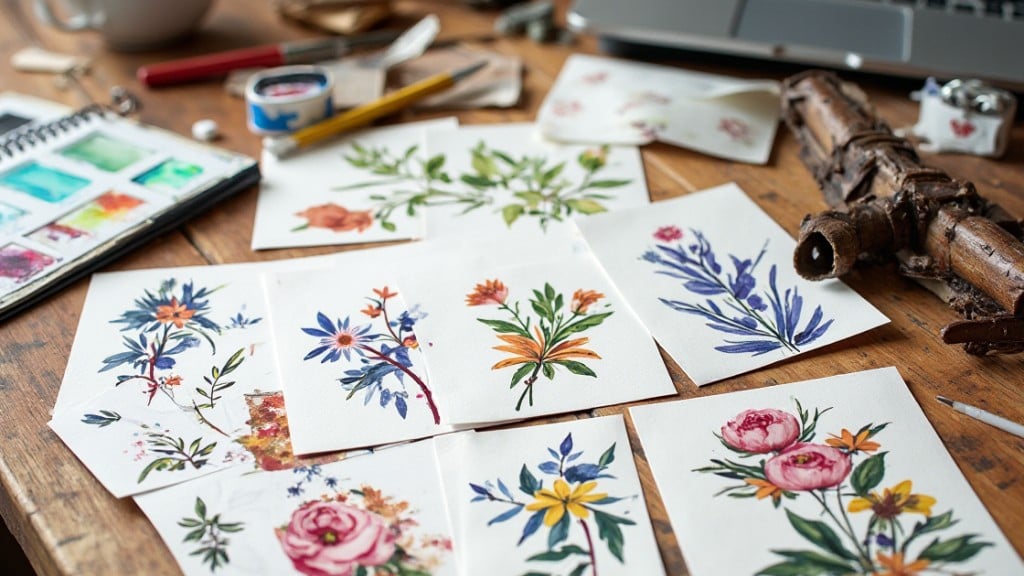
Starting a greeting card business offers you a unique opportunity to blend creativity with entrepreneurship. With the growing demand for personalized communication and the thriving market ahead, now’s the perfect time to dive in. Focus on your niche and develop a brand that resonates with your target audience.
Pay attention to your designs and materials to stand out in a competitive landscape. Combining effective online and offline sales strategies will help you reach more customers and increase your visibility. Lastly, don’t overlook the legal aspects that protect your creative work and ensure your business runs smoothly. Embrace this journey and watch your passion transform into a successful venture.
Frequently Asked Questions
What is a greeting card business?
A greeting card business involves creating and selling cards that express sentiments for various occasions. Entrepreneurs can offer personalized, unique designs to cater to consumer preferences, especially in a growing market.
How big is the greeting card market?
The greeting card market is projected to surpass $7.5 billion by 2025. This growth is fueled by increasing demand for personalized messages and unique designs tailored to specific occasions.
What are key steps to start a greeting card business?
Start by selecting a niche, conducting market research, and developing a strong brand identity. Create a detailed business plan, establish a budget, and focus on building a product offering that resonates with your target audience.
How can I design my greeting cards?
When designing greeting cards, prioritize creativity by choosing unique themes, bold visuals, and engaging copy. Stay updated on design trends and select high-quality, eco-friendly materials for physical products.
What sales channels should I consider?
Utilize a combination of online and offline channels. An online store through platforms like Shopify, alongside local craft fairs and retail partnerships, can maximize exposure and sales opportunities for your greeting card business.
What legal considerations should I know?
Register your greeting card business appropriately, whether as a sole proprietorship, partnership, or LLC. Obtain any necessary permits and protect your intellectual property through copyright and trademark registrations to secure your creative designs.
Image via Google Gemini